Ready to be aroused by a careless, unexpected word
ARC Festival. Andrew & Steven. The Speakers. The Invisibles. Orlando II. The Pilman Radiant 2: Contact. The Sex Victims.
ITEM
ARC - A Festival Of Contemporary Comics
ARC is an extremely ambitious show focused on the art of contemporary comics, taking place in South East London over four days in July, showcasing some of the best independent comics, graphic novels, sequential art and form-altering visual narrative.
The festival will launch with an exhibition and talks, before culminating in a comics fair over two days, featuring a curated line up of over 100 UK-based and international artists and publishers. You won’t find actors from Casualty who once appeared in Doctor Who or bitter RSC actors who once played a Stormtrooper. You will find a huge and truly diverse number of creators and creations, including a Mindless Ones table featuring…
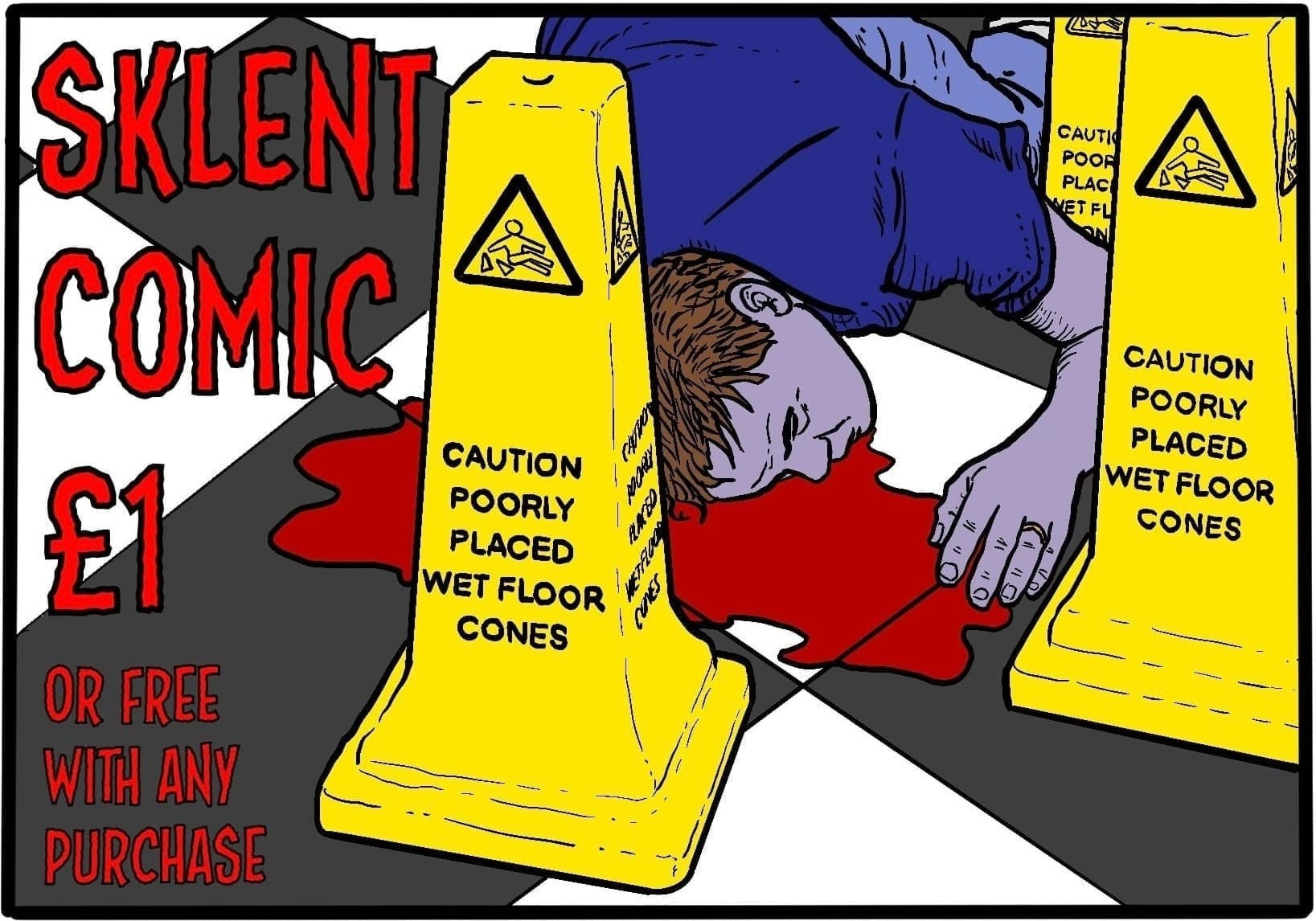
Fraser Geesin who will have a few new morsels.
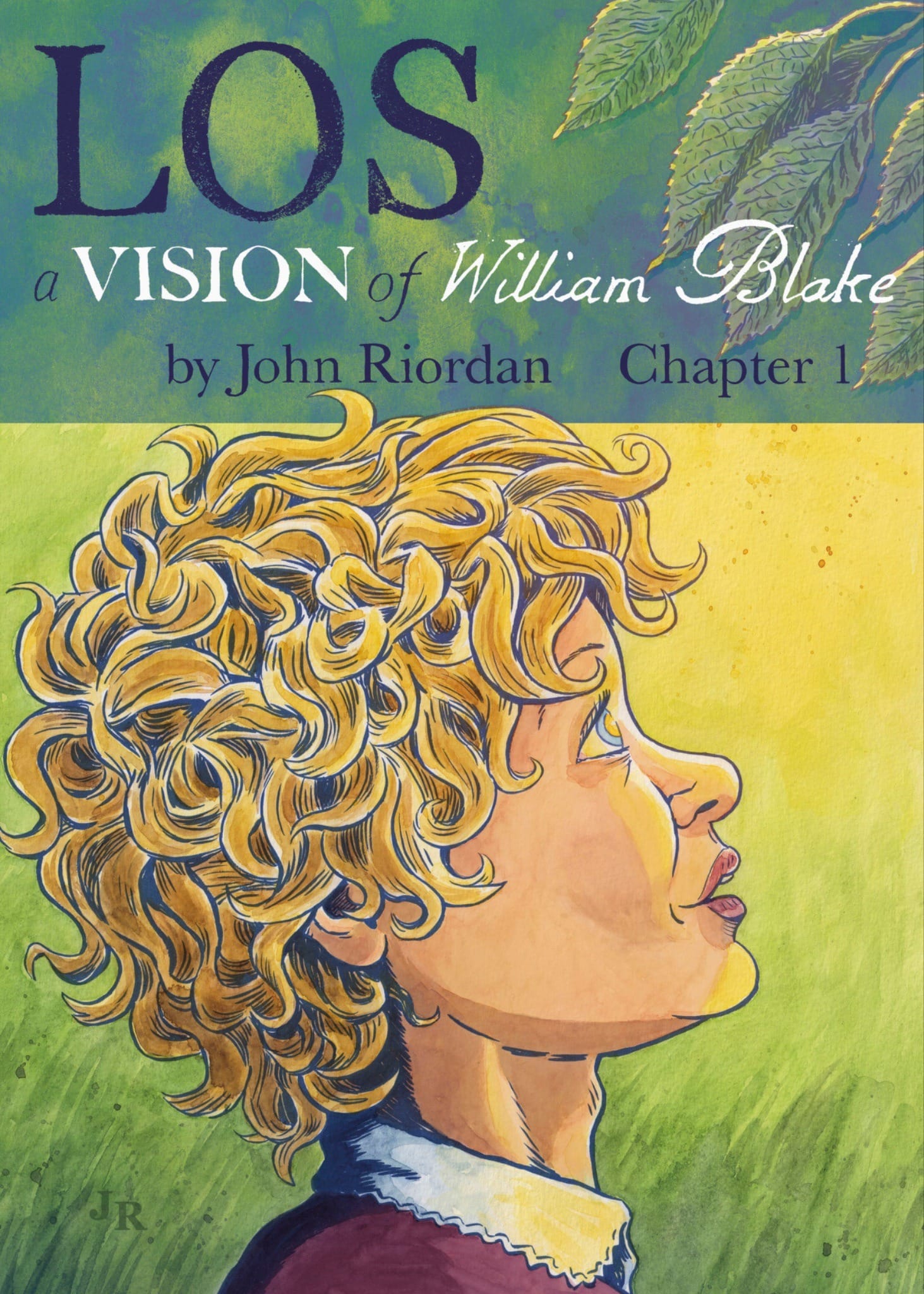
John Riordan who will have Chapter 1 of LOS, his comic about William Blake.
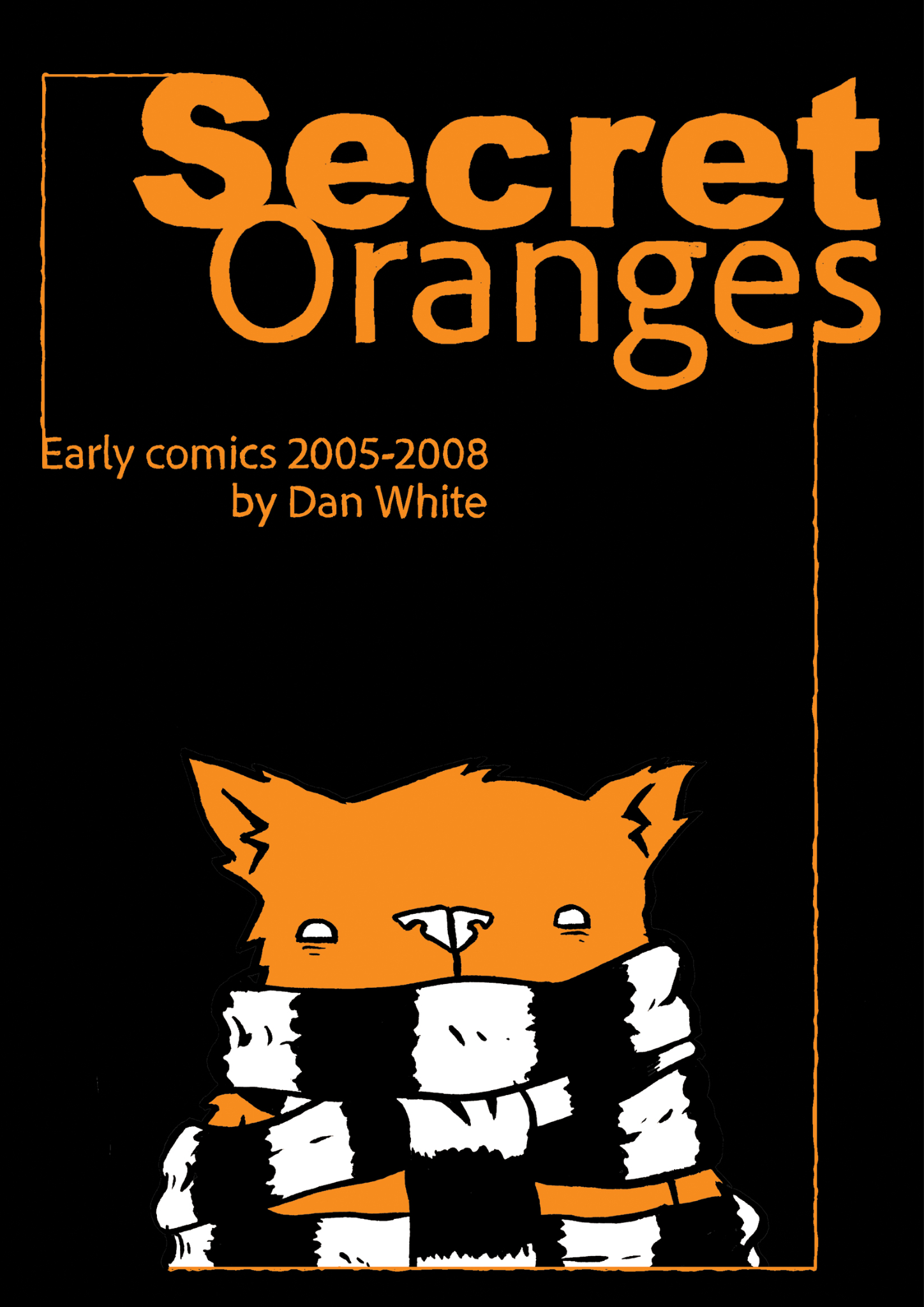
Dan White who will be selling both volumes of CINDY AND BISCUIT, SECRET ORANGES, INSOMNIA and FREAKY DEAKIES.
The Dank Ox will have the zine Adventures in Pyramid Building and other ways to live and die on Merseyside. If he gets his arse in gear.
COMICS FAIR
From: Saturday 11th July (11am > 6pm) Until: Sunday 12th July (11am > 5pm)
Unit 08, Copeland Park, Peckham, London SE15 3SN
MOTE EXHIBITION
From: Thursday 9th July (& PV) Until: Sunday 12th July (11am > 5pm daily)
AMP Gallery, 1 Acorn Parade, London, SE15 2TZ
PANEL TALKS
On: Friday 10th July (10:30am > 6:30pm)
The Hub (UAL), 42 Bonar Rd, London, SE15 5FB
ARC X GOB NATION PARTY
On: Saturday 11th July (8pm until late)
The Greyhound, 109 Peckham High St, London, SE15 5SE
ITEM
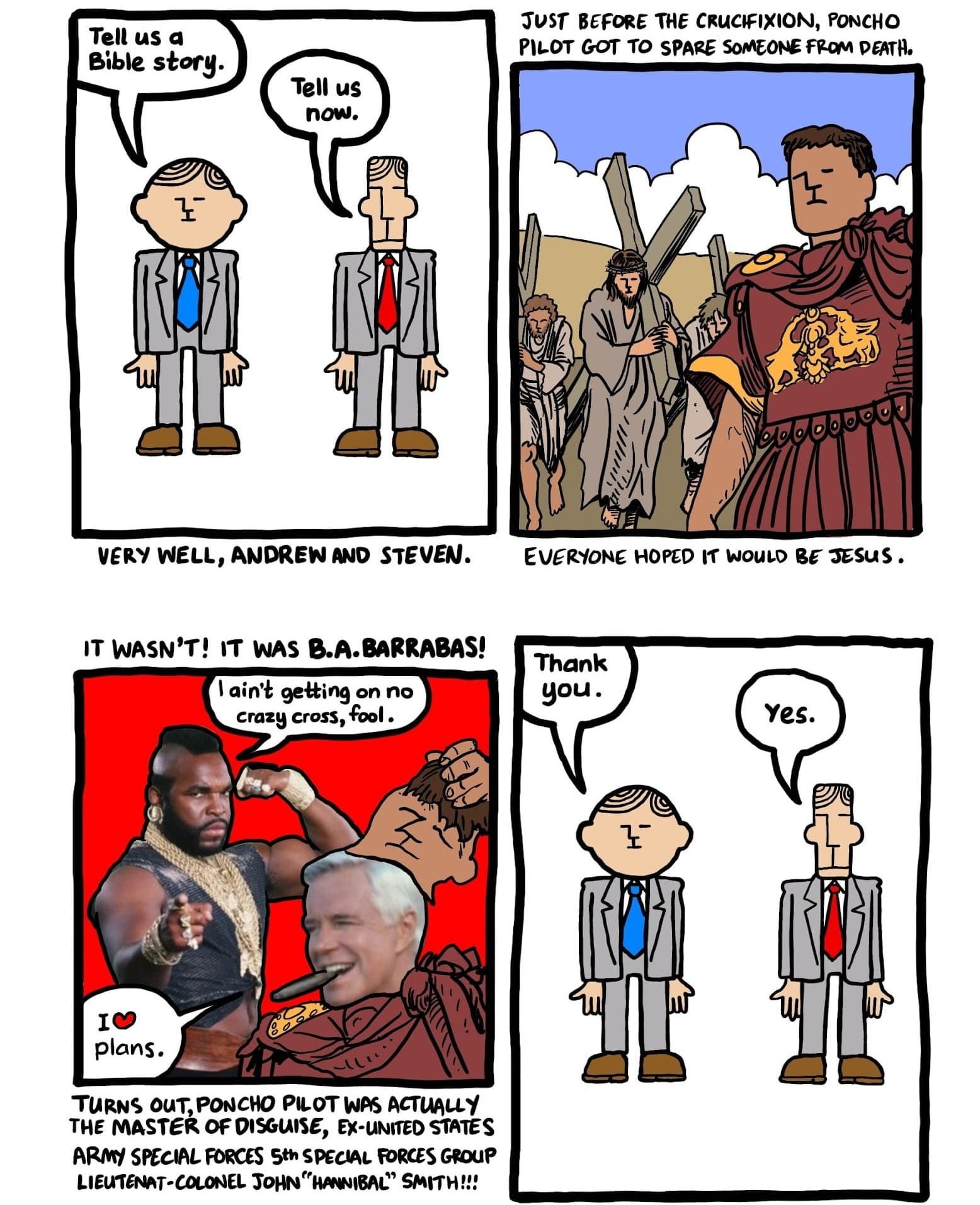
Andrew and Steven, Those Amusing Brothers
ITEM
The Speakers by Heathcote Williams (Panther, 1964)
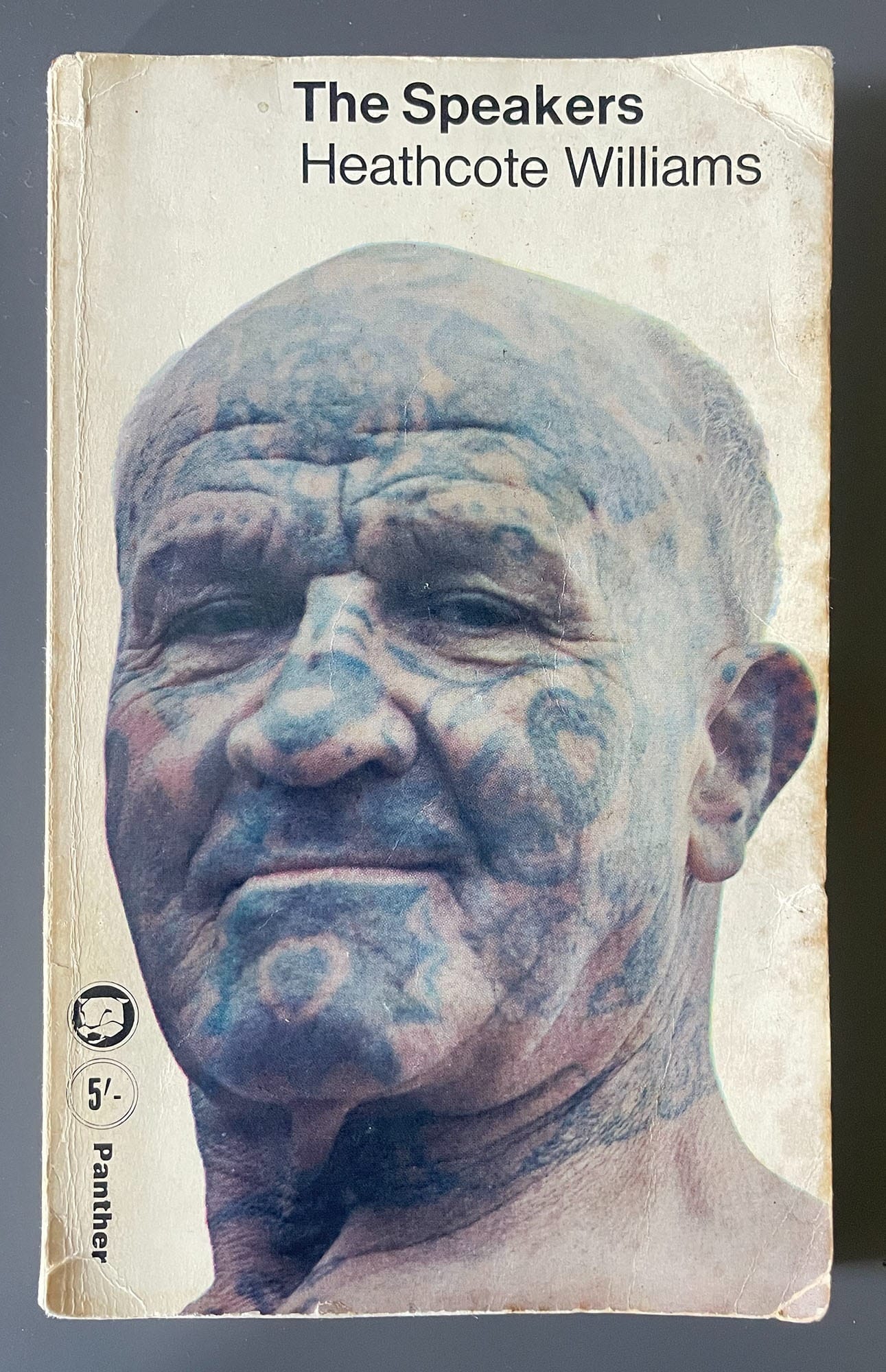
I got to know Heathcote Williams in the last few years of his life, when he asked me to illustrate The Red Dagger, a poem that never found a publisher. The Speakers is from the other end of his career (if ‘career’ can accommodate William’s decades of poetry, provocation, play-writing, acting, eco-vangelism, squatting, grafitti etc). Written when he was only 22, The Speakers is a semi-narrative series of observations and prose dramatisations of regulars at Speaker’s Corner in Hyde Park.
As Heathcote described it to me, Harold Pinter was greatly taken with the book and asked him if he would write a play. The result was 1964’s The Local Stigmatic, whose much later film adaptation pops up semi-regularly on social media to demonstrate (Williams mega-fan) Al Pacino’s terrible cockney accent. It’s a shame because the short play has a bleakly humorous and malignant glow that lingers long in the imagination. You can see the through-line from The Speakers (and what appealed to Pinter), the way William’s obdurate characters talk themselves round and round in self-deluding circles.
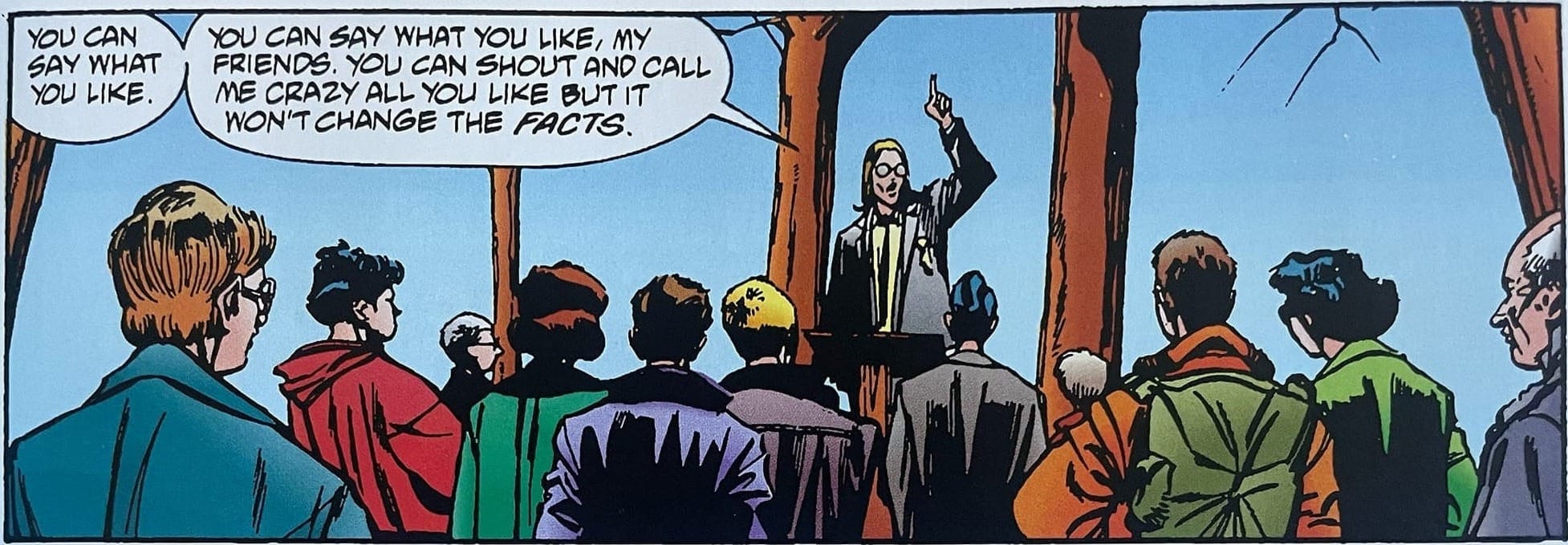
Intriguingly, given that Williams would go on to be such a political poet, he seems little interested in the political convictions espoused at Speaker’s Corner. His speakers adopt and discard ideologies as their manias and situations require. They are driven to their calling by a combination of desperation and obsessive compulsion, of madness and grift.
I haven’t been down to Hyde Park to check whether Speaker’s Corner is still even a thing, but I presume it’s small beer. Why bother when this demimonde now exists online? Its conspiracies multiply and mutate through the digital ‘Town Squares’ of X and Facebook and its twitching paranoiacs are more likely to be found stalking online and threatening one’s friends on Youtube.
ITEM
Mind the Gap: The Invisibles
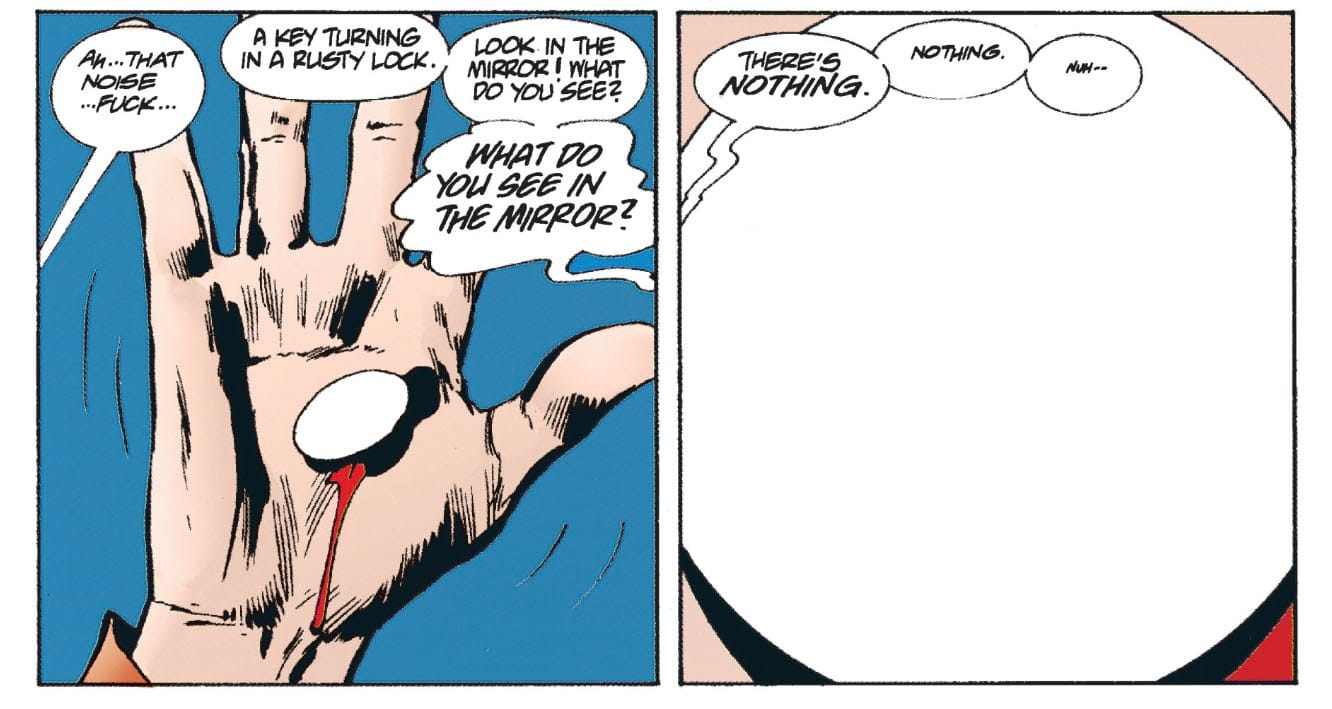
For McCloud, the comics’ gutter is something you fill, a gap that you populate to get closure. He is wrong. Groensteen gets closer, the blanc enables connection between the moments of the panels but is nothing we need to fill.
Barbelith, the placenta birthing the thing that our universe is becoming, is information. It speaks in symbols, Dane’s latent Catholicism, alien abduction myths and folk horror dreams. Gnomic ouija transmissions from a higher order universe explaining the nature of reality and spurring Dane to action, focussing his rebellion, stopping him being consumed by passivity and despair. Barbelith is the panel. The blank badge is the opposite, the gutter, the blanc of Groensteen.
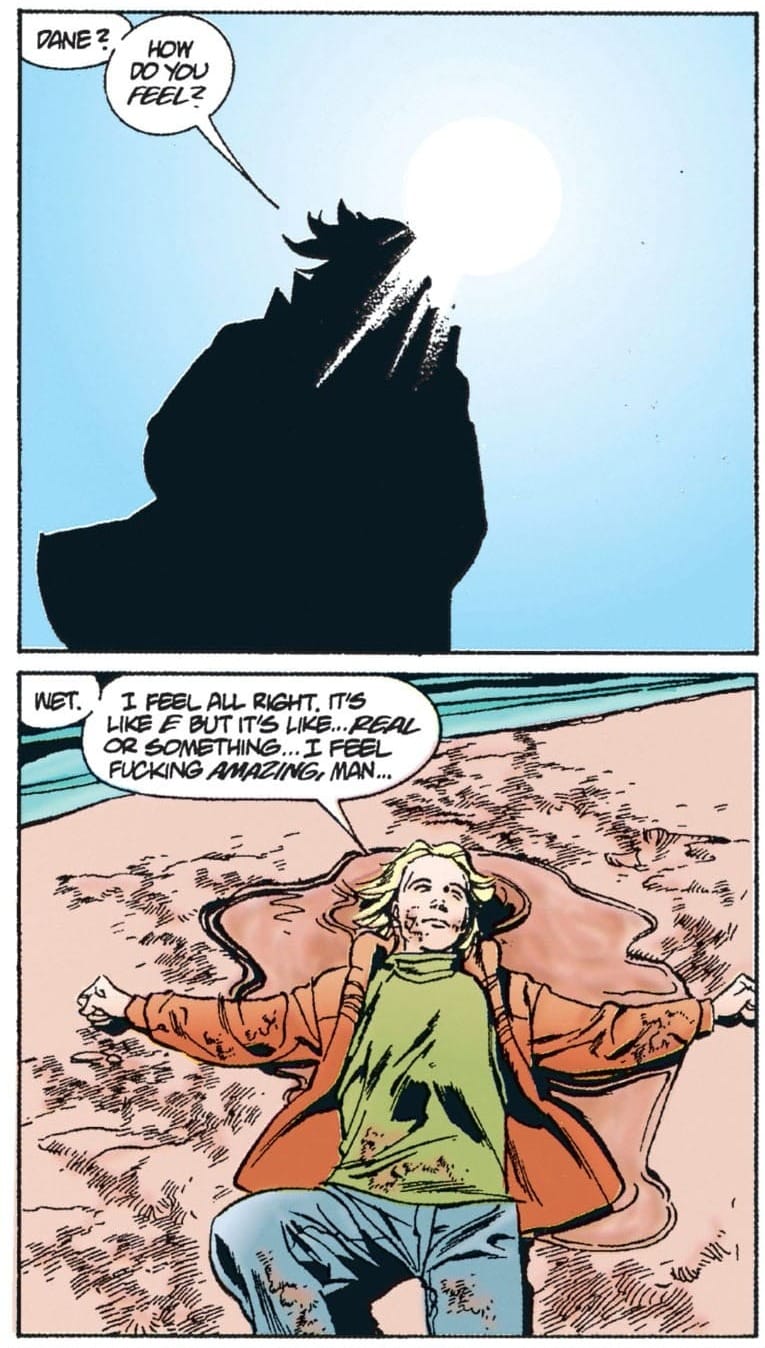
That dreadful man, Seaton, manifesting as Mad Tom, shows Dane the tiger force in his heart, brutal therapy to make ‘Jack Frost’ feel. The blank badge becomes a scrying mirror revealing the truth, the things we fear to face. The blank badge fills the panel, becomes the whole page, then reduces down to the dazzling sun haloing the shadow self of Mad Tom. The blanc is the space in which we process the information.
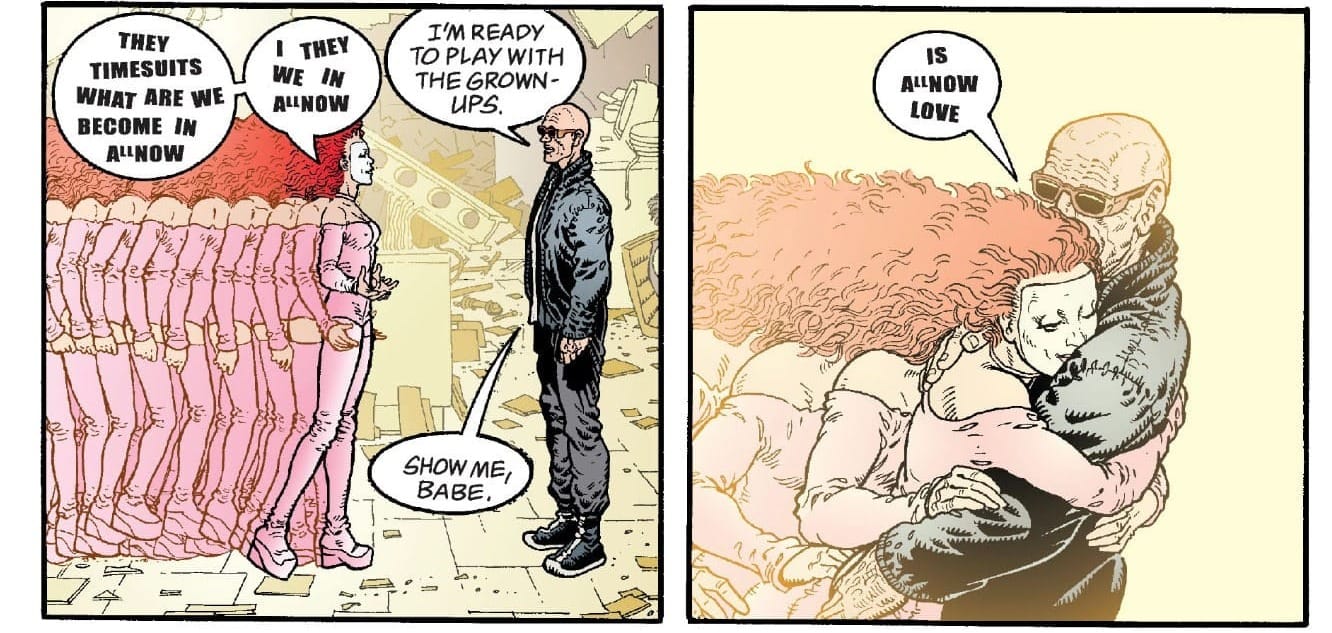
At the end of history Ragged Robin, time witch, returns, an avatar of ALLNOW where everything is love. A being without gutters. A being with no need for the blanc. No barriers between the self they were and the spacetime they occupied 32 seconds or 32 days or 32 years ago. A being aware of how it intersects with the historical biomass, a self-aware node of all that ever was experiencing itself. ALLNOW is ecstasy tracers and disco distortion, King Mob done with violence, unburdened of tasks, is happy to enter.
Before the end of history manifestations of ALLNOW are met with horror. Seaton becoming aware of Robin moving through time drives him mad. The discarded time suit in the church in Philadelphia, the orgy of the insect people, triggers King Mob’s breakdown. Human beings at our plane of existence need the blanc.
ITEM
“Had the word been “woman”?” – Orlando (adapted by Jules Scheele, art assistance by Garry Mac, 2026)
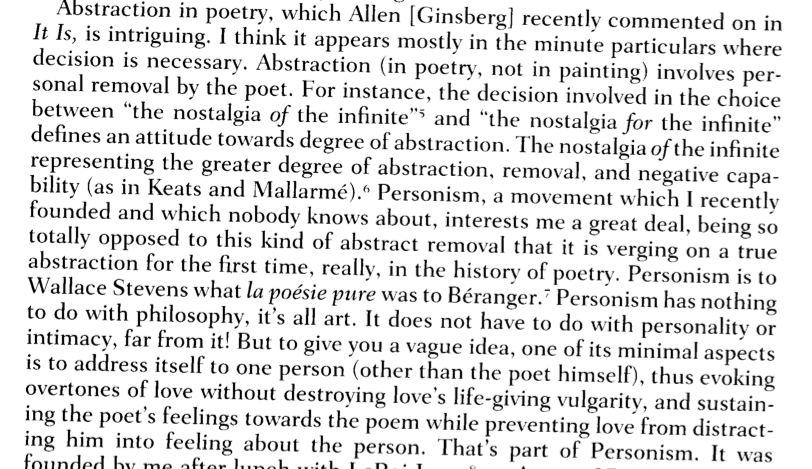
Last week’s Orlando ITEM took its title from Personism: A Manifesto. Cheeky bit of writing by Frank O’Hara, intimate despite its protests. It was O’Hara’s thoughts on abstraction I had in mind when I put the bit about dressing like a saucy lad up front.
When Scheele’s Orlando goes abstract it draws on painting; elsewhere, it draws on fashion, for flair - “vivid ligne claire reminiscent of a flamboyant Tintin”, they’re saying - and to play with chronology outside those moments where Scheele explicitly brings the future in.
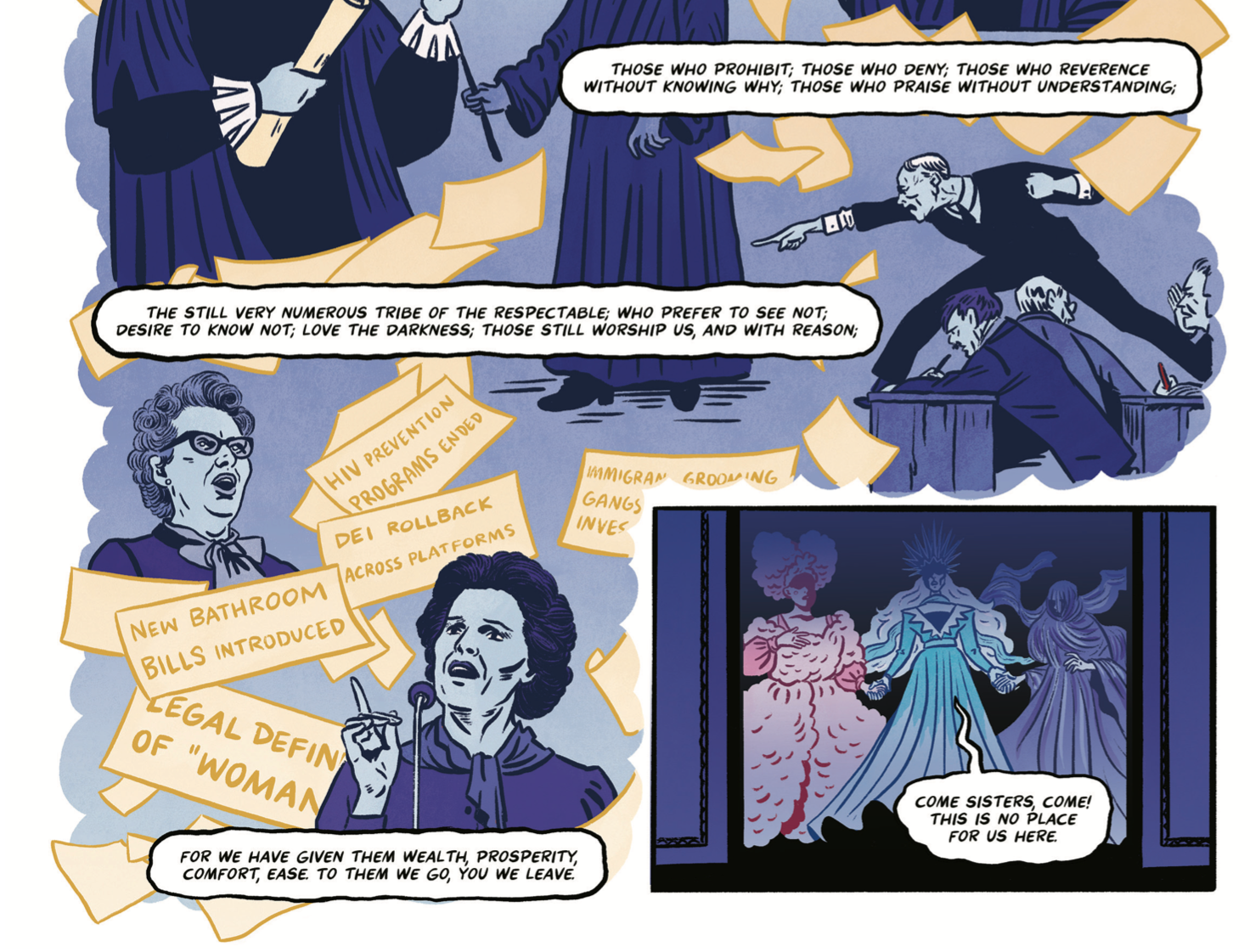
O’Hara’s manifesto has the poem between a poet and reader, “Lucky Pierre style”. Scheele’s Orlando, meanwhile, understands how fashion exists between the poet and the world, a thread between the most private and the most public levels of existence.
An early revelation comes through a question of personal style, a textual binary given the endless depths of the night sky in the comic.
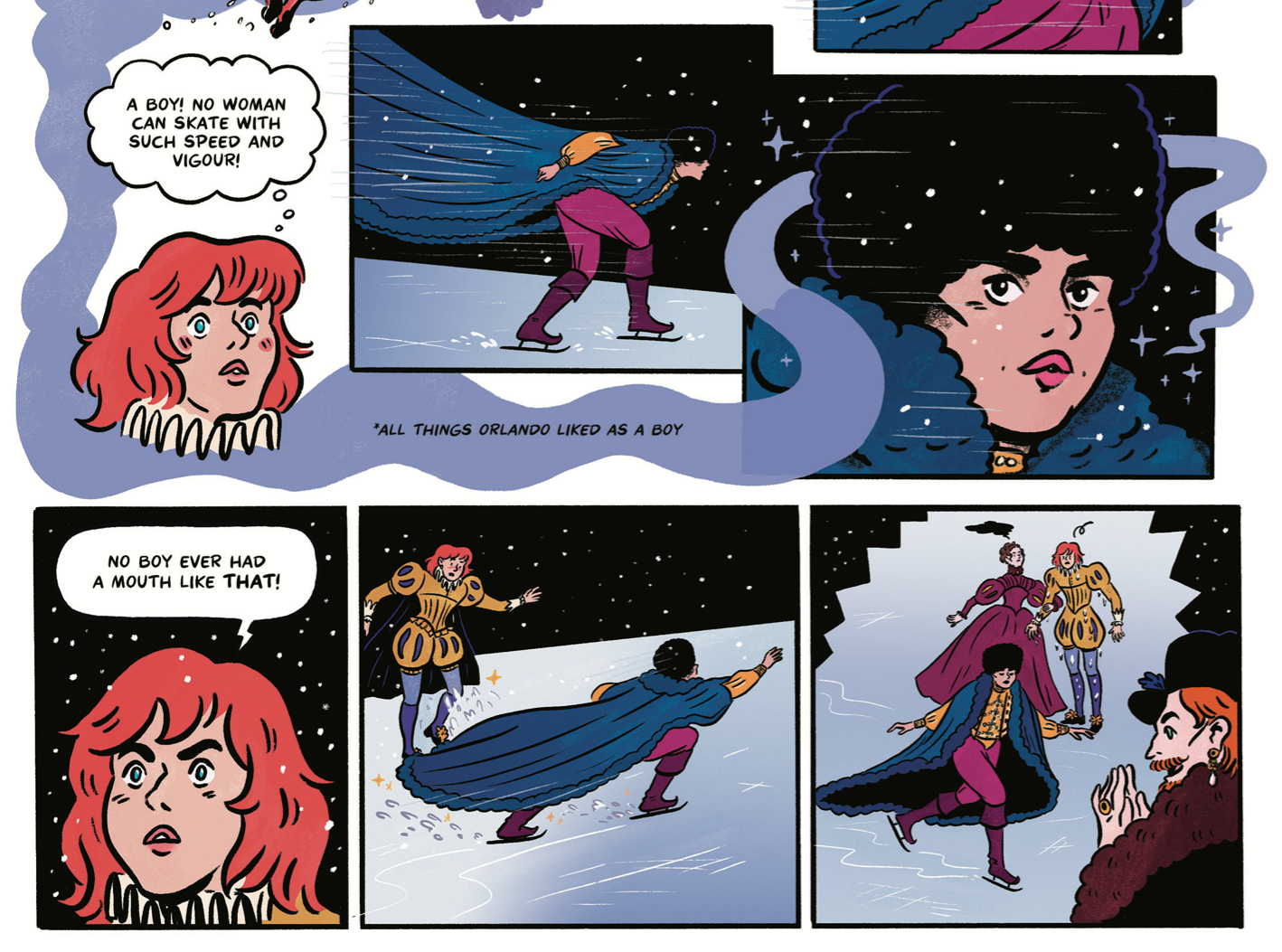
Stripping layers away does not lead to a restatement of distant consensus. Instead, the possibilities for revelation in elegant gowns and riding gear are explored in ways that alternately scunner and deepen Orlando’s relationships.
“Love’s life-giving vulgarity” is here, and its complexities are as plentiful as the ways to wear - or take off - a piece of fabric.
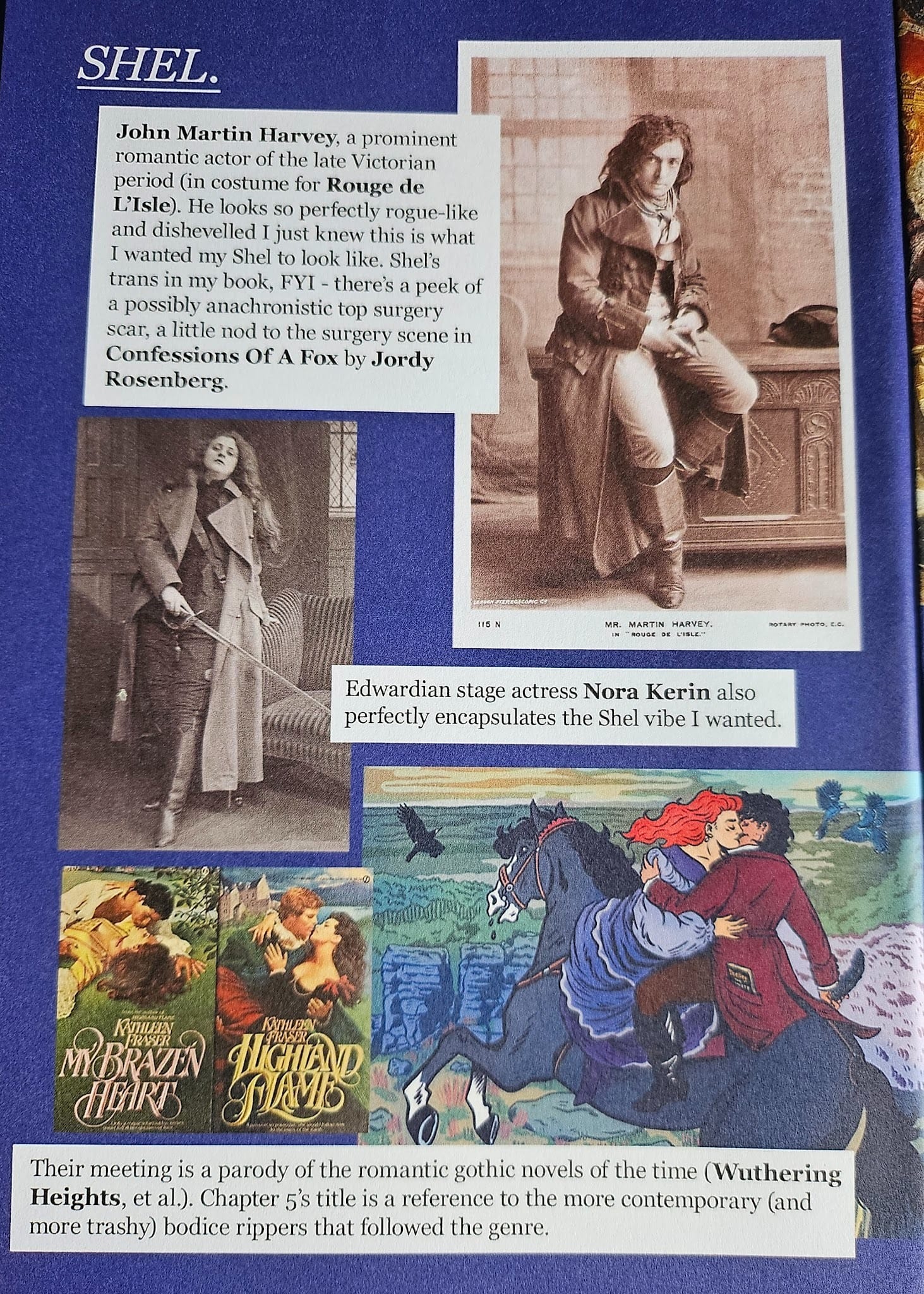
The shifting wardrobe raises questions of who dictates what’s possible, and for whom. Being recognised as a woman at home is tangled up with questions about who owns it; being courted as a woman brings the question of whether a quick duel is still on the table.
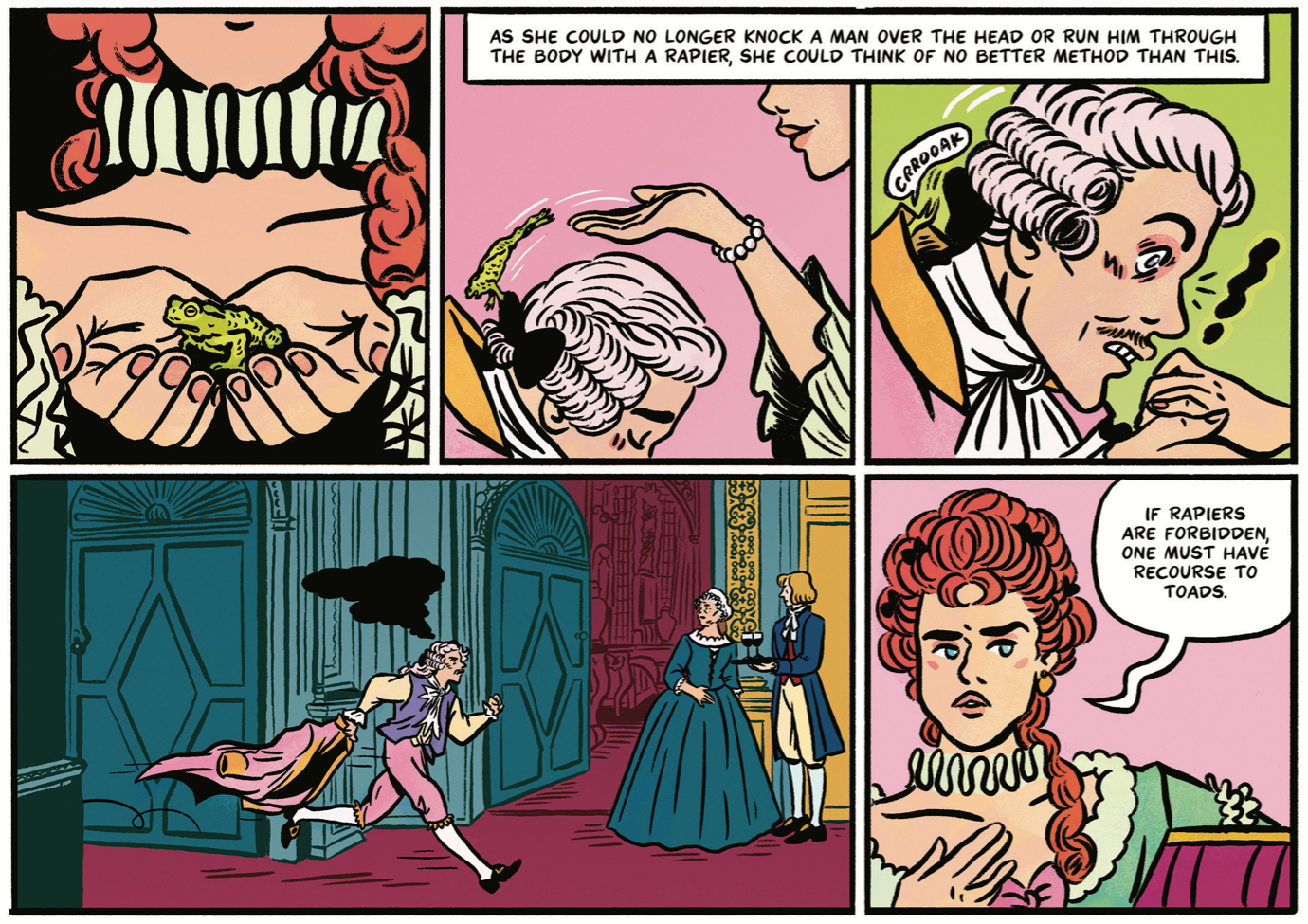
As with the sense of queer abundance that animates this adaptation, this theme is most vivid in moments where everything happens at once.
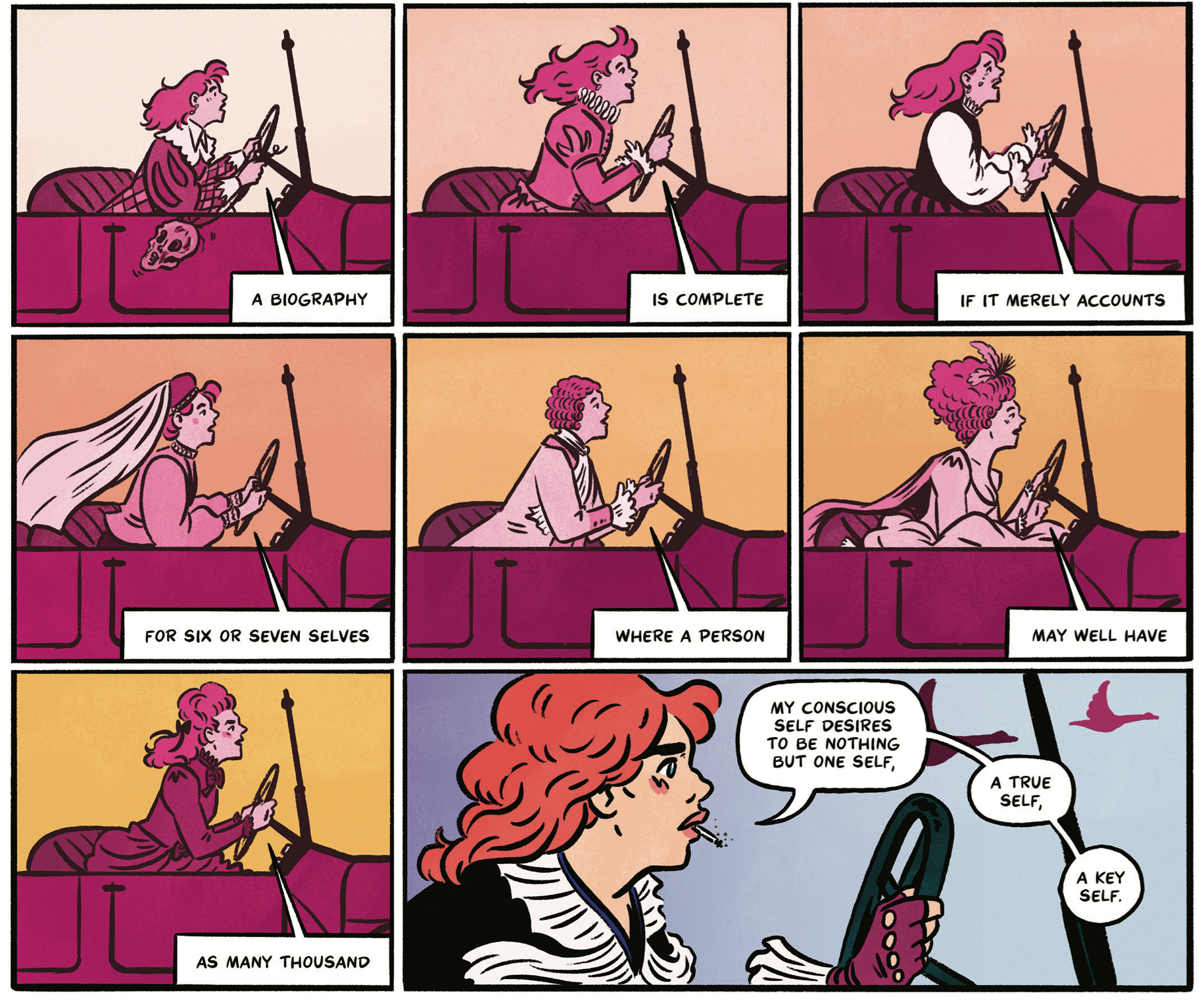
“A woman. Yes, but a million other things as well.” The whole world is watching. Seen now, we can be nothing less than fabulous.
ITEM
The Pilman Radiant 2: Contact
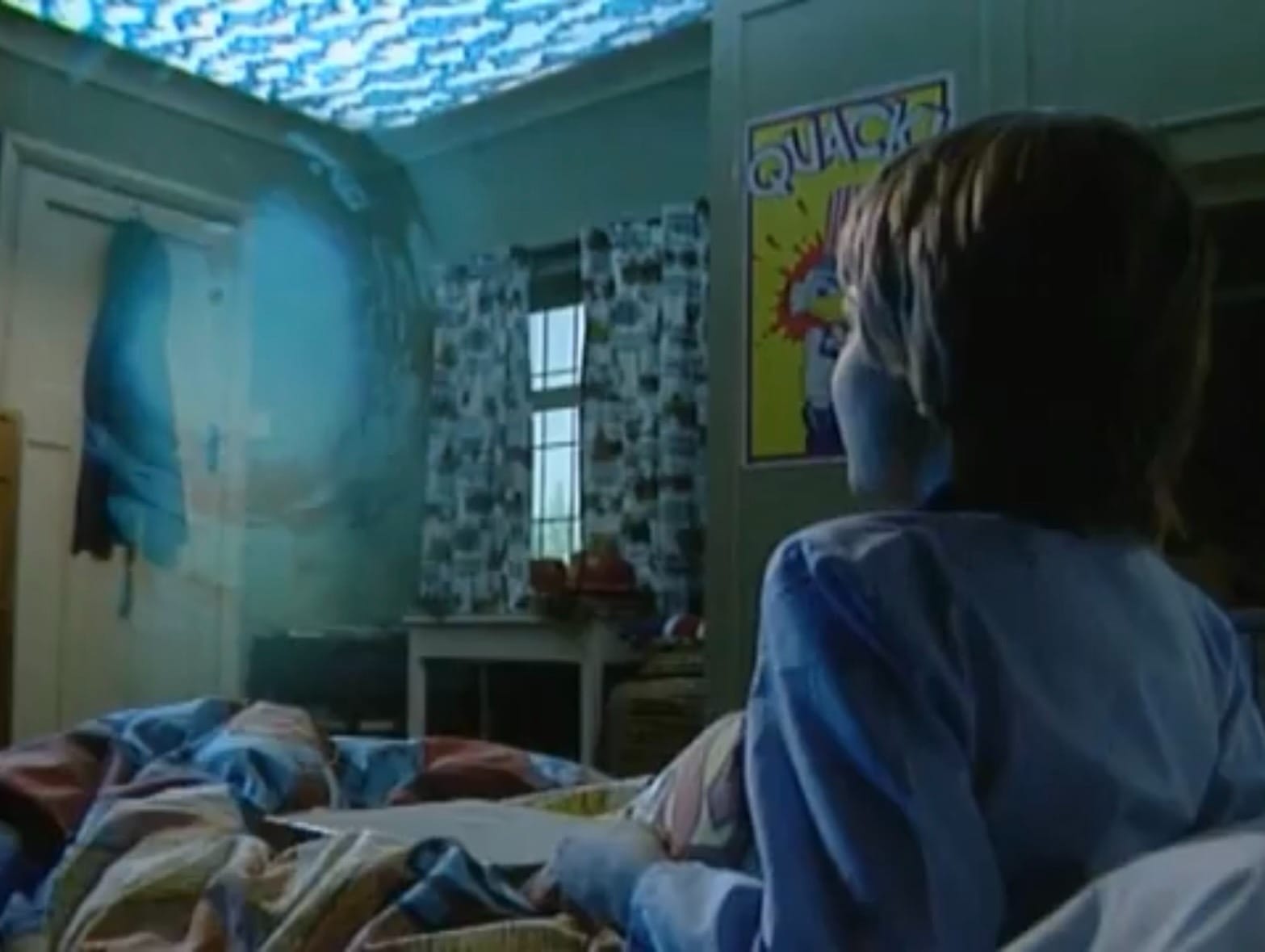
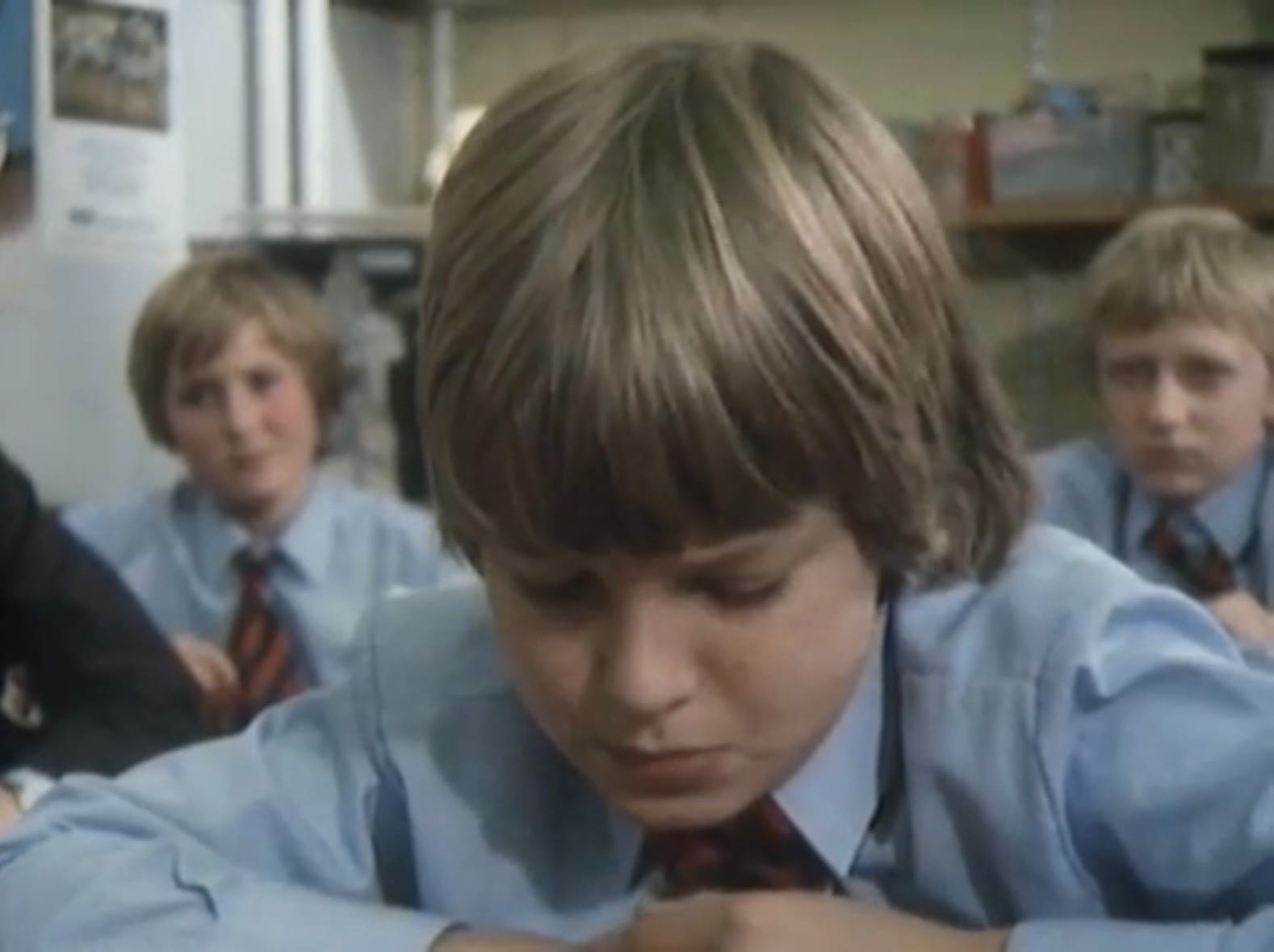
1996, the librarian points out the book I’m doing for Standard Grade English used to be a TV show. I feel the floor buckle.
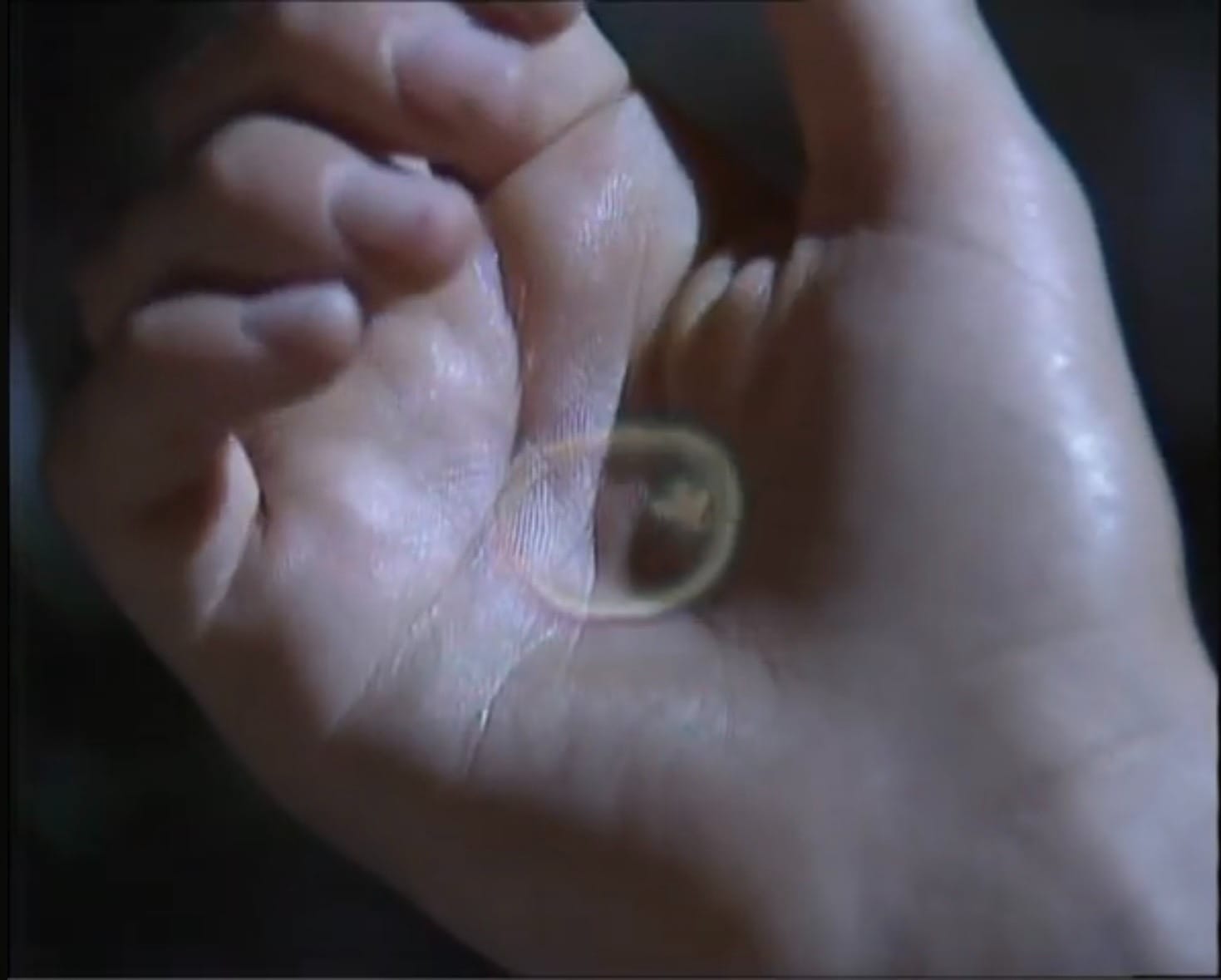
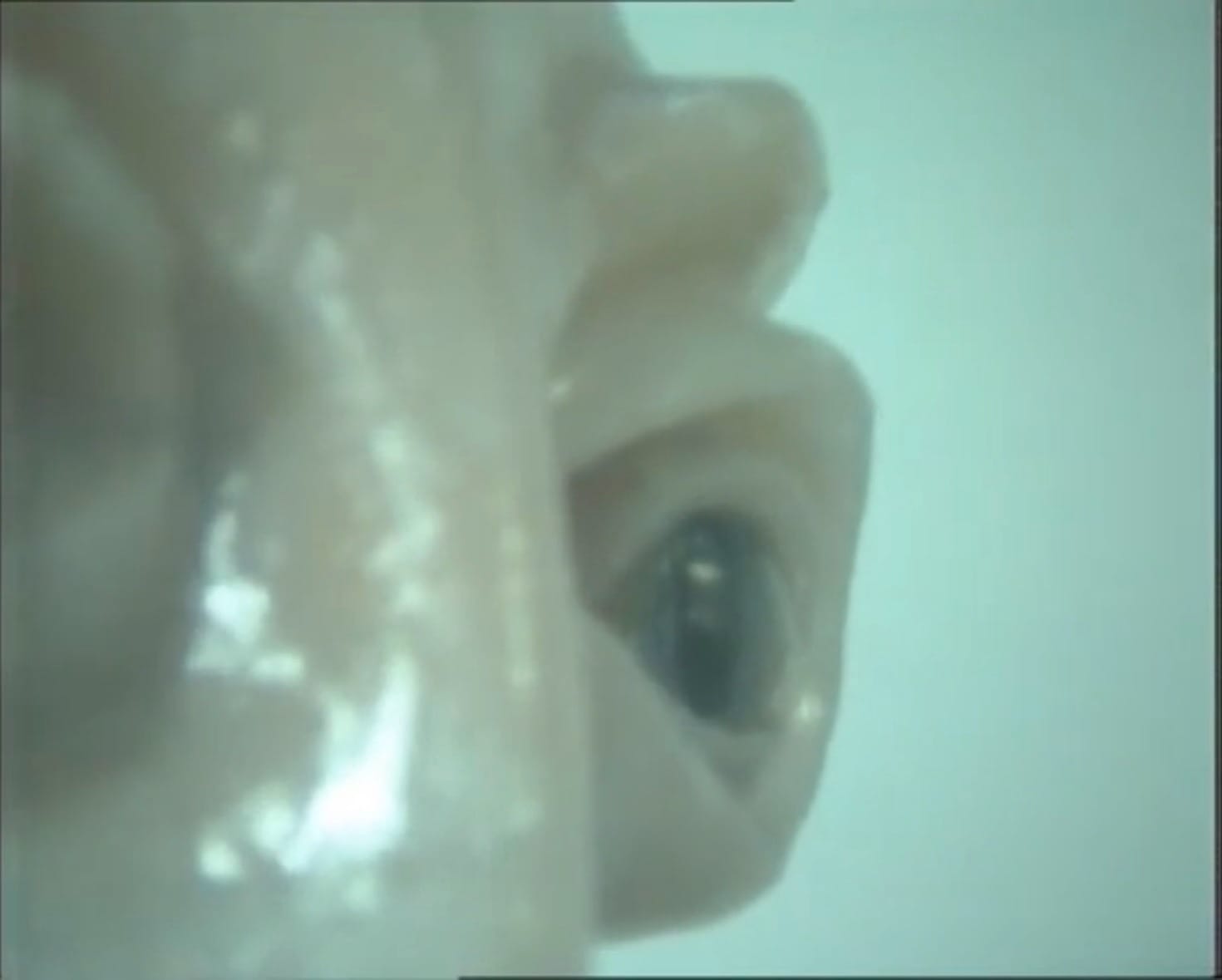
Memories return. Children in a planetarium. A swirling electronic tone. A distorted voice chants SILLY, SIL-EE. A memory of being hurt. My dad putting ice on my forehead. The chanting voice haunts me. A memory of being haunted by it when ill. Confusion. A scene from television or memory?
The timeslot before the news at 5:54 always seemed to contain terror. If not Chocky’s otherworldly voice, then it was the actions of the strange daisywheel machine from Children of the Dogstar. Both brought fear of being branded by alien contact.
The details had passed into faded memory when Mark Salwowski’s cover to John Wyndham’s novel caught my eye at school. I was apparently ready to be contacted again.
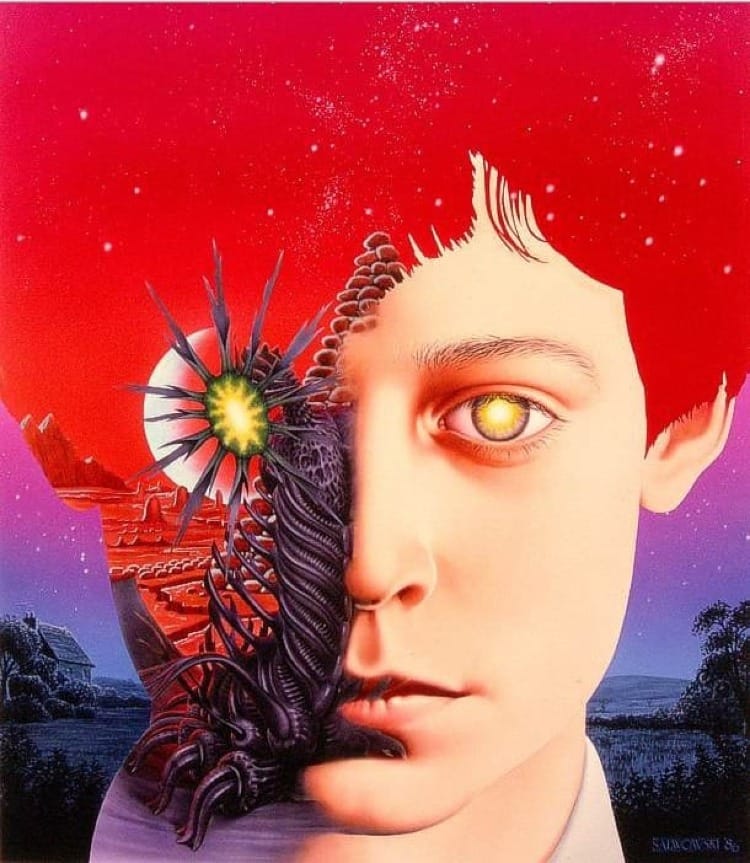
No insight was forthcoming. At least, nothing that could help my terrible school grades.
Wyndham clicked with me. The conscience he wrestled with during his wartime service, his fears about humanity. Sometimes dismissed, but there’s something of the violence in The Kraken Wakes, the sense of trapped helplessness, that makes more sense to me knowing the man had served in World War Two. He doesn’t necessarily need the world to descend into, say, Walking Dead-esque shock, because the failure of humanity could be seen in the worst excesses of another person’s sense of reasonable behaviour.
There’s a sense of isolation running through his work. Only really broken by the romance. Perhaps a reflection of his feelings as a soldier, fearing the war would change him. Make him unlovable to the women he loved.
The world seemed to me to be an unreasonable place and I hadn’t yet found anyone to love. Still waiting for the wisdom of the stars, or the terror from the deep.
ITEM
The Sex Victims (Derek Robbins, 1973)
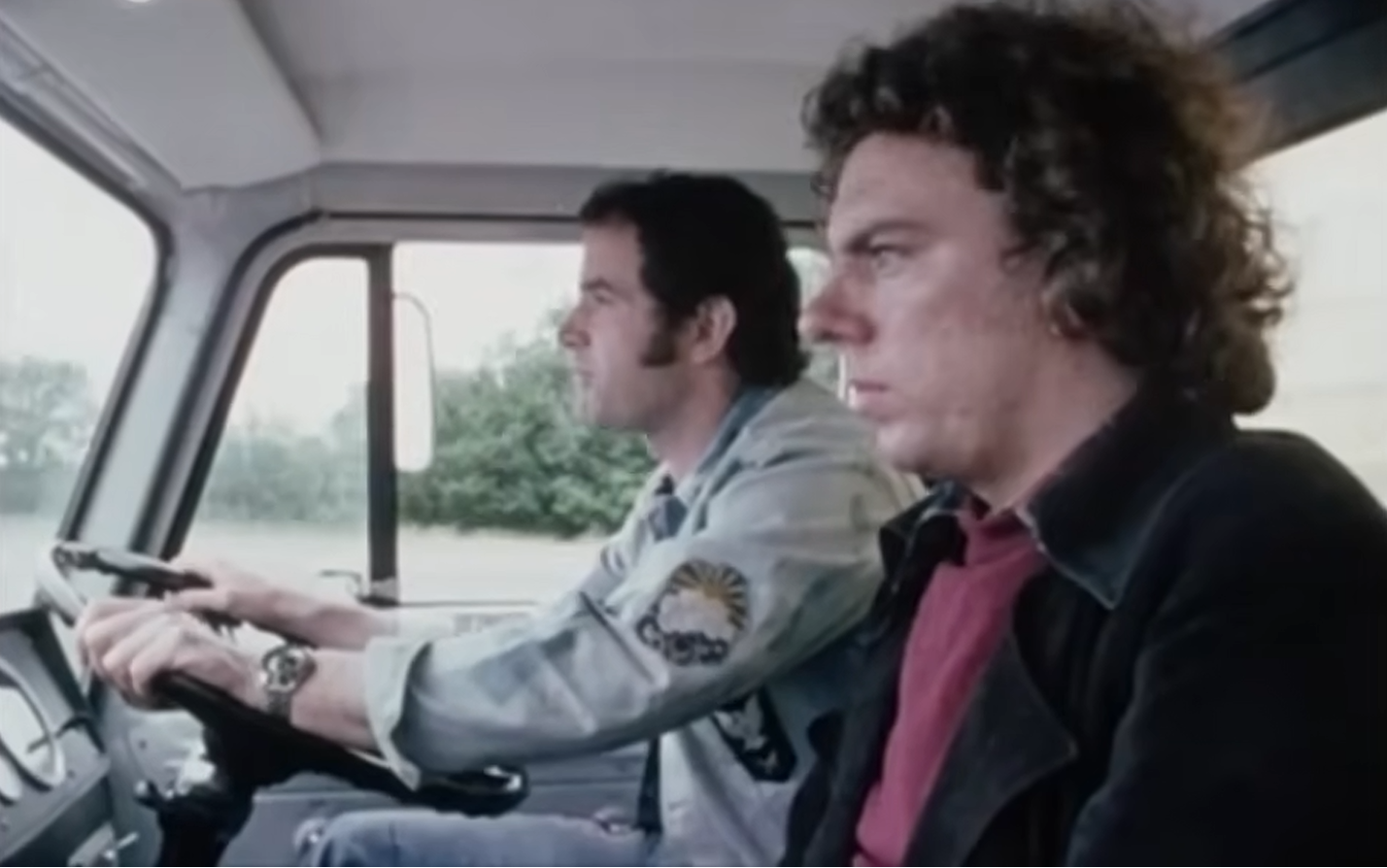
Nasty, brutish Ripsploitation short. Tax break-financed filler to go on the bill with the nudie movies, noted only for its astounding anatomy of the West Yorkshire femicides - yet somehow released two full years before Sutcliffe claimed his first official victim.
It’s 1973 and the real-life killer is still on the production line at the Britannia Works in Bingley, days cutting circlips, lockwashers and snaprings, holding it in, keeping the pressure up. The hot din of machinery alternating with God’s voice on the canteen radio, speaking the language of headstones back from his gravedigging days. The tea ladies and secretaries don’t like him, the unhidden staring and uninvited banter, and when they let him go he spends the redundancy on HGV training, putting himself on the road, alone but for the sports bag of tools on the passenger seat beside him.
It’s all here, forcing itself upon the cheap celluloid to deliver an unheard warning of calamity. The animating spirit of the murderer, declaring its intent in full view. Traumatised and confused by the backward journey through time, the verified essentials merge with the rumours, fantasy and hoaxes. Off-track A-roads haunted by emptiness and mini-skirts. Pursuit through industrial hinterland. The doubling of Jacks, turning one dark stranger into two, the Ripper and his distant, witless accomplice. At the motorway cafes where the girls work hard and scratch their arses, at the riding schools where the stable girls re-enact the rituals of deep time, at the clearing in the woods where you found the ripped-up porn mags.
Eventually the scene consummates itself like a fairy tale, unravelling into an effective case for the prosecution, up to and including the Byford Report’s indictment of police indifference. Guilt is in the food chain, embedded in the landscape of a country where the Lady of the Lake is murdered by a predatory ex-squaddie, or where Godiva’s rebellion against her husband can be photographed and edited into an exclusive feature on page 3.