Do your parents know you're out here in this lonely place?
Ocularis Terribus. The Editors. Andrew & Steven. Eureka. Getting Sent For. Pebbles in the River. Vince Staples. Dart.
ITEM
Ocularis Terribus
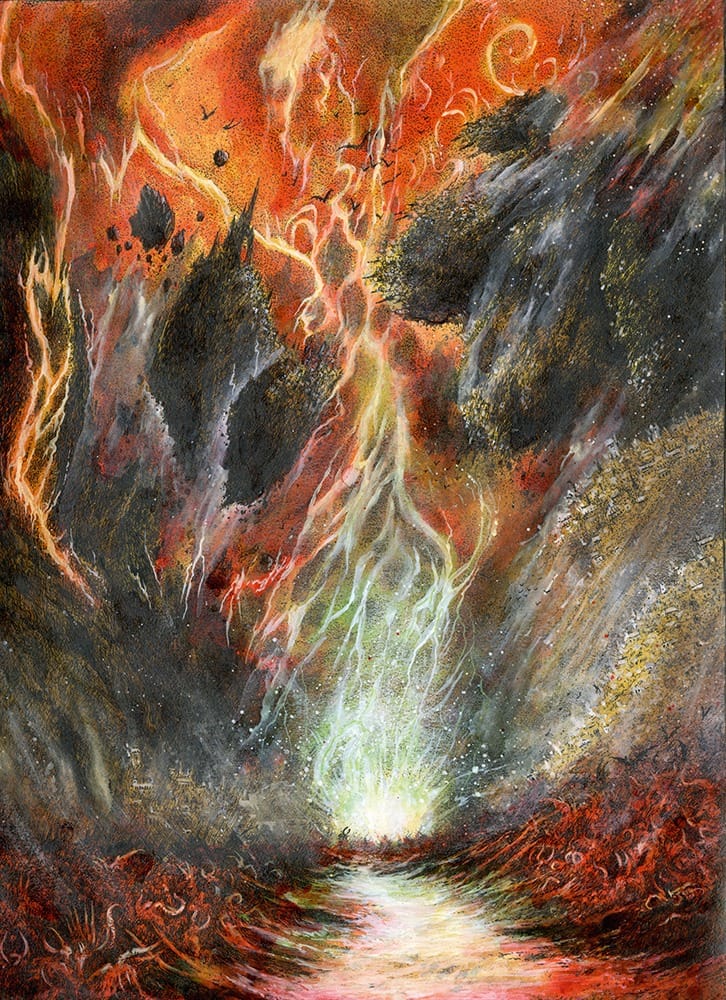
To the distant north, far above the world, there is what some call a gate. A word that calms and reassures, used by kings to placate their people. After all, Gates can be shut, it just takes the right amount of force or coin. The artists and the magicians know better. It is a rift, a break in the order of things.
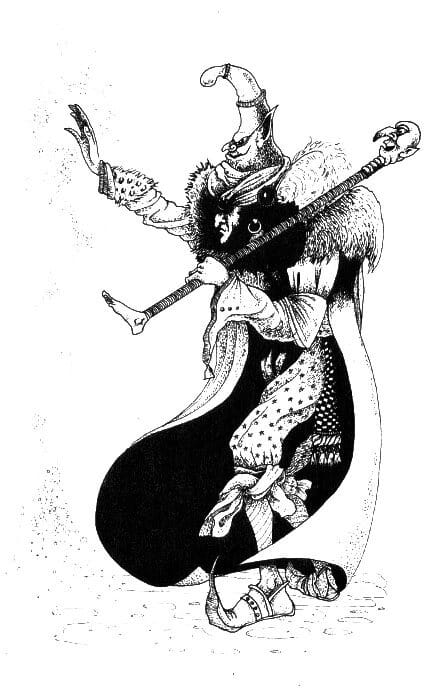
The rift seethes and expands, for it has no nature, no true form to constrain it. It is the past and it is the future. So, as the stars turn, it floods the world, bringing its truth to the people. This wounded land will never heal, it tells them, because, for as long as there has been a world there has been a wound. The fact that it can be torn demonstrates the absence of law.
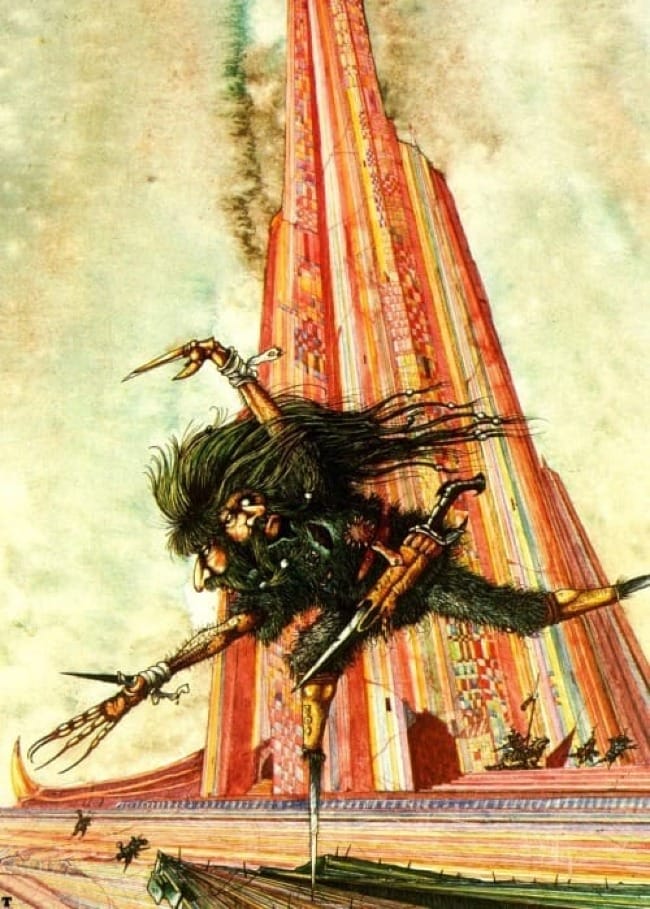
The sanctimonious, cowering behind fortress walls, claim that this is corruption, but despite the threat of the priests’ fires, in defiance of their legions of iron, the message cannot be denied. It speaks in the language of flesh and spirit, teaching both that, as constituents of this world, they too are unconstrained.
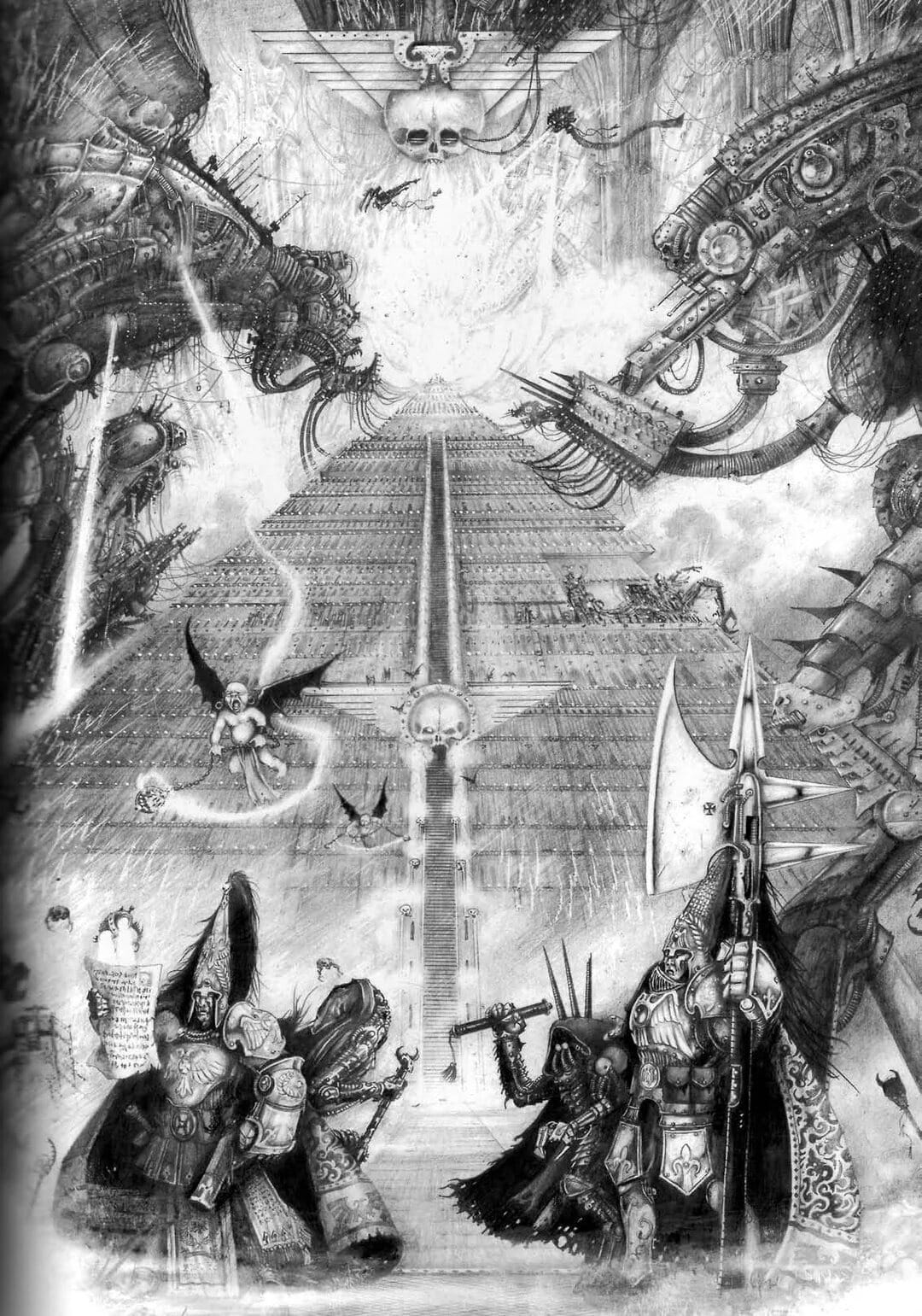
In their hubris, men erect edifices to tame the rift. They impose clean margins, build borders, insist that what exceeds them is merely excess, to be trimmed back to legibility. They call it evil, and in doing so lie about the extent of its power and their own, framing themselves as servants of the good. Staging existence as a battleground between forces of virtue and sin, where order can win the day - ultimately the war.
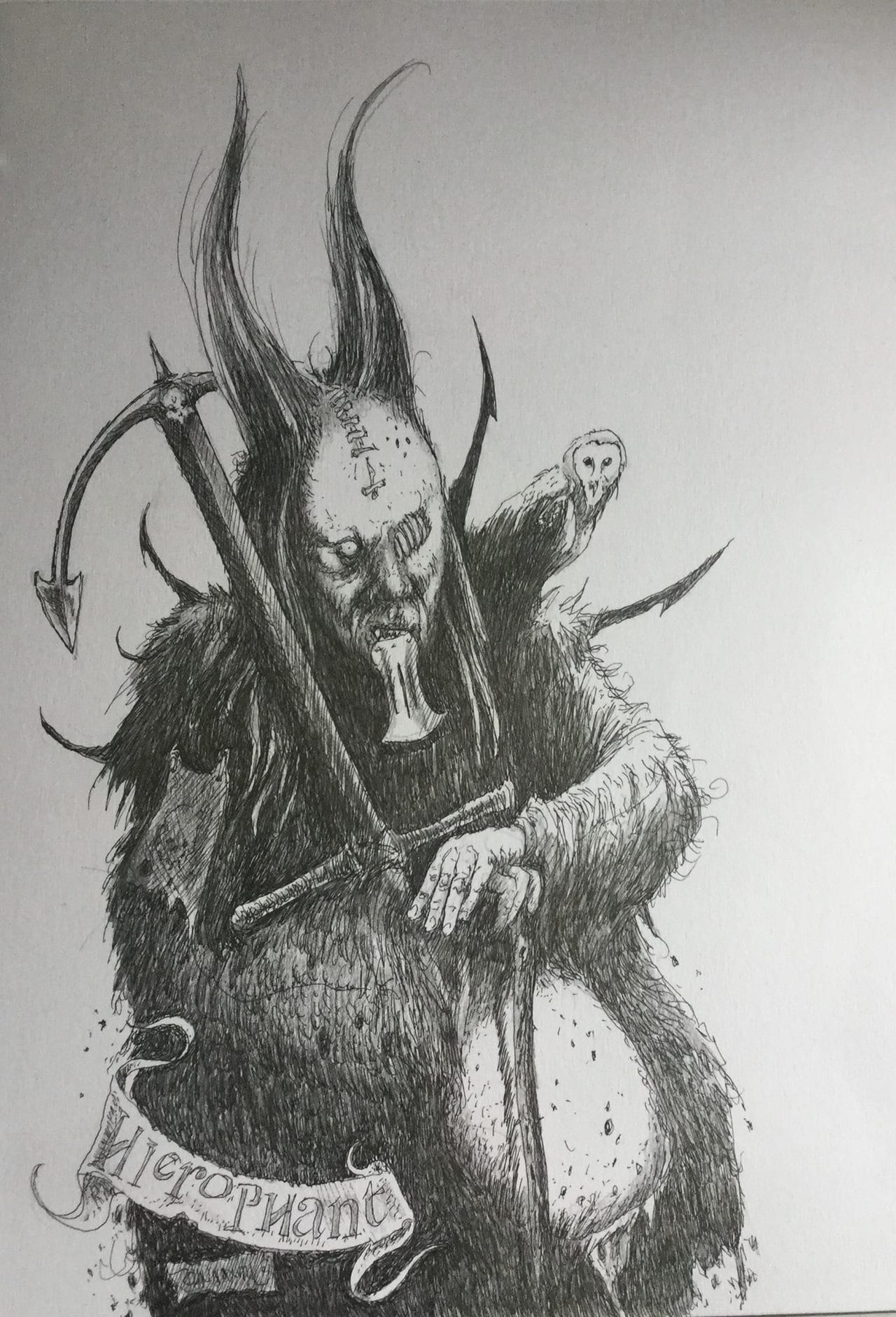
The magicians and artists know better. They know that the rift, for all its horror, is the source. There is a deeper secret. Another, older name: Ocularis Terribus, a great and terrible eye, that unsees the world, throwing all into disarray to be made anew.
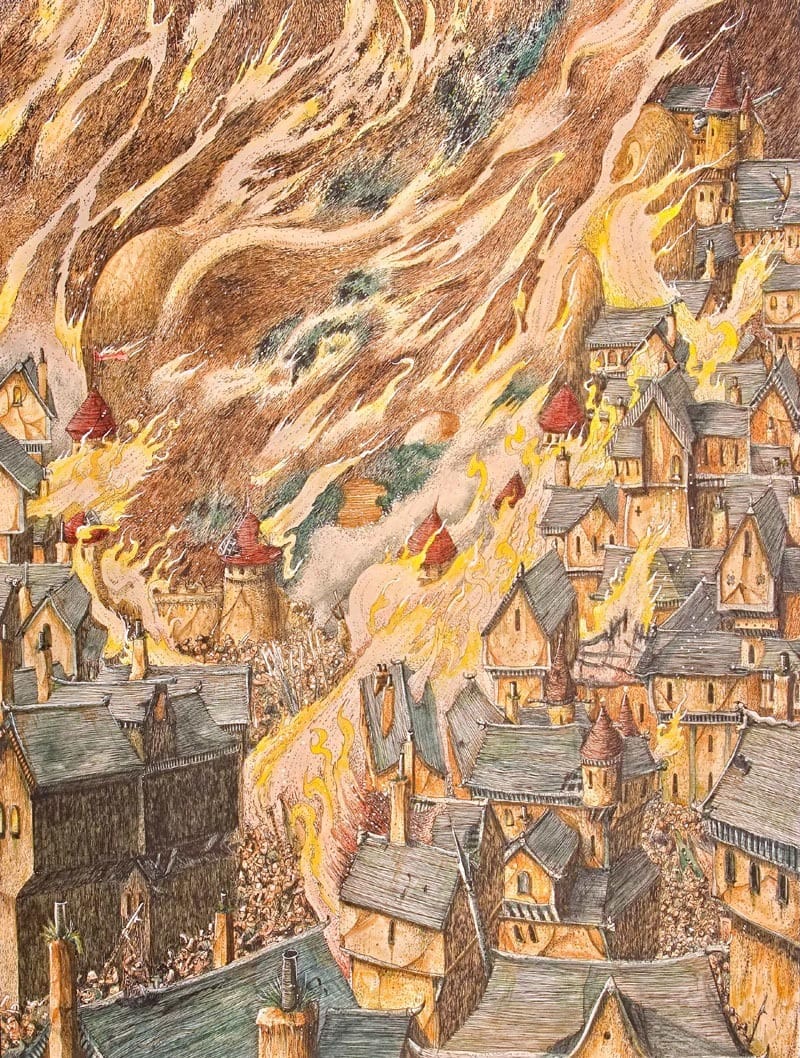
Rest in Chaos, John Blanche. See you at the Eternity Gate.
ITEM
Codex
Tell just one person that you liked this newsletter. Word of mouth, more than any other form of promotion, is how creative works get noticed and sustain themselves. Thank you very much for reading.
ITEM
The Editors
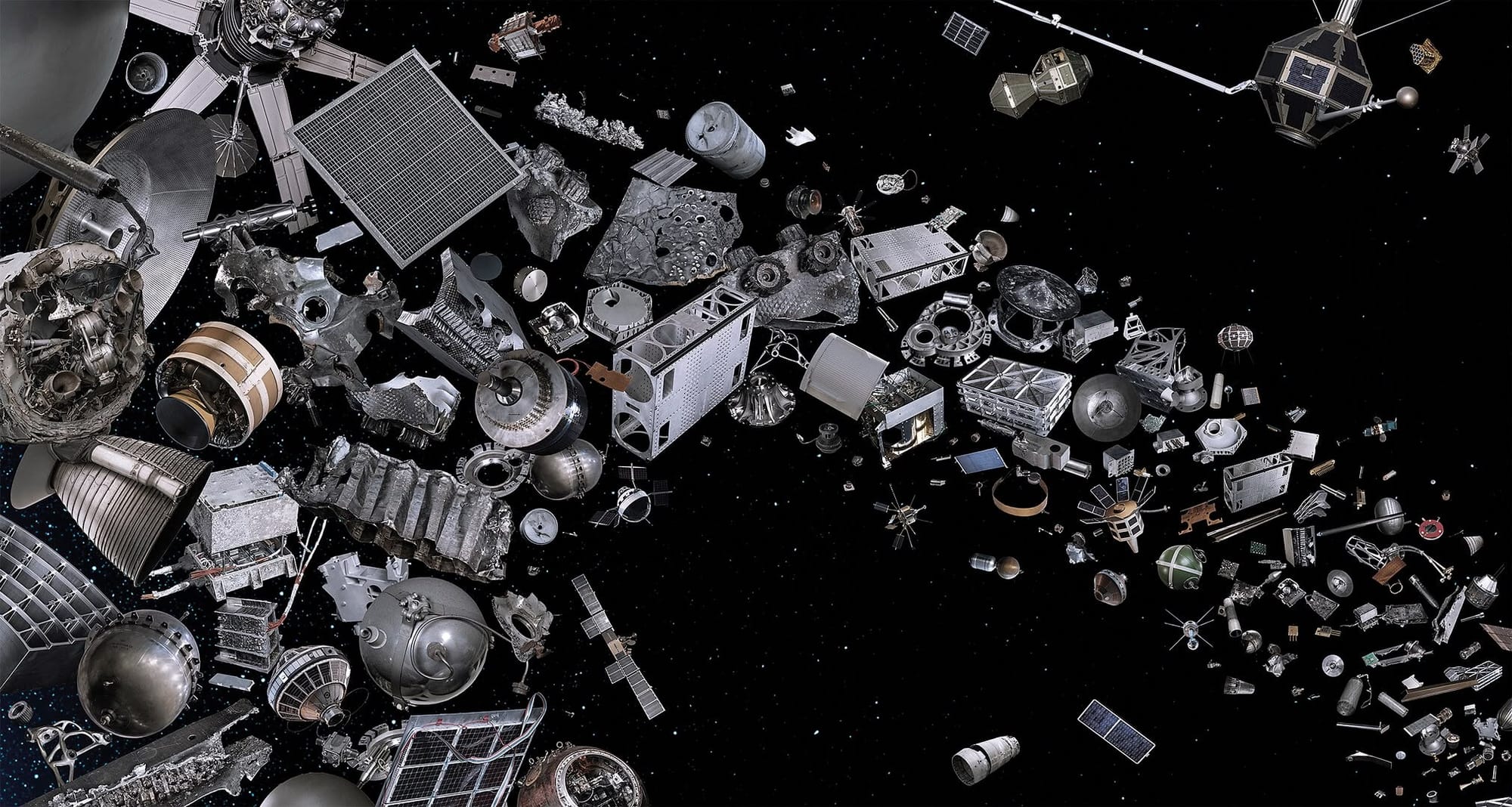
You stare at the numbers. Every sixth orbit a ghost deviation appears in the attitude data. Too small for the fault tree. Too consistent to ignore. But . . .
But what?
>
>
>
A break. Read the article. An old colleague from the 90s, a videogames artist, now a writer, links James Watt, Greek Thomson, Grant Morrison, Mark Millar, and you – dml - a games coder turned satellite pioneer. The editors he calls you. The ones who tinker with artefacts in order to make them better. Flattered. You liked that guy.
The nineteen-nineties. Arcade PCBs cracked open under a bedroom desk lamp. No schematics. Raw ROM. Sync signals. Blitter queues. Mapping sprite routines, stealing timing cycles, forcing games onto Amiga and ST through looking, learning, pure stubbornness.
Thirty years later, a clean room by the Clyde.
Telemetry scrolling.
Power curves.
Thermal margins.
Reaction wheels.
You stare at the numbers. Gyro drift. Every sixth orbit a ghost deviation . . . too small for the fault tree, too consistent to ignore. Like a sprite tearing at the edge of the visible frame. A timing conflict buried three subroutine calls deep. A machine emitting signals it refuses to name.
If you'd built it from scratch this problem wouldn't exist.
You stare at the numbers.
The article lingers.
Maybe it really is the same instinct across centuries.
Watt spotting the wasted steam.
Thomson dissecting the classical orders, reinventing them for Glasgow.
Morrison and Millar reverse-engineering superhero universes, remaking them for the 21st C.
You stare at the numbers.
Don't start again.
Tweak.
Improve.
The deviation appears on the feed again.
Brief.
Silent.
Don't rewrite.
Reach deeper.
Into the existing code.
Namco boxes.
Starlink.
What does it matter?
You stare at the numbers.
>
>
>
They look different this time.
ITEM
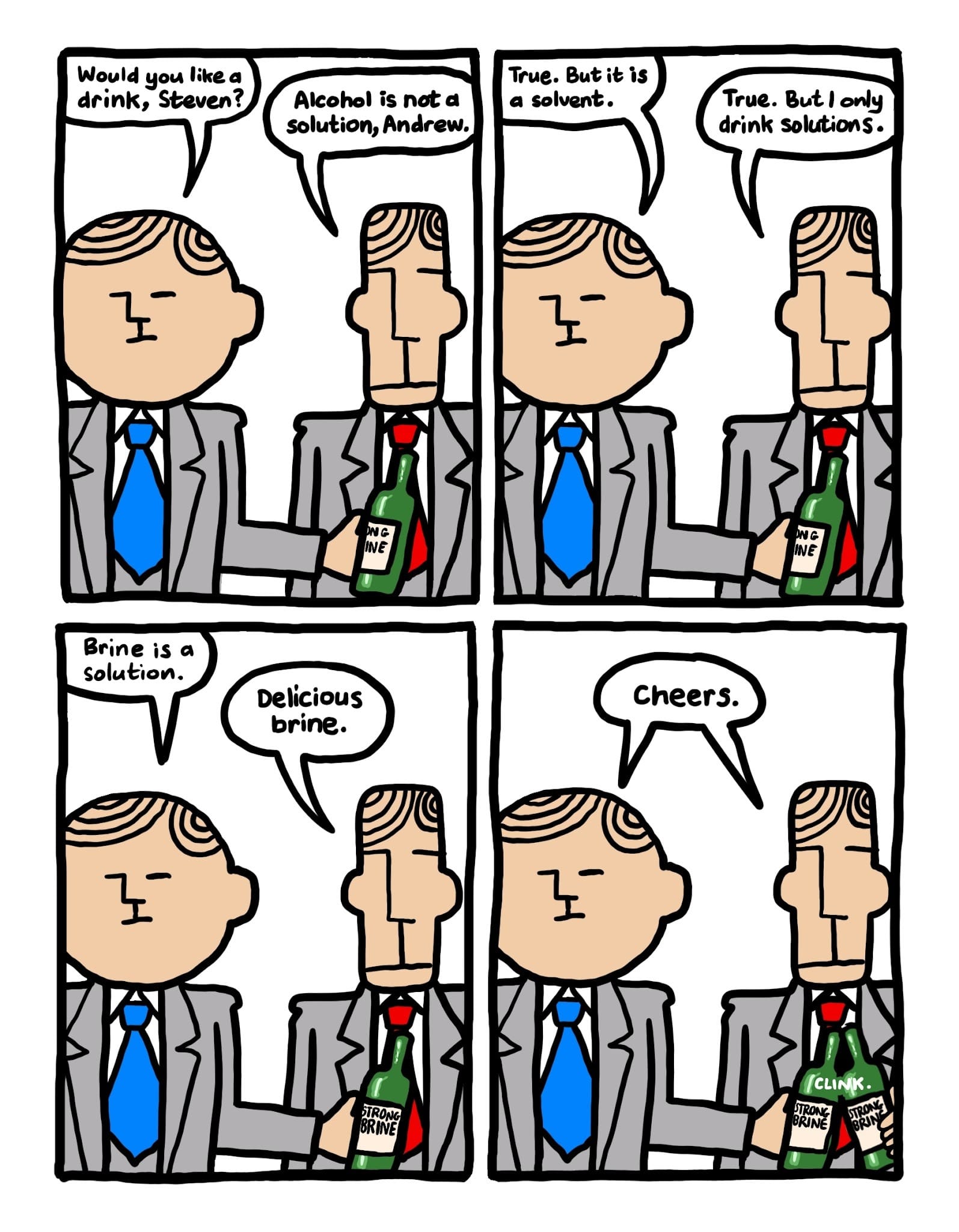
Andrew and Steven, Those Amusing Brothers
ITEM
Mind the Gap: Future Shocks: Eureka 2000ad Prog 325 (Moore, White, Frame)
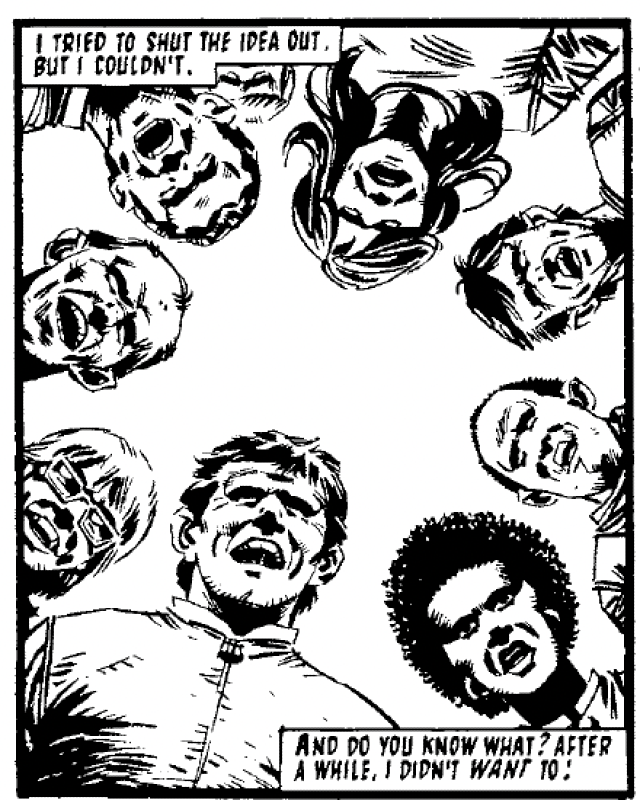
I’ve always been scared of possession. Moore’s Eureka is about a mission to find alien life by a crew of humans who’ve realised they don’t like each other, and they don’t actually know what an alien is.
Artist Mike White’s work was old-fashioned in 1983 but the dirt spattered fusion of classical sci-fi futures with characters taken from the dole queue and bookies rather than the glittering utopian bodies of Flash Gordon now seems prescient.
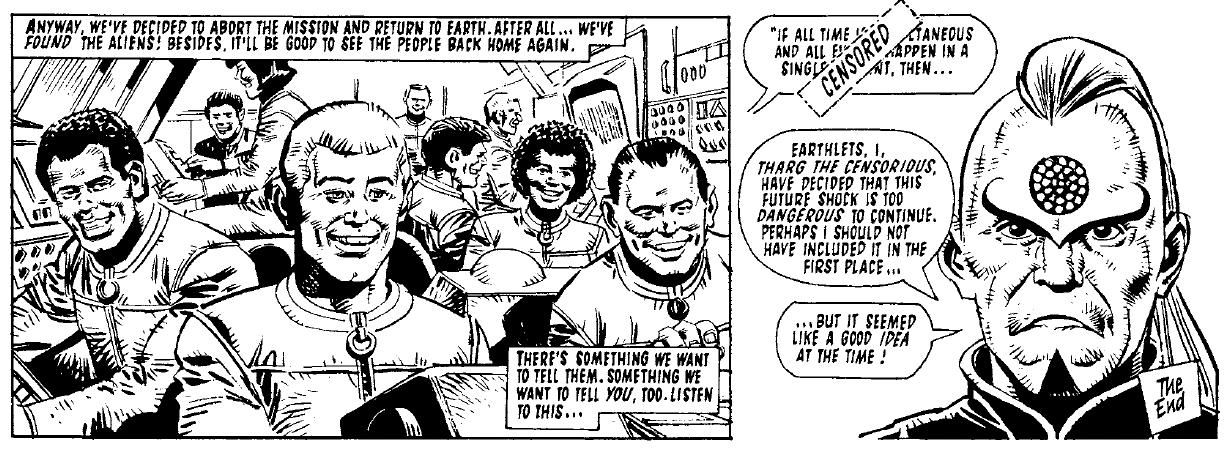
Kessler announces he’s made contact. An idea popped into his head that no human could conceive. An idea that is the alien. Our narrator Phil shuns him as crazy but Kessler, with horrifying permanent smile, shares the idea. And everyone who listens starts to smile too. Eventually Phil is unable to shut the idea out, his smiling crewmates chanting it in unison. The story ends with the crew returning to earth bringing the good news. Their attempts to share with us, the reader, is blocked by editor, Tharg the Mighty, censoring the message as ’TOO DANGEROUS TO CONTINUE…
Rereading the story in my 30s I realised I wasn’t reading the idea. My consciousness skipping over those speech bubbles, barely giving them eye room. I realised I’ve never read them. I didn’t know what the idea is, I’ve always avoided it.
‘IF ALL TIME IS SIMULTANEOUS AND ALL EVENTS HAPPEN IN A SINGLE INSTANT, THEN TIME IS BUT A FIGMENT OF MIND, AND…’
The alien idea is communicated in a 2D attempt to render 4D spacetime. A story that is aware of the reader's presence and attempts direct communication. Tharg’s intervention punctures the story, makes it ridiculous. But it also adds to its power, giving it a sense of propulsion. The comic happening to us in real-time, its publication inevitable, unfolding till it reaches the point it needs to be stopped. The idea is there. Trying to escape its 2D plane to get inside us.
ITEM
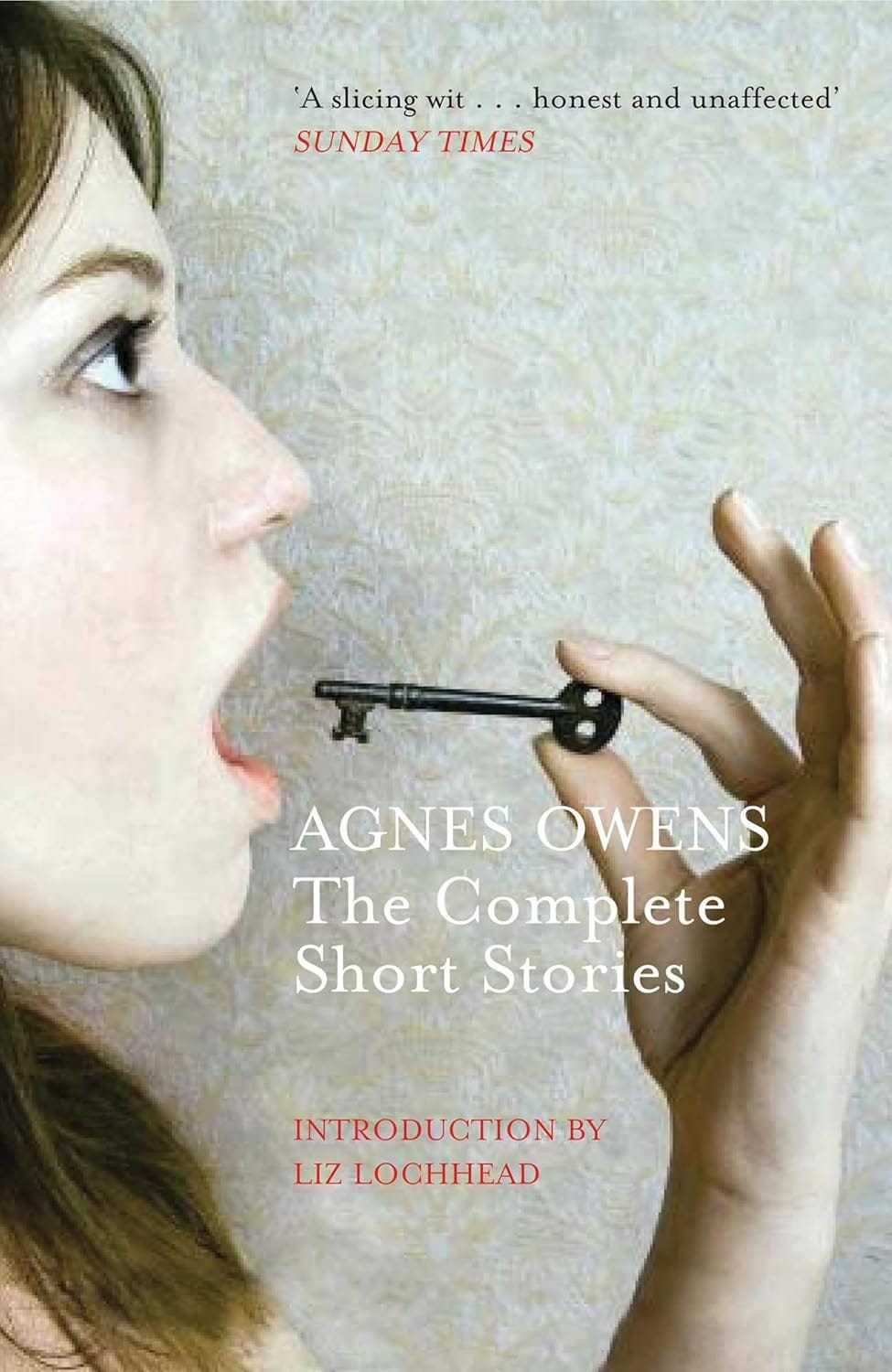
“Blood! Real blood!” - Getting Sent For (Agnes Owens, 1985)
Last time teaching was touted as a career choice the reaction was suitably childish: fuck would we want to go back there for? fuck would we want to do that to someone else? Older now, more comfortable with the idea of public service and official friend and respecter of teachers, the response remains the same. We’re not boasting so much as still learning our lessons, you understand.
Getting Sent For catches the jist of it. The scene is parental, the kid whose behaviour has lead to the meeting in question a bit player in the drama. Something true in the way the authority figure seems to be a machine for generating environmental effects. “’Come in,’ a cool voice commanded.” “The headmistress allowed a frosty smile to crease her lips.” “The light from the headmistress’s spectacles was blinding as a torch.”
What happens in this landscape is less easy to track. The dialogue is protean, the next shift obscure until it happens. A proviso about ‘potential’ added to the sentence “‘I wouldn’t say he’s clever’” leads to a brief assertion of nominative determinism: “‘Sharp by name, sharp by nature.’” The question of whether the boy is a liar means glances will be shot in the direction of who’s tidying what up when. A fresh playground scrap somehow undermines the authority of the school altogether.
It’s that sense of the headmistress as radiant cold front that hints at the reason for these transformations. A chaotic reaction to the outputs of a system that continues to demand factory floor discipline regardless of how many thousand miles away the factory is, or how automation might express itself now. The story ends on a rough punchline; then as now, our performance in the establishment does not dictate how we speak about these matters at home.
ITEM
Pebbles in the River
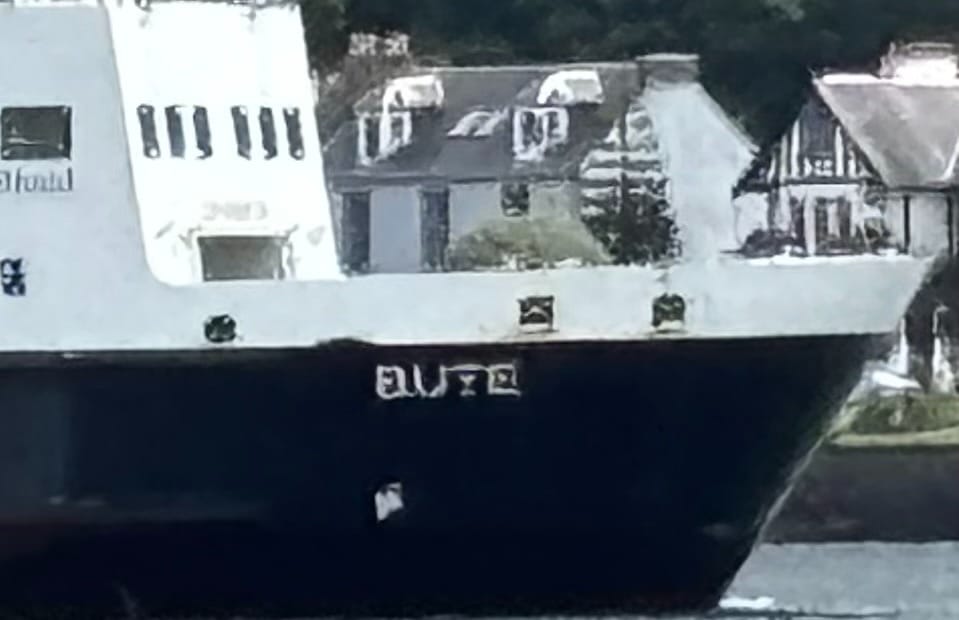
There was some confusion over the name of a ferry. We were looking at different parts and different texts. I zoomed in with my phone to try and photograph the name on the prow. My iPhone, presumably through some AI assisted bullshit transformed BUTE into a series of characters fit only for magikal practice or debate in the Lonnie Zamora case.
How can they do this to the tools we want to document our lives? To industrialise expression and idealise it. Like the way Hollywood dentistry has damaged how people think humans look.
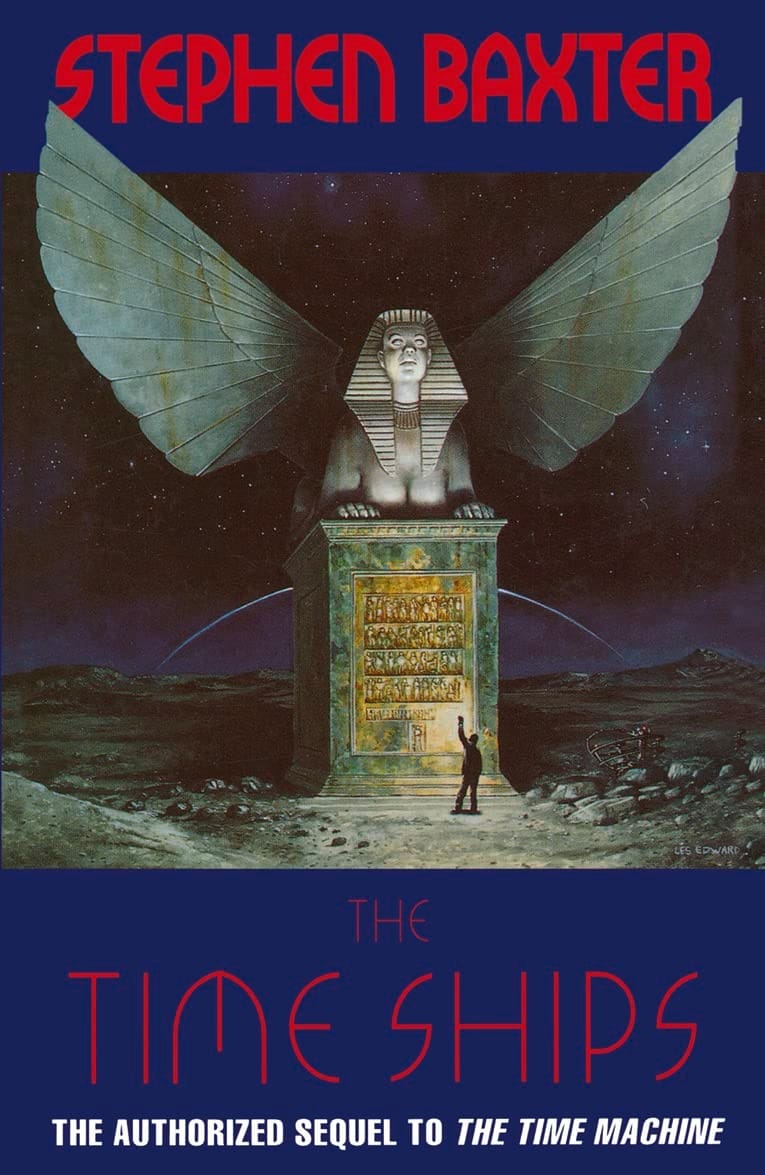
In Stephen Baxter’s 1995 sequel to HG Wells’ The Time Machine. The Time Traveller sets off to rescue Weena from the fate he abandoned her to, only to discover that future no longer exists. He dispairs that his actions have caused people to no longer exist. The new future has peaceful Morlocks living on the dark side of a Dyson Sphere, while the Eloi and their Hollywood teeth live in warring states on the sun side. Throughout his further adventures, the Time Traveller is accompanied by the Spock-like Nebogifel, a begoggled Morlock who explains that traveling in time creates branching parallel realities rather than overwriting.
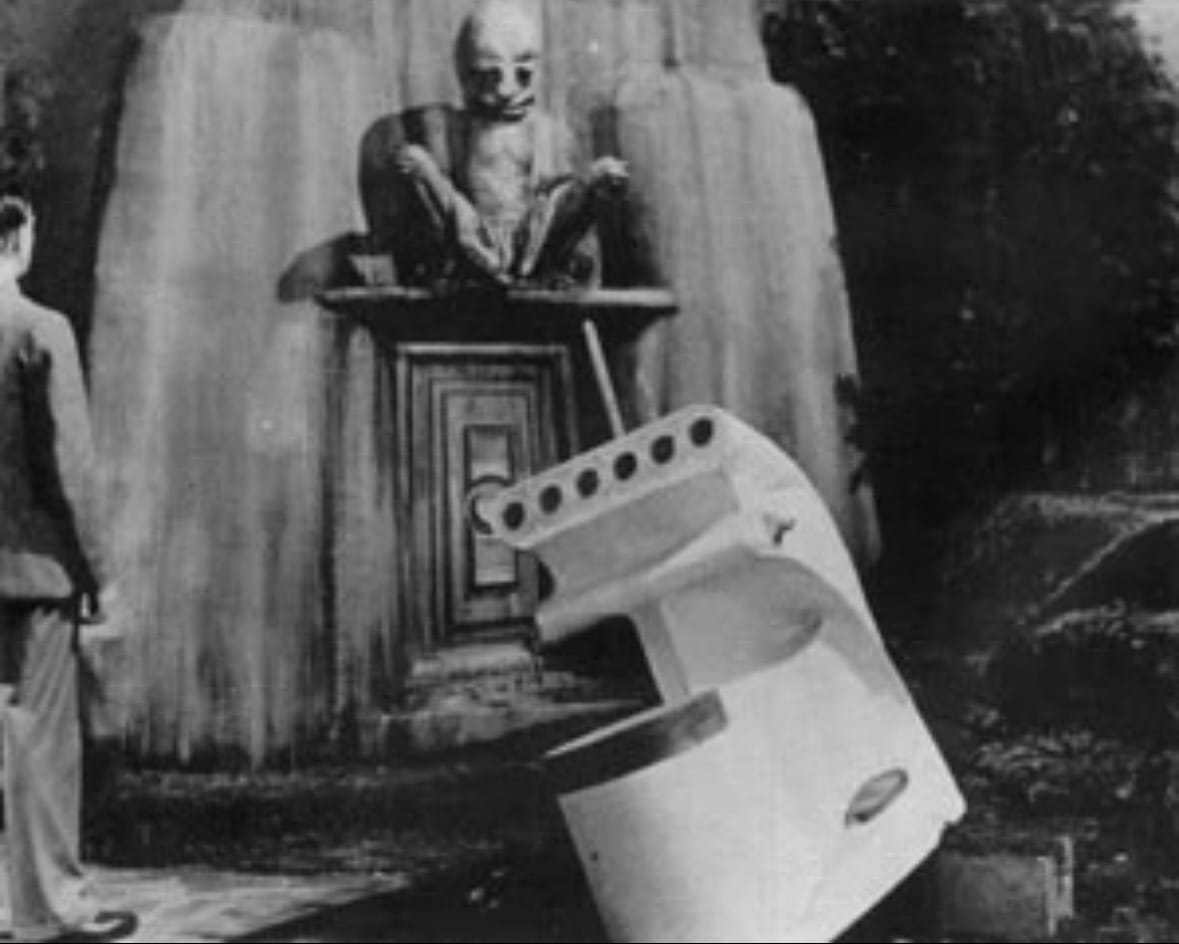
Looking up interpretations of the Morlock Sphinx, I came across a fascinating depiction apparently from the few surviving stills of a destroyed BBC version. Thus ever to British Time Travellers, eh?
I was struck by the fear that I was being duped by AI. The fear of our past being rewritten by a rogue machine grasped me, like cold devolved fingers.
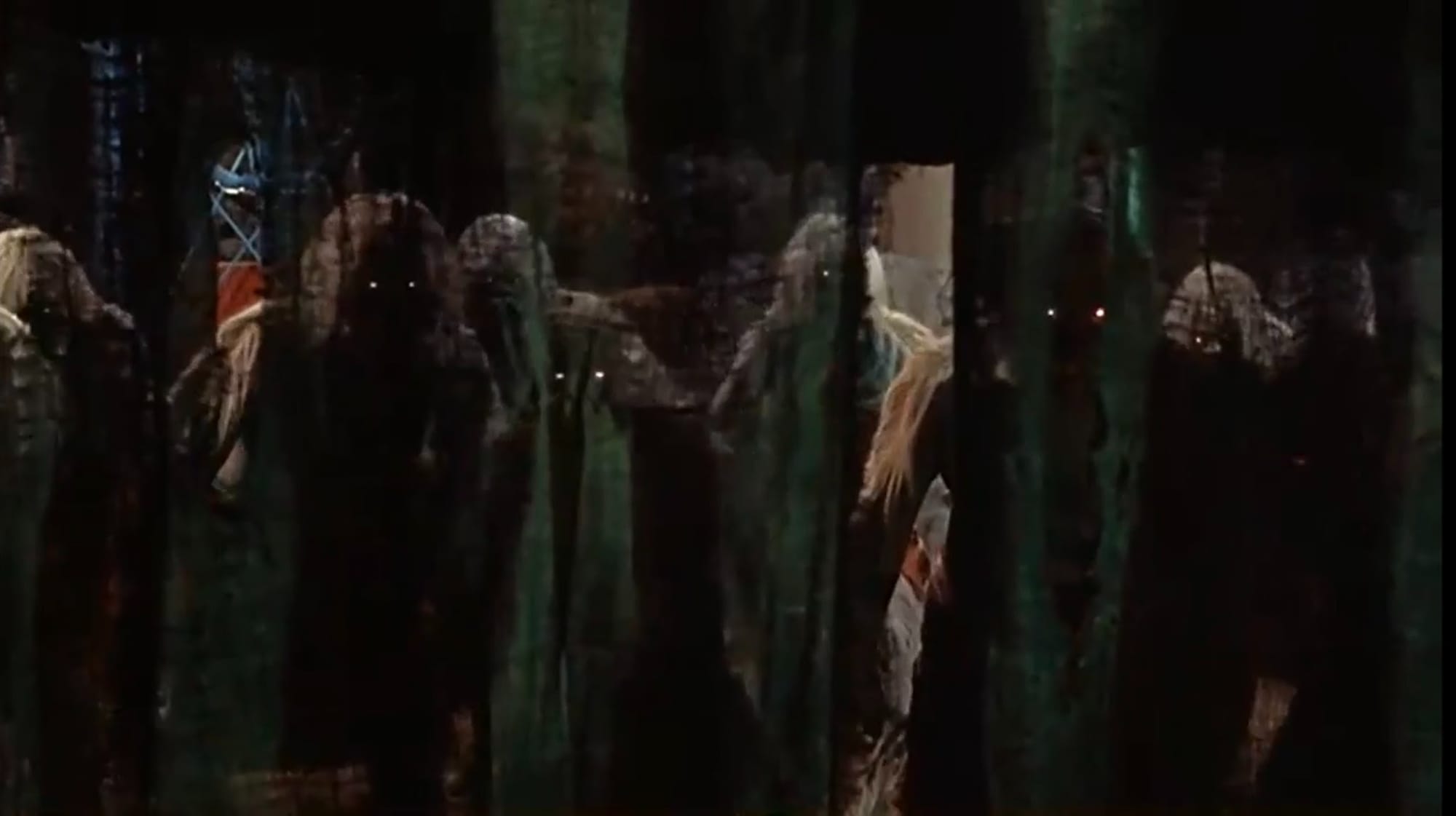
Sitting in Pollok Country Park, basking in the sun by the Burrell Collection reading the early parts of the book, I fleetingly felt very Morlock. With my uncool sunglasses, wandering past the restaurant where patrons ate pasta from fancy dishes in the museum’s restaurant, in contrast to my Tesco sandwich.
ITEM
MY KNUCKLES BLEEDIN FROM FLEEDIN DEMONS
That’s good, but
This is better
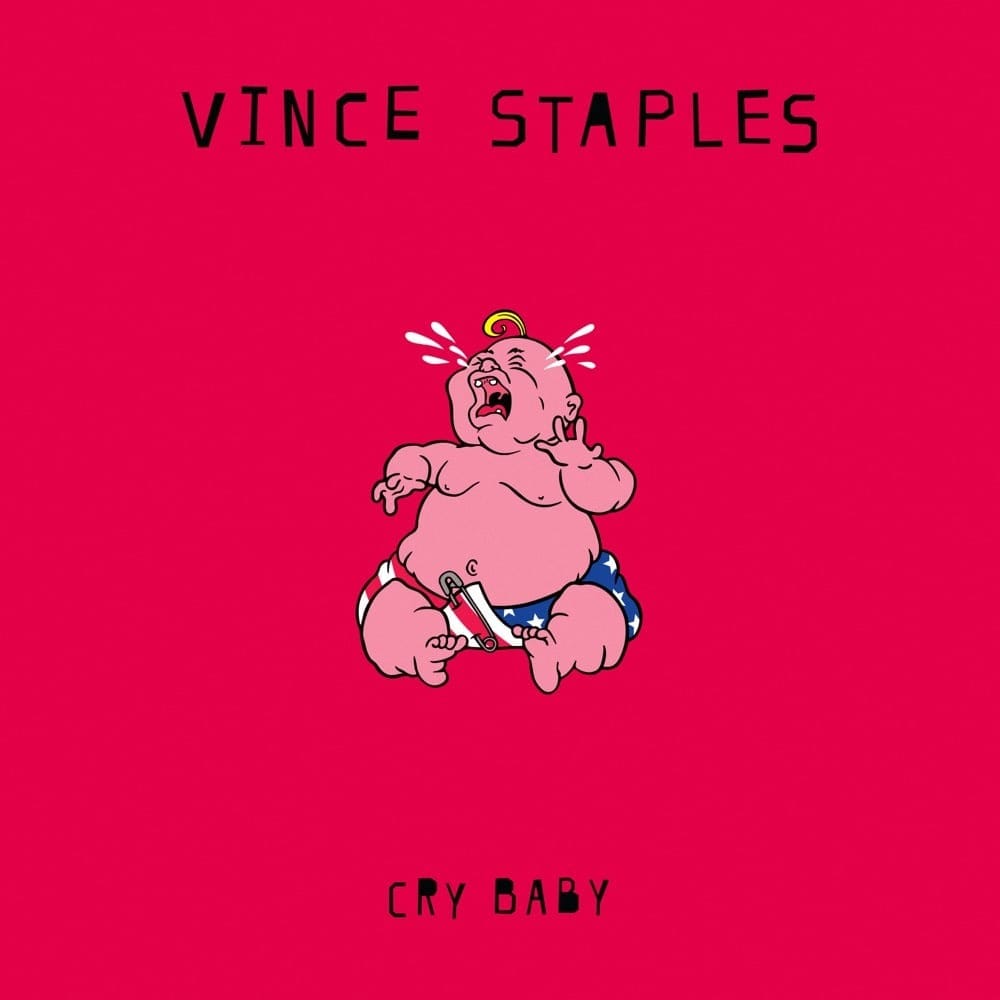
It’s good when folk ask you a question out the blue and you just answer without mediation or self editing, like who is your favourite rapper, as a young colleague of mine did last year; I actually didn’t know he was my favourite until someone asked. And boy do I back myself yet again hearing this heavily rock influenced - as Big Fish Theory was to dance so this to that, all broken grille truck bass as opposed to the Saints Row demolition derby machine that album, with its astonishing Kendrick/SOPHIE cofeature, was. The first two singles here preempted the tone of Charli XCX’ rollout(?), Blackberry Marmalade is to Rock Music as the more pensive cinematic Lana del tones of White Flag are to SS26. Disagree? Well, get your own column then pally
Blackberry Marmalade as well as being trenchant social commentary, every Vince song is that to the point it feels redundant to write, has a clever, funny interplay between the whispering bait of ‘it’s okay to say it/I promise I won’t tell anyone’ and the final line — why it’s almost as if he knows his key demographic is white men in their thirties and forties. It sounds like a broken pickup and it’s telling me America is a racist shithole, sold my man. I don’t think there’s probably a more astute cultural commentator going and he was amazing out the gate, turned down the Odd Future connect and made his own way, despite having a naturally OF name.
What particularly draws me to Vince is, I may have mentioned, there is a tone of hurt and disappointment - I can hear it in 070 Shake’s voice too, 21st century blues - the hope betrayed, it comes through strongest on Earth Science from over a decade ago and the (again) low end Codeine of - I still think probably this century’s best hip-hop LP, although he provides himself competition, Summertime 06’s title track which still cracks me up as much as it did in 2015 - “pick up the phone/don’t leave me alone in this cruel cruel world”
she did tho
ITEM
Dart, by Alice Oswald (Faber, 2002)
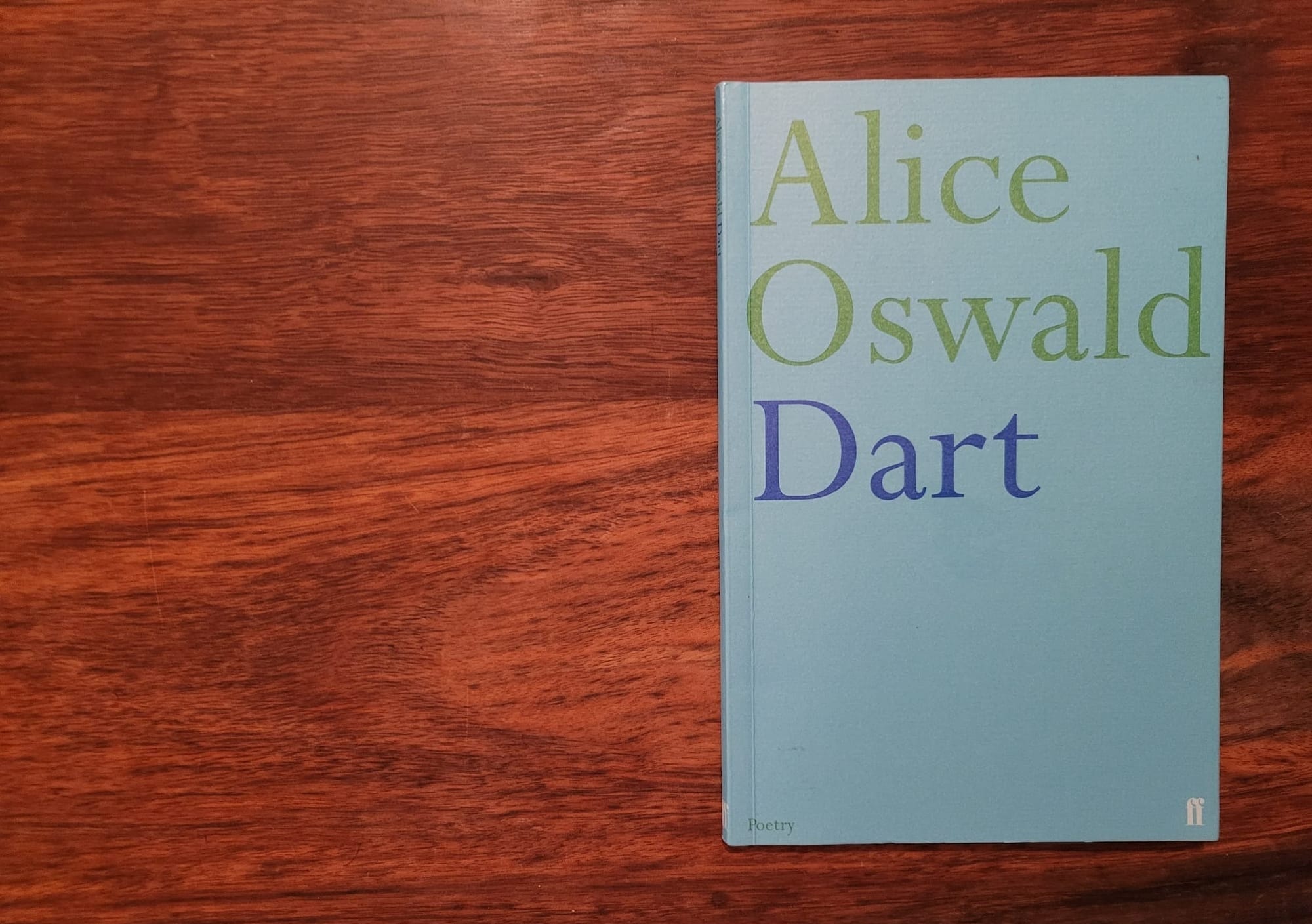
To recreate a river, water out of words, the cutters. More similar than they seem. When this world is gone and the next is being built, tomorrow’s insane god will need precise blueprints to remake the treasures of before. The Dart is Britain’s first mouth, full of spit and teeth, where Trojans landed, bringing culture and our history of ruin to an island set in its silver.
Upstream, the river grows throat and larynx, forcing words into the vivid but insubstantial beings who negotiate its meanders. Oswald spent years walking the banks to collect its voices onto paper, then paring the words against the rocks, shaping them into something else, letting out their light.
The liquid shadow is cast onto a plane we can’t see, perpendicular to time, turbulent and obscure. The language of the people who share blood with the river, live and die there, can be, for a time, the legitimate channel for its expression and keep its word. But we can only ever see as far as the next bend before us, and to claim its sense for ours is to invite disaster. Beneath them, silted, are the diminishing testaments of those ancestors who worked the traditions now only left in remnant, or deeper down those who died in the river’s embrace.
Water is the great intelligencer, entering into mineral conspiracies to structure and organise the material layer over the imaginal layer, immersing the bodily substrate, fresh as a drowning, warm as moss growing on bones. If the river will resist legibility and hold secrets its inhabitants will never drag into daylight, its energies can still produce great swells and torrents, sinuous and transporting. The poem, river-words, bound by human lifetimes and perspectives, condensed bolts of talismanic essence, rushing through your hands, wet and alive.