Everything we have experienced on godforsaken Sunday afternoons
Animal Man. Minions & Monsters. Andrew & Steven. ABHOBC: Deadline. Planks Constant. The Horned God Part Four. Patrick Keiller.
ITEM
“I’m realistic! This can’t happen to me!” – Animal Man #1-32 (Grant Morrison, Peter Milligan, Chas Troug, 1988-1990)
It’s been a time for medical tension round these parts. The sort of week where you give yourself the matchstick treatment to make sure you don’t miss a crucial message.
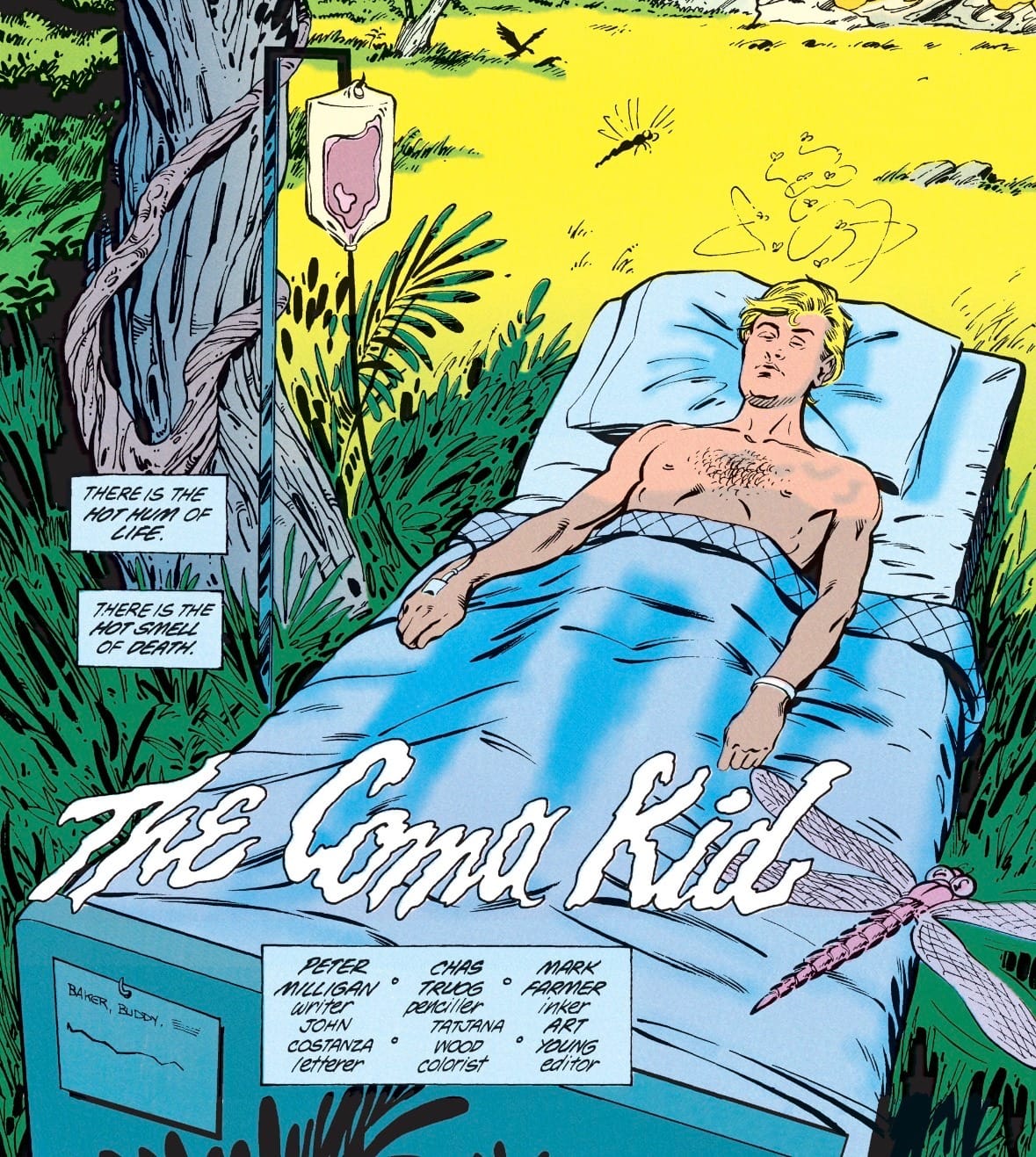
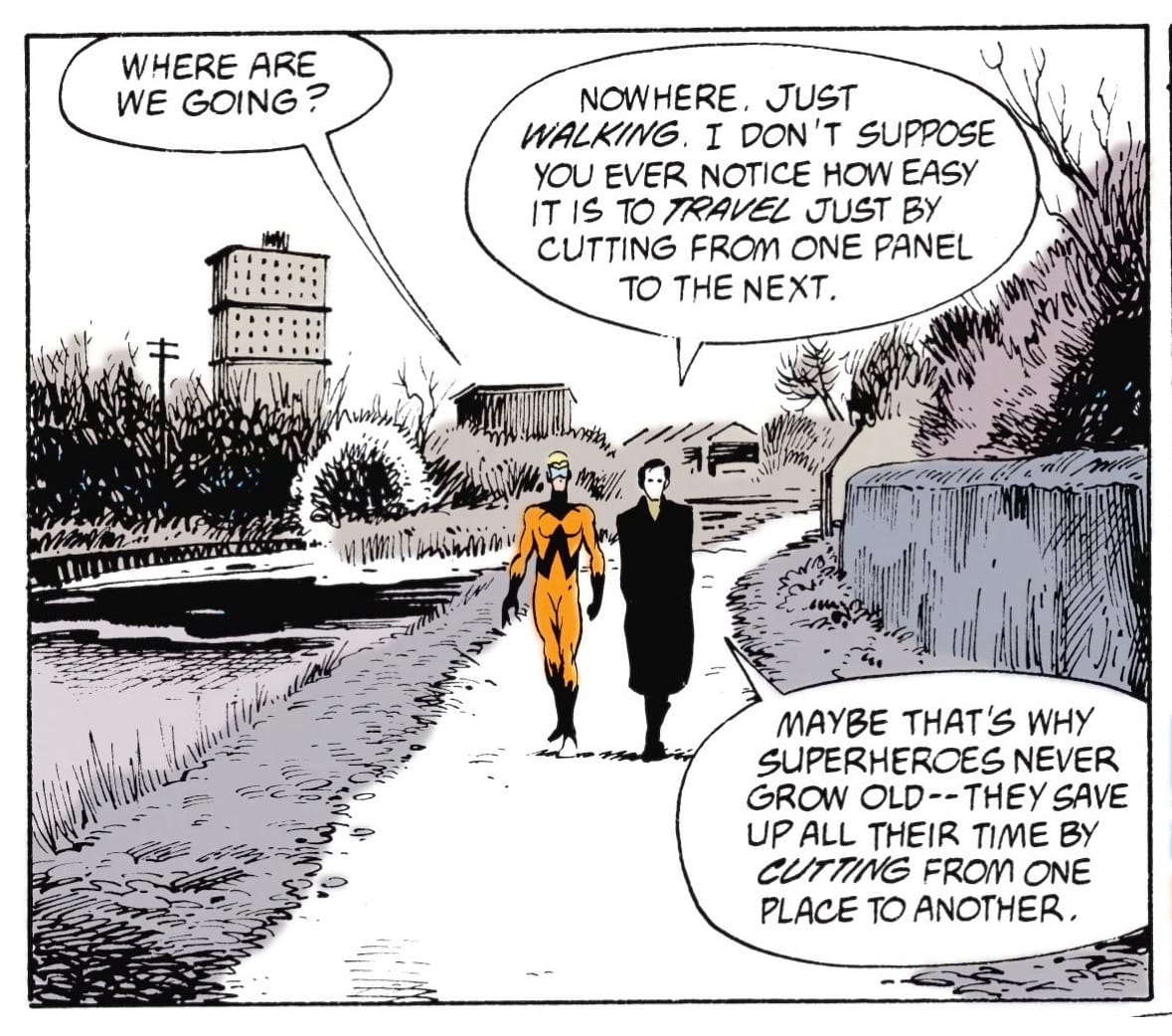
Can’t stare at the phone all day so I’ve been trying to walk a bit, catch some other thoughts. Problem being that I’m sick too. Stomach pains. Fever. Unspeakable emissions. Not the most serious case on the docket but still one you can file under “Potentially life changing”.
Want to get from here to there without straying too far from the shitter? Nae tother a baw big man, we have the technology!
Time for a brief detour through the old home town!
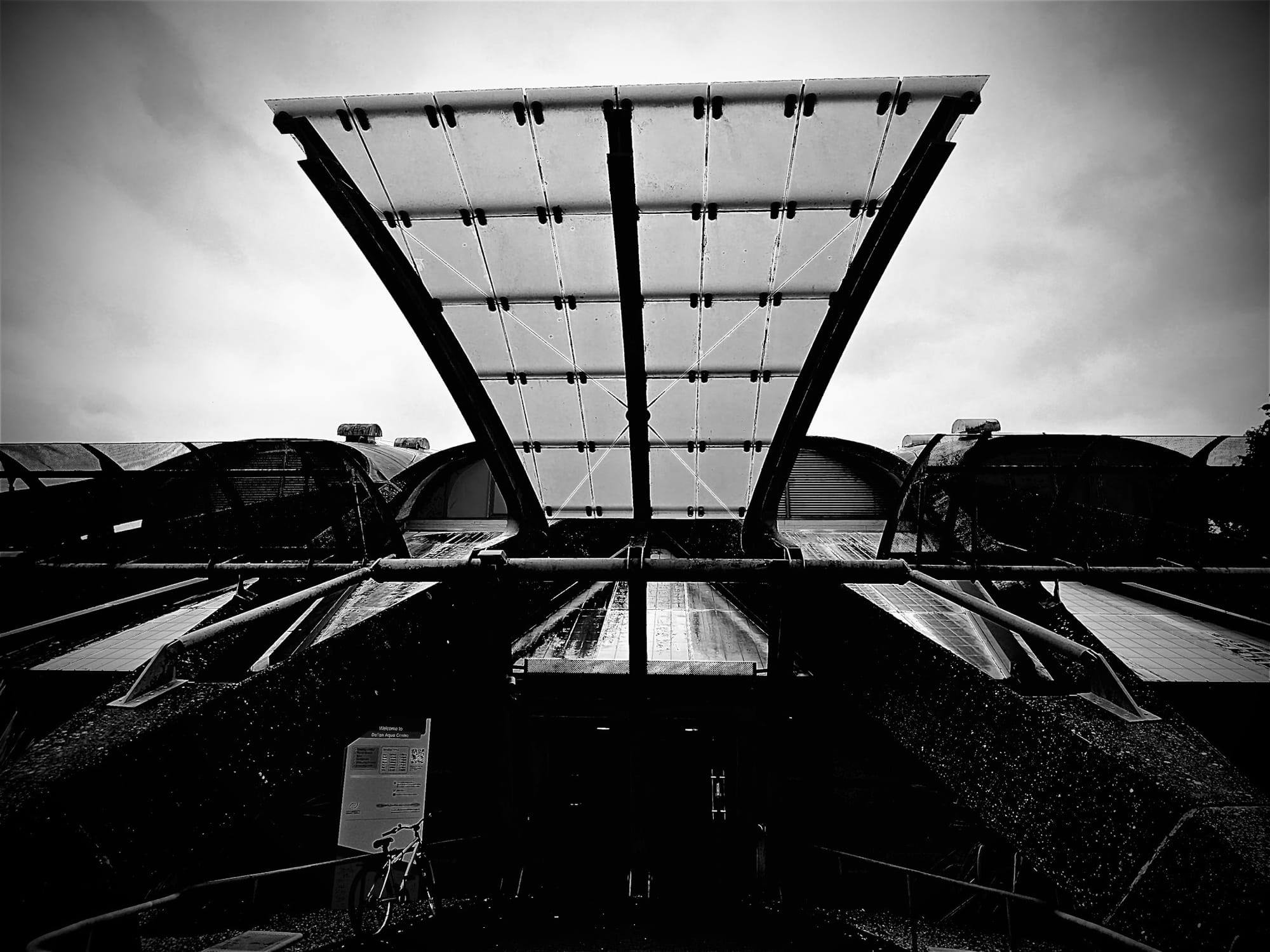
At the risk of ripping off The Pilman Radiant (issue #64, MO fans!) a lot of my past has been demolished but the thing I’m saddest about is these sculptures, which used to sit in EK town centre but now live down the bottom of a hill near the Dolan.
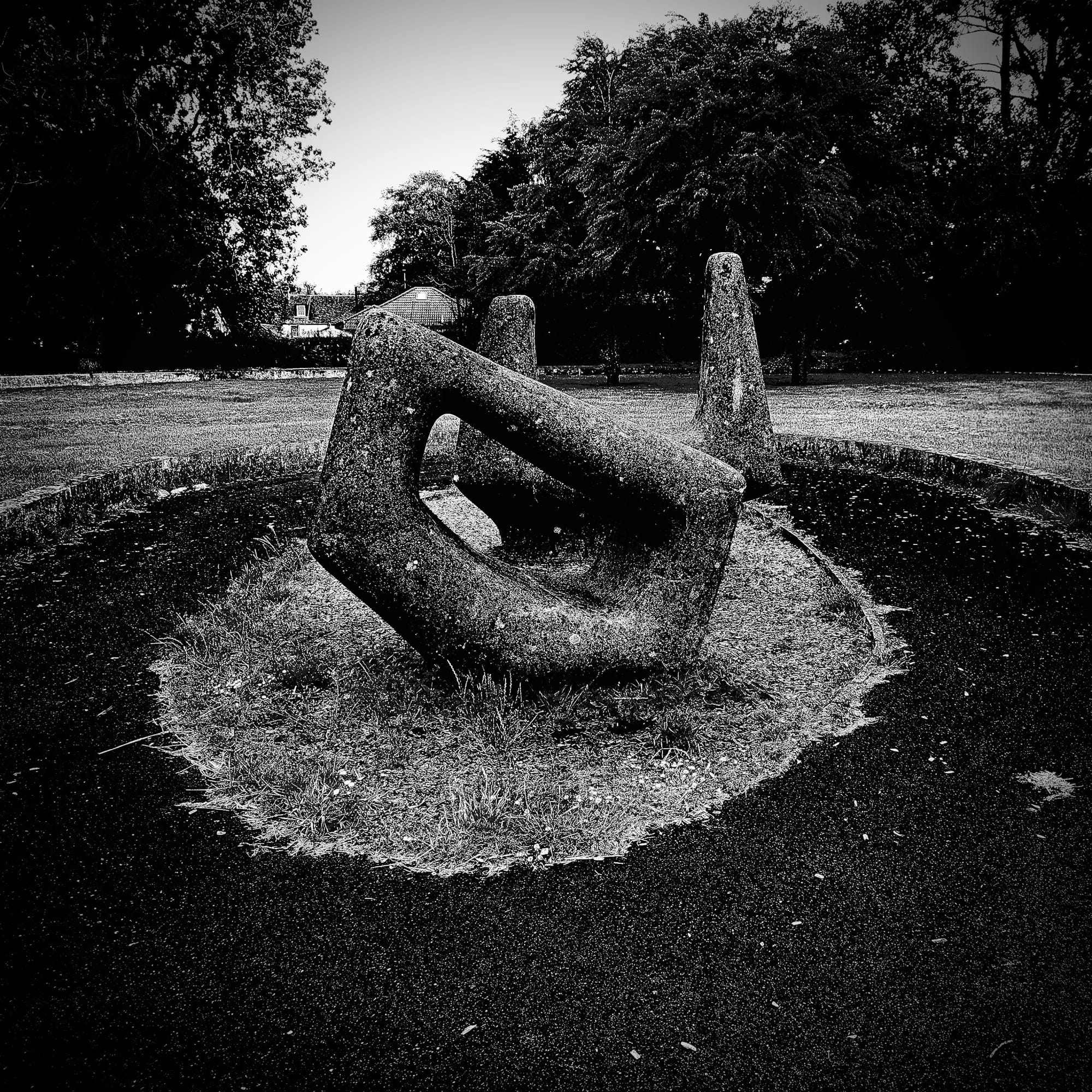
Something about those little flourishes of mid 20th century communal exuberance being sidelined in favour of empty car parks – just a wee bit on the nose. Now I’ve no sympathy for self-terrified conservatives but I can understand feeling lost when certain landmarks are replaced by a drive-through vape shop. Petty manifestations of a broader tendency, the sense of life receding made not just tangible but tacky.
Thankfully, we have other options beyond haunting our own lives like old graveyard ghosts.
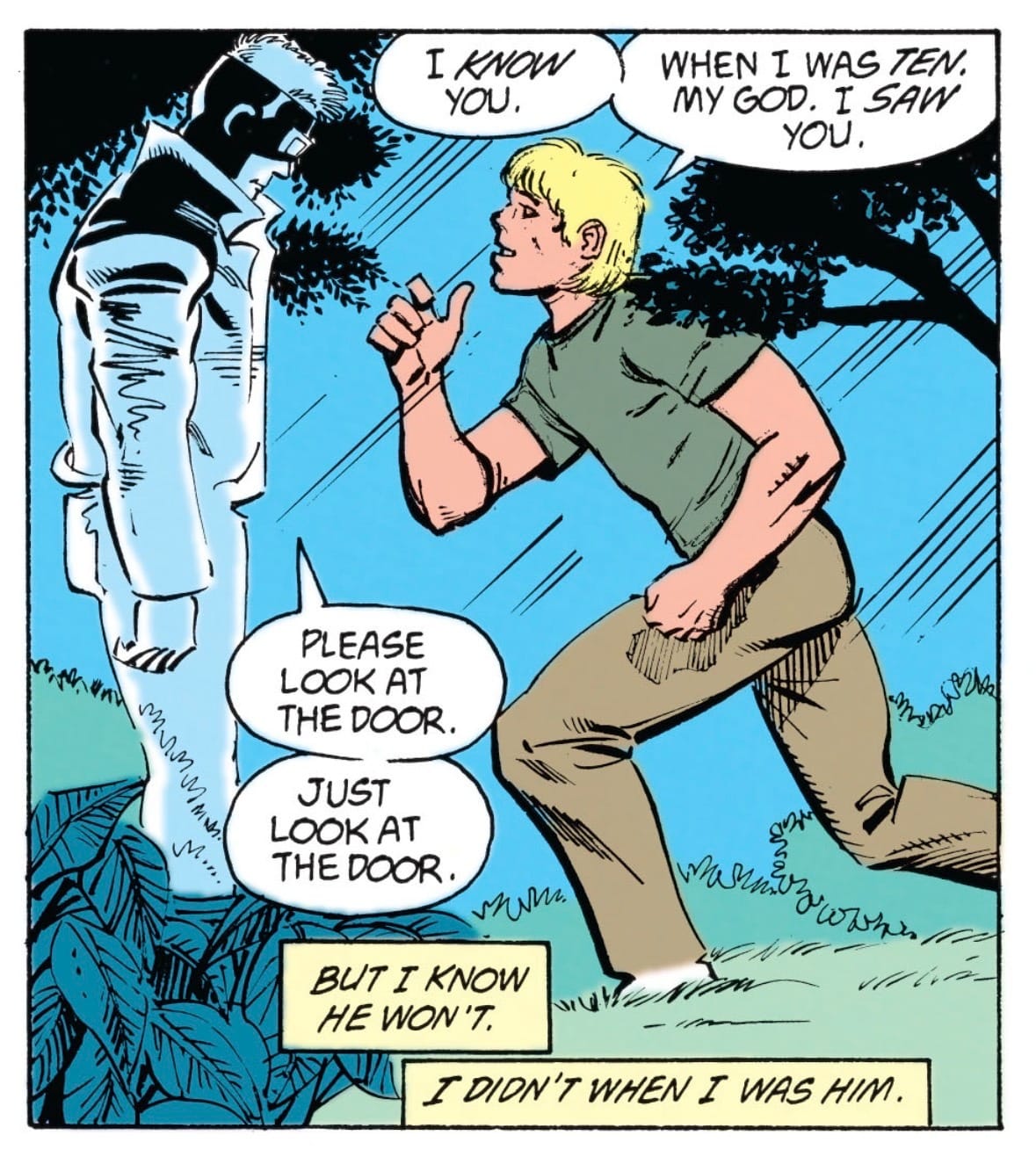
The things that are coming closer can look dispiriting, knackered knees and “fully functional” Funkopops now the least of it. Step outside the frame and flip it around though: see how often the need for care is matched by the offer of care from all around.
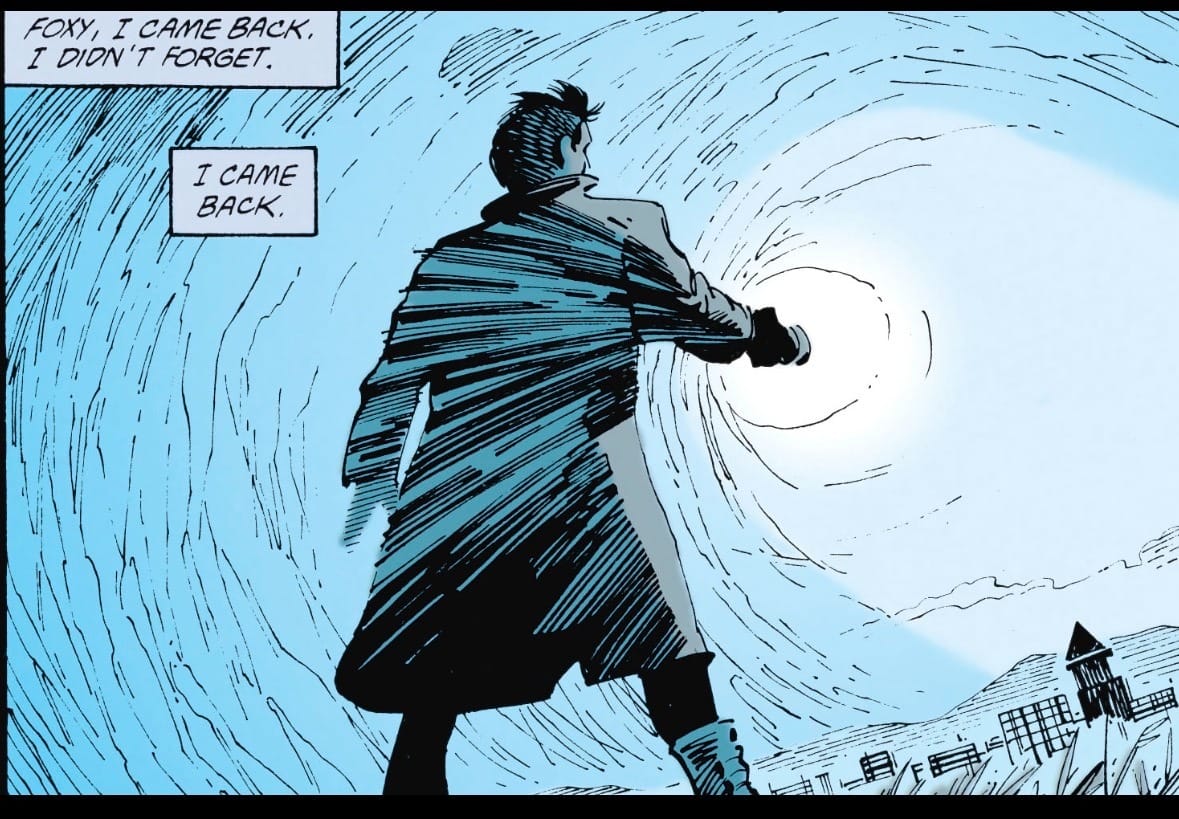
Signals in the dark won’t light up the basic questions, the whys and what’s it all fors. Still, sometimes they’re useful anyway: invitations to love and be loved, to stumble along new paths together until it all whites out.
ITEM
ELDER GODS FOR THE UNDER-EIGHTS
No, I haven’t read Alan Moore’s Providence but I have just watched Minions & Monsters, a thoroughly enjoyable explosion of manic, digital slapstick. The ubiquitous, yellow agents of chaos reach early Hollywood, with many witty and overly rendered nods to Chaplin, Keaton and the other greats of silent cinema.
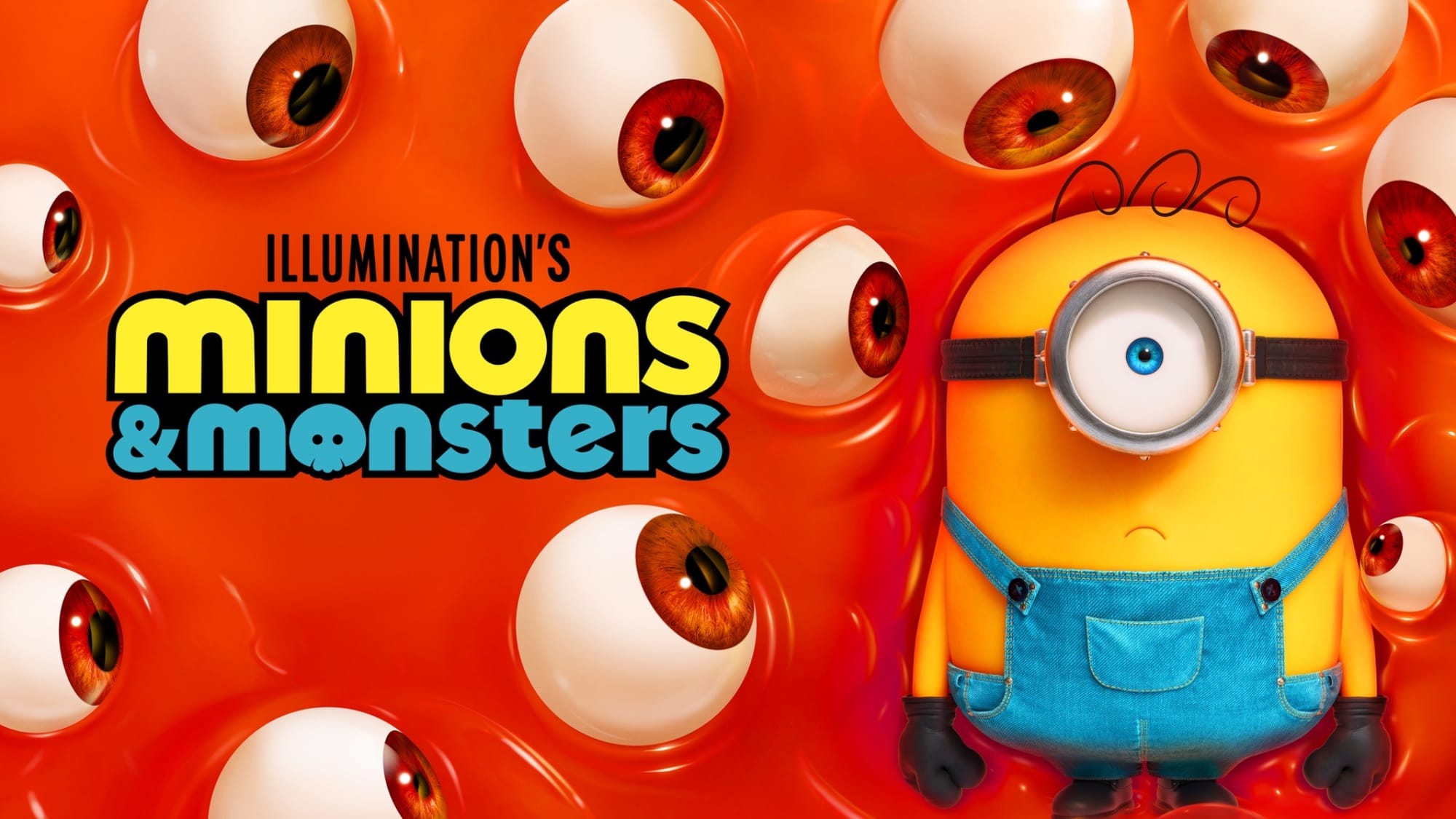
Then (bear with me, and indeed SPOILERS!) they conjure a pint-sized, cute Cthulhu from a diabolical grimoire, who in turn tricks them into waking two more Lovecraftian Old Ones and summoning a world-ending, multi-eyed horror. The momentarily discombobulating site of a minion being chased through a cityscape by a gelatinous, many-eyed spawn of Azathoth immediately subsides into the recognition that this is now completely prosaic.
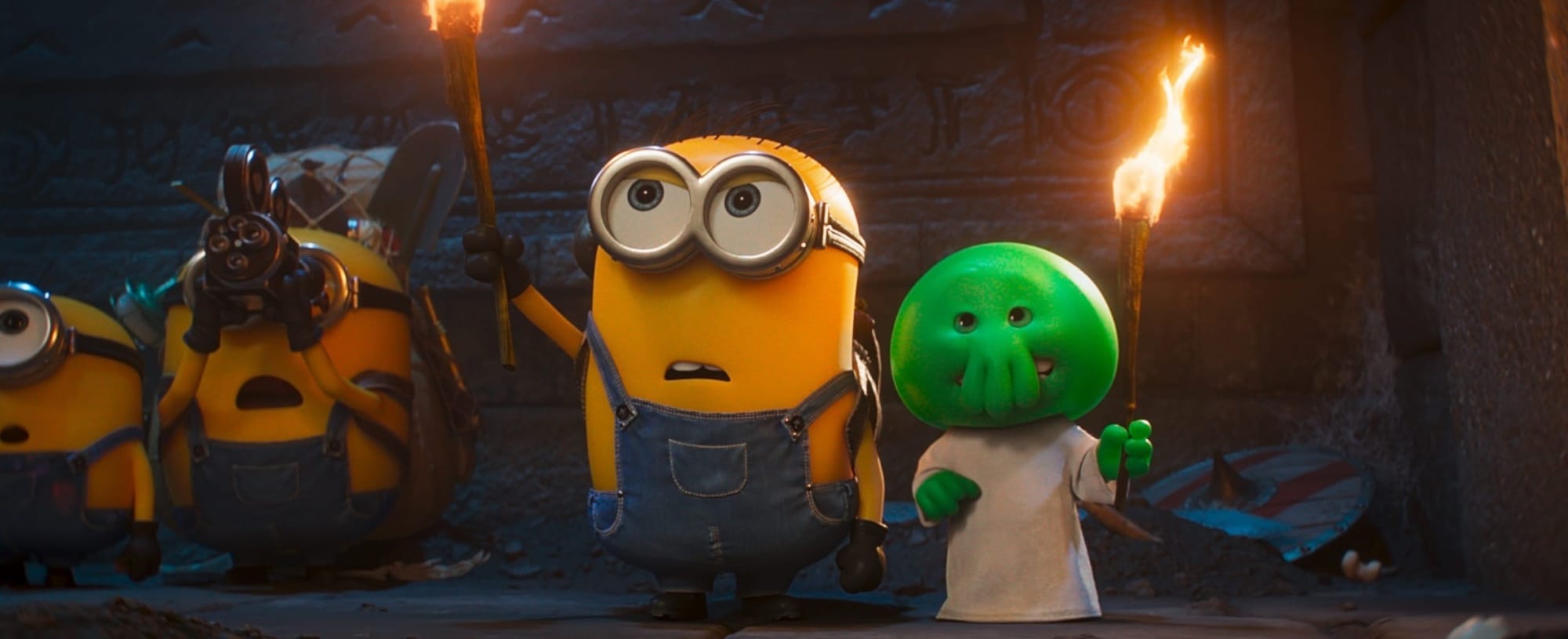
Lovecraft is now the culturally normal depiction of grand-stakes, apocalyptic peril. This is, of course, partly a result of our more secular culture (or at least, in America, the liberal, movie-making bit of it). Where once Hollywood conjured devils and demons in the register of Christianity, now our kids are treated to elder gods waking from aeons-long sleep and tentacular, teethed sphincters emerging from cosmic rifts.
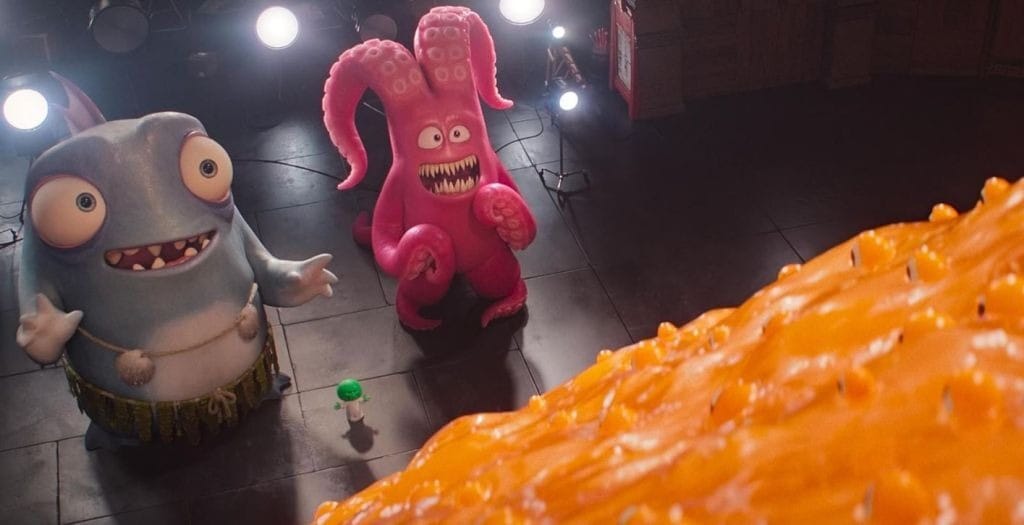
I get where this stuff comes from, but why has this weird shit stuck in the public consciousness? I don’t think its a cultish, apocalyptic conspiracy but maybe it amounts to the same thing. Lovecraftian horror is that of cosmic indifference - these ultradimensional beings are cruel but ultimately indifferent to our suffering as they blindly consume. We no longer tell ourselves a story of good and evil but of cosmic destruction by senseless, rapacious organisms, of vast, autonomous and amoral entities. As faceless, multinational corporations literally boil our planet, each multimillion-dollar, corporate cartoon holds up an unconscious mirror to our situation, glimpsing its multi-eyed, insane reflection in the digital froth.
ITEM
Banana
Tell just one person that you liked this newsletter. Word of mouth, more than any other form of promotion, is how creative works get noticed and sustain themselves. Thank you very much for reading.
ITEM
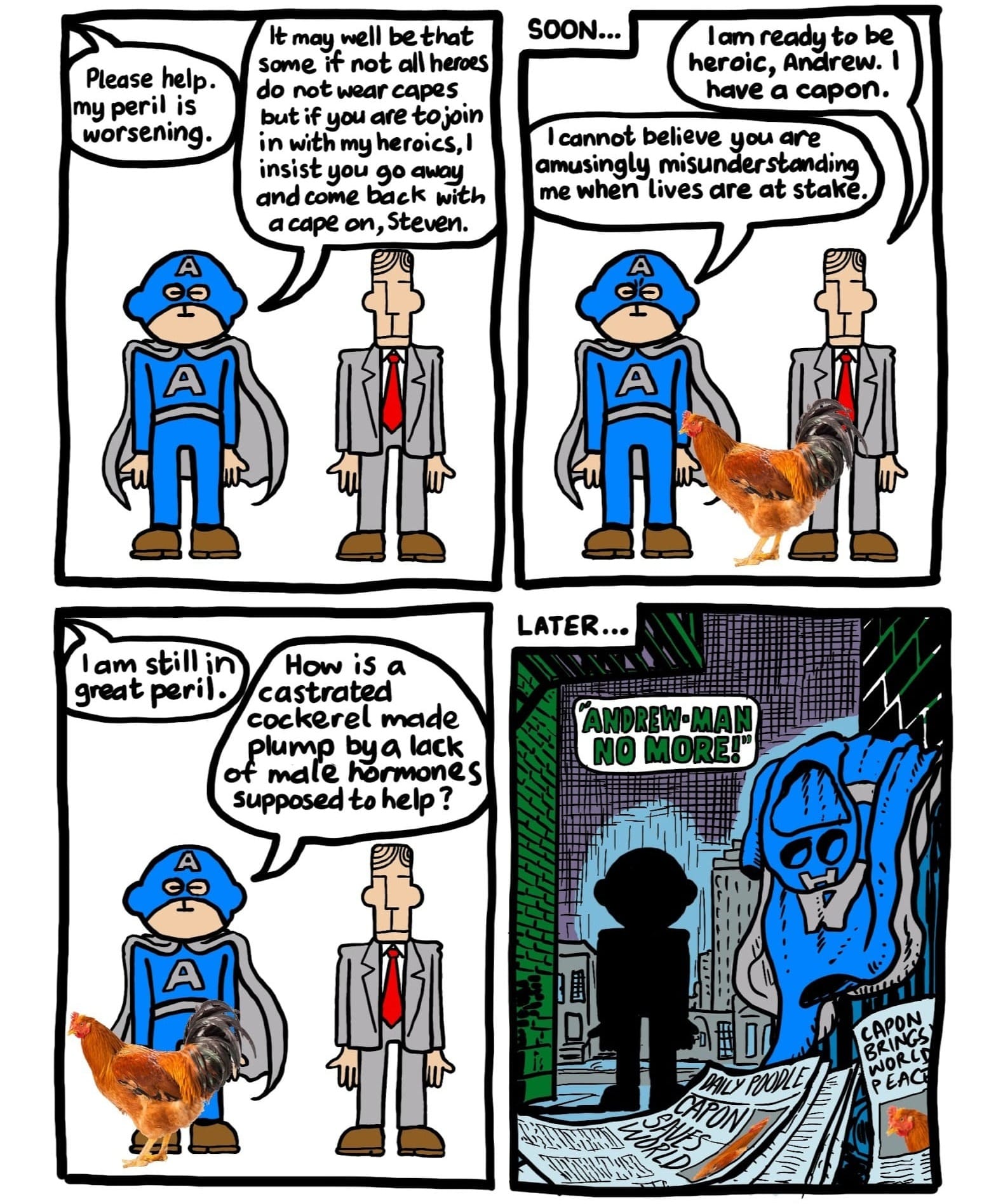
Andrew and Steven, Those Amusing Brothers in We Could Be Heroes Part 3
It’s finally here! Hold onto your shits ‘cause you’re gonna totally lose ‘em as you experience the Earth-shattering conclusion to this heart-stopping tale! After today you shall forever exclaim, “MAKE MINE MINDLESS!!!”
ITEM
A Brief History of British Comics
26: Deadline
Publisher – Deadline Publications Ltd
Oct 1988 – Oct 1995
71 issues
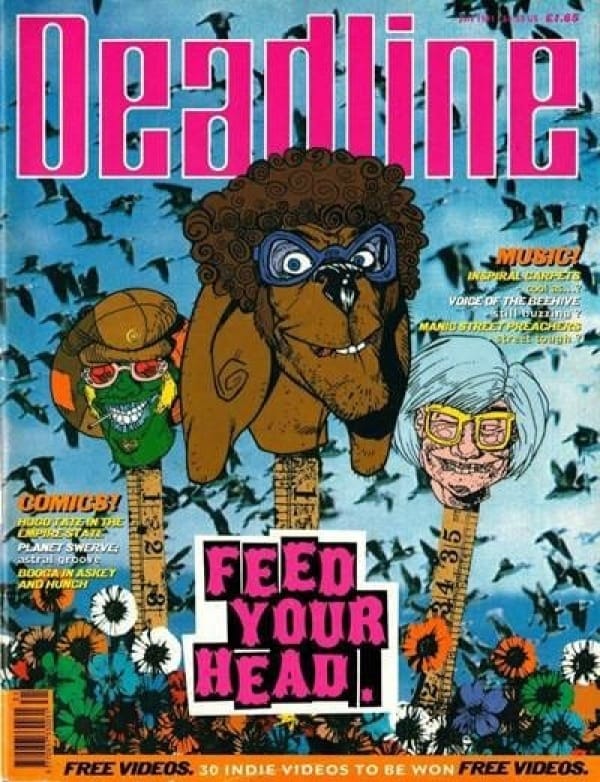
Deadline is summer.
Fucking up your final A-Level and getting the train to Glastonbury the same day, travelling with ebulliently drunk, euphoric strangers.
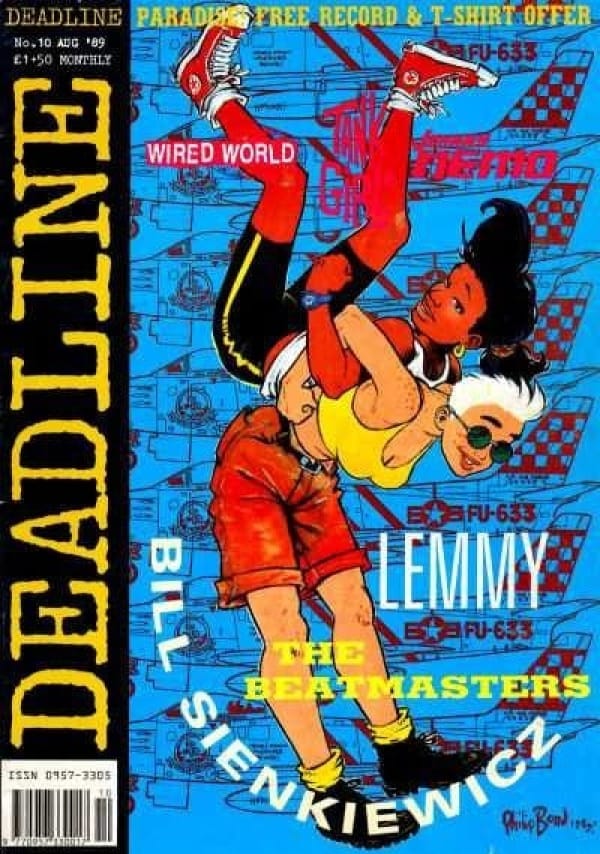
‘Wired World’ - Philip Bond’s cool and chunky artwork depicting the whimsical magical realist dole adventures of Pippa and Liz. Girls like the older sisters, or friends’ flat-mates you wanted to hang out with, secretly fall in love with.
Lying in the grass, tripping on microdots, hiding from aliens and watching shooting stars criss-cross the firmament.
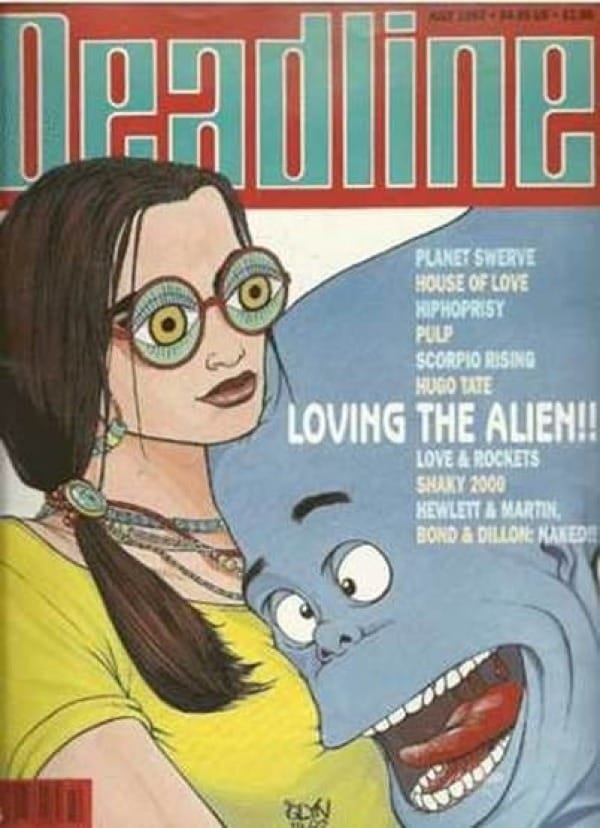
‘Fireball’ - Jamie Hewlett’s insane paean to Hannah Barbera’s Wacky Races, shot through with lysergic frenzy and tin-pot surrealism. Confident, flaky, fucking gorgeous.
Walking home from the pub via the back lanes, drunk and crying that she didn’t want you, but secretly exhilarated that you knew what lust and longing was for the first time.
‘The A-Men’ – the jagged otherness of Shaky Kane; mad broadcasts from a distant satellite that erupted the synapses. Club-projection cool, mixed with sweet pop-cultural fetishism.
Waking up after a night of drinking in the woods, greeting the cresting dawn as we walked through the fields, jeans drenched with early morning dew.
‘Hugo Tate’ - Nick Abadzis depicting the confusing onrush of adolescence into adulthood, with beautiful cartooning, a lightness of touch and a truth of heart.
Going to Cornwall with a tent, some drugs and the loosest plans. Camping on the side of a cliff and reading Alice in Wonderland as I come down in the bright blue morning.
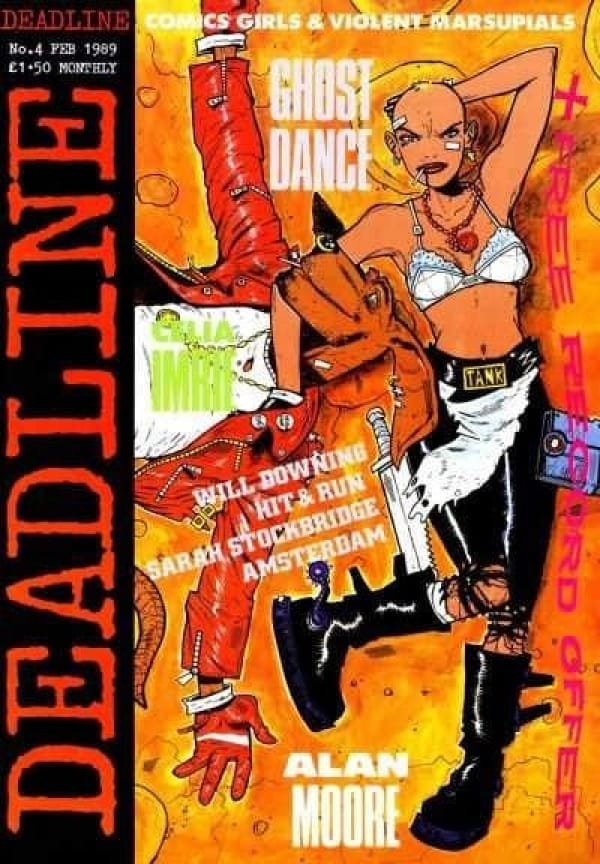
‘Planet Swerve’ – Alan Martin’s obtuse psychedelic sci-fi with feckless art students adrift in space and the exquisite indie-band cool of Glyn Dillon’s art.
Comics made by people doing the same things as you; schoolbook doodling taken to an elite level. Band-names scrawled in panels; mixtape comics.
Fucking ‘Tank Girl’.
Deadline is summer. It always will be.
ITEM
Planks Constant
ITEM
The Horned God (Pat Mills, Simon Bisley)
Part Four: We have the weapons but we cannot use them
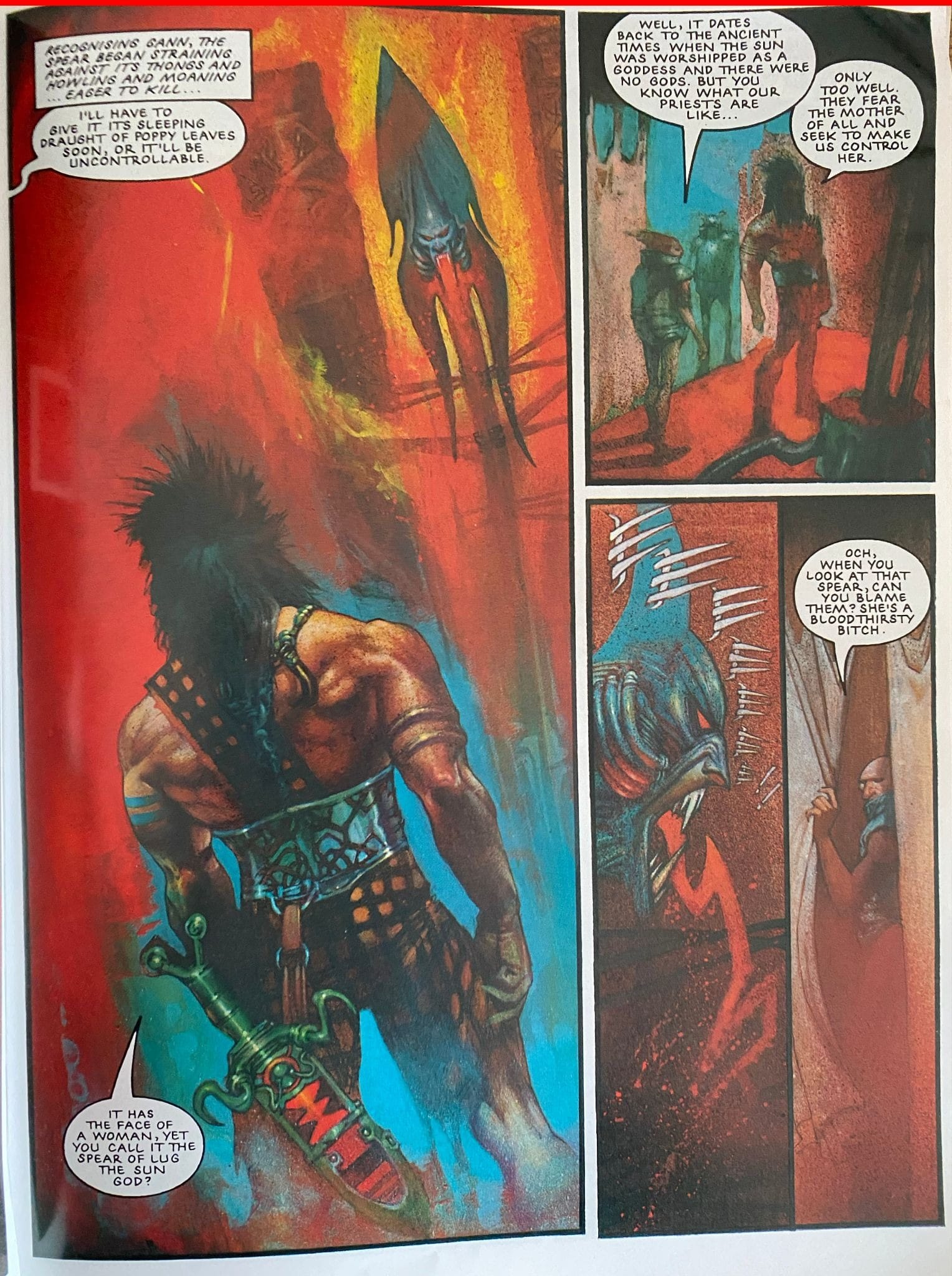
To become High King Slaine must gather the weapons the goddess has bestowed upon the tribe. The Cauldron of Plenty that feeds and revives, the Moon Sword that bodies open themselves to receive, the Spear of Lug that thirsts for blood and the Navel of the Goddess that confers Kingship.
Despite these weapons the tribes are overrun by the Fomorian invaders. They cannot use the weapons at their disposal for their hearts have gone. They prefer submission, acceptance. Gann’s failure keeps the Spear of Lug doped with opium laced blood. Keeping it fed but keeping it numb. This phallic solar weapon has a woman’s face, a reminder of when the sun was also a goddess before the transition into the dominance of male gods. It is the feminine aspect of the Spear, female rage and thirst that makes Gann fear to use it.
Slaine is on the quest but that’s just looking, it is the witch Medb who brings the weapons to life through her agitations. She tricks Gann into thinking Slaine’s dragon is attacking. Gann finally unleashes the spear on his own. This is Gann’s second failure. To use his weapon on a friend before an enemy.
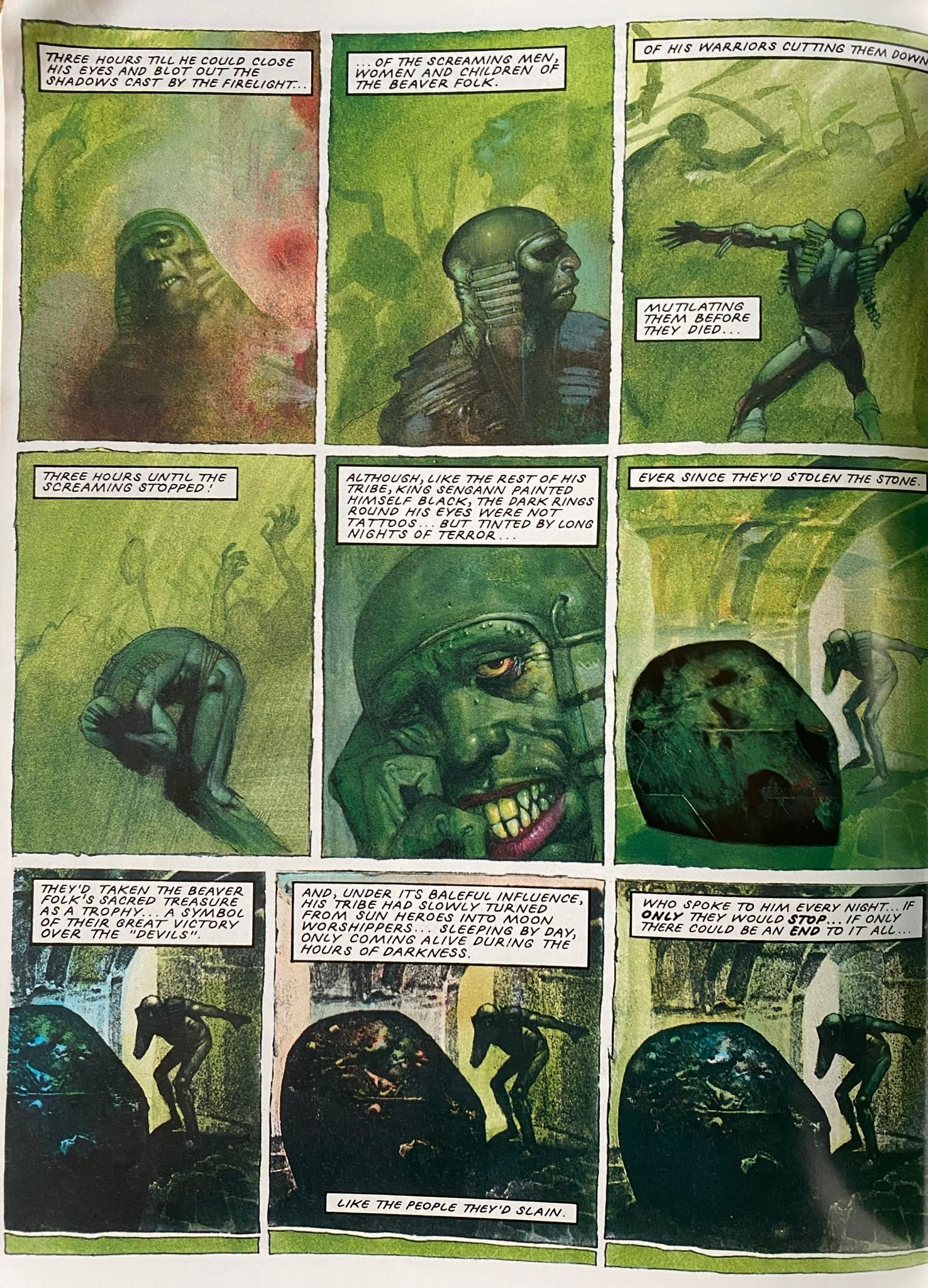
Sengann’s failure is of a different order. The Navel of the Goddess belonged to the Beaver Folk. His tribe looked at their dark fur, heard the silence of their psychic communication and cast then as savages to be conquered and slaughtered.
They took the Navel as a trophy, evidence of their superiority. They complete the colonial project by building a temple of stone over the sacred site. But the Navel reaches out, warping Sengann’s tribe, making them nocturnal, lacking the Beaver Folk’ communion of minds this is a traumatic experience. Sengann, haunted by the cries of the beings he slaughtered but unable to give up the trophy. When, led by Medb, the last remaining Beaver Folk reclaims it Sengann thinks it will bring him peace but it only destroys his mind. Some crimes against the Goddess cannot be atoned.
ITEM
The View from the Train by Patrick Keiller (Verso, 2013)
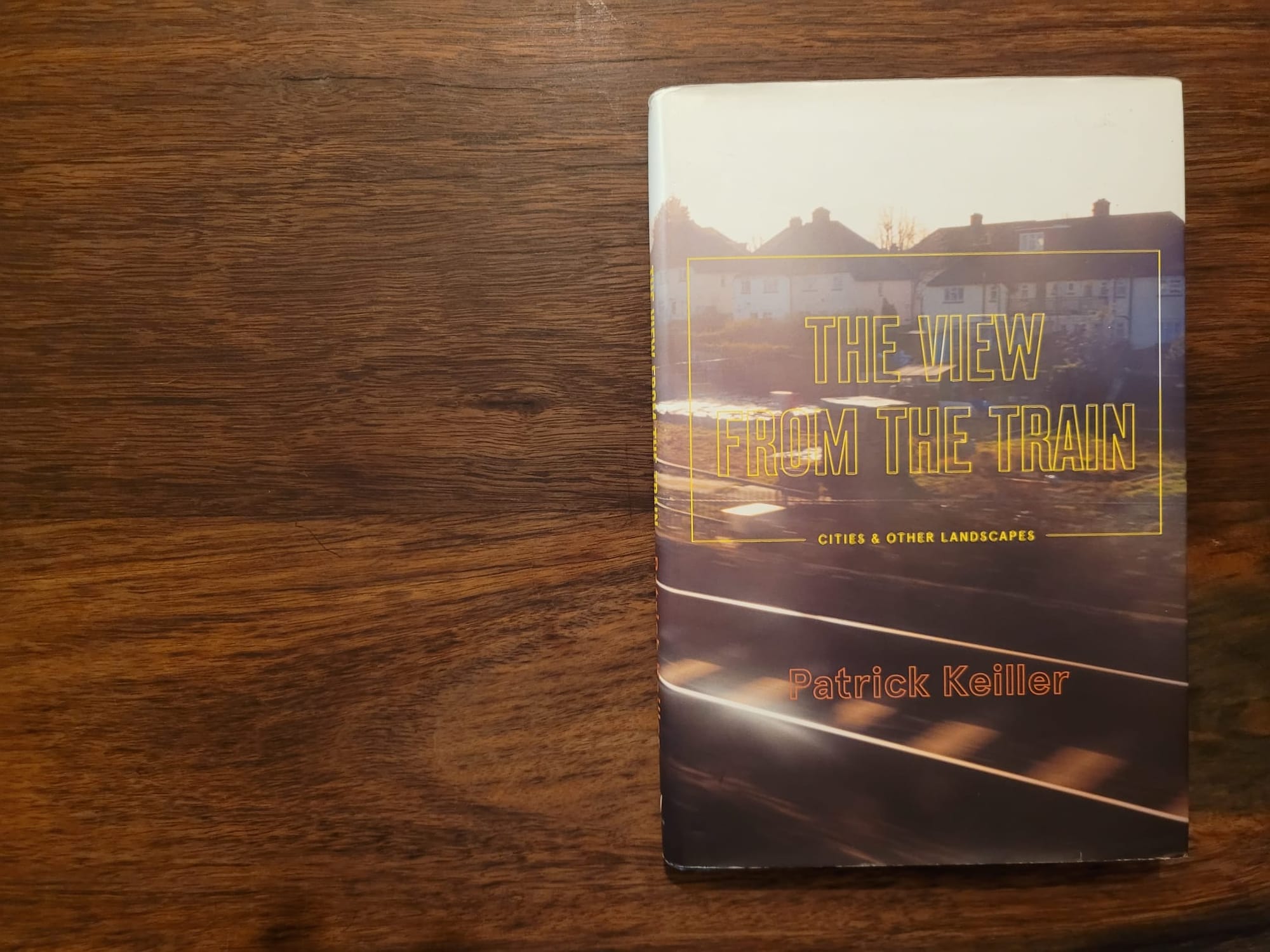
Impossible not to hear in Paul Scofield’s catty line readings, Keiller's essays develop, unsurprisingly, like film or architecture: words perpetually moving at right angles to each other, drawing rectangular apertures around the page, peeling off details from the edges of his arguments til they fit inside. The arguments are how he creates an England capable of being known.
Diesel engine, train window, camera lens, plasma screen. The land produces itself, abundantly, moment to moment, and landscape, the signification we give it, is always buckling under the pressure of the land’s sublime presencing. The English landscape tradition in art, photography and cinema - an old world forever impressing itself upon new eyes - reaches Keiller with the knowledge that the depicted subject and the medium it lives through are wearily identical. Their entanglement is necessity - linguistic overlay makes the land by making it readable. Increasingly advanced frames are required to contain and direct the land’s mean signal, the older and sourer it becomes.
It doesn't matter what you write to fill in the blanks. The current implications of space and country - enclosed, exhausted, scorched and under threat - are a matter of decision for dehumanised infra-systems: algorithmic discourse, generative language engines, synthetic echoes, indifferent governance. Pure machineries lose distinction with the collapse in the rate of profit, running out of fuel as their ability to self-produce diminishes. The only inexhaustible source of momentum is the cyborg assemblage, man-plus-medium, combining the ceaseless compulsions of biologically embedded trauma and neurosis with the precise emptiness of the industrial cycle.
This shameless repetition produces the truths we’ve grown to live under, with shelter, water, land and sun forged into weaponry, the English field as battlefield. Critique is fake, its rewards no more than aesthetic, but it’s still our best route to deliverance. All that matters is that the island is made writable, and hence rewritable. This condition is not historically guaranteed.