Life is real again, and the useless and cumbersome and mischievous
Thunder Child. Planks Constant. Bill Callahan. Frida Kahlo. SFMR: The Devil You Know. I'm Too Sexy For My Sigil.
ITEM
Thunder Child
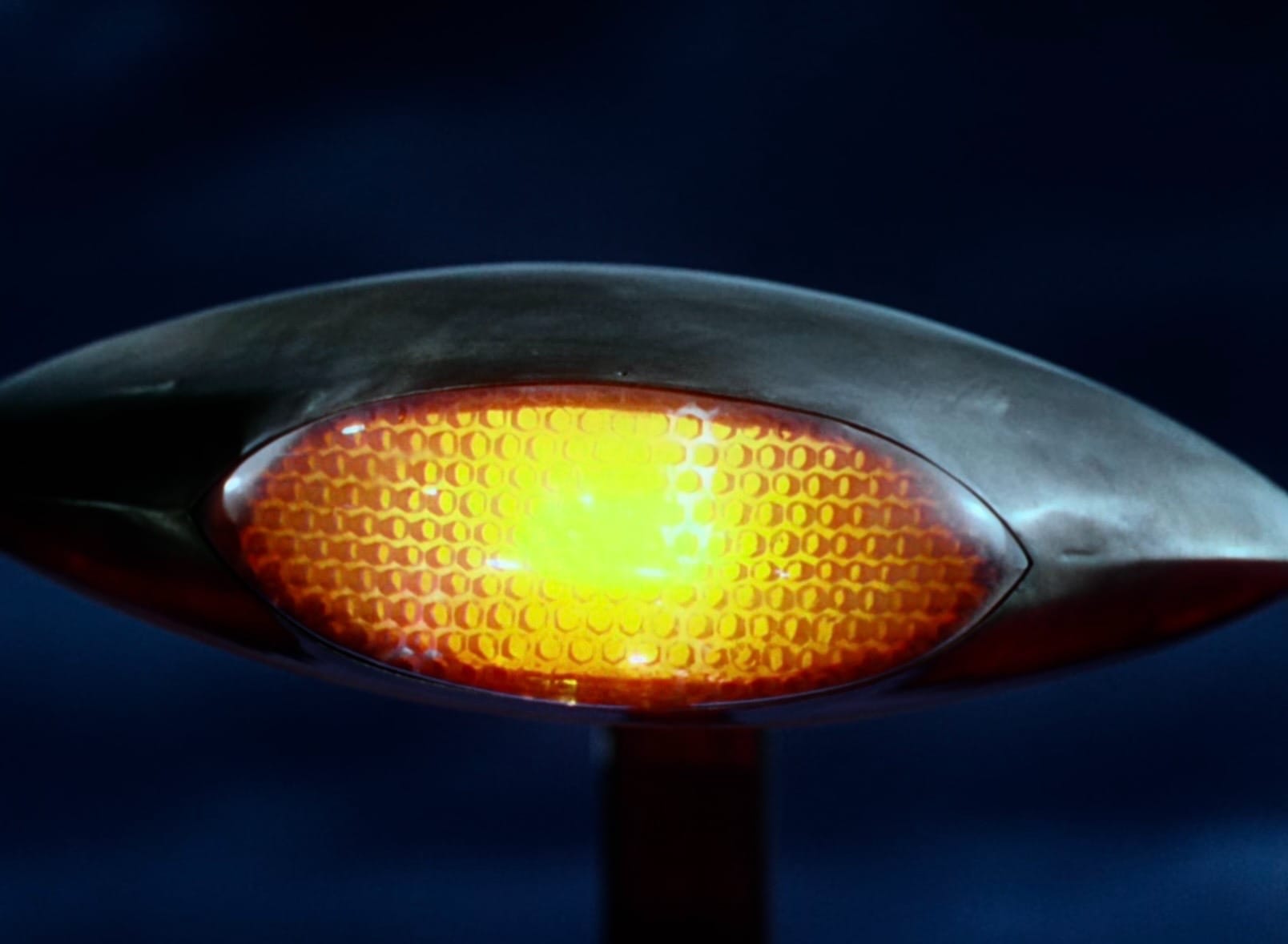
When I was something like three or four years old, I encountered the 1953 adaptation of The War of the Worlds. I spent the rest of the evening running away from bent-necked lampposts. Was I genuinely convinced the cobra-headed Martian fighting-machines were here to destroy a Glasgow council estate, or merely caught in a flight of fancy? The memory is unclear. Confused by decades of retelling.
Alongside it sits a bizarre memory of being given… underwear? … a vest top?… emblazoned with the manta-like machines, not long after. Absurd, but I can’t shake the conviction of it. How could such a thing occur? How would an alien battle craft from a 1953 movie be on boys underthings thirty odd years later?
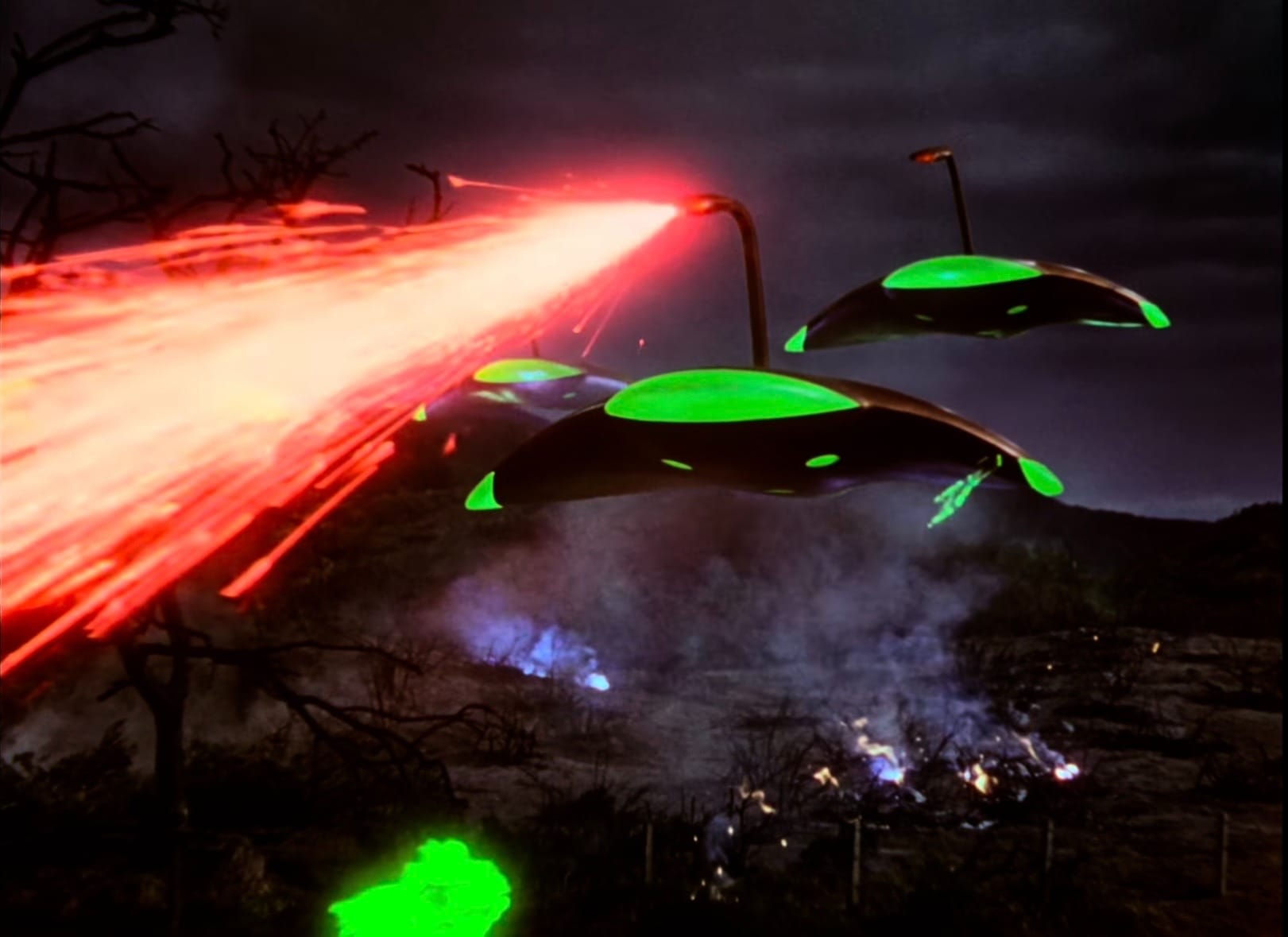
The chances of anything resembling that are, surely, a million to one. Proper Martian pants would need space for three legs. Or a gaggle of tentacles.
I have an intense fondness for the iconography of the War of the Worlds. Learning the book contained tripods was perhaps helped by clips of the BBC Tripods adaptation, which we never seemed to be home in time to see. A giant red machine vaporised some poor bastard and it seemed to be about the coolest thing television was capable of. By ten, I was reading the book itself, utterly bored any time the Martians weren’t doing the business.

Countlessly interpreted. Surely only Verne’s Nautilus can boast as much iteration. Another vehicle imprinted on me young. Strange for an 80’s child, or reinforcing the Savage Beast commentary about the 80’s revisiting the 50’s?
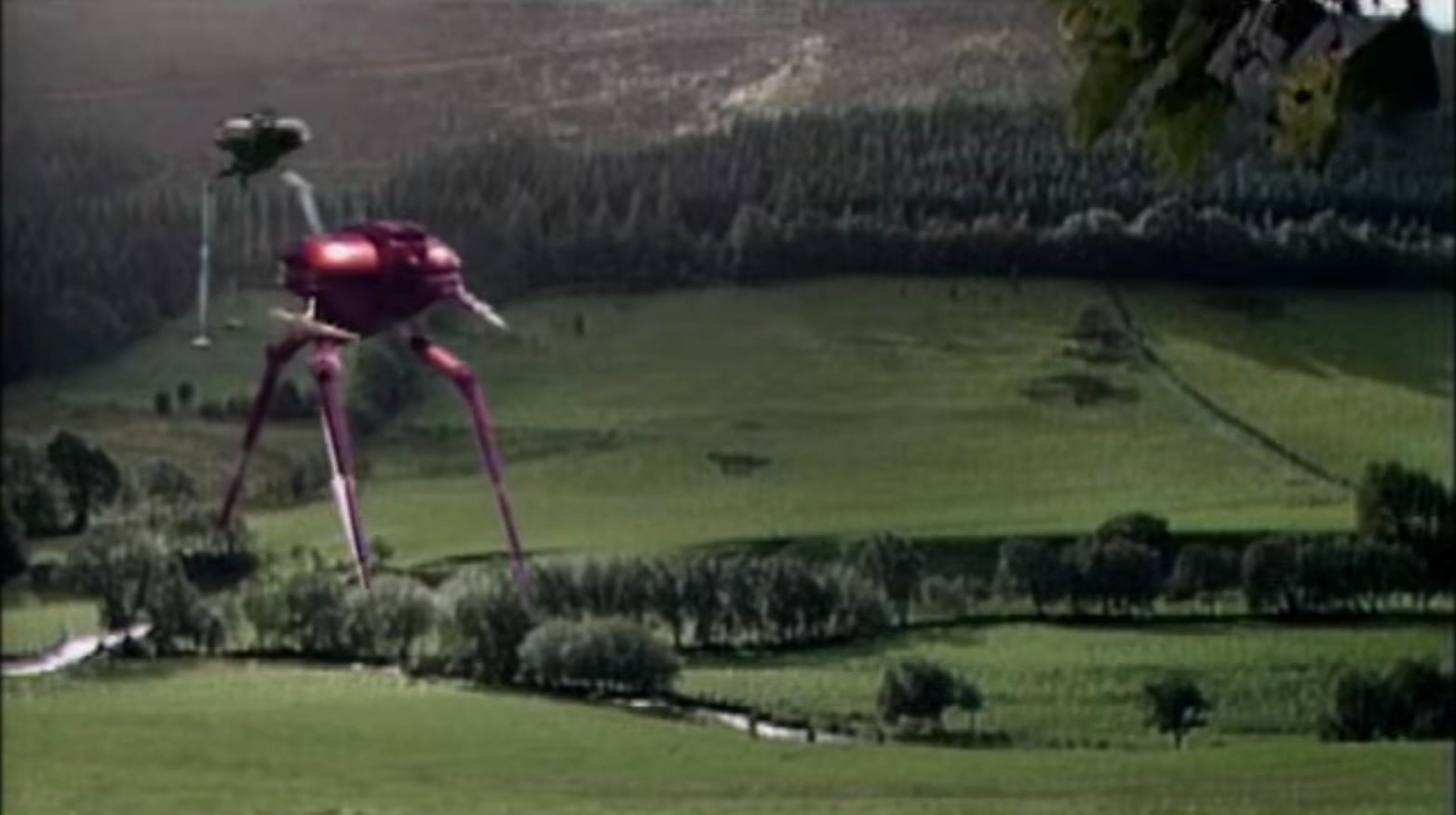
The 1953 movie is exactly what you would think of the story contemporised for and translocated to Cold War America. Godless invaders are struck down by the power of prayer. The God of bacteria answers. Must be the case, or God’s domain doesn’t extend to the inhabitants of Mars.
ITEM
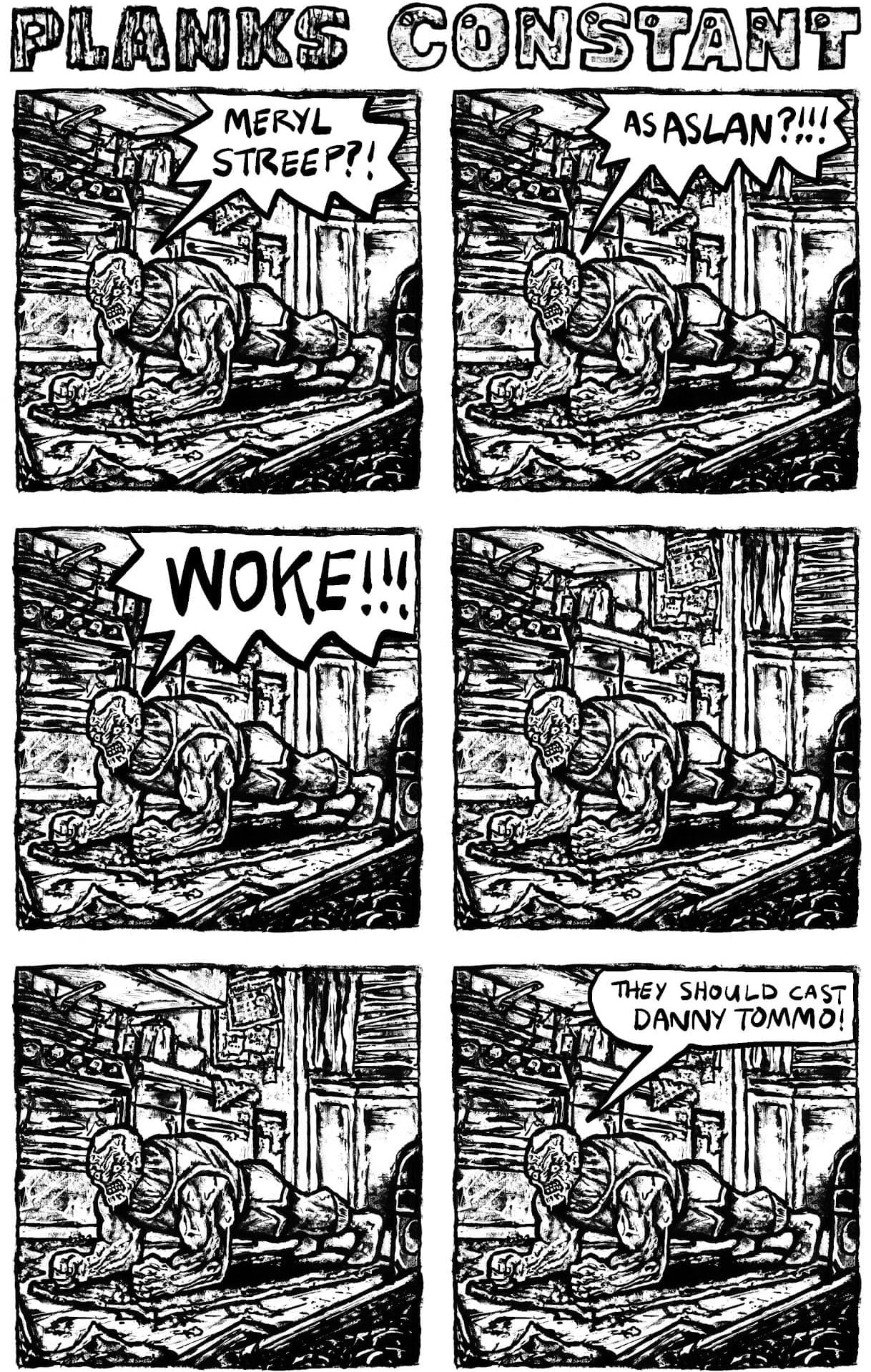
Planks Constant
ITEM
Bill Callahan at the Roundhouse
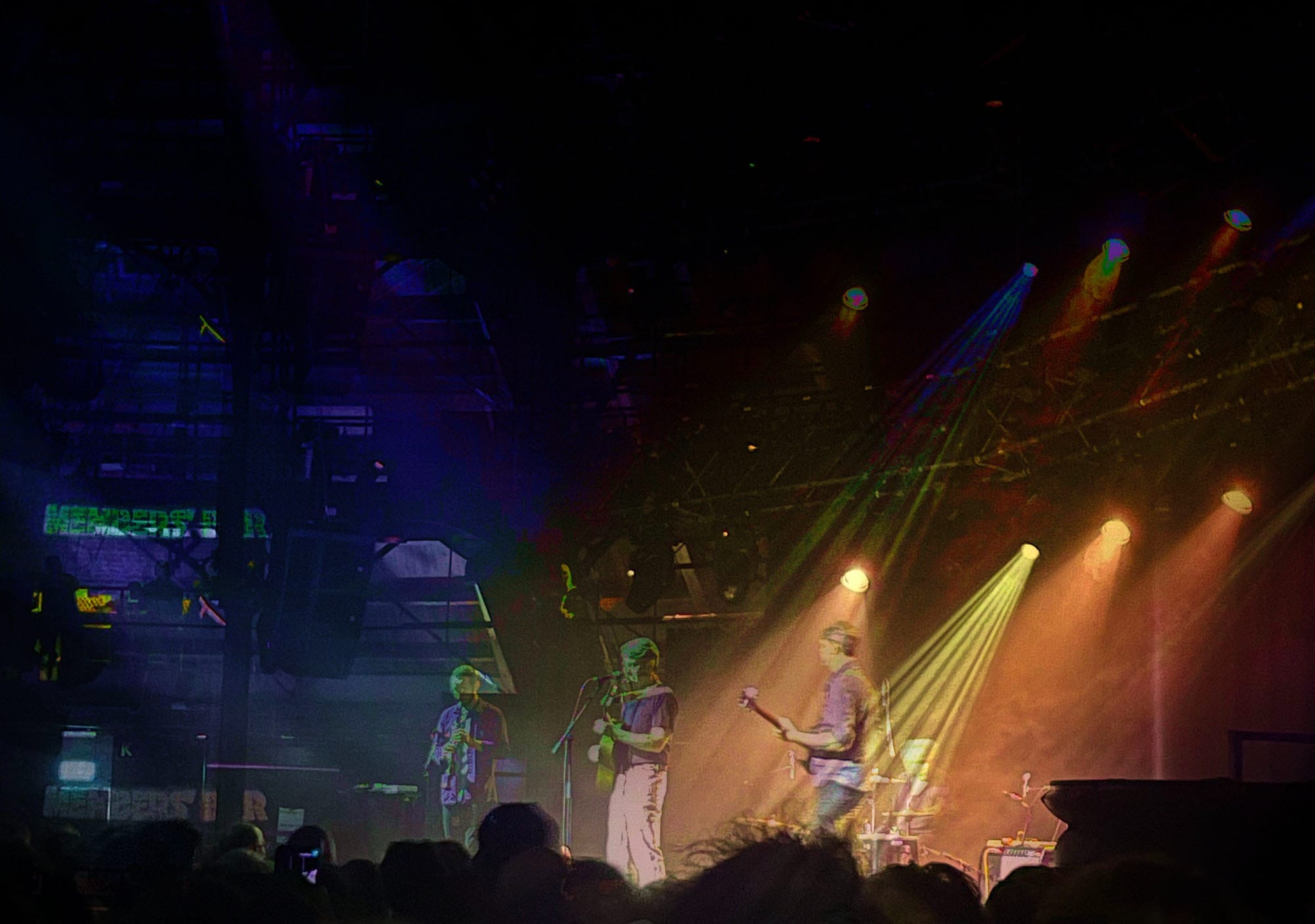
Bill Callahan has my favourite voice in contemporary music - I don’t mean his world view or artistic ethos but his actual singing/speaking voice - that incredible cracked baritone, dry yet rich with melancholic charm. At the Roundhouse his voice is justly high in the mix, its resonant burr booming through the cavernous building.
Much to my friend Stuart’s dismay the band contains a saxophone and tonight’s arrangements of recent songs and old favourites (including Sycamore and The Drover) emphasise the jazzier end of Callahan’s oeuvre. Though usually pegged as a singer-songwriter and/or alt-country artist, there’s ample evidence of the influence of jazz, blues and soul in Callahan’s music. Gil Scott-Heron, no less, covered Callahan’s song on his last album. At the Roundhouse, Callahan and co’s drifting, hazy Lonely City is given a full jazz workout, including beat poetry by the band’s Australian drummer.
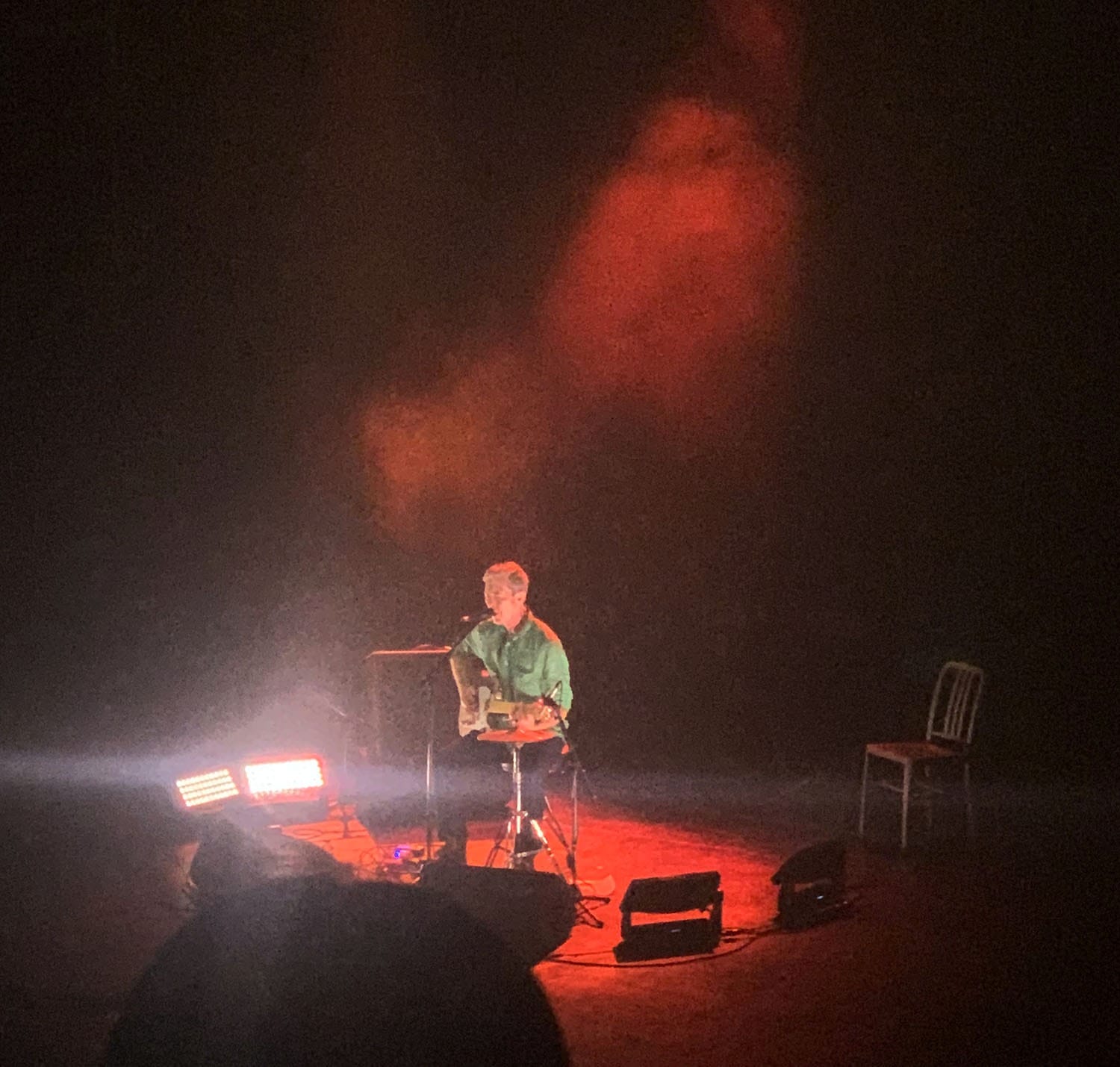
In contrast, last year Callahan performed solo at Earth in Hackney, just him on a chair with a guitar and amp, a bass drum and a tambourine sellotaped to his foot, performing to a crowd of heatwave-scorched fans crammed awkwardly on to the venue’s odd ‘US school gymnasium’ seating. All but monosyllabic, and seemingly performing sans setlist, he frowned and plucked songs out of the air, reworking old gems into stripped down and occasionally brutalised versions.
At the end of the gig he seemed to relax, slightly. ‘What’s the time?’ he asked in that fantastic, laconic voice. ‘Half 10!’ someone shouted back. ‘It’s actually 10:40!’ someone else pedantically corrected. Seemingly about to begin another song, Bill raised an eyebrow - ‘Oh, it’s 10:40?… thank you’ - got up, failed at first to find the exit to the stage, then found it and walked the long corridor backstage, still visible from our seats. No encores. That’s how all gigs should finish.
ITEM
Frida Khalo Making of an Icon (Tate Modern)

In the final issue of providence Alan Moore charts the Lovecraft infection of 20th and 21st century culture. The penultimate room of the Frida Khalo Making of an Icon exhibition is reminiscent. Her multiple eyes ripped from her self portraits and plastered on trainers and t shirts and tequila bottles. A Frida Barbie, a paper dress up doll, a solar powered plastic Frida paint brush bobbing against a palette in a gesture that means wanker in most languages.
The final room of the Frida exhibition is of course the gift shop. Filled with the same tat only this time you can buy it. Making of an Icon charts Fridas absorption into western culture as a vague everything rebel. It does this entirety uncritically.
She died without a will. Her niece Isolde inherits but only for the 50 years Mexican copyright law allows. In 2004 she and her daughter form the Frida Khalo Corporation with the express purpose of turning her into a brand. They take out 30 trademarks allowing them to control and benefit from the exploitation of her image. The corporation based in Panama City is estimated to be worth multiple millions.
Not all the family are happy. Isoldas granddaughter sues the corporation over the Frida Barbie. Reasoning from the general, that the lifelong anti capitalist and anti imperialist would hate this, to the specific, skin too light, dress inaccurate cosplay. She loses. But threatens to sue puma over the trainer deal. She knows she ll never win but that’s not the point of protest.
All of this is missing.
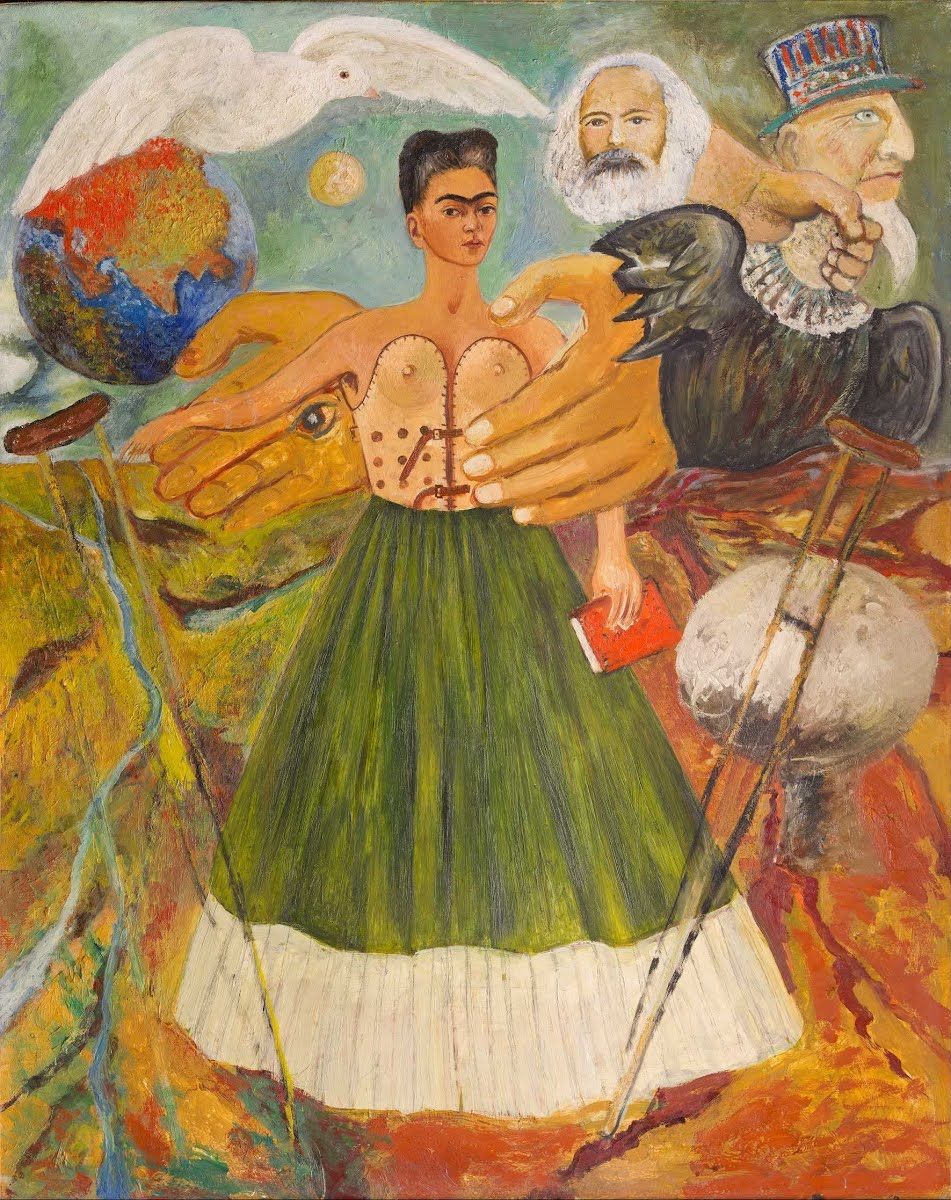
Frida is an artist for whom the political was real and specific rooted in the needs of her country. And the political is personal literally embodied in her self. One of her last paintings, not in this exhibition, Marxism Will Give Health to the Sick is crude and visceral. The pain and the medication won’t allow her the control over brush and paint she used to have. She dies a couple of months later. Making of an Icon does a fine job of eliding her. The Barbie doll presented as the culmination of a success story.
ITEM
Spelling it Out
I’ve been thinking a lot about writing, and the process of writing, in the age of “AI” recently, and I’m going to use this piece to work out some of what I’ve been thinking — because a big part of what I’ve been thinking is that the process of writing itself is how I figure out what I’m thinking.
Some of this has been inspired by a series of essays on occultism, autism, psychology and related subjects called The Symbolic Layer. I find some of the conclusions the author of that series comes to utterly wrongheaded — in particular they’re very pro-AI, and also pro-death — but one of the things they talk about is how a lot of ritual is actually a way for a hypothesised intermediate layer between what we think of as the subconscious and the verbal, reasoning, consciousness, to communicate between the two (and how much of Gnostic and Neoplatonic thought is a metaphor for that) and I think this is largely correct. The idea is that the body, and the subconscious mind, knows stuff that your conscious mind doesn’t, and communicates in ways that seem to come from outside it, like dreams.
And writing, for me at least, is about that. Sometimes you have to sit and painstakingly hack out every word, but a lot of the time you start to write and words just… come from somewhere, and you end up saying things you didn’t know you thought, but which are self-evidently true as soon as you say them.
And if you’re prompting an LLM, you’re outsourcing that work to a software simulacrum of a subconscious. It will give you what you initially thought you wanted, but it’ll never tell you your own secret beliefs.
LLMs don’t dream, not even of electric sheep.
ITEM
Suggested For Mature Readers
4: The Devil You Know
“God fucking damn I love Born Again. Not more than my child.
But close.”
A flippant message in a WhatsApp group this week. But also true.
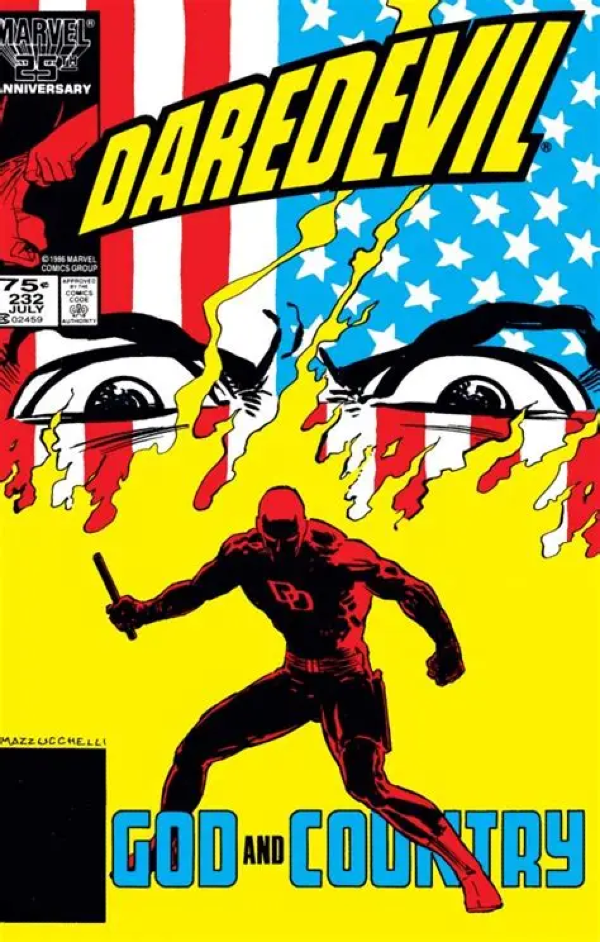
Let’s cut to the chase. ‘Born Again’ is the best Daredevil story that there ever has been, and ever will be. Isn’t that wild? To experience the apotheosis of something so defiantly, and definitely.
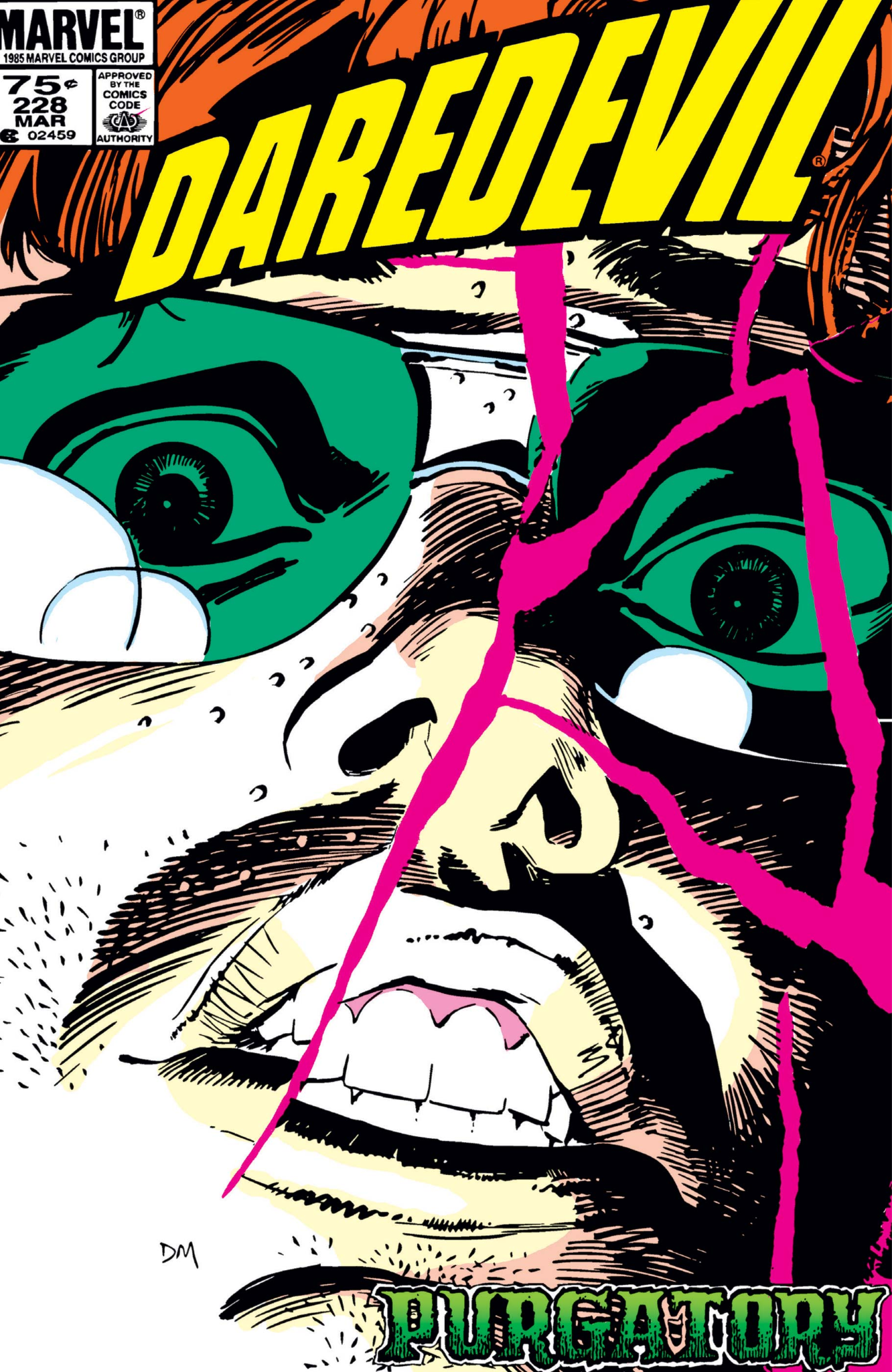
Frank Miller’s original run on Daredevil is one of the great learning curves. Witnessing an artist open his wings with such giddy enthusiasm, watching him learn the storytelling potential of the form in real time, his confidence and ambition growing each month.
Grabbing fistfuls of influence from Will Eisner, Hugo Pratt, Neal Adams and Goseki Kojima. Riffing on Ed McBain, Raymond Chandler, Jim Thompson and Micky Spillane, whilst playing with the elasticity of a generic superhero property that had sat, like unused clay, awaiting someone with such keen and versatile hands.
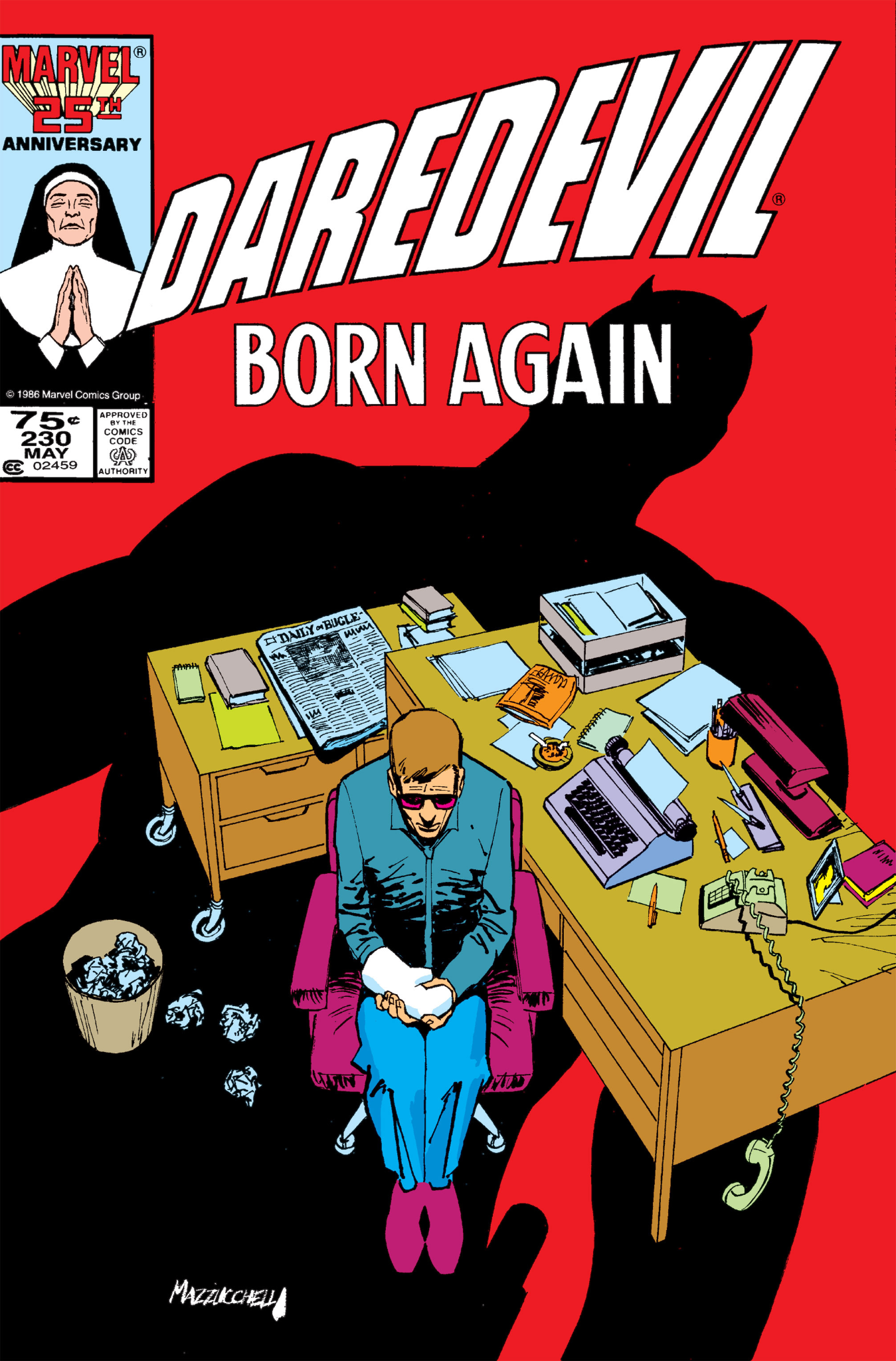
When he returned to the title in 1986 for a 7 issue run, abetted by David Mazzucchelli (arguably one of the greatest artists to work in the medium – one of those rarified types to whom the production of incredible comic art is like breathing air), it was a seismic mike drop of which the medium almost never witnesses.
This is Miller in full serious mode, with none of the broad strokes, Kubrickian satire or over-saturated machismo. ‘Born Again’ is a note-perfect, bullet-hard, grounded superhero comic that deconstructs and rebuilds Daredevil with an almost supernatural artfulness and confidence.
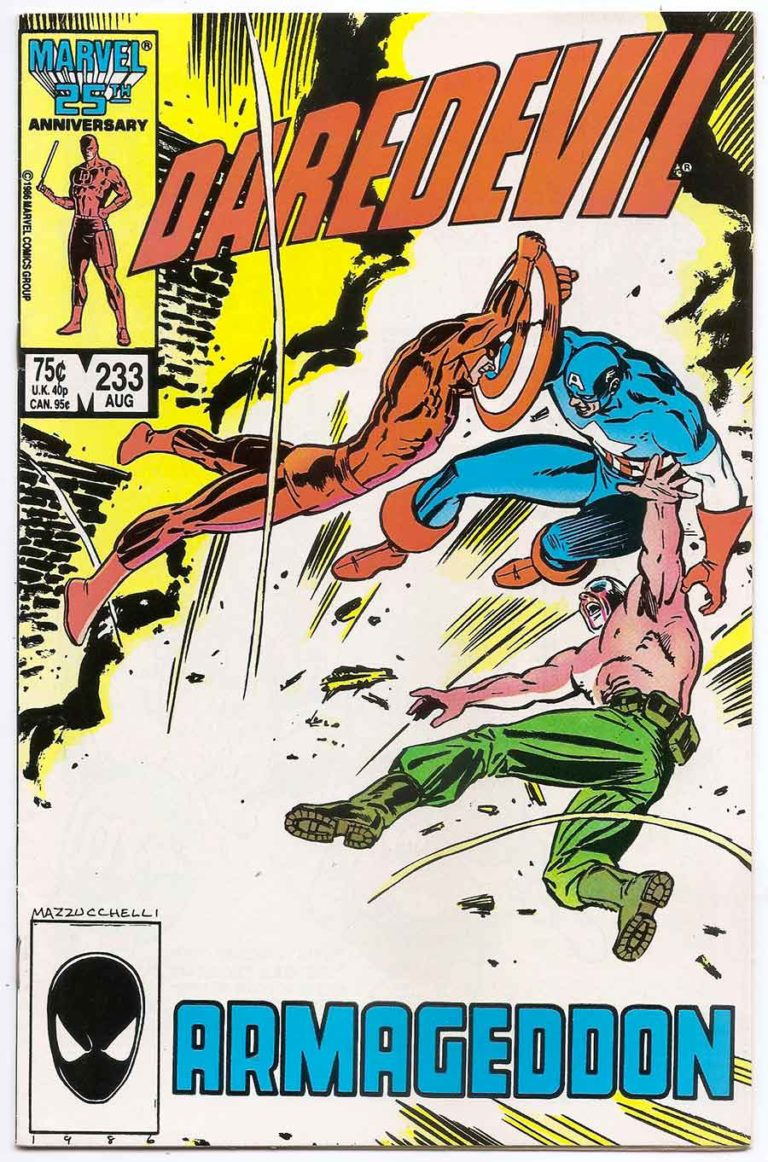
It’s a comic that builds breathlessly, using the beats and notes of comic storytelling. It never puts a foot wrong. It is the perfect pop-song. A quintessential revisionist text that proudly embraces its status as a comic book.
It’s two artists at their absolute apex working in perfect synergy.
Art without fear.
ITEM
Give me a red
Tell just one person that you liked this newsletter. Word of mouth, more than any other form of promotion, is how creative works get noticed and sustain themselves. Thank you very much for reading.
ITEM
I’m too sexy for my sigil
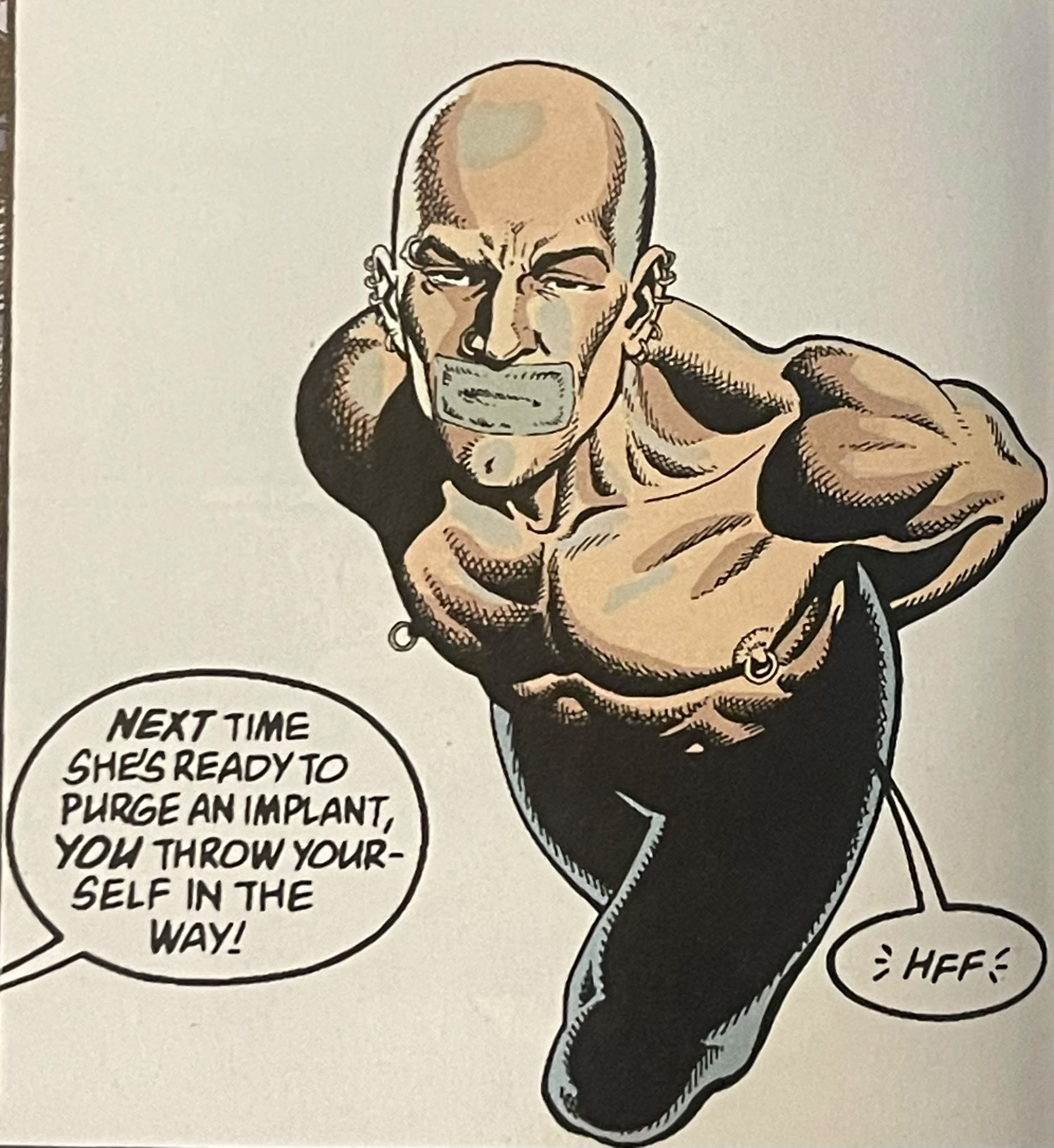
The strange thing about King Mob? He’s less interesting than the real thing. Less cool, less witty, less hot, less articulate… less everything than the real thing. Maybe he got lost in translation. Like precious little data survived Grant Morrison’s self-portrait on the page.
I never liked him. Maybe it was the fetish club aesthetic. Maybe I’m just square, and didn’t - still don’t - get it. For me, he’s at his best when he keeps his mouth shut, mostly, and just listens to Edith Manning in Karmageddon.
But he still says dumb things in that arc, every utterance more like a smart-ass slogan than anything resembling real speech. Mister Six, syntax-prone in the same way, does it better. Mason too. Both seem more rounded, more human, more real than try-hard King Mob.
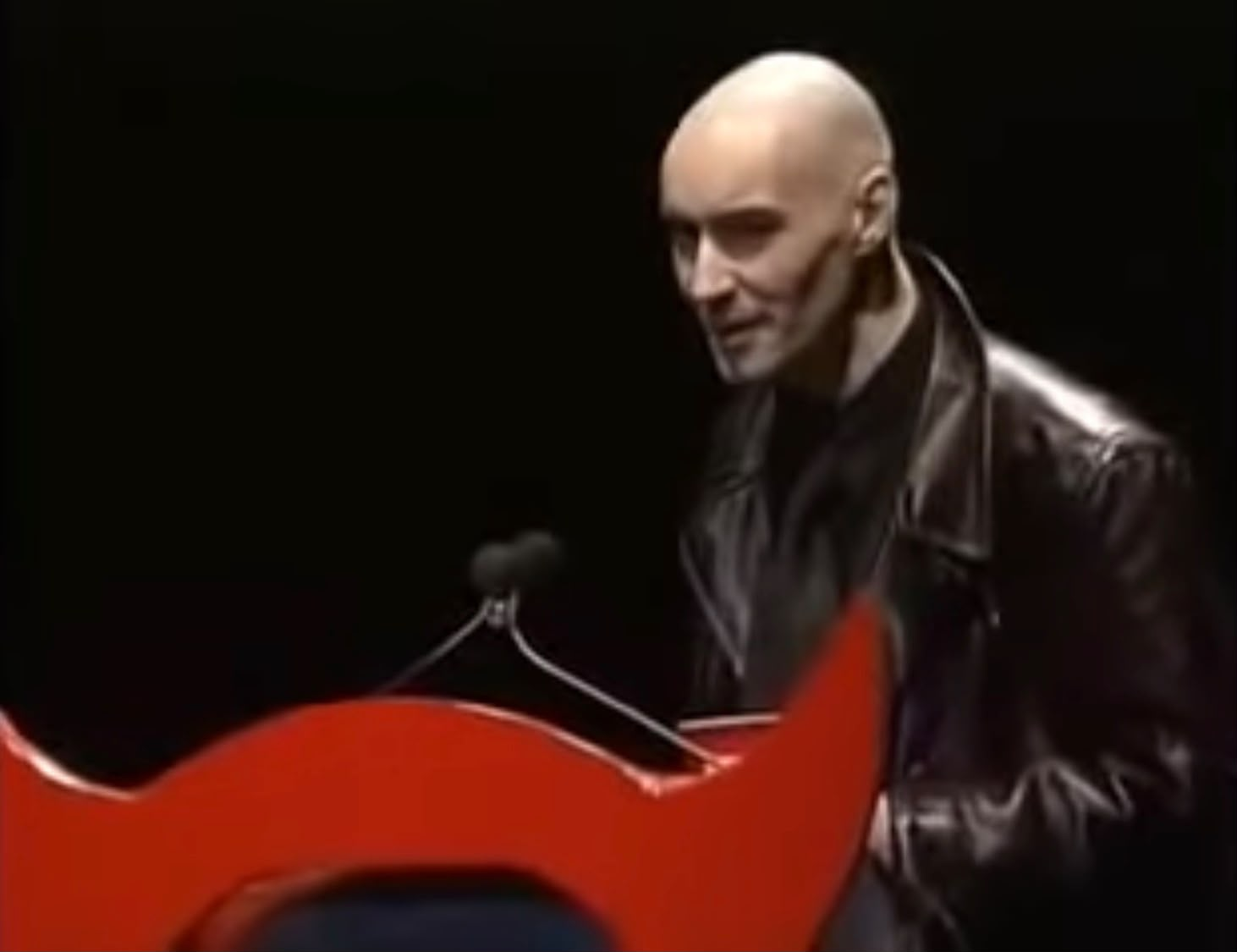
To experience King Mob for real, google ‘Disinfocon Grant Morrison’ and you’ll see what I mean. It shows The Invisibles author giving a wired speech on the transformative power of magical practice. Some 26 years on it still has the power to shock and inspire. Grant’s main point is that we abandon the concept of individual identity and replace it with a multiple personality complex, by embracing and naming our internal me’s.
Today, leafing through the 1500-page space-time block AKA The Invisibles compendium, this philosophy manifests with crystalline clarity. That as well as King Mob, Grant - they - are everyone else: Dane, Boy, Lord Fanny, Sir Miles, Mason, Helga, Mister Six - even Bobby from Best Man Fall.
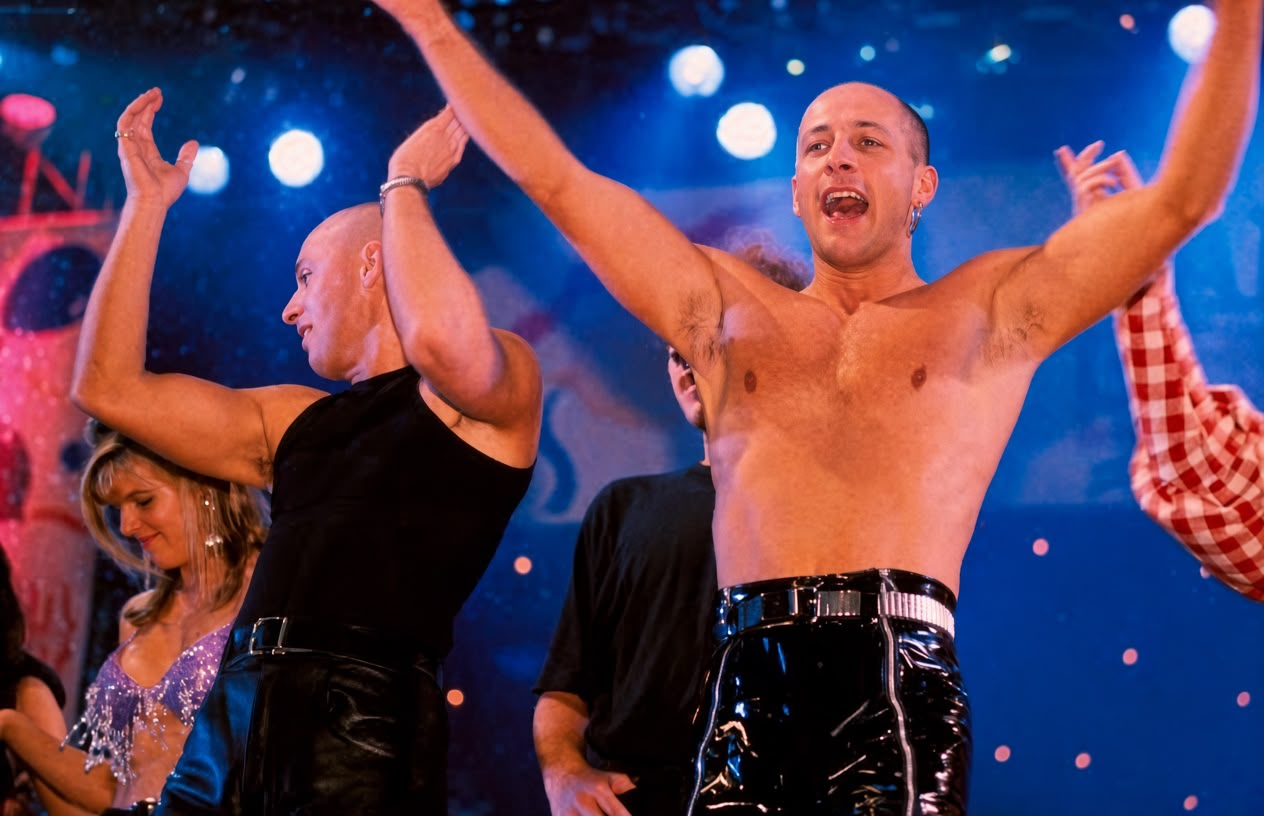
That might explain why King Mob feels reductive - he’s merely part of a godhead, too complex to represent as one thing in 2D paper-space - but it doesn’t quite get to why he still bugs me. To be honest? I think it’s cos he’s the spit of those arseholes from Right Said Fred.