What mattered the wind that was howling outside
The Pilman Radiant 4: Survival. Planks Constant. ABHOBC: The Sleeze Brothers. Mind the Gap: Closing Time. Chris Morris. Annoyance. Canto XLVII.
ITEM
The Pilman Radiant 4: Survival
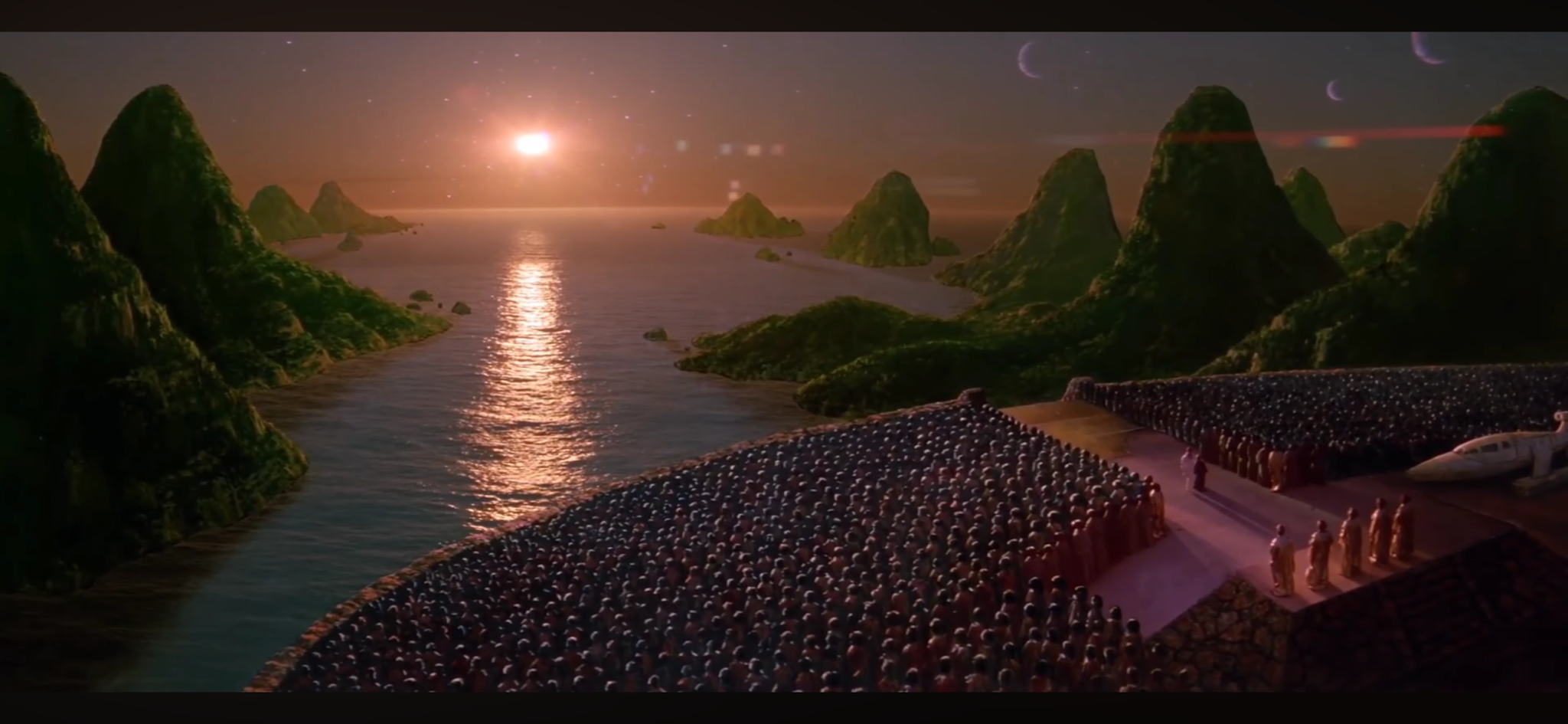
It’s passed into legend. You may have heard it. The studio adapting Barry Longyear’s Enemy Mine felt it necessary to remove the end of the story and replace it with a rescue set in a mine. Concerned the public wouldn’t understand the playful title, and demanding it be literalised.
I found it late at night on telly, waiting for my parents to get back from visiting friends. Reeled in by the scenery.
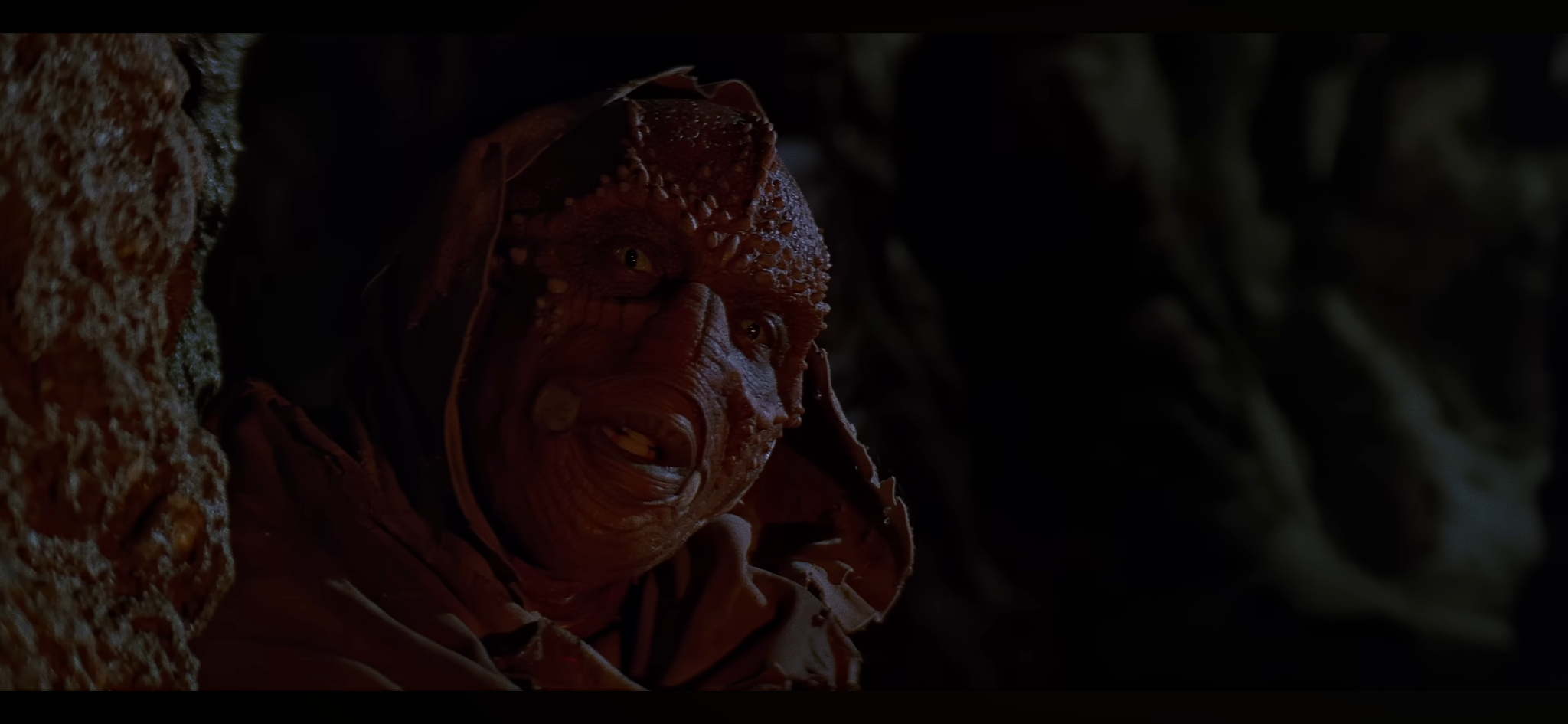
Longyear’s story is that of a man finding a place in the universe, both physically and spiritually. Not so much the power of the alien’s religion, but the carefully documented lineage. His understanding of his family not stretching past vague memories of grandparents, in contrast to his enemy turned domestic partner. A lineage defined by a cycle of names, their roles, committed to a repetition of recitation. A visitation as transformative enlightenment.
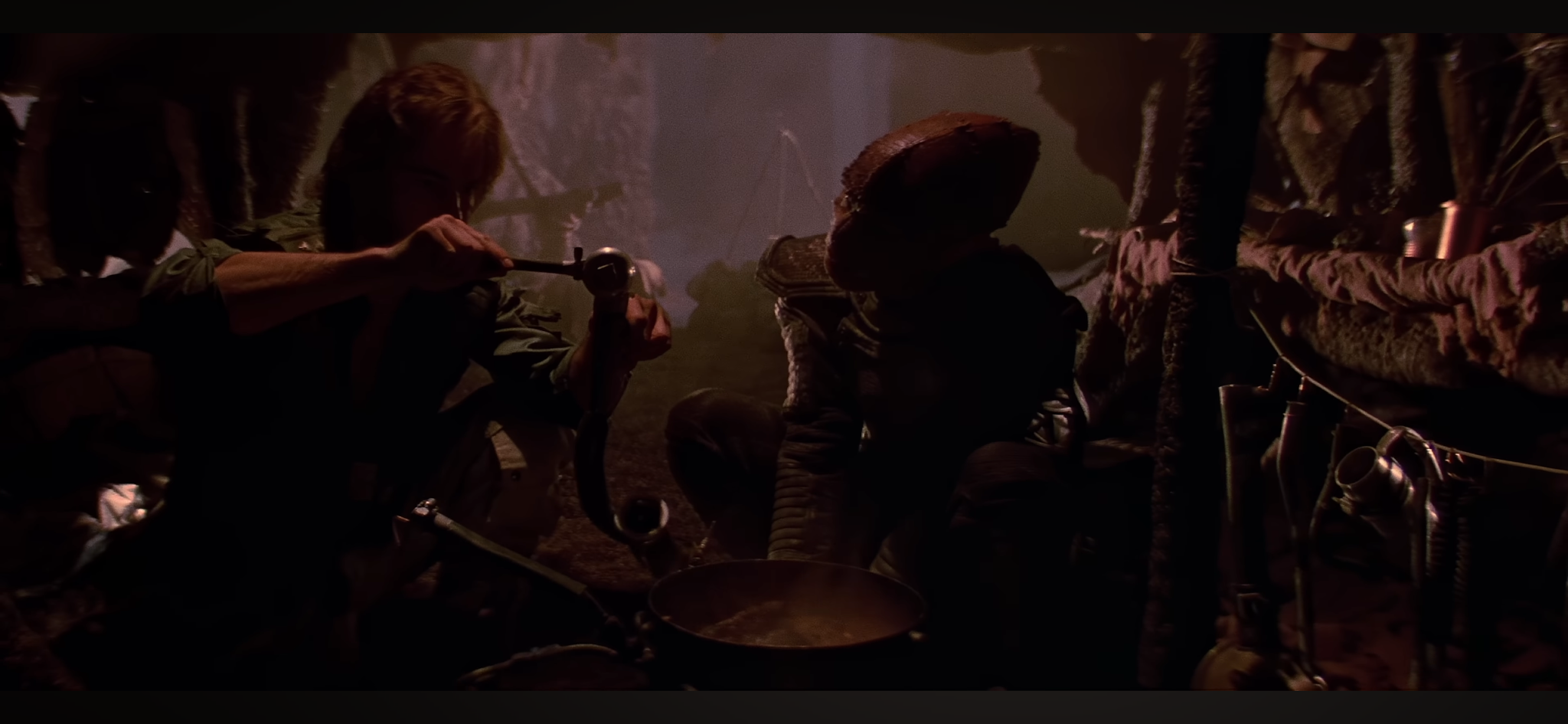
The other half of belonging found in hardscrabble living. An honest existence eked out in harsh conditions. We all feel it, don’t we? A desire for the simple, honest life. A myth of taking control and living in harmony.

Blair Braverman’s podcast, What to Carry, What to Burn, deals in tales of extreme survival. Characterised as campfire tales, they delve into triumph and tragedy. The survivors do not manage the equilibrium of Enemy Mine. Disease, decay and hunger are not always successfully overcome. There are moments in it of absolute endurance and ability, worthy of the competence porn of 90’s Star Trek. Episode 4, The Wreck of the Grafton contains men of amazing virtue.

Episode 5, Bob and the Invercaul in contrast, tells of people dealing with the worst of humanity. All the more mindbending to know both ships were wrecked on the same body in the same period. Literally a land of contrasts.
ITEM
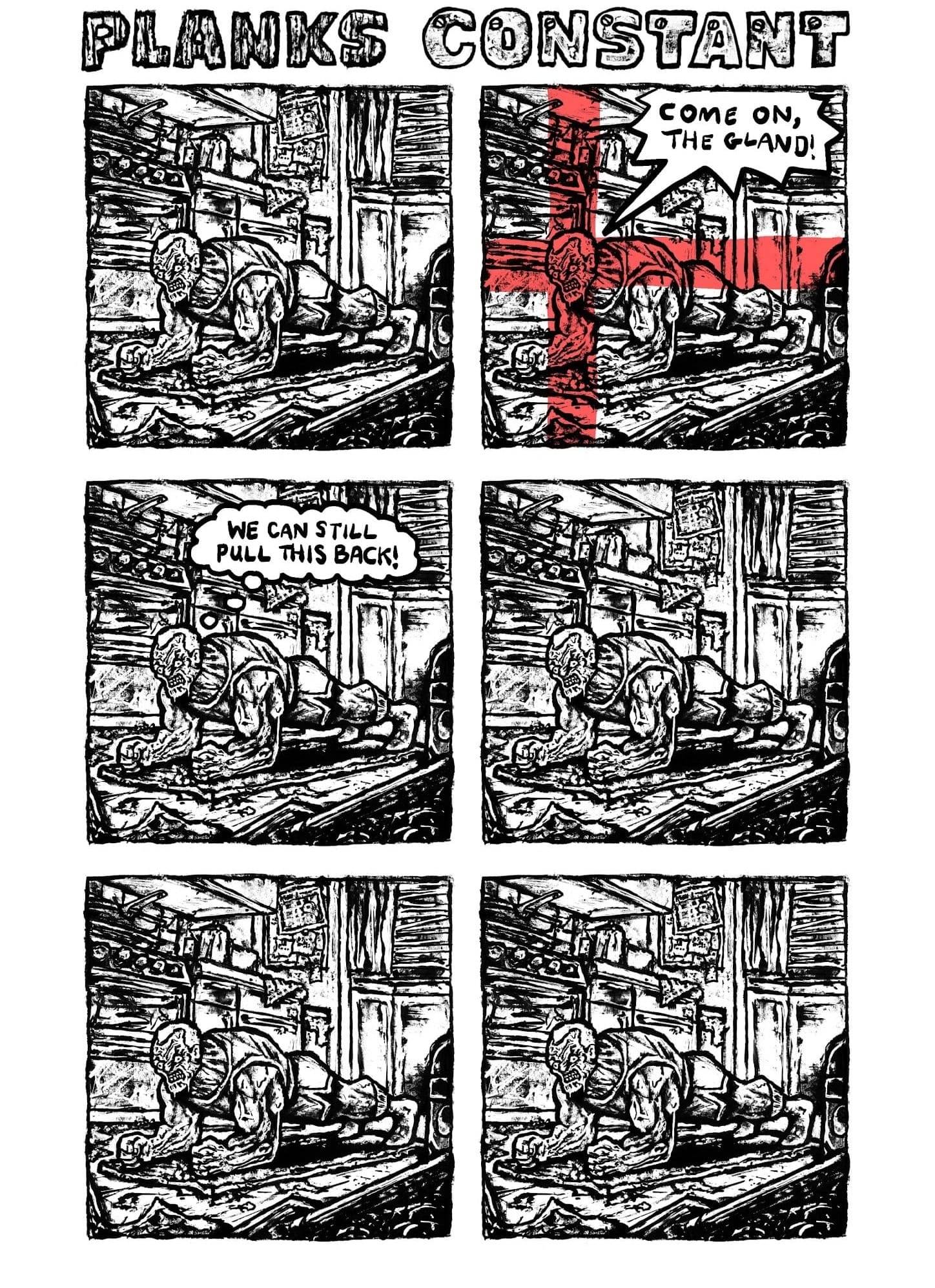
Planks Constant
ITEM
A Brief History of British Comics
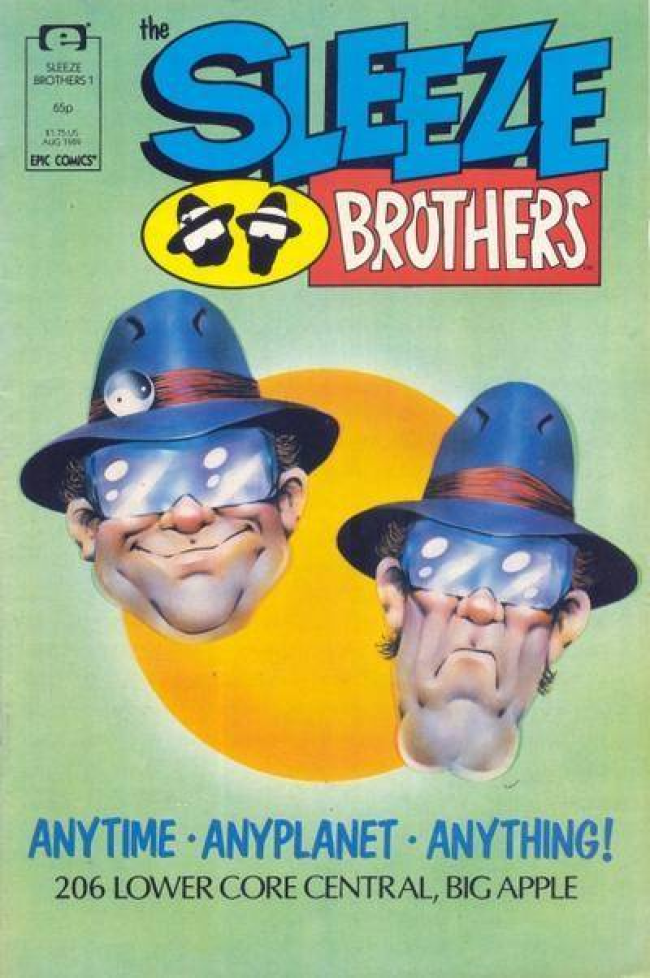
24: The Sleeze Brothers
Publisher – Marvel UK
June 1989 - January 1990
6 issues
Part of the pleasures of experiencing pop culture are the inexplicable whirls and eddies. The unpredictability. The Blues Brothers for example. Starting as a bit on the wildly successful, if overly mythologised, early SNL, Akroyd and Belushi in bluesman drag took the act on the road, supported by a tight backing band. This spawned a John Landis directed film; a shaggy fusion of incendiary performances by soul, R’n’B and jazz legends, deadpan slapstick, absurd car chases, nazis (when they were funny), wanton destruction, and cocaine fuelled cameos. A horrible sequel, an unplayable computer game, a musical… the improbable property just keeps going.
Like any successful property, in its wake come weird rip-off/homages/parodies.
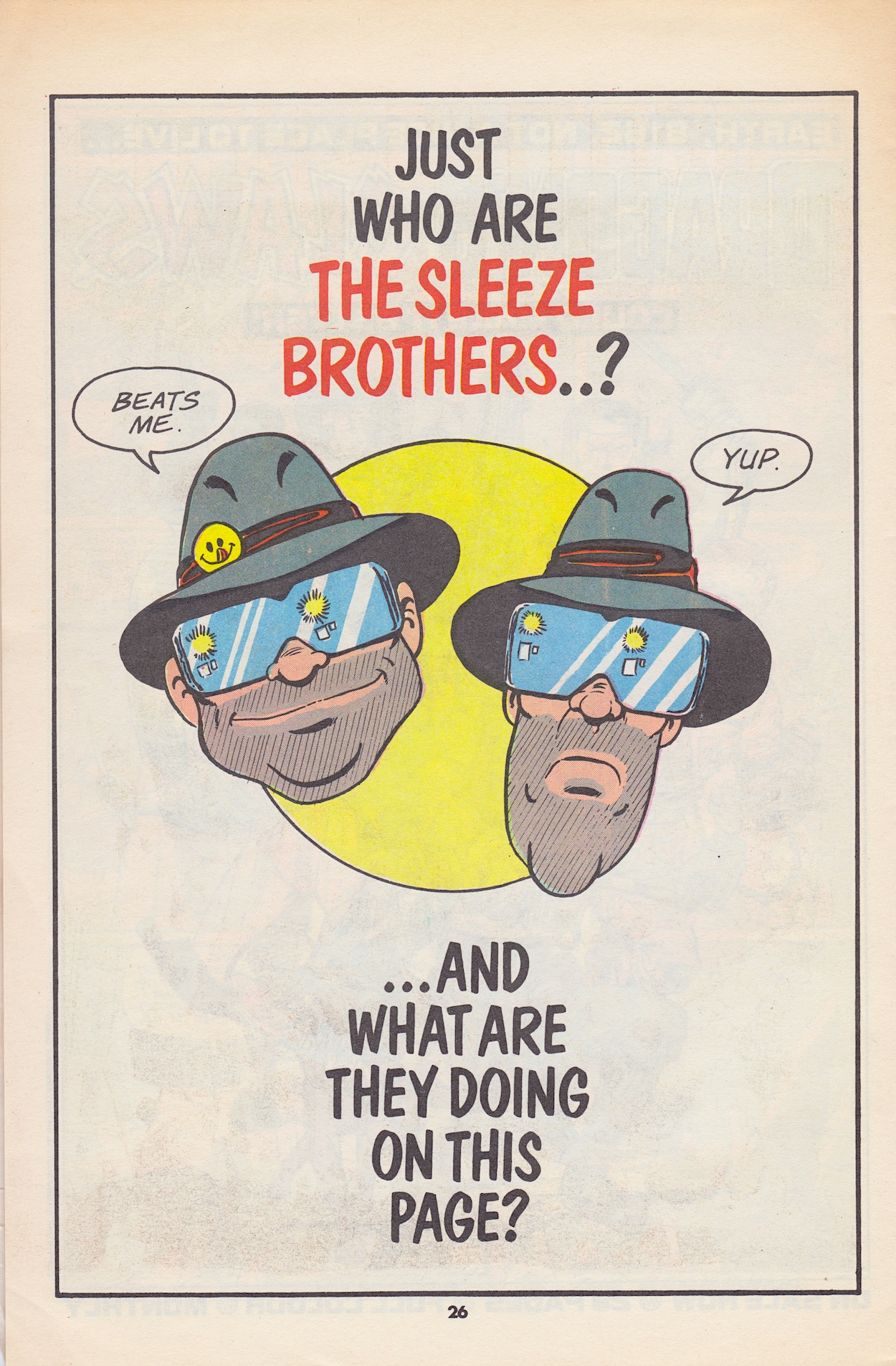
Enter The Sleeze Brothers. When Marvel UK was exploring producing original properties, outside of its successful comfort zone of toy tie-ins and superhero reprints, this curio arrived on UK newsagents’ shelves.
A US-sized comic, alongside Death’s Head and Dragon’s Claws, It arrived with little fanfare or explanation: a sci-fi spin on the Blues Brothers, with barely concealed versions of Jake and Elwood, here named El Ape and Deadbeat. It was apparently a Dr Who spin-off.
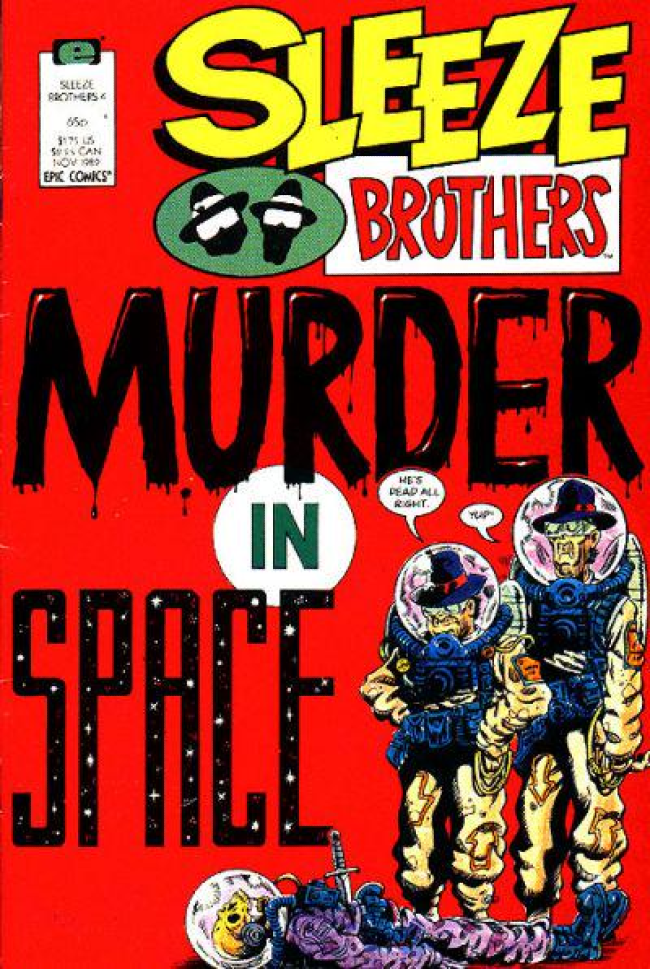
Whereas the originals were musicians caught up in a picaresque quest to save an orphanage, The Sleeze Brothers were frazzled P.I.s. The tone was broad and farcical, existing in the strain of absurdist British sci-fi that includes Douglas Adams and Red Dwarf. There were parodies of Alien, The Maltese Falcon and Clue. It is, to be clear, an oddity with no real sense of purpose, or unique identity.
It does however have some lovely strong cartooning by Andy Lanning, inked by Dave Hine, reminiscent of Wally Wood. Steve White’s colours pop appealingly and it’s a pleasingly dense, endearingly silly read.
It’s these oddball follies that keep the pop-cultural roundabout moving in its curious cycles.
ITEM
Mind the Gap: Closing Time
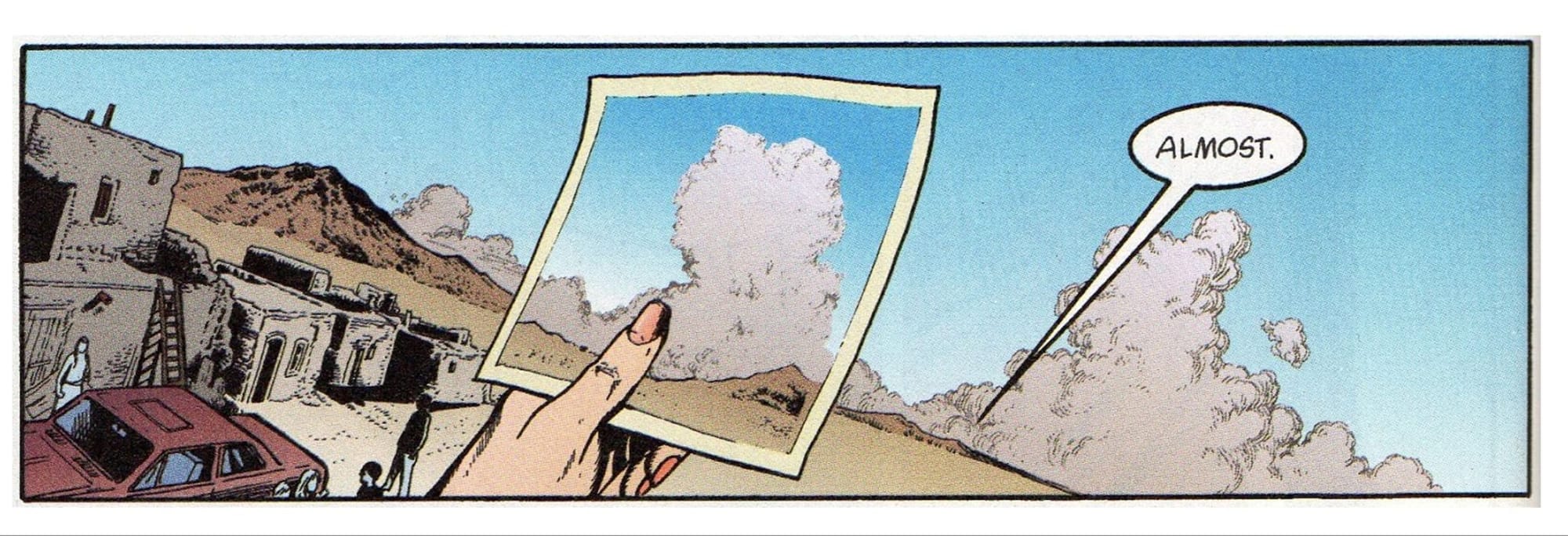
Morrison and Moore’s understanding of comics is a continuum with their understanding of magic. Moore’s static universe where only consciousness moves freely mirrors the reader and the comic, whereas Morrison understands comics as multidimensional objects capable of communication, transmissions moving out of and, crucially, into the page.
Fisher-Davies defines comics as nested texts. The phatic space of the page where the reader meets the book containing the discourse space of the story world. The Invisibles is an extreme nested text, a comic we can read, that avidly quotes pop culture and blends autobiography and events from our level of reality. A comic inside The Invisibles that may or may not be the comic we are reading. A potentially different comic read and rewritten by Ragged Robin inserting herself into the narrative. A book by Miles Delacourt, a book by Beryl Wyndham. An interactive computer game taken like drugs. This complexity is crucial to the power of The Invisibles hyper-sigil.
The 20th and 21st century have seen us flee from the material. The finance sector has severed all ties with the reality of infrastructure and production. Academic analysis of comics tends to idealised abstractions and Fisher-Davies stops short of engaging with the comic itself.
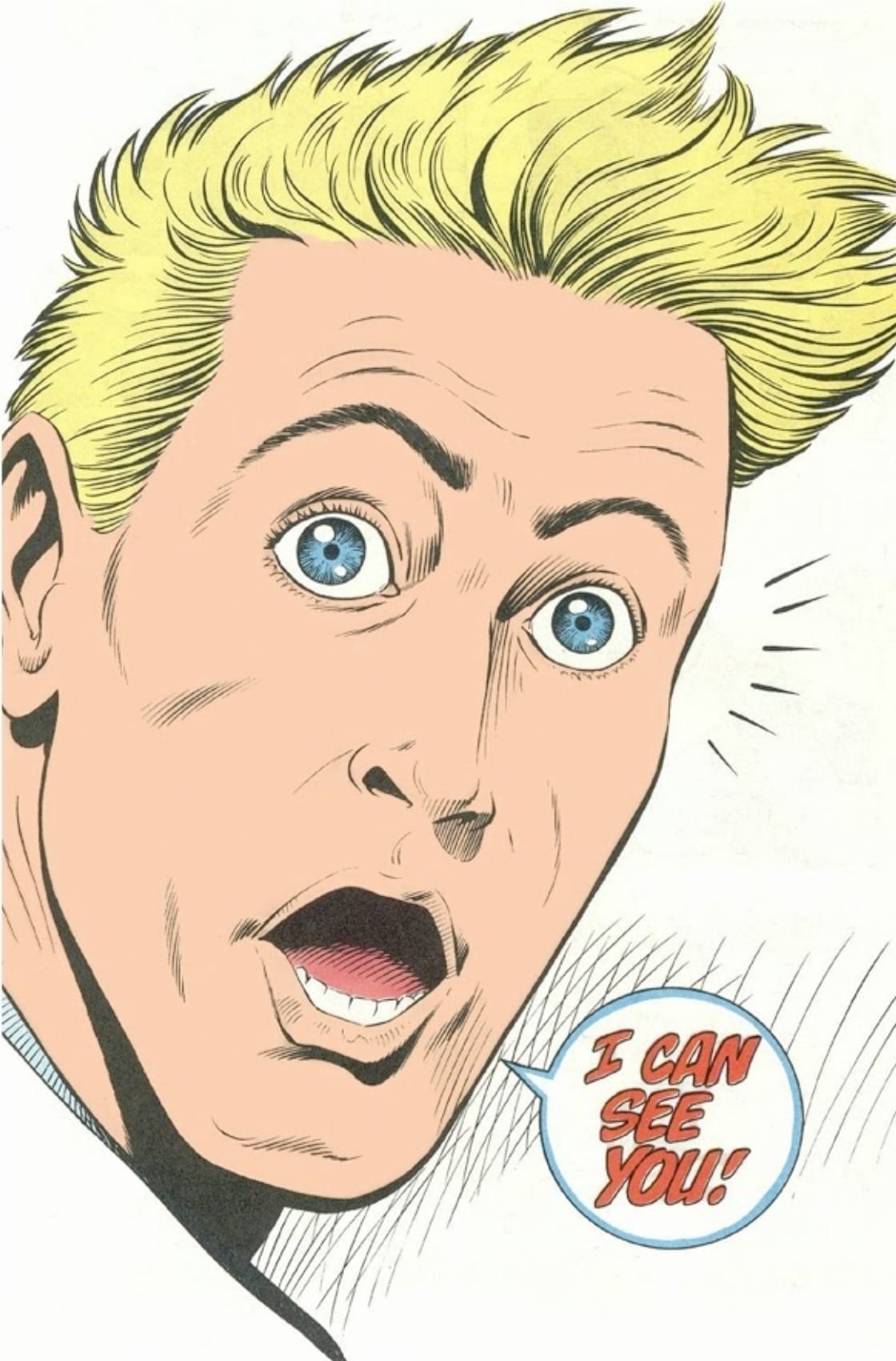
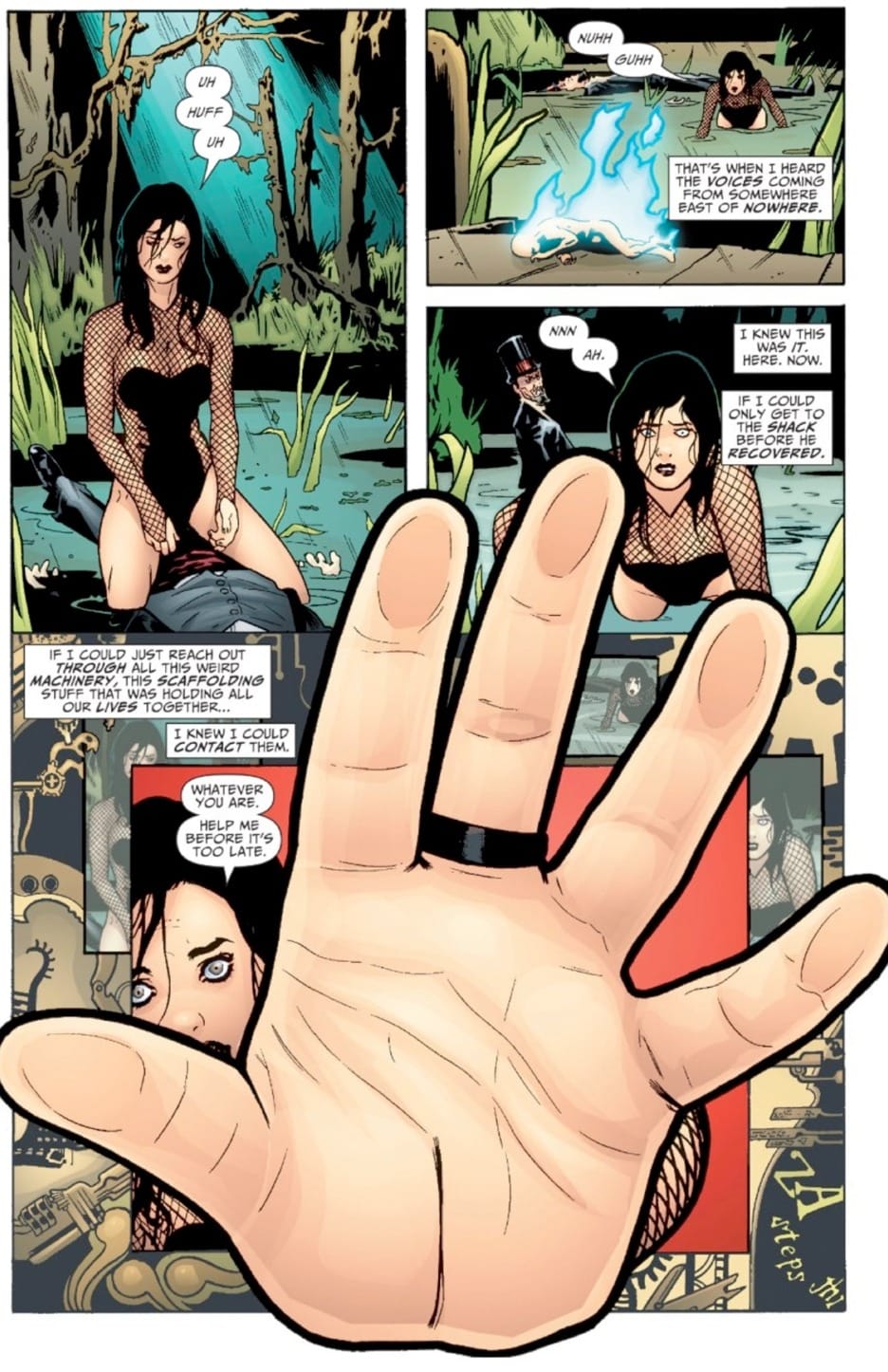
Both Morrison and Moore, despite their differences, understand the comic as an object interfaced with hands and eyes. An object that is multiple and one. In Buddy Baker’s horrified awareness of the reader the ‘you’ is all of us who encounter him there in the phatic space of the page, every time we do it, our readings separated by space and time occur in the same moment for him. When Zatanna, who as a magician is considerably more chill with this stuff, reaches out to touch our hands for support it is every hand that has ever and will ever connect that she touches.
ITEM
“Controls chafing my knees and elbows, I was a distorted version of myself” - Blue Jam (Chris Morris, 1997-1999); Jam (Chris Morris, 2000); My Wrongs #8245–8249 & 117 (Chris Morris, Paddy Considine, 2002)
With its woozy soundscapes and procession of medicated voices, Blue Jam was broadcast from a sunken world. The opening monologues are pure invocation, words to open a portal: “Then ee welcome. Oh, then ee arth welcome, in Blue Jam.” The transition to TV was easily parodied, but the new layers of ambient murk could make you feel like you were guilty of a crime you couldn’t trust yourself to name.
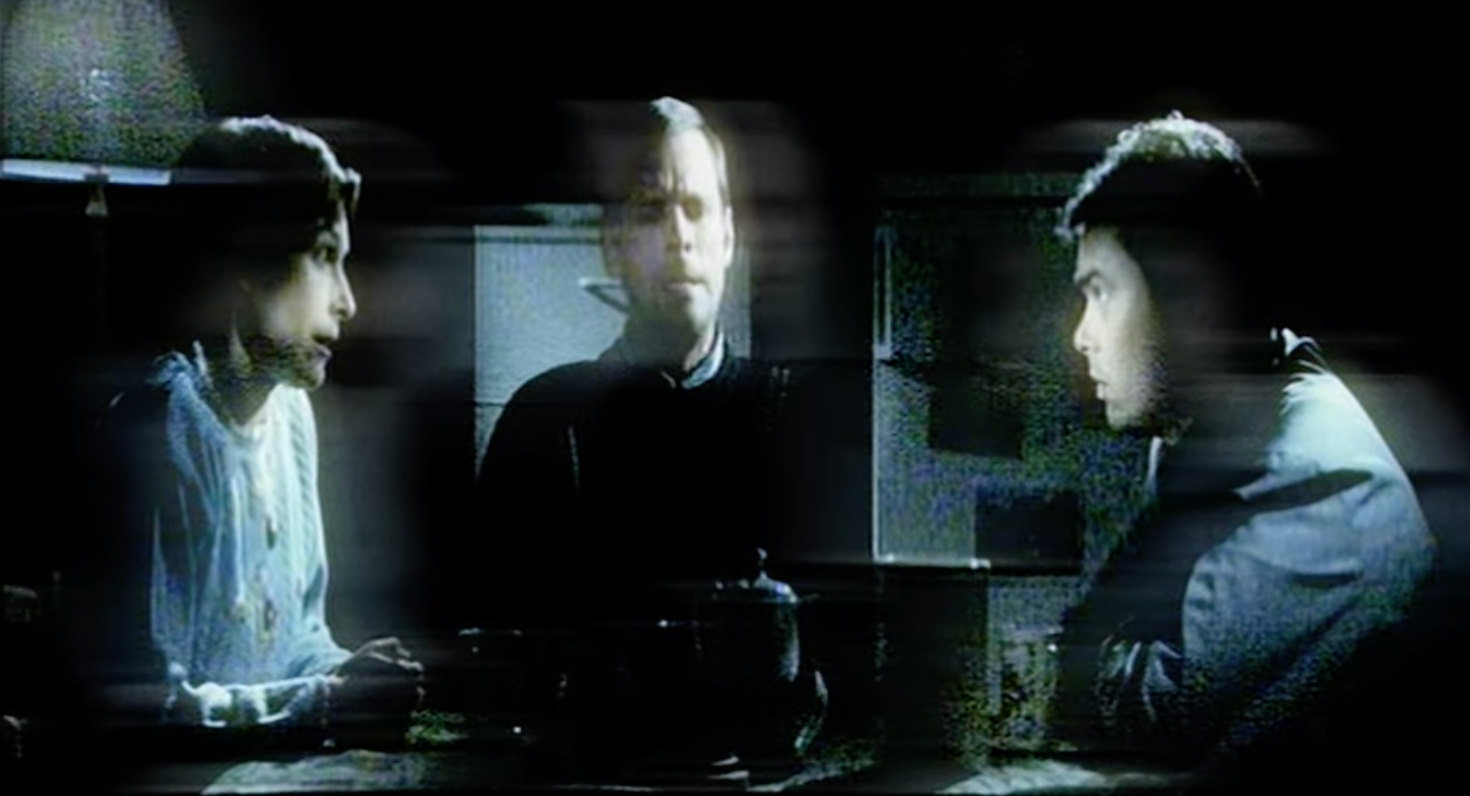
These transmissions collapsed the barriers between sensationalist media and its sites of reception. Living rooms warmed by scandal and doom. Corner shops freshly stocked with violence. Doctors offices like circles of hell presided over by demons grown bored of their vocation.

Despite being based on another Blue Jam sketch, My Wrongs #8245–8249 & 117 is largely free of the show’s Ballardian affect. Paddy Considine’s unnamed protagonist is a liquid human, neither bewildered or blase in the way of most Jam characters. Compared to the version in the original transmission, he needs comparatively little encouragement to put his head in the dog lead noose and charge into catastrophe.
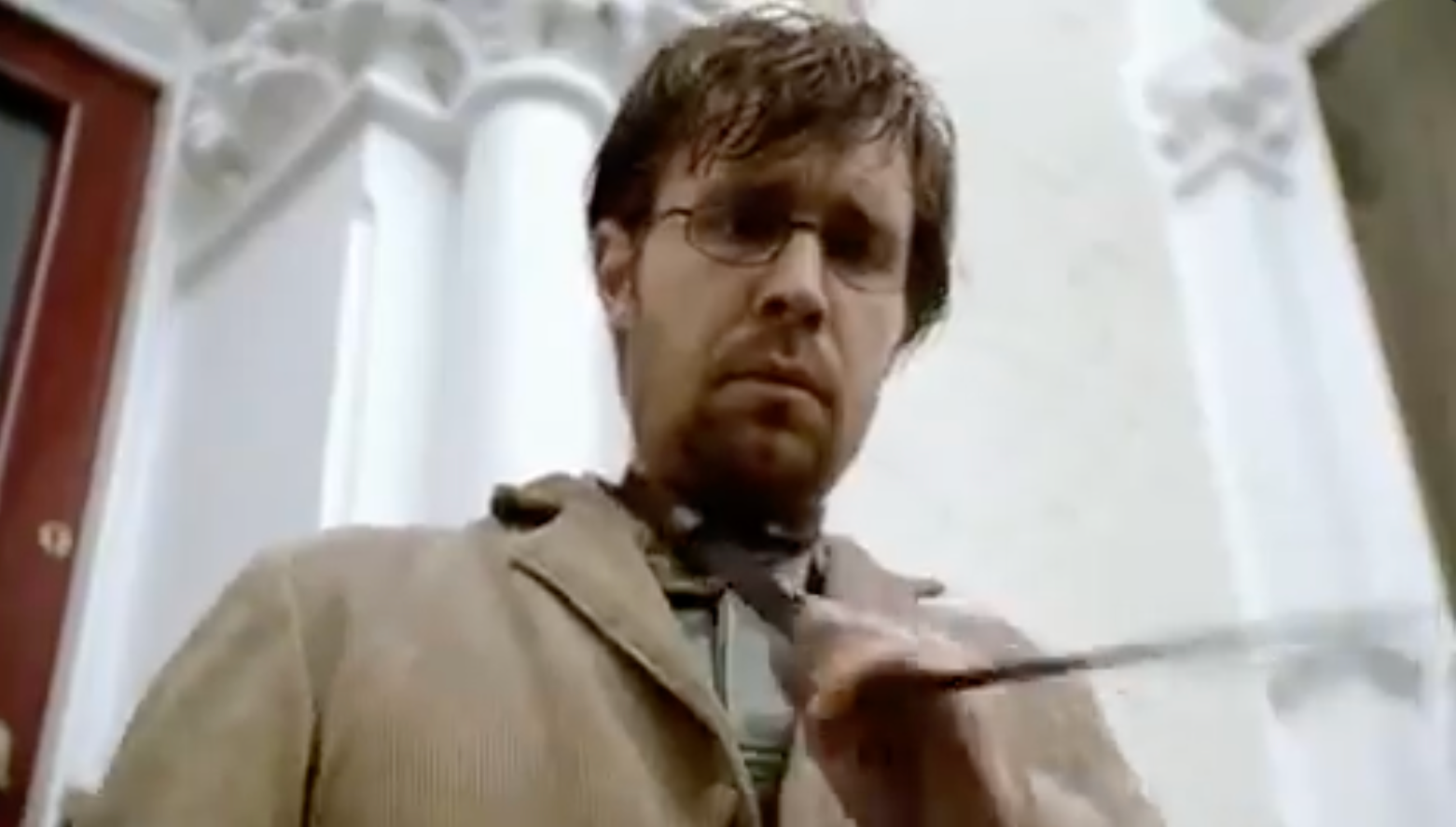
The result is a bicameral breakdown, a reversion to a childhood where animals whisper dark slander into your ear. For all the violence and alienation it’s comparatively jaunty stuff; with its jumpy visuals and glitchy sonics, the film finds a queasy ecstasy in its openness to these forces, which at least tease the prospect of someone else being there to speak to your shame.
As though troubled by his conclusions, Chris Morris has shifted his method and focus since 2002. Four Lions (2010) and The Day Shall Come (2019) attempt to find clarity around how violence is spoken into the world and why. A commendable approach in a reality where most of us are still stuck here in the gloom, arguing with the ducks.
ITEM
On a mission from god
Tell just one person that you liked this newsletter. Word of mouth, more than any other form of promotion, is how creative works get noticed and sustain themselves. Thank you very much for reading.
ITEM
TURNING A BIG DIAL THAT SAYS “ANNOYANCE” ON IT
Think about it though, you were subjected at some point to the digital garglings of Autobot hovercraft Seaspray, who is - unlike the noble Powerglide - lying when he swears fealty to that Mayan princess and the only thing worse would have been having to watch it in bloody gaelic. So annoying.
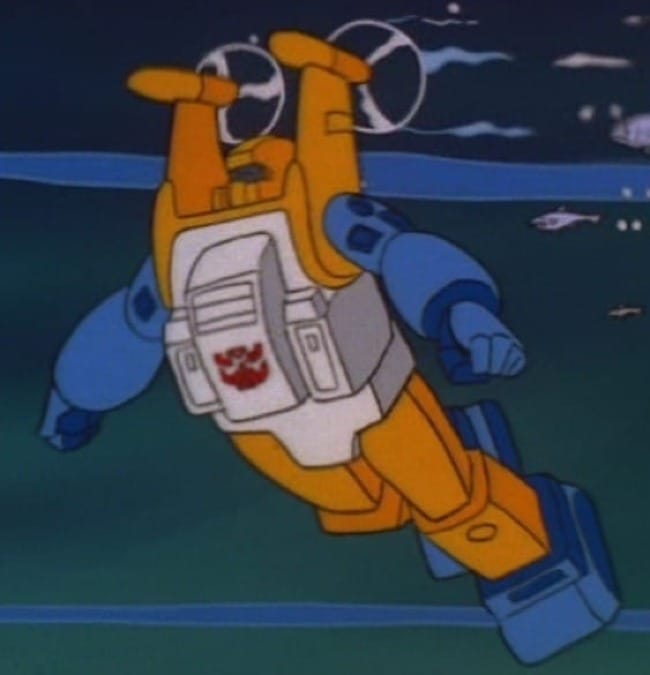
Oh my GOD Seaspray shut the FUCK UP
My music listening has devolved to some extent or - like, I still listen to Bill Callahan (who is a rapper anyway, since his lift'n'carry fetish anthem Held) but I used to listen to sophisticated stringed instrument Americana, Will Oldham (star of the best Kanye video) and them and I do think it's partly because of the platform that I do listen to digital music through digital streams and they are jingly, attention grabbing, immediate; you can ride the algorithm but it plays you too- but I am really testing my limits with the immemorably named, Seaspray emulating Ken Carson, this grungy collage with chiptune feedback by Tiffany Day & slayr - I am told she is a tiktok person by the yout'dem - and the entire new Cochise album Trench Town which is I imagine like taking ket (or lean, I would have to guess?) on a ferry between the disco and arcade, in a brilliant way though. I know it sounds terrible and unseemly, wait, I have a racecar bed… come back… I understand 16-bit hell.
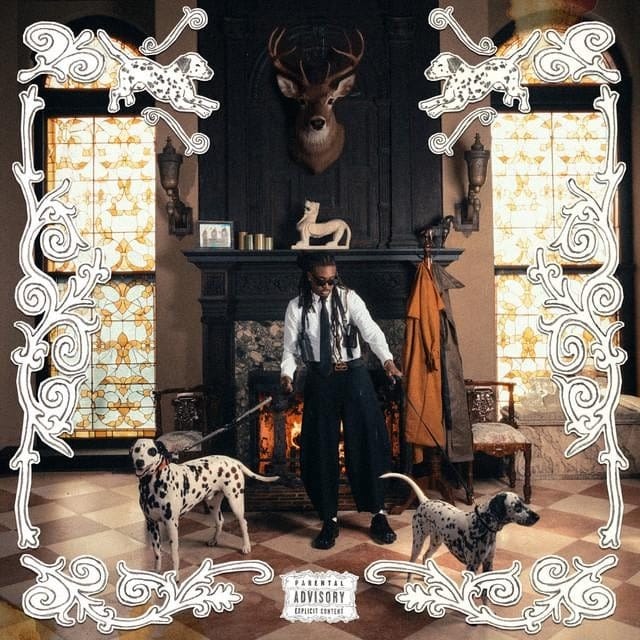
This is the most annoying one: buffed up like a jock, geeked up like a nerd but also very aspirational - there's a perfume principle, there has to be an underlying and sense aggravating whiff which is layered with, melodies, or samples of hyperpop only months old in the case of new slayr Promise, which samples from the _underscores_ album I mentioned a couple months ago; overstimulating
stimming is just small dancing
ITEM
Canto XLVII by Ezra Pound (1937)
While his men are turned inside out, shown to be no more than their hungers, the traveller’s metamorphosis at the hands of the witch queen Circe is more complex and profound. Over the course of his year’s retreat, sex magic and snowdrops, his self merges with the island entirely, becoming indistinguishable from its animals, plants, spirits and seasons.
He throws himself about her knees and begs for release. Her argument demonstrated, she agrees. The path from her palace or hovel to the shore is the year again, spring to spring, the complete process of man and nature entwined, the budding forth, growth, profusion, waning and death of the island’s life. Bounding down to freedom, through his embodiment of the island-space he also becomes the repository of its time, the interplays of knowledge and custom bedded about it, connecting the land to the human territories - language, craft, art. The precise number of oxen needed to drag a monolith to the top of the holy mountain. The necessary rites upon meeting the shore.
In Rapallo, Pound watched local women place votive candles on the waves, uniting fire with water, so the eddying light - a new thing impossible to nature - could further exalt their prayers through its resonance. The sea glow rolling and falling, red like the blood of Adonis, castrated, his balls flung into the surf to make the fish return and grass grow tall on the hillside, for the sheep.
Odysseus leaves intact, without having to read the final line. It’s not simply that he is the island now - although soon to be gone with his men, snouts turned back inside again - and so immortal. It is that before, in the cave of Polyphemus, on the island where mammoth skulls are exposed on the rock face, making tales of a tribe of elephant headed men, he said to the giant ’I am no-one’, the lie finally coming true as he raced verdant towards the sacrificial shore.