If the Oxygen Destroyer is used even once, the politicians of the world won't stand idly by
Inside the Data Centre. Shin Kamen Rider. Imprinting. Milestones. Under Pressure. Planks Constant. Fountaiin Court. The Pet Shop Boys. A scrying pool in the well of every hand. Medea Sang Me a Corrido.
ITEM
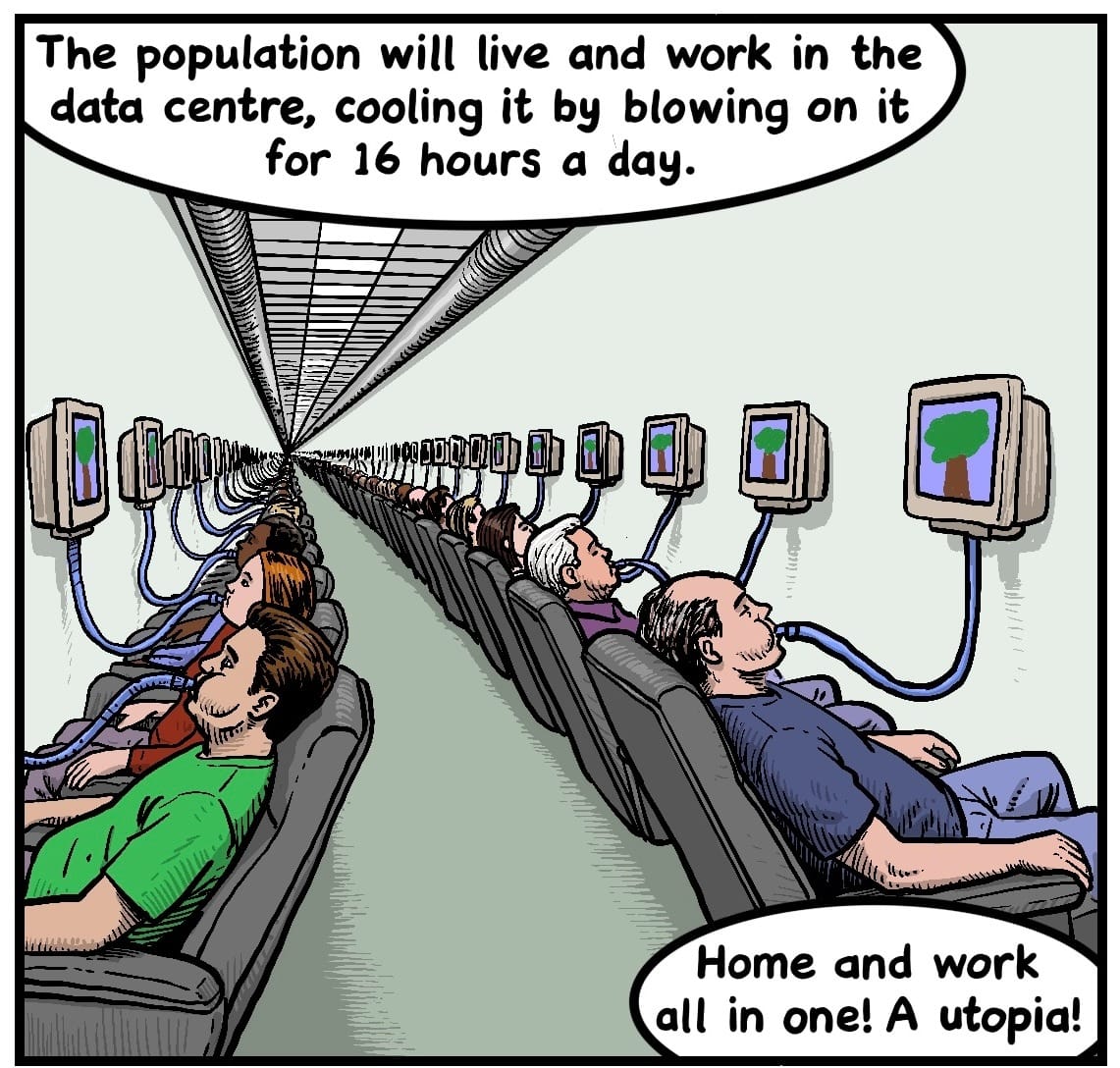
Inside the Data Centre
Pricks#6 is in production.
ITEM
Shin Kamen Rider (Hideaki Anno, Sosuke Ikematsu, Minami Hamabe, 2023)
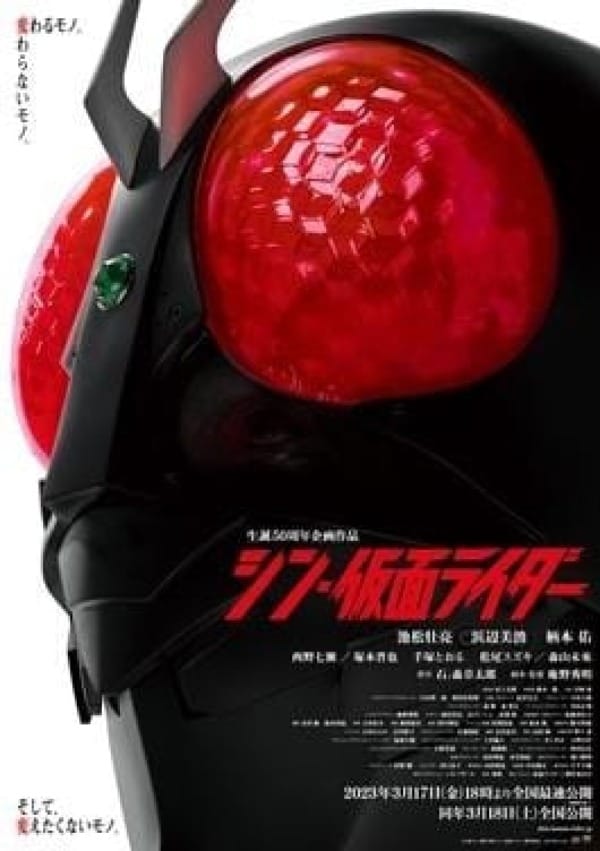
A strange movie, clearly shaped by an overabundance of love as well as pandemic filming restrictions. We’ll start with love, knowing we can always come back to it in the end.
Where Shin Godzilla presents a ruthless “ultimate” version of its source material, Shin Kamen Rider is disinterested in such efficiency. The steady procession of masks and motives in the first half feels like a supercut of a TV series, while the back half skids into a ditch of sadness you couldn’t blame yourself for missing on the ride out.
It’s the sort of movie only a true head would make, in all the best and worst ways.
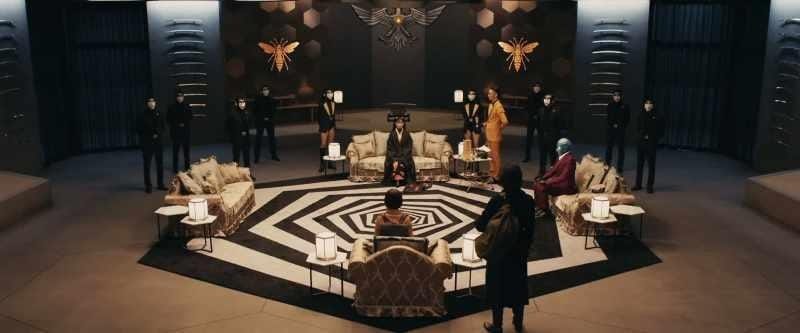
As for the lockdown damage, Chris Ready caught that aspect perfectly in his review, calling it “a film concerned with tiny human figures broadcasting their thoughts to vast, empty arenas.” To Chris’ observations on the industrial landscapes and germophobic tics we might add two notes. First, that Shin Kamen Rider keeps running into its fear of the horde – Wasp-Aug’s army of mind-controlled strangers, the plague of doppelgangers in the finale. Second, that its flashbacks depict a world on the verge of irreversible damage, all possibility of human connection haunted by parents now an impossible distance away.
Some artists experience one crisis and spend the rest of their career refining a hermetic vision as a way of holding off further collapse. A superhuman rider with a cool mask is obviously built for just this task, but Shin Kamen Rider repeatedly swerves away from this compulsion, always aware of the authority figures urging it on.
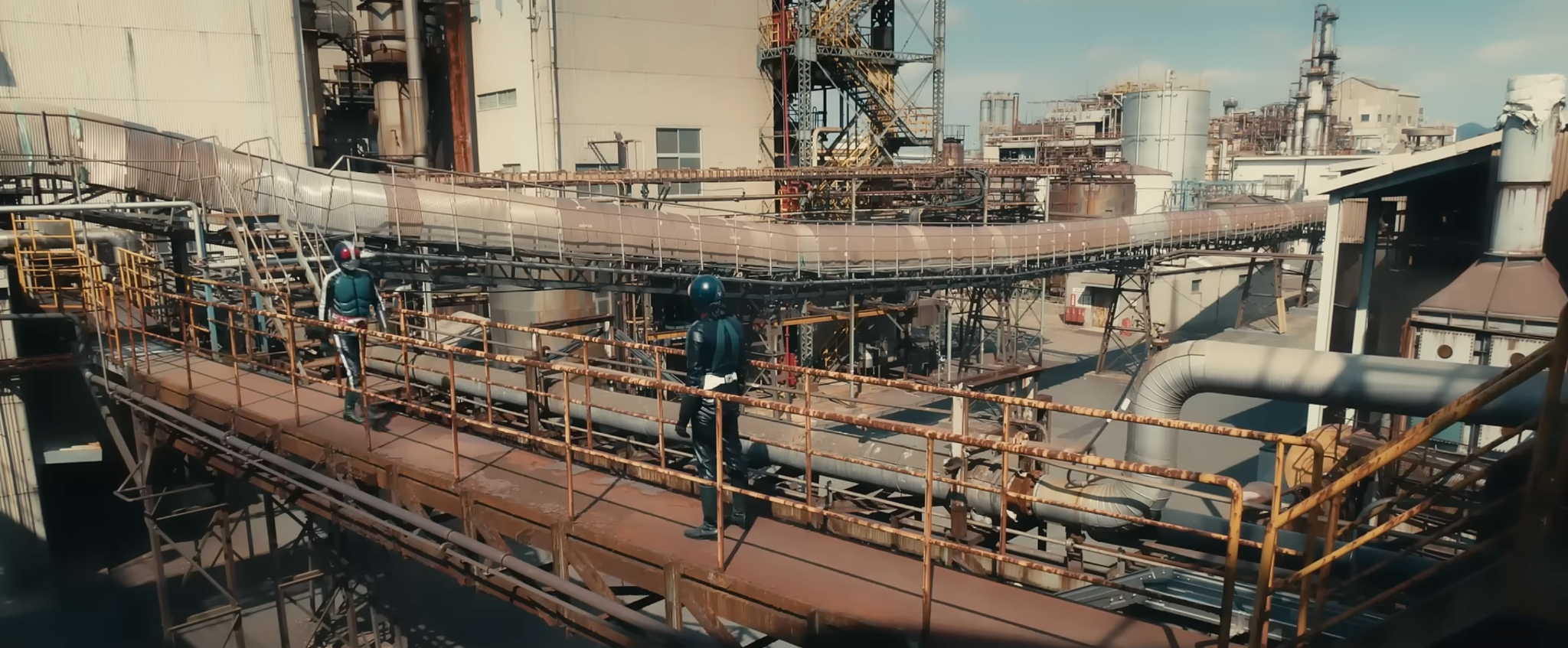
The film’s solution involves the mask’s ability to act as a personal cinema, a vector for precisely two souls to communicate. Here, on the road, we find some hope for connection – shared experience through the love of genre fiction.
ITEM
Imprinting
Semolina (David Langford, 1982)
The Exorcism of Amy (Pauline Milne, 1983)

I’ve always been scared of possession. I blame God. And Father Christmas. Telling me that there were invisible beings who could see everything I did, know everything I thought and judged me was an early parental tactical error. I’d lie awake in bed watching faces form in the artex stretching and twisting like chewing gum wondering what they saw in me. Pop culture didn’t help. Two bits of nightmare fuel stand out.
The short story Semolina encountered in 1982’s Peter Davison’s Book of Alien Monsters. A disembodied voice starts speaking from a bowl of semolina, the alien intelligence needing a host moves from inanimate object to inanimate object, wheedling, bargaining, threatening. Eventually engineering an accident and a demonic pact to make things right, the price of your mum’s survival an alien voice living inside you. I didn’t know what semolina was but assumed it was a bit like porridge, giving me a lifelong aversion to Ready Brek, the red glow halo in the advert further evidence of a mental hijacker.
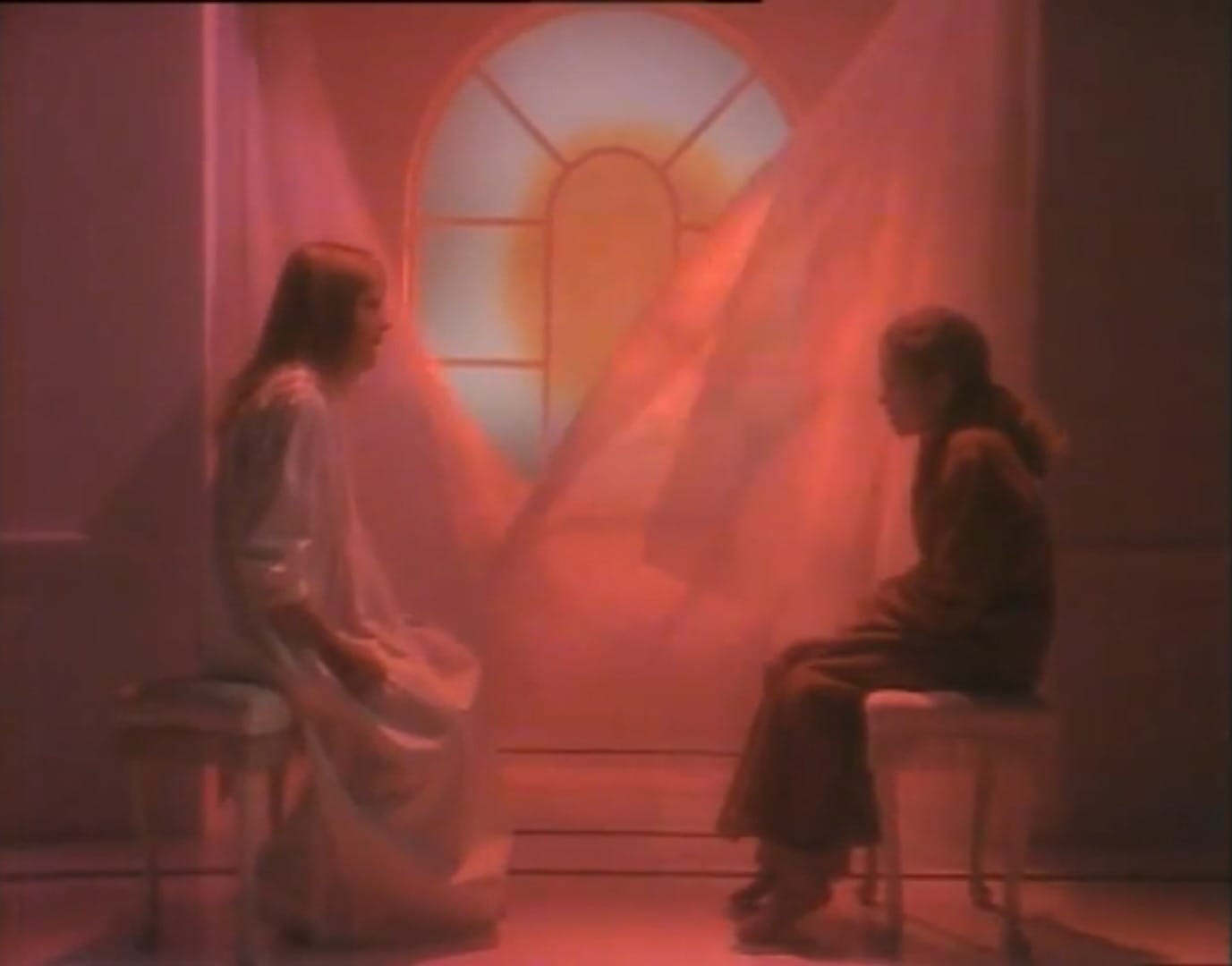
The Exorcism of Amy (Dramarama: Spooky), abstract sets and block colour lighting, Suspiria for kids. Troubled orphan Amy crashes into Elizabeth’s home, the destruction she wreaks caused by her not-so-imaginary friend/alter Amelia. Elisabeth engineers an exorcism, a battle for Amy’s soul self. Improvised ritual magic screamed into a storm. The storm drops. Amy has won. And then Elisabeth speaks in Amelia’s vicious tones.
This doesn’t happen so much anymore but it’s still difficult to write about. When I was a kid there was a voice in the back of my head that was almost exactly like mine but not. And if I thought it too hard it would threaten to become me. Sometimes it insinuated that it already had. I don’t think it did. But I have to stop writing about it now because I can feel it again.
ITEM
Milestones
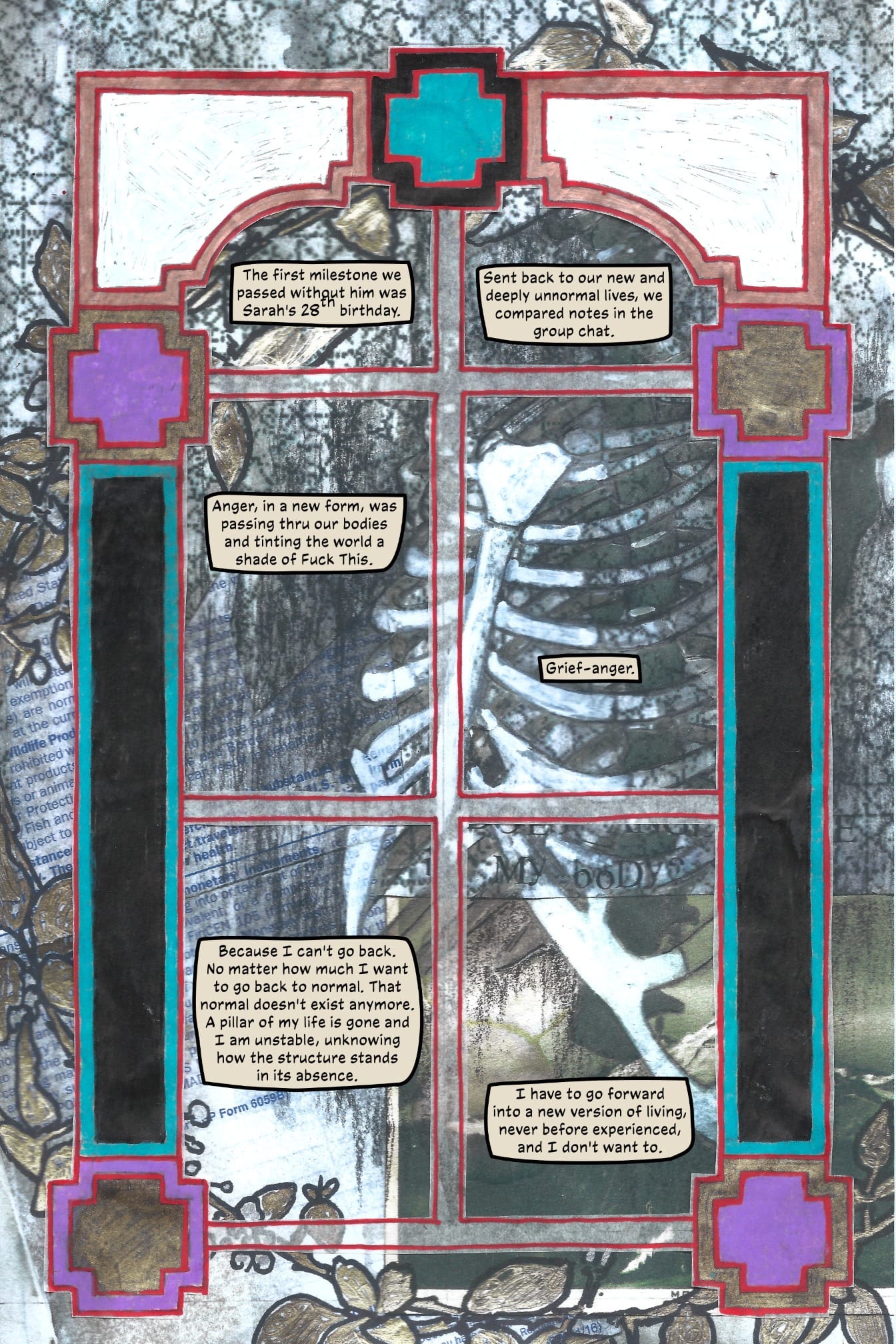
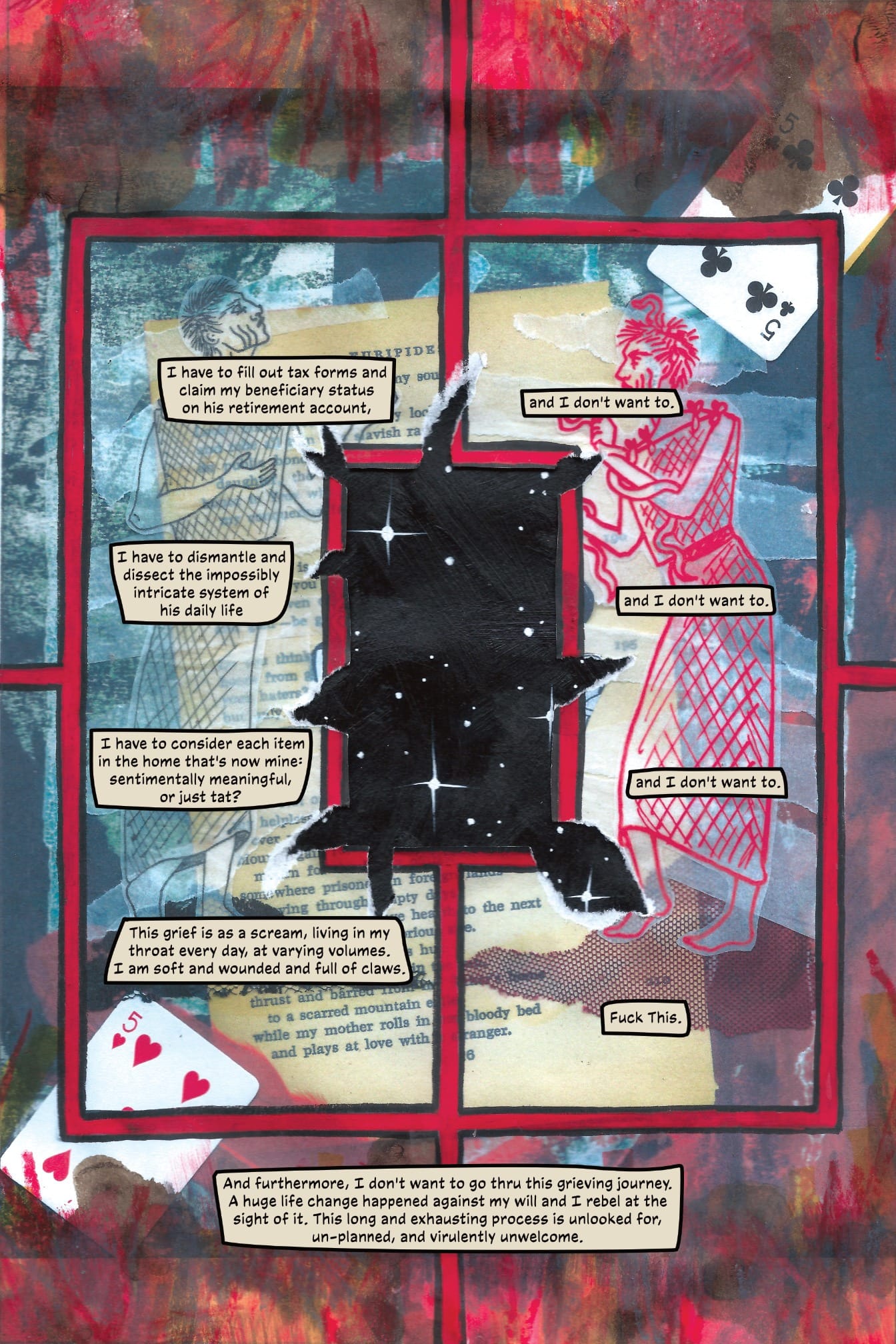
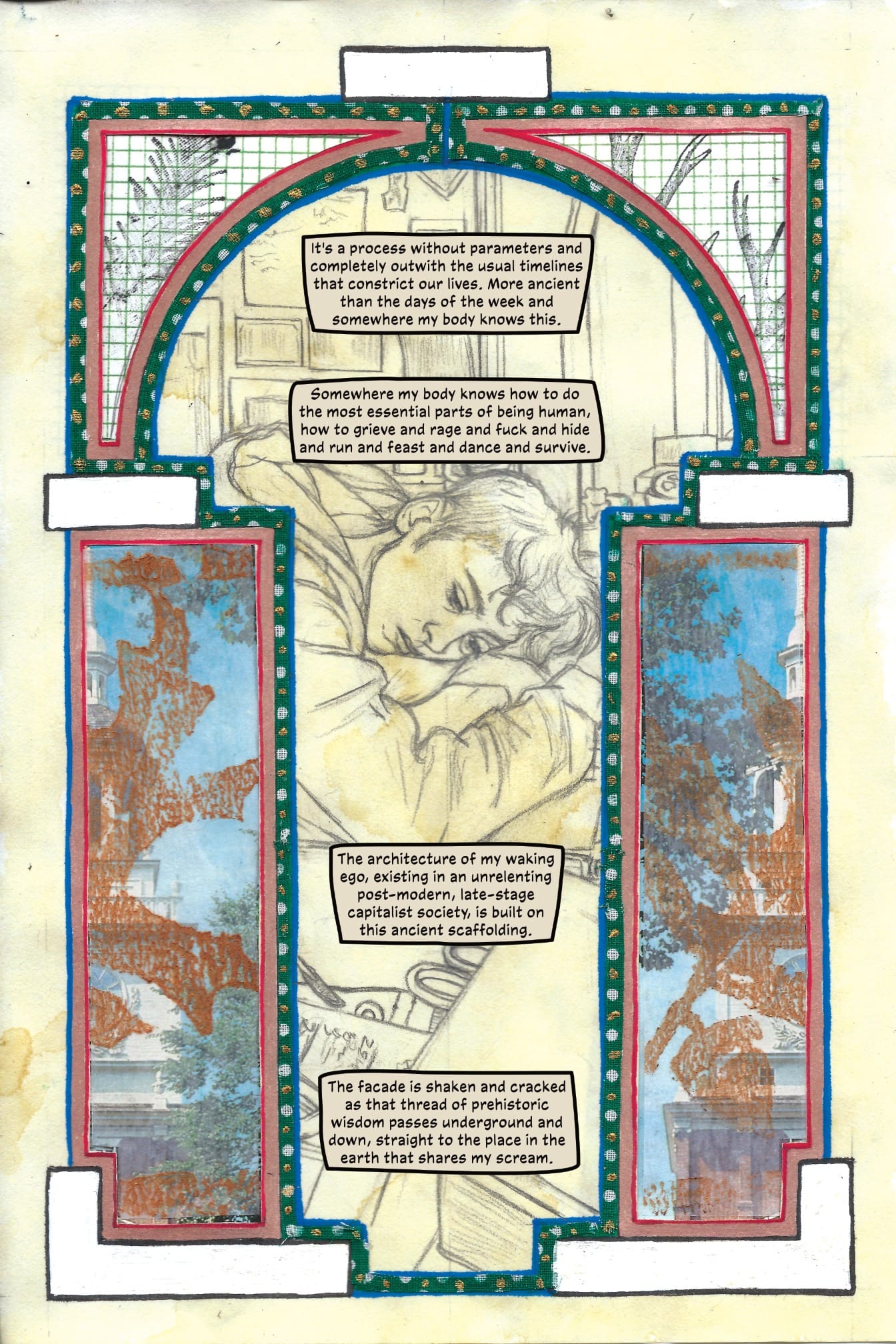
(From The Weight.)
ITEM
Under Pressure
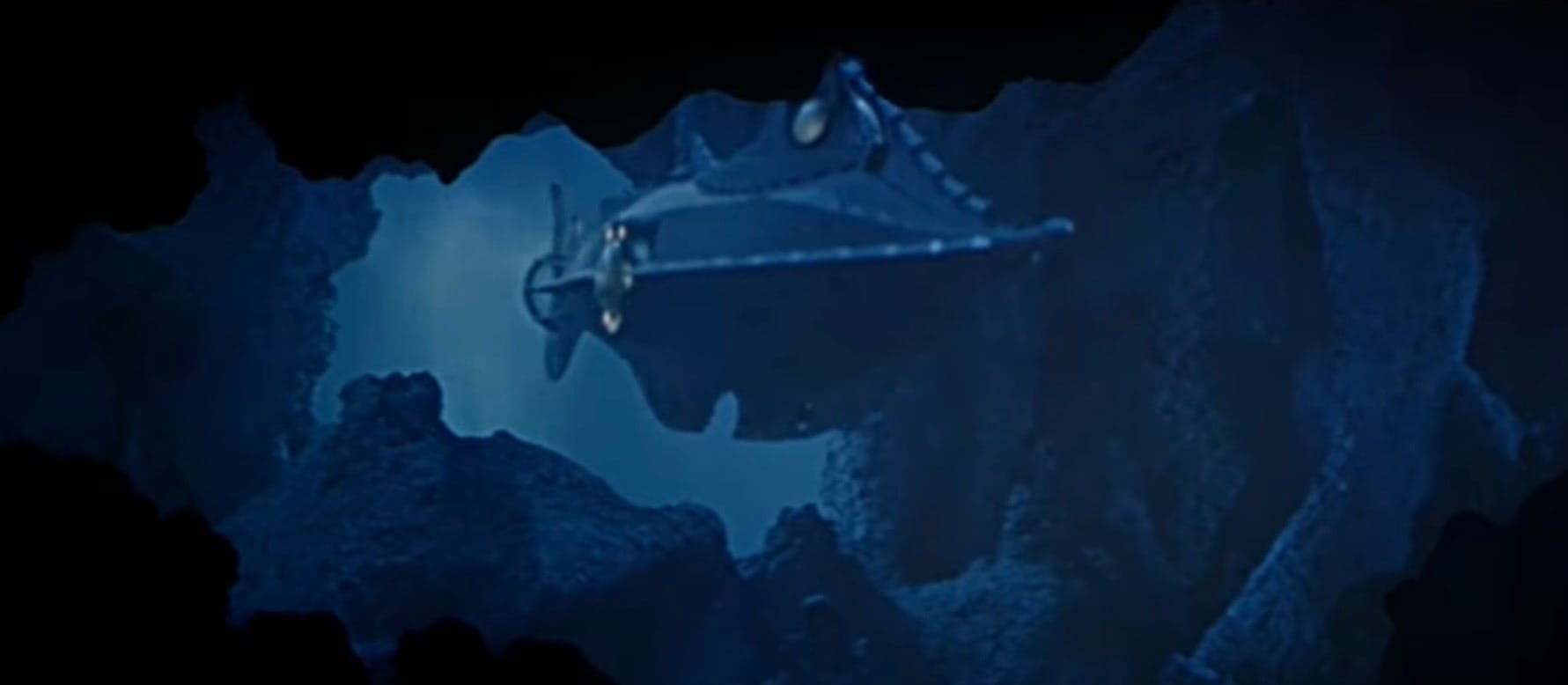
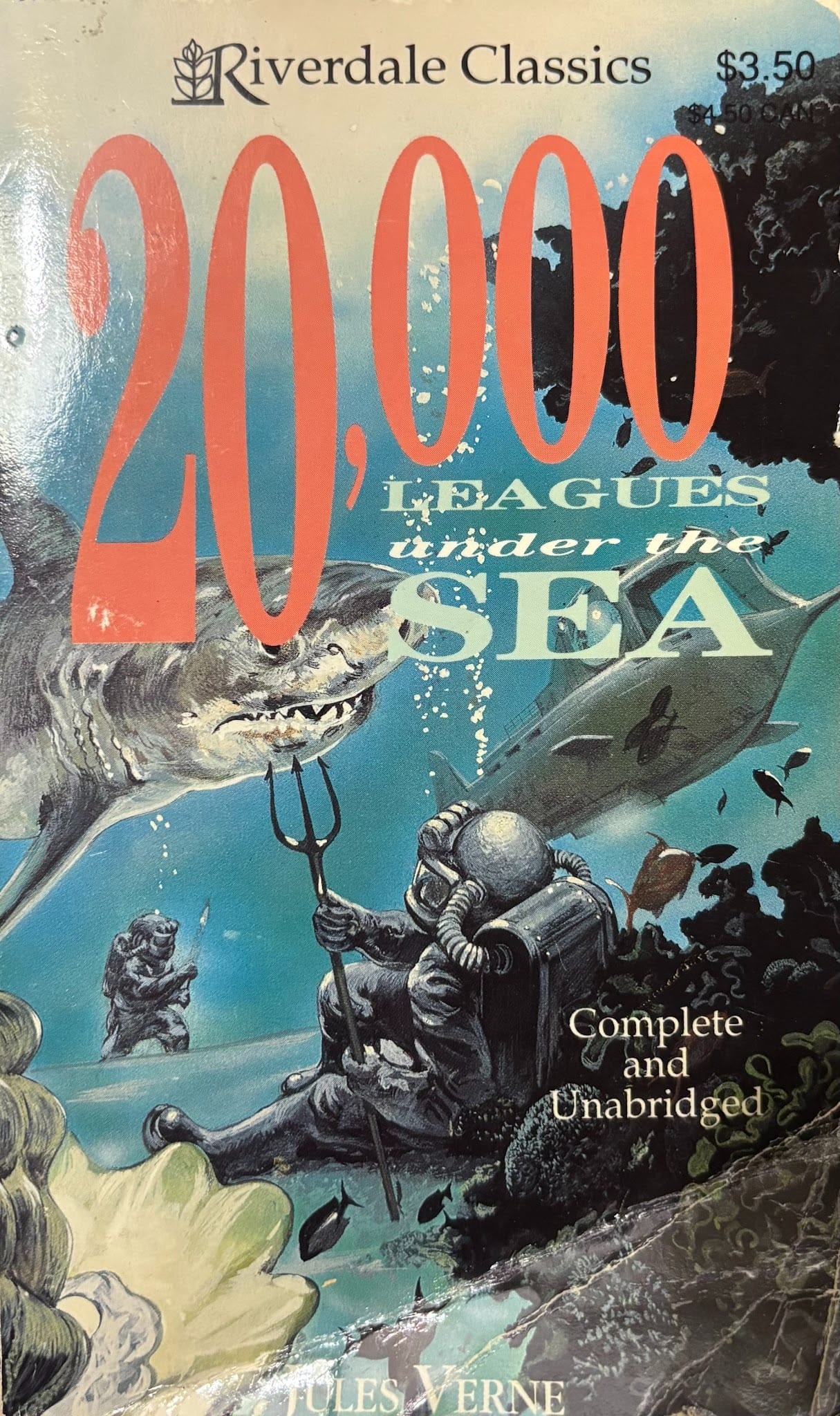
I was a late entry to my family, missing out on a grand holiday to America in the 70’s, visiting a relative who’d emigrated. It resulted in the best holiday of my childhood, when my mum took me over on my own, and my Aunt arranged a bus trip to the Florida Disney entities. Skimming a brochure, I came to the entry for the ride based on 20,000 Leagues Under the Sea. The Harper Goff Nautilus hit me like a thunderbolt. There was now only one mission objective my six year old brain would entertain. The ride itself couldn’t live up to the fascination with the machine itself. I insisted on a copy of the book, which I couldn’t get my wee head around. Like my Martian experience, the machine was more important to me than the text.
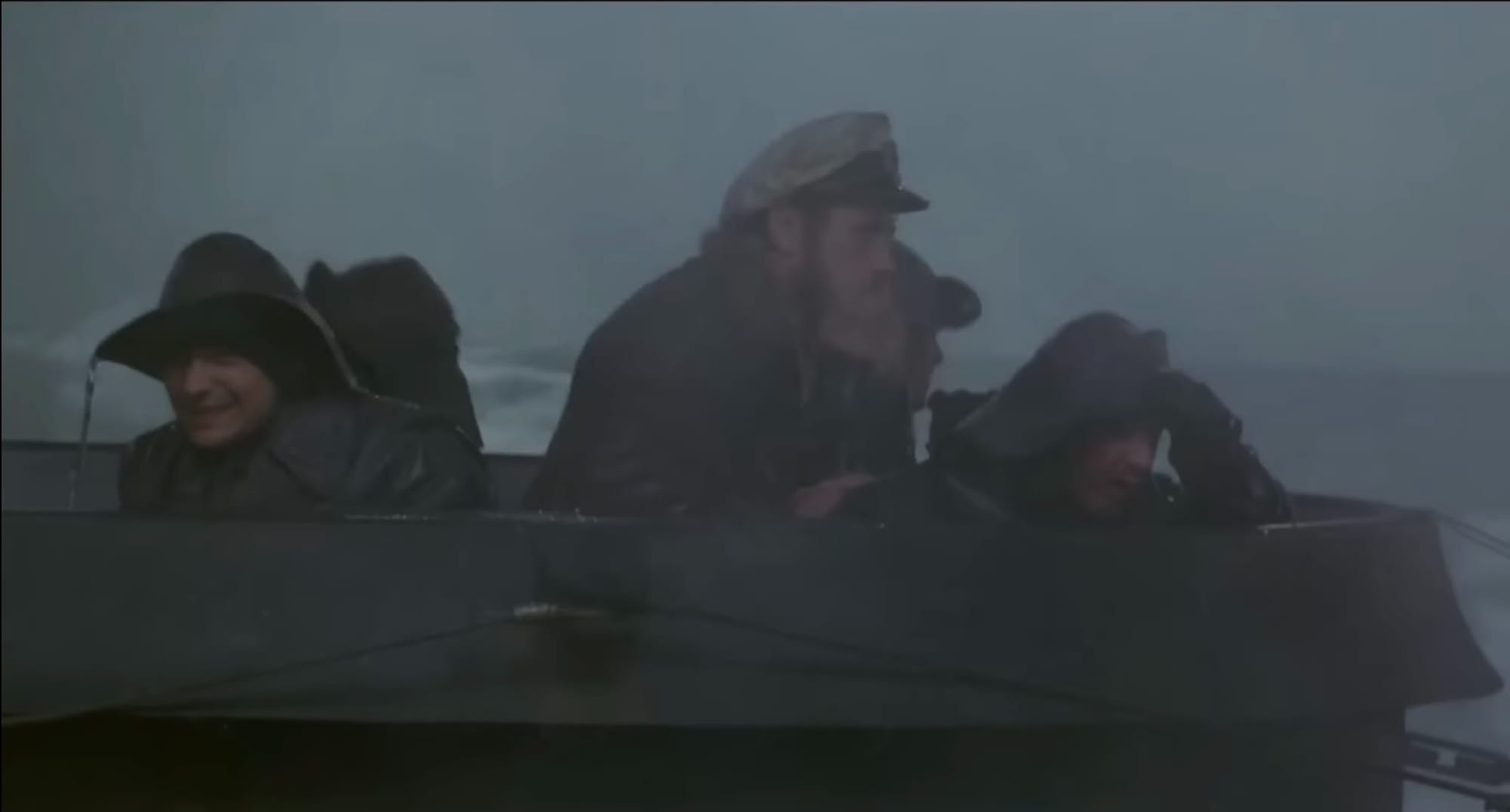
The romance of Nemo’s vessel and the secrets it might discover sharply contrasts the experience of Lothar-Günther Buccheim’s Das Boot. I’ve been haunted by his description of a period of two weeks in the Northern Atlantic. Absolutely fucking heaving about with no respite, flung about during sleep hours. Faces scabbing from watch duty as salt water batters them.
Decades after Nautilus, I would visit the amusingly named USS Growler, a museum piece in New York. An early nuclear cruise missile vessel, apparently expectations were she would be destroyed before firing half of her eight missiles. That, coupled with the sense of confinement aboard, produced a sense of utter existential dread in me. The mentality of the men assigned there seemed absolutely beyond me.
Under such conditions festers Nemo’s anger, failing to salve his aching loss. Annorax finds the real treasure, though. Healthy masculinity or queer devotion? The same beautiful thing, really. Love. We must sail free from the madness of killers.
ITEM
It is nothing but love and emotion
Tell just one person that you liked this newsletter. Word of mouth, more than any other form of promotion, is how creative works get noticed and sustain themselves. Thank you very much for reading.
ITEM
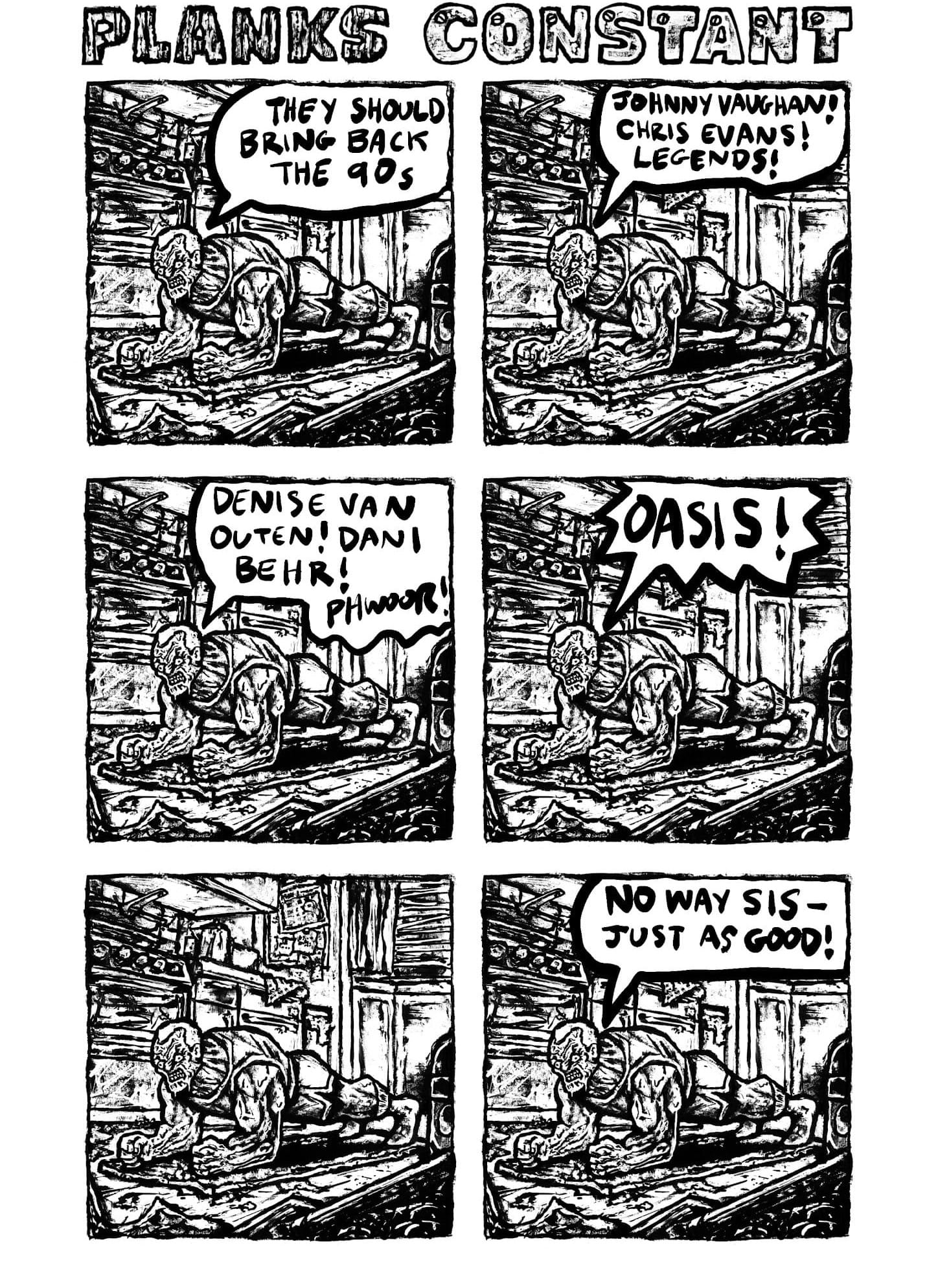
Planks Constant
ITEM
Fountain Court
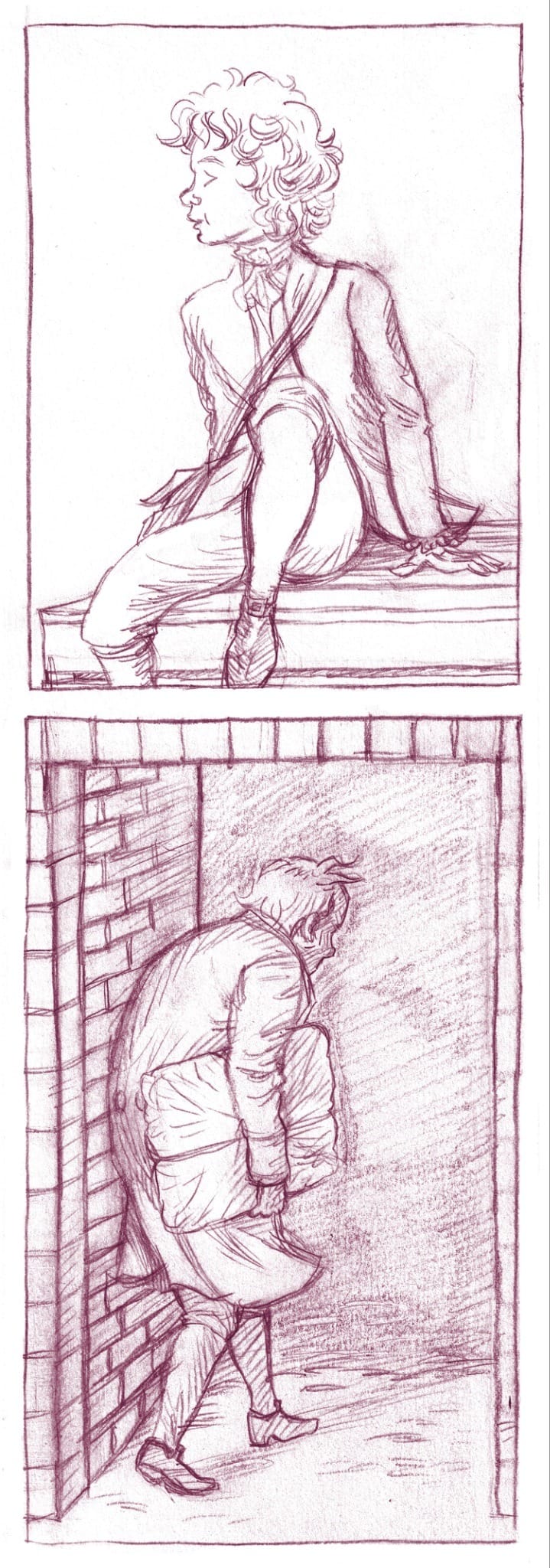
After Death’s Door by my man, William.

ITEM
THE PET SHOP BOYS
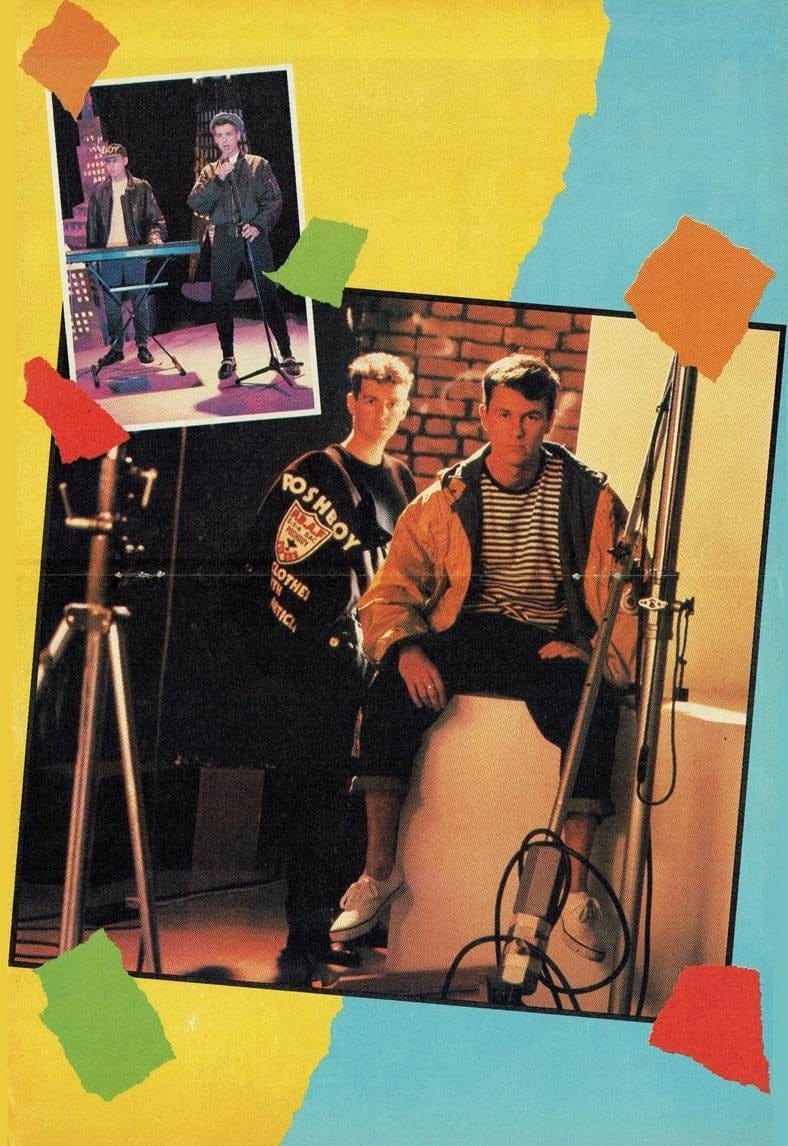
Pop music is over-eulogised for its importance, but here’s the thing.
It does change lives. Or it certainly shapes them.
I grew up in a small village in the Southeast of England at the tail end of the 1970s. My early childhood was characterised by a rurality of gorse, stinging nettles and electric fences. It was dogged by a nagging sense of post-war malaise. Dead sheep in pillboxes; snow so thick you could walk next to the top of hedgerows.
There are things about my childhood I loved, but I also felt like I lived a million miles from anything vital. One foot was permanently in the past. Cathode dreams and fantasies came in tantalisingly contained chunks.
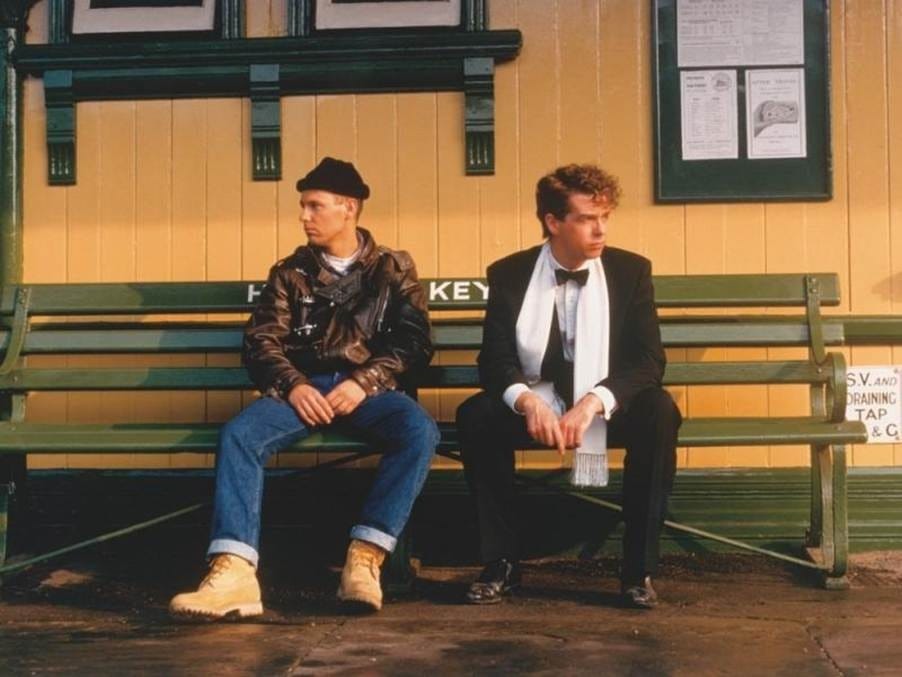
That’s why the Pet Shop Boys hit me like a quiet, elegant train.
My older brother had discovered (as old brothers do) the edifying power of earnest, serious rock music. Queen, U2, Pink Floyd. I flailed; I remember pawing through his copy of the Virgin Encyclopaedia of Rock seeking inspiration.
Getting a tape of Introspective by The Pet Shop Boys for Christmas 1988 changed everything. Here was music that was the polar opposite of my lived experience. This was the sound of rain-slicked taxi windows as you head downtown (or uptown?). Of urban sophisticated lives, thrillingly complex and modern.
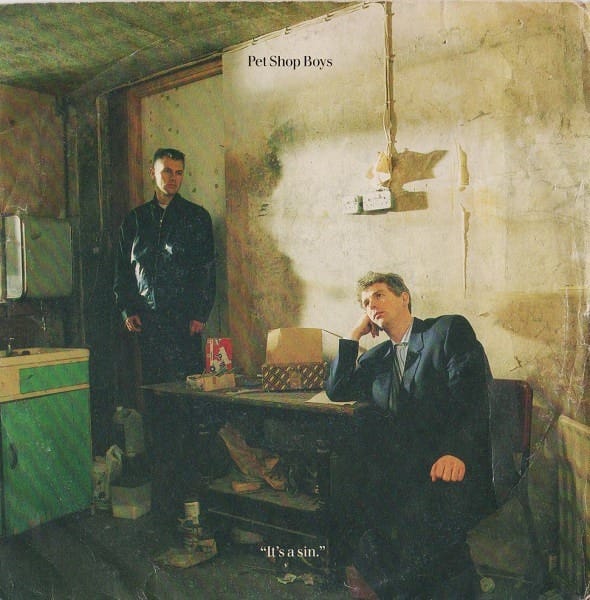
These beautiful kitchen sink symphonies would provide me a life-long love of electronic music; Chicago house and New York disco, by way of Joe Orton. Point me to Derek Jarman and Dusty Springfield. Talk to me about being gay at the tail end of the 20th Century with wry wit and yearning compassion.
I would lie on my bedroom floor, listen to the Pet Shop Boys and imagine worlds outside my own.
When the rain falls on an Autumn night, I still do.
ITEM
A SCRYING POOL IN THE WELL OF EVERY HAND
The much-derided 2009 era phenomenon of girls doing Plain White T’s style acoustic covers of Lil Wayne…? Good, actually, they just needed some time to incorporate some Future, fuzz up vocal FX, write original material and loop in that rustic feel - Sophia Stel on “I’ll Walk” informing you the listener much as Playboy Carti might “my money my wrist my watch/my party my house my everything/I’ll never run out I’ll walk”, Mallrat on the latter has a great Azealia Banks collab (“he said my pussy tighter than Nicole Kidman’s face”) on the books already - women in pop are more powerful than ever (“Welcome to my island bitch”) and it is fascinating to see these recomposits of rap structure, the bloke was right about pop eating itself - another obvious one is Kim Petras’ doubtless also Emma Frost inspired Icy.

Sophia Stel - the greatest album of all time
I haven’t really been up to much recently, I do feel ~ oh is he still going ON about this ~ death threats and life saving surgery in one year is, yes, it’s main character energy but not really what I was hoping for (more erotic thriller if we are 1000000000% - yes that’s one billion - honest). Where’s MY justice?! I am a fifth through the China Mieville door stopper which is I can already say a lot more Andy McNab, a lot more Duncan Falconer (not his real name, fake) than I thought it would be, conceived it could be,
What else, oh I finished Nuke Riders (House of the Dragon) s3, I barely know or care who most of these characters are at this point but the vibe was alright, minimal incest, nukes were ridden, whatever
THAT’LL DO YA THIS WEEK
ITEM
Medea Sang Me a Corrido by Dahlia de la Cerda (Scribe, 2024, trans. 2026)
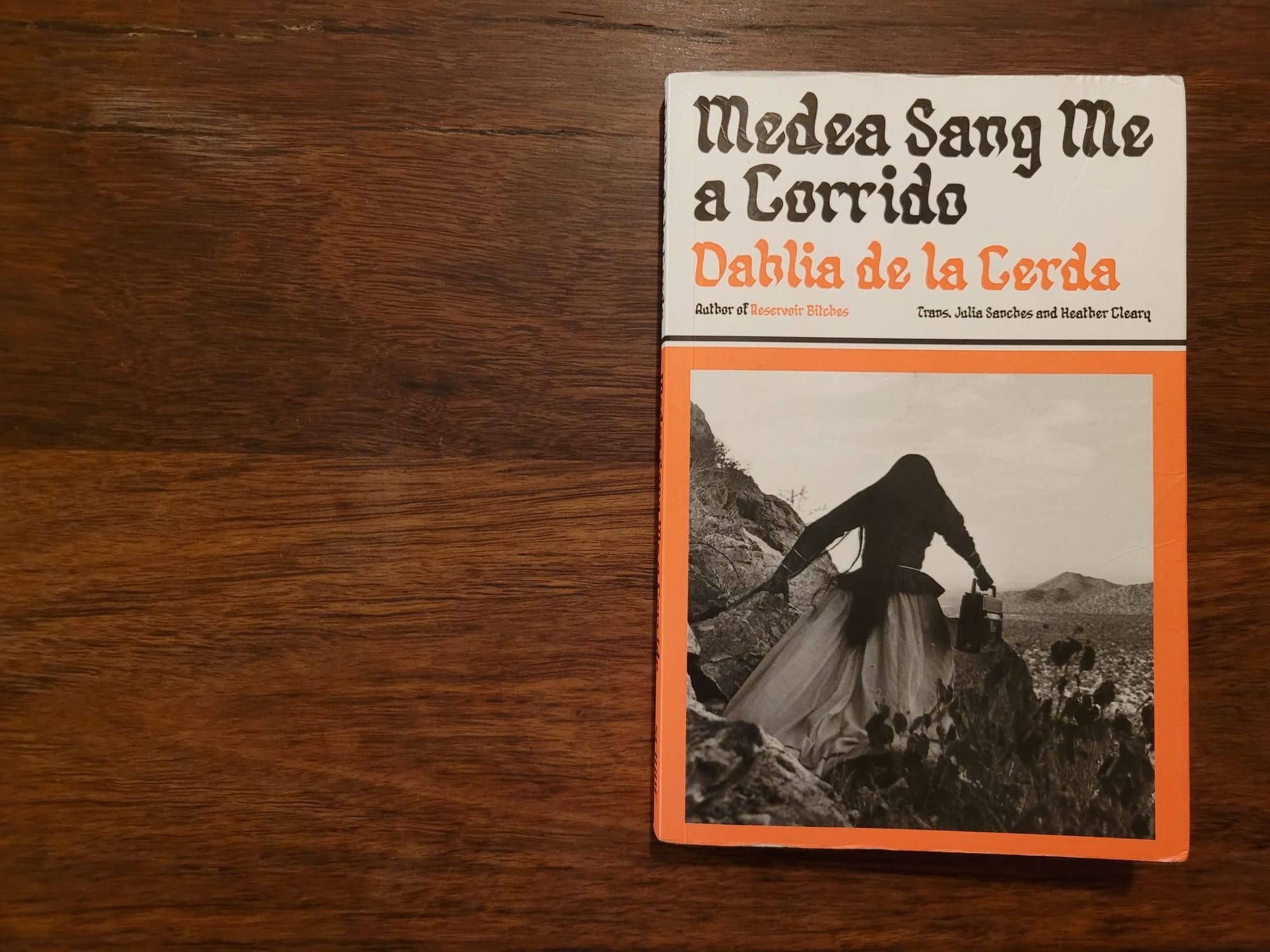
How to pull a goddess out of the machine. Her fate, hostage, betrayed and disgraced, her reply to fate, its excess. Every hatred that constructs her as an entity is predetermined by the blind traps and levers of kings who invaded her home and tricked her into turning against her own. Male sorceries she wasn’t prepared for, too young. Millennia pass and she is not let go or cannot let go but eventually gets a car from the VW factory in Puebla and rides into a faraway fiction with all the sharp freedom of exile.
As a space of pain Aztlán is infinitely expanding, as the hearth of redemptions it is piercing and microscopic, two tachyons in opposing directions coiled in each others’ tails. She makes its deserts and towns and women into nourishment, eating their sands, their lives, their words and everything created or hidden underneath their words.
The witch-queen sings out all these feelings, gives it back to the land, accurses it, beatifies it, makes country where gods can slough old skins and reinvent themselves. The new Medea’s folksong, bars chopped to the bone, from chit-chat natural into terse, bullet-shaped exit verses, for her priestesses, her narco consorts and childless mothers, for the rocks disturbed by mass graves, the cities that swell with hope and innocence before growing faint from weeping.
See her for what she is. Eons-old being thrashing in pain, making a body from poems and canvases and sculpture, from the sides of water jars, becoming flesh through the action of loss and sadness, revenge and balance. Here down among us she can never forget her children, but she can live at peace with her pain, and that’s enough.
It’s not enough. It cost too much. The holy drama existence treasured her for. We need a Medea who can hate. Old enough to master his medicine, the formula: a wound inflicted by another is only cured through a worse wound inflicted by oneself. So cherish the memory witch queen, the horror dawning on his fucking face.