She got a camouflaged face and no money
Andrew & Steven. Unsuitable Boys: Tony. Metamorpho/Microserfs. Graham Bond Organisation. I have Microplastics in my Blood and Brain. The Assault on Culture.
ITEM
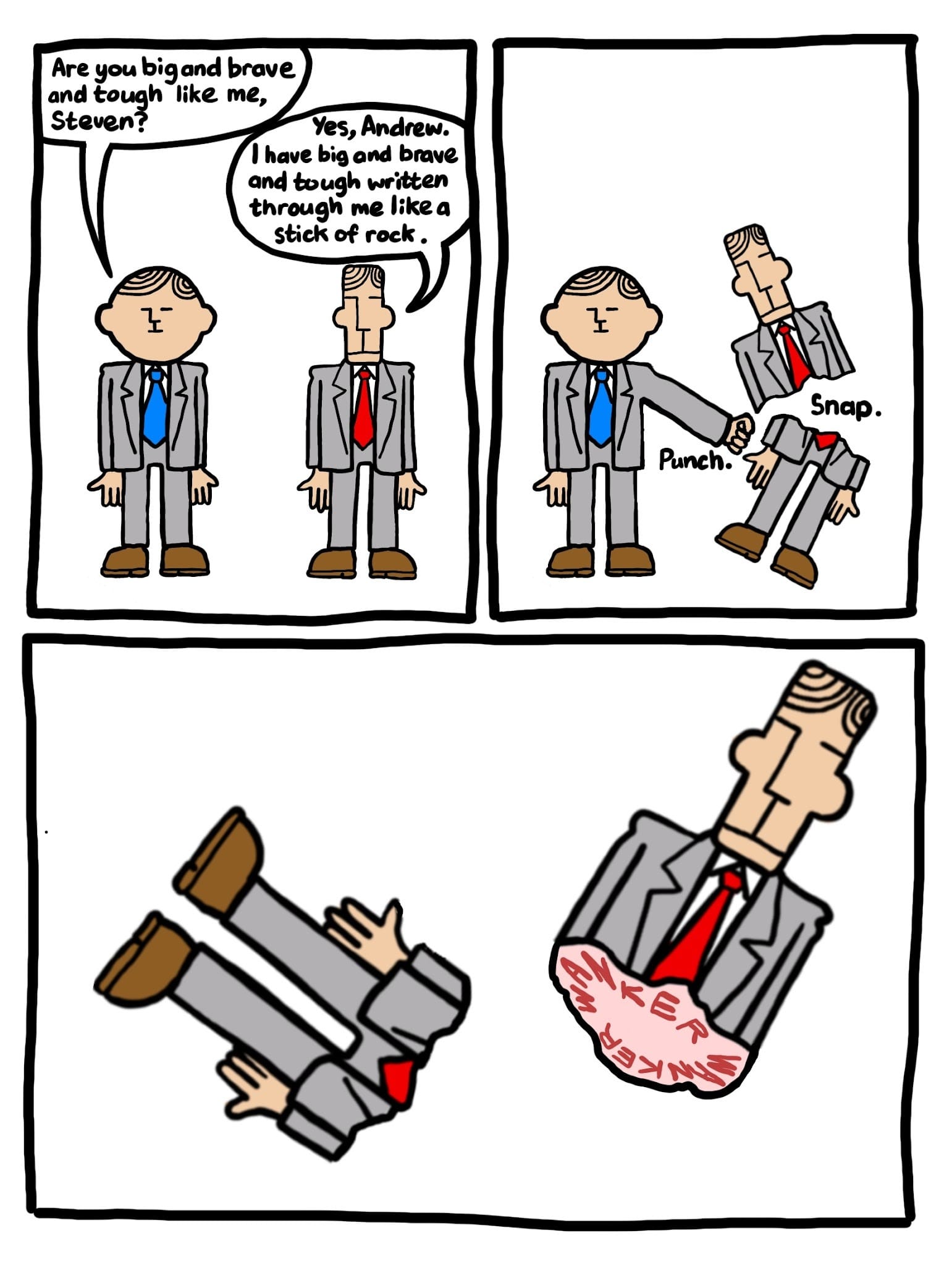
Andrew and Steven, Those Amusing Brothers
ITEM
Unsuitable Boys: Tony
Blue Jeans Photo Novels 267
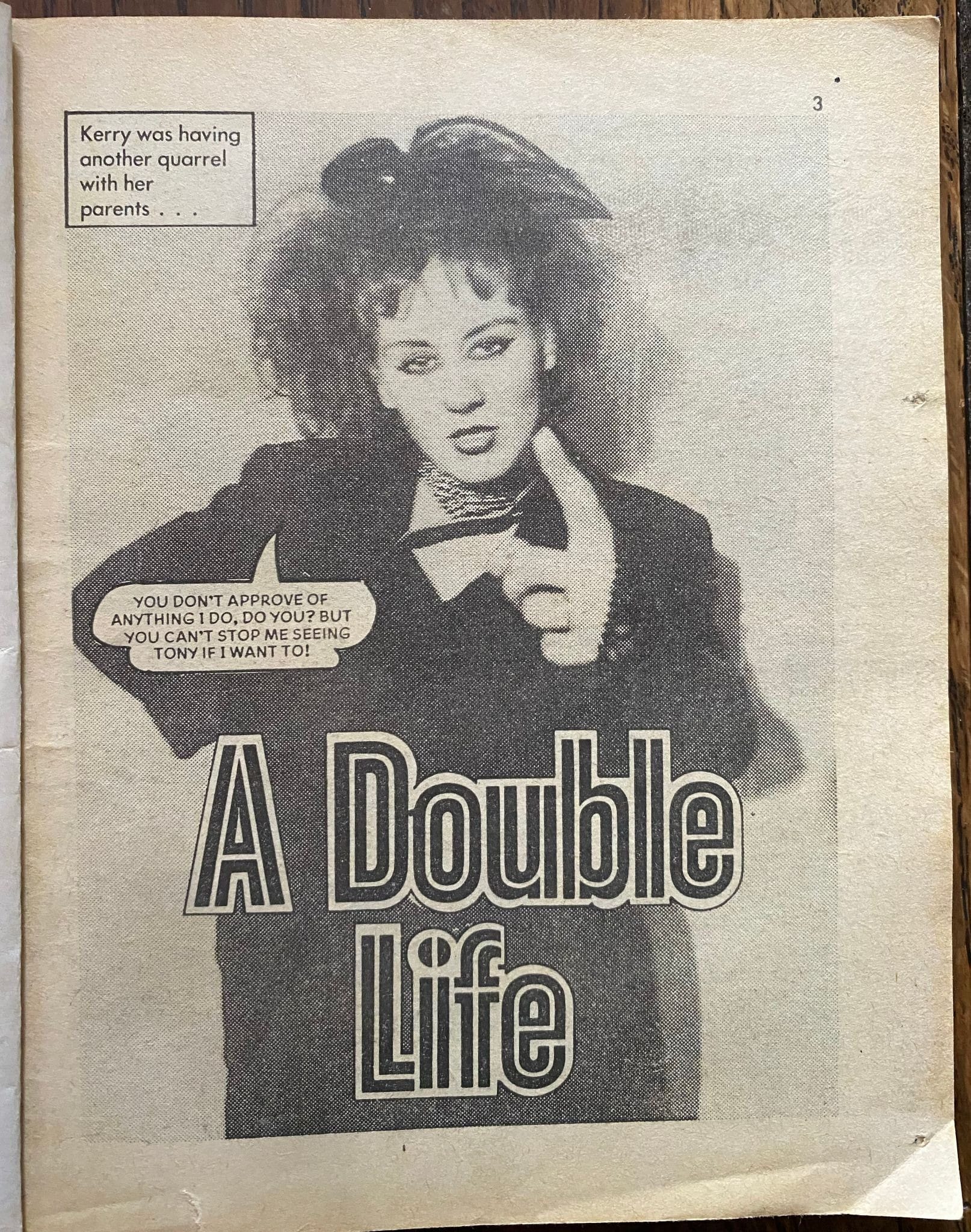
Everyone gets a different version of us. A new partner brings the possibility of a new you. The changed conditions created by a new relationship give us scope to be different. Sadly often it’s just glamour, those early days present an aspiration, who we want to be, and can be at room temperature, before pressure squeezes out the ghosts and monsters that live in our hearts and head and we circle back to our degraded loops.
Locked in battle with her elderly parents Kelly is defiant in her style and her choice of fella. Tony, a bad boy with the scrawny look that comes from an exclusive diet of Findus Crispy Pancakes, is her way out of suburban drudgery. But he wants Kelly to change, to become nice girl Jill, a false identity to infiltrate a Building Society as a clerk, rob them blind and then disappear. She won’t change for her parents but she’ll change for him.
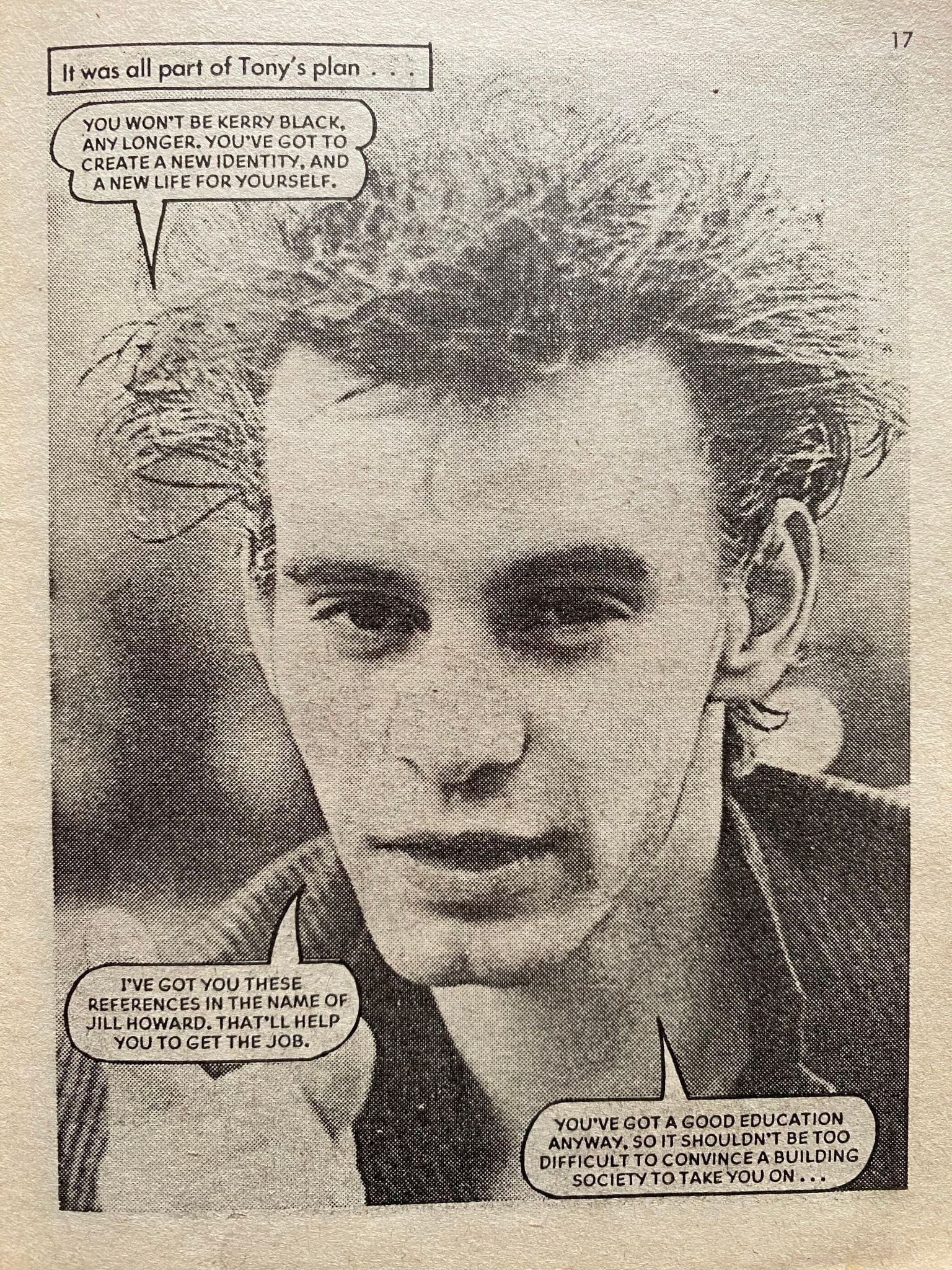
That Tony has been planning his heist for a long time indicates he chose Kelly for her alternative style, someone he could manipulate into stripping for him, to become normal, invisible.
Freed of constant parental arguments, freed from the adrenaline spiking excitement of her forbidden bad lad, in proximity to the possibility of female friendship, Kelly starts to relax into Jill, to enjoy being her. And starts to fall for Tory success story assistant manager Alan.
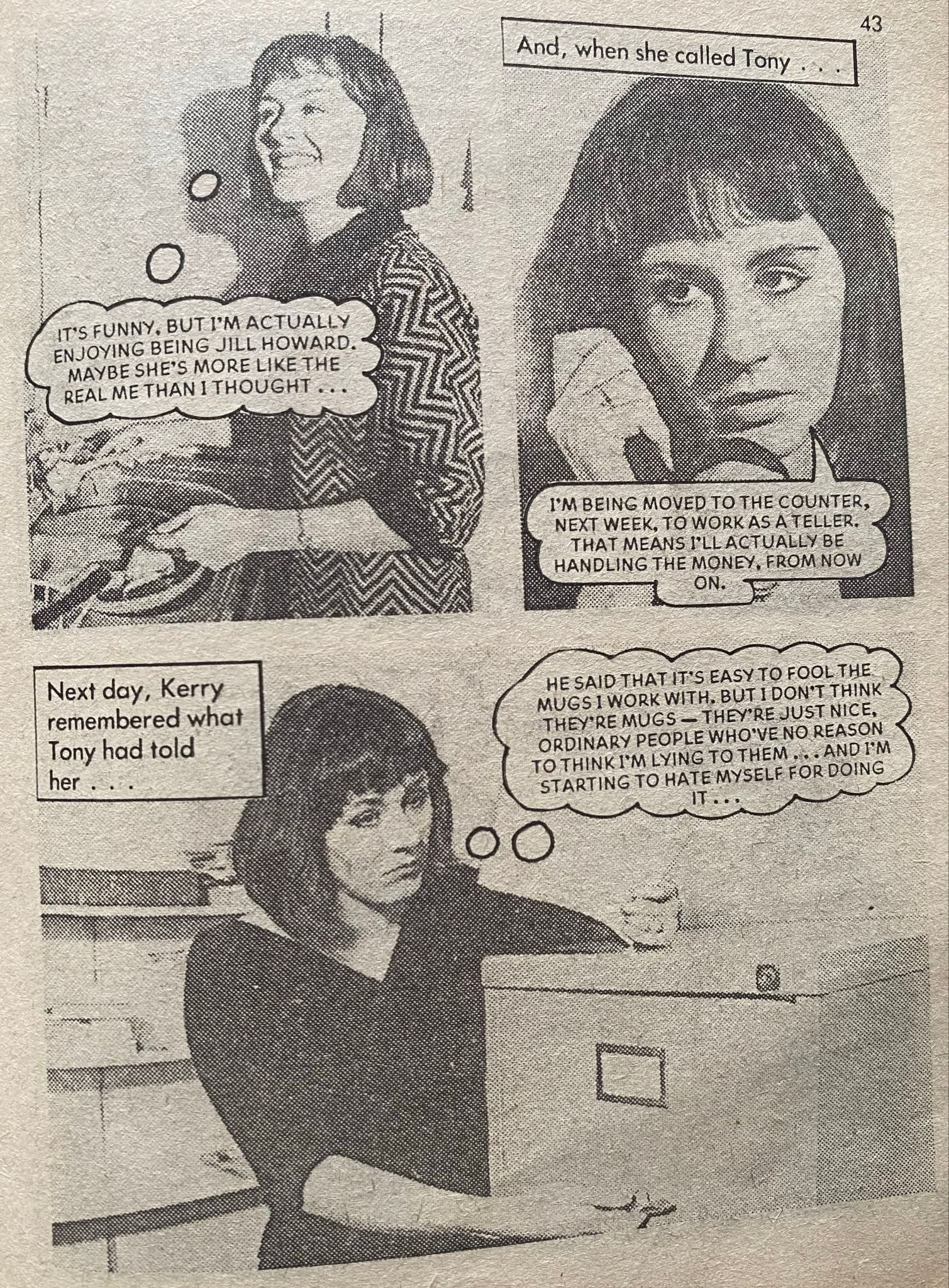
Most Blue Jeans were written by older men leaning on fairy tale morality in lieu of lived experience. We leave Kelly resigned to prison and hoping for a life with Alan or someone like him. Susceptible to change we have to hope prison doesn’t deform her further, that having learnt the art of transformation she can take charge of it and become the people she wants to be.
Tony’s fate is clearer, he will go on using his inexplicable, diminishing, charms to ensnare woman after woman till they each in turn get wise.
ITEM
Intend to sing the love of danger
Tell just one person that you liked this newsletter. Word of mouth, more than any other form of promotion, is how creative works get noticed and sustain themselves. Thank you very much for reading.
ITEM
“Form Like Voltron” – Metamorpho: The Element Man (Al Ewing, Steve Lieber, 2025), Microserfs (Douglas Coupland, 1995)
It starts off with a warning that could double as a marketing pitch, a modern miracle in action.
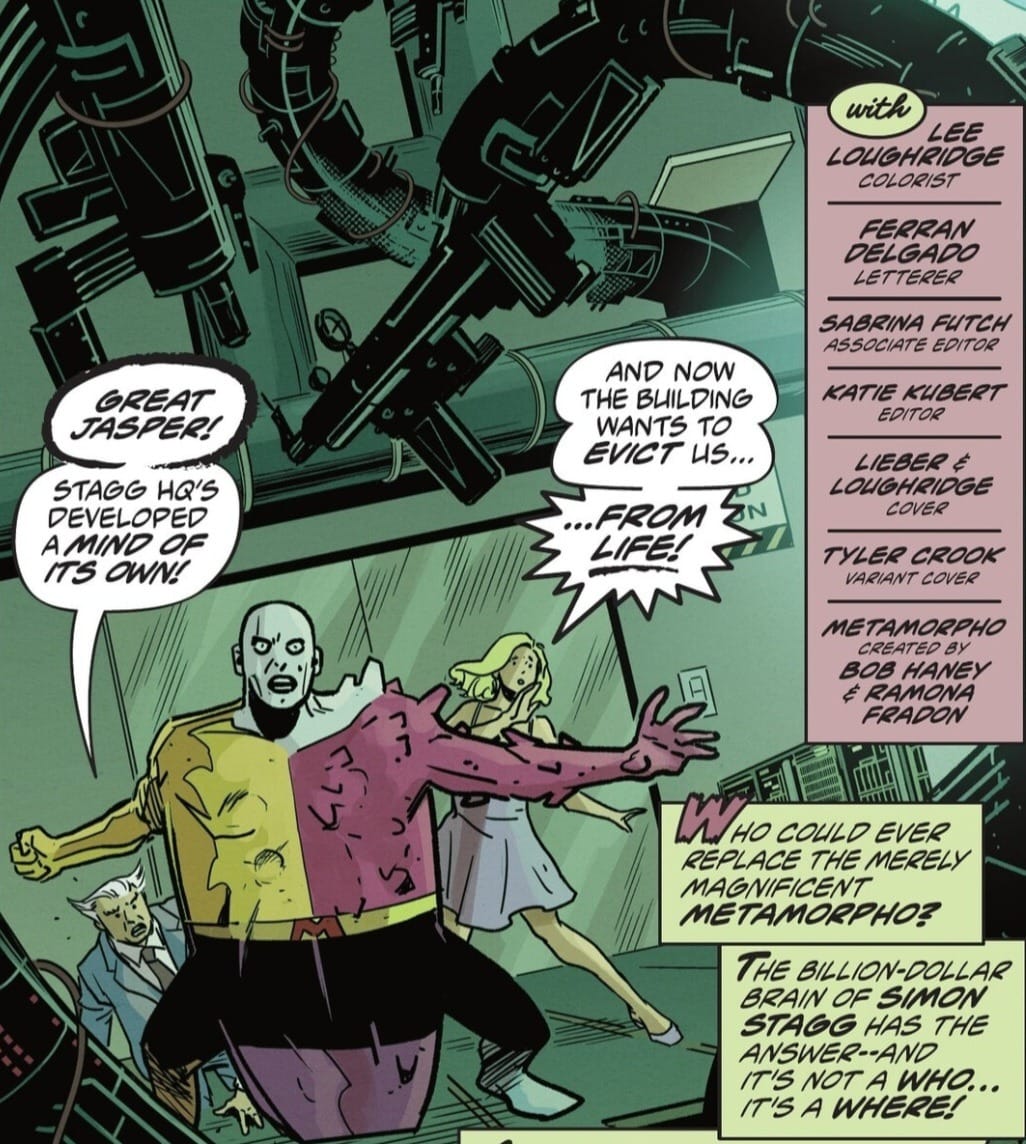
This is what’s being offered now by a political class stuck re-enacting the moment Jimmothy Fallon and Paris Hilton flogged digital apes like their family members were being held at gunpoint. The anti-life equation just downloaded itself on your phone so you better get ready to like it!

There’s also a counter-story built into this exchange between Metamorpho and Sapphire though. The idea that the building, rather than those who own it, wants to evict you… does that pass the smell test? It doesn’t in Metamorpho #4, where this scene turns out to be the result of luxury class panic: the building is too “opulent” to evacuate so it’s been programmed to evacuate itself in the face of catastrophe. The feeling Ewing and Leiber catch here, of living in a hostile construct we thought was our home… that’s pure comic book poetry, an eerie feeling made vulnerable through the gift of humanoid form.
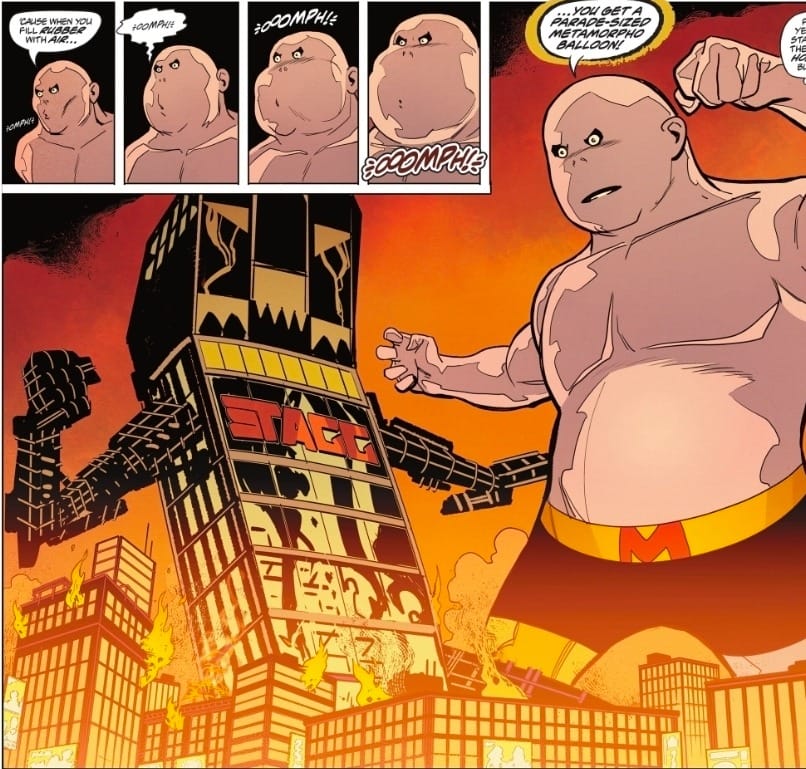
Despite pre-empting so many aspects of the world to come, there is something gentler about the tech headquarters that features in Douglas Coupland’s Microserfs. “My brain is built of paths and slides and ladders and lasers and I have invited all of you to enter its pavilion.” The HQ here is built by the generation that has just been superseded, childhood playthings scaled up to fill the four walls: “The colours were shocking; Lego-pure.”
This should be familiar in a suffocating way in 2026, but from its proto-blog format to its final rescue Microserfs is after a different feeling. “i am here” - technology as a channel of communication. It can only sound like a set-up these days, but this lie is what brought us together here and now, right?
ITEM
The name’s Bond… no, not that one

The ever productive Luke Haines has a new album on the horizon, and this one appears to be mining the children’s TV of its creator’s youth for occult significance. Reading the blurb and track listing (‘Tommy Cooper - Chaos Magician’ sounds promising) I was struck by the mention of Graham Bond, a name I was only dimly aware of (mainly from the podcast of my learned friend) as a mainstay of the 60s UK rhythm and blues scene.
Bond was organ player, singer and leader of the Graham Bond Organisation, an outfit that birthed Cream among other bands, and as someone who largely steers clear of the earnest white rock of Clapton et al I had missed most of Bond’s story. And what a story it is: very briefly, jazz sax turned hammond prodigy develops compulsory 1960s heroin addiction and increasing fascination with Aleister Crowley, culminating in weird jazz/blues/magick albums and nervous breakdowns, dead at 36 by falling/jumping under a train.
So now I’m listening to his 1970s album, Holy Magick, the first side of which seems to be a freeform jazz aural recreation of a Thelemic ritual. The accompanying write-up on Qobuz (yes, I finally ditched evil Spotify, do it!) says that ‘The music wasn't as interesting as the concept’, but I think that’s unfair as, once you get past the (presumably) unintentional vocal resemblance of one of the chanting acolytes to The Goon’s Bluebottle, it’s pretty spooky stuff. Bond’s Crowleyan invocations are backed by woozy jazz work-outs, heavy on the hammond, that sound like a cross between Charles Mingus, Arthur Brown and Uncle Peter’s band from Vic and Bob.
On the other side he introduces us to his archangel (Mikael) and there’s a blues song about King Arthur. Groovy!
ITEM
I HAVE MICROPLASTICS IN MY BLOOD AND BRAIN AND IT HAS SERIOUSLY ADVERSELY AFFECTED MY CRITICAL FACULTIES
Fortunately I have a fungal colony aged 35 or so in my toenails so it all balances out.
Very very hard to think of anything but the Iranian Lego AI rap diss propaganda videos this week, six words nobody would likely have strung together let alone conceptualised 2 months ago - a number of thoughts, first of all, the best ones have the “sacred defence” producer ident - like a rap producer sig, “Metro Boomin want some more”, “Tay Keith this too hard” etc. It’s basically over cos there are shite knockoffs but boy have I not been this engaged or informed in geopolitics in ever. “Hormuz Hustle” and “Loser” are my favs - you could talk about tonal appropriacy I suppose but I think as the attacked they can gauge for themselves, and perhaps a children’s toy underlines Pete Hegseth murdering a girls school.
The detail in some of these is very effective and deep… digestible - I am trying to work out the Easter eggs like Baal statues in the background with Trump and Netanyahu.
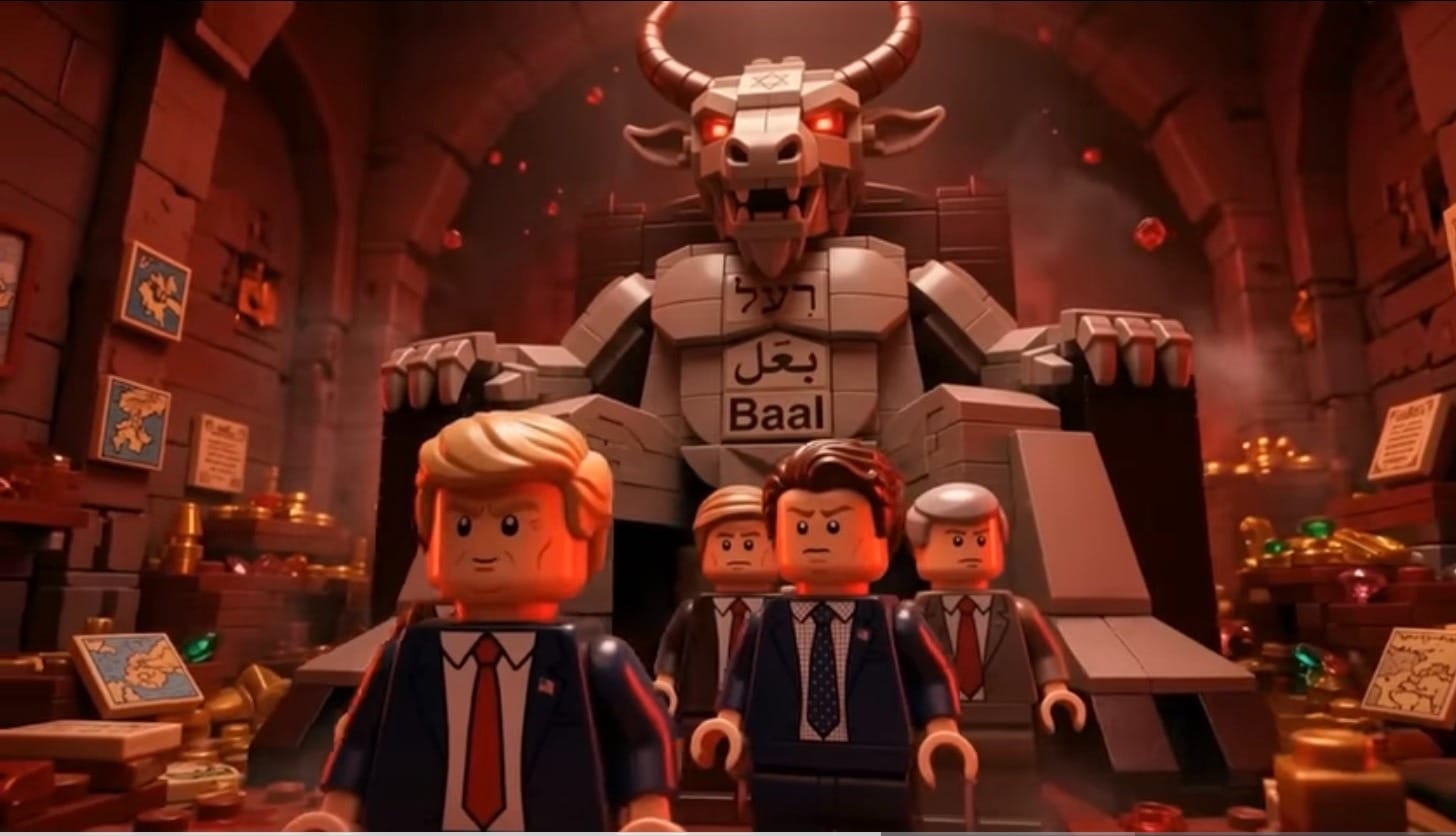
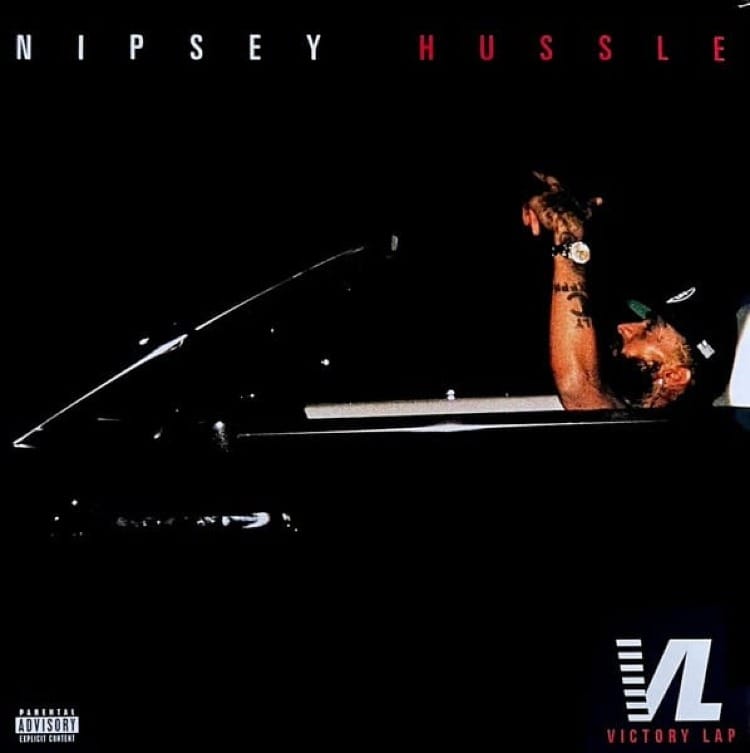
Ah yeah, false idols innit and a great many will love to see The Great Satan get cooked like Drake was, not past fuckin time - Iran is actually really fucking sick? I never read Persepolis idk - but find me another country (perhaps Eritrea given his heritage) has made Nipsey Hussle a martyr…
This is Victory Lap/Marathon continues
These are not merely interesting but super-real, surreal, times and my thesis is that Reagan unbanning long advertorials such as the GI Joe and Transformers cartoons (guys I personally love the Carbombya perspective, so keep at it, maybe something new as a vehicle) is directly or primarily responsible
Right, time to watch new American Gladiators if only to confirm the main star, Crush, is - as I and Bradley Walsh suspect - merely a second rate Sabre.
ITEM
The Assault on Culture by Stewart Home (AK Press, 1991.) (First published 1988.)
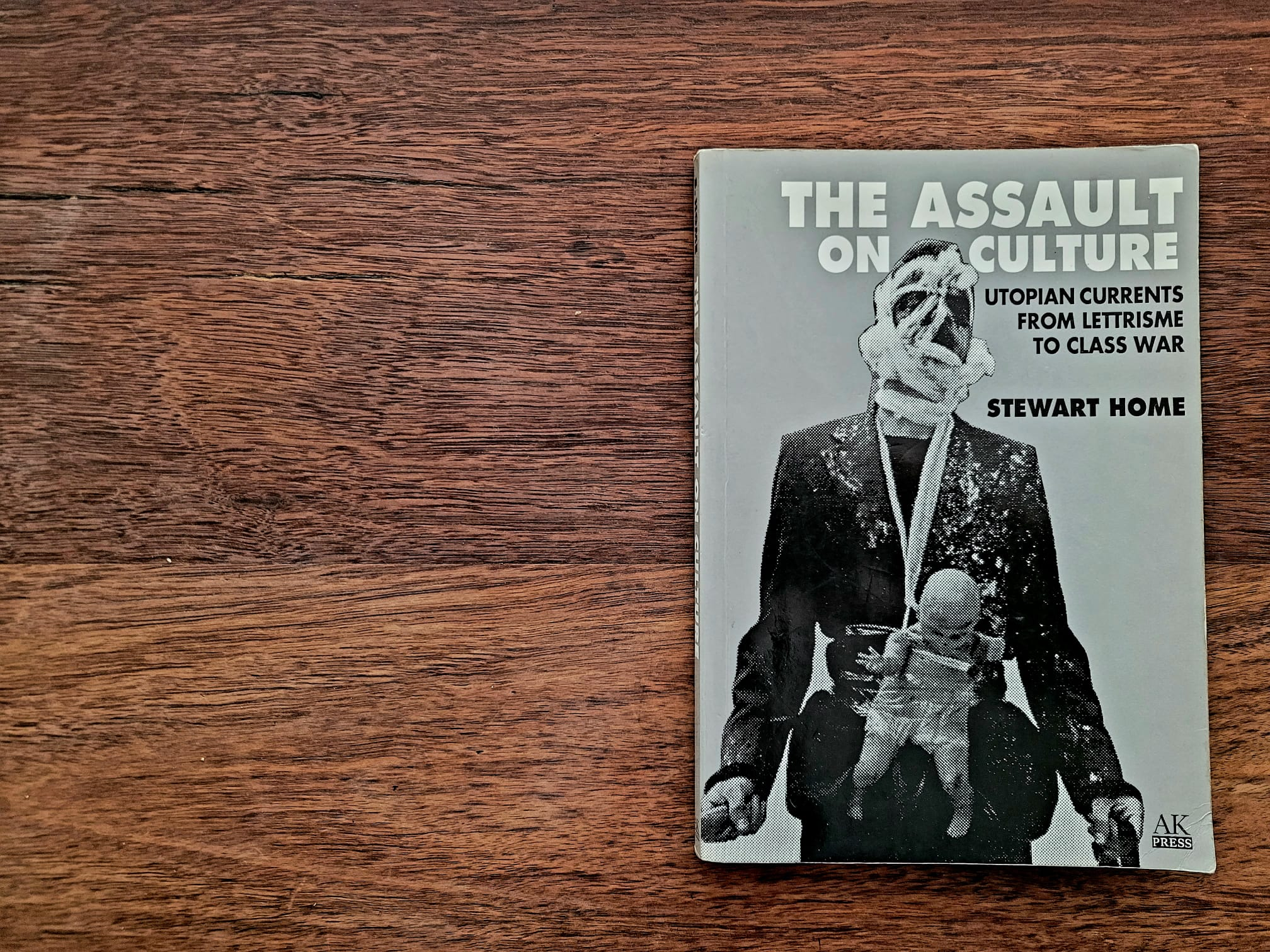
From the last days of the cold war, a convenient food pellet for the coming maw of global recapitulation. Home’s deadpan skintellectual survey obsures and re-mystifies the 20th century’s artistic avant gardes at the same time as it drags their torturous names, dates, schisms, seminars, journals and occasional exhibitions into the dialectic’s glare.
The outcome of automated production (of war, of fine canvases) is leisure-as-purpose, so after art was wounded in the thigh on the Somme, and wailed its pain through Dada, what remained was to fill the days and gallery walls without having the traumas retriggered. Following the privations of war (twice, to really get the point across) modern Europe’s vital animating spirits became alcohol, amphetamines, cigarettes and coffee. The cash crop addictions are the point. It was only ever about stretching the long afternoons by the Seine, wandering the Nyvahn, or bicycling the Regents Canal, balancing a carrier bag of wine on the handlebars.
Surprisingly, some of their strategies still retain utility. Even though the city can be accessed from anywhere via electro-aetheric proxy, urban drifting still offers some therapeutic and mediumistic advantages. Mail art is reviving through widespread need to re-friction the surveillance industries. Punk still helps the American proletariat share psychological burdens. Others, like the liberating potentials of multiple-decentralised identity, have been thoroughly explored, largely to the benefit of criminal exploitation networks and social media machines.
Fluxus makes a late appearance - opiated aristocrats on the east coast gazing eastwards, sprinkling immaterial trinkets into the past - and the Subgenius ARG prototype. But America is suspiciously absent, despite its military-industrial umbrella holding the space for Europe to sift her ruins. While the old world fiddled with ludic provocations, the assault on culture happened west of the Mississippi. Demonic depths of image, word and number atomised into a new, gamified reality. Computer engineers fracking conceptual logics, revealing cold synthetic lifeforms evolved to play in abstract terrains.