Amoebas don't make motorcycles and atomic bombs
ABHOBC: Mauretania. Andrew & Steven. Chronic City. RASSE RASSE RASSE RASSE RASSE RASSE RASSERA. Fast Five.
ITEM
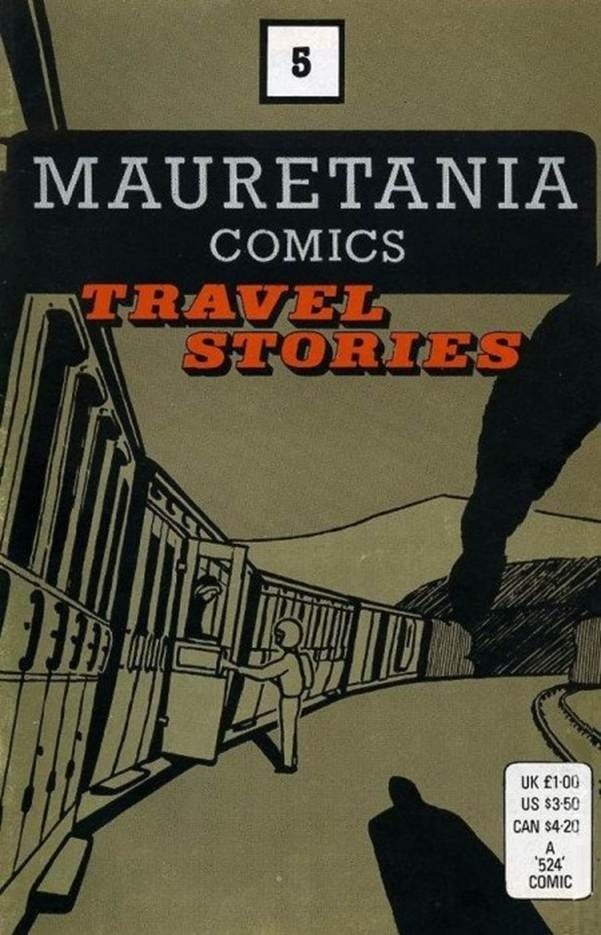
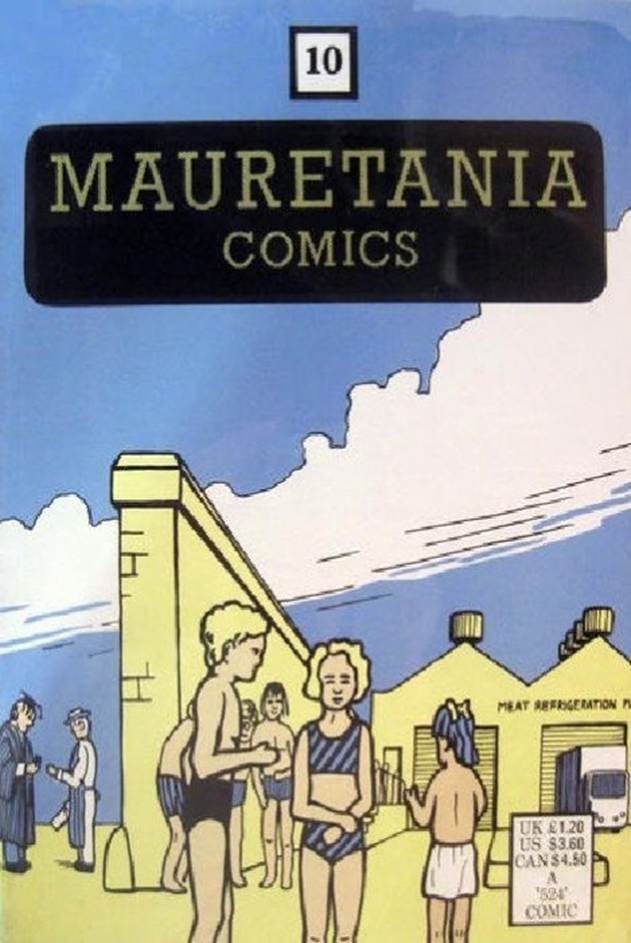
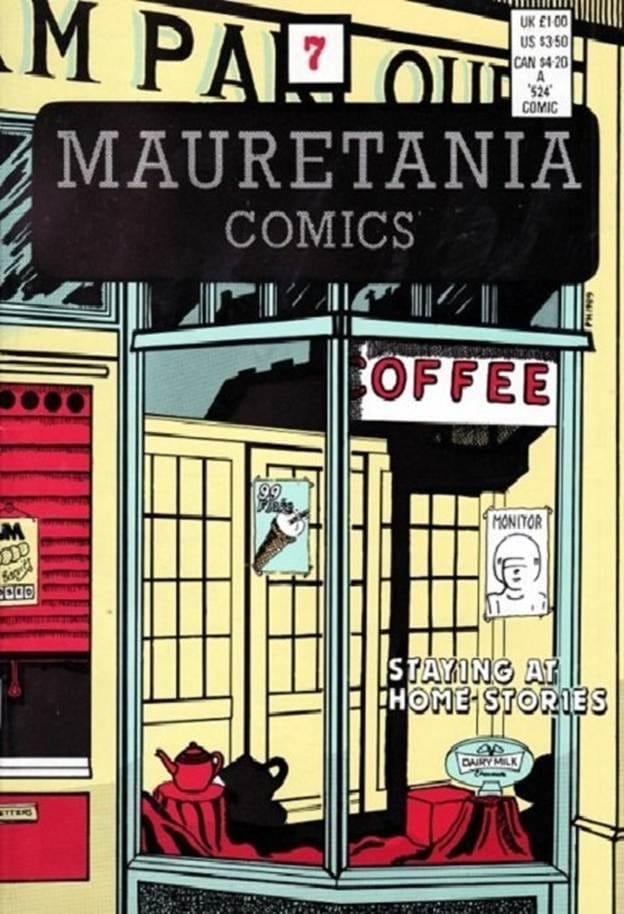
A Brief History of British Comics 21: Mauretania
- Publisher – Mauretania Comics
- 1986 - 1993
- 16 issues
I ask my daughter what she wants to do on Saturday.
“Go to the woods,” she says.
“Let’s choose some woods we’ve never been to before” I say.
Selecting Park Woods in Ruislip on the far western perimeter of London we traverse London on the Metropolitan line to Ruislip Manor. As an inhabitant of North and East, West still feels alien. An ‘other’ London.
After Baker Street the underground breaches land, and we canter through orbital Ballardian suburbs, showrooms and factories.
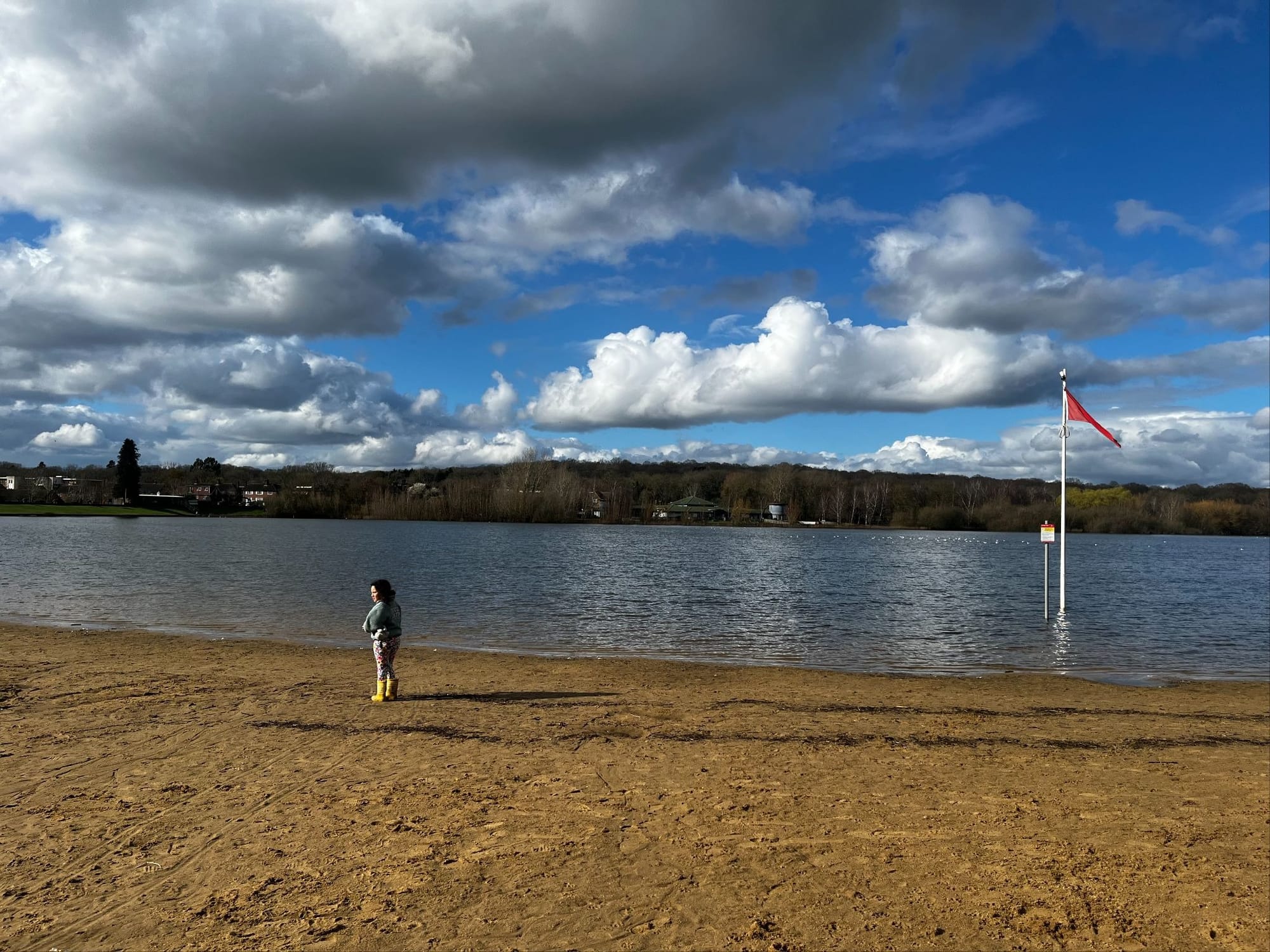
Disembarking, we walk up towards Park Woods, leaving the fringe of London habitation behind. Into the woods glistening from recent rain, the day is crisp, bright. Eating pack-lunches on a log, my daughter states ‘It’s really peaceful’.
And it is.
We are alone aside from flashes of anorak and panting dogs.
Heading towards the artificial beach of Ruislip Lido, sitting in the heart of the woods since 1933, shots from the gun club miles away echo out. Nearing the Lido we spy a miniature railway, completely unexpectedly. It is manned by retired engine buffs and enthusiastic neurodivergent teens. It traverses the Lido, with two stations, Haste Hill and Woody Bay. We wind through the woods, shimmering water glimpsed through trees.
Unwrapping a Cadburys Mini-Roll, my daughter drops her soft toy onto the tracks. She’s distraught. I tell her we can get it back, and at the level crossing speak to the driver. He radios his counterpart on the reverse journey. We’re assured it will be picked up and dropped off at Woody Bay. We wait at the station, and I buy her an ice cream. The soft toy arrives clutched safely in the hand of the other driver. Miniature railway heroics.
We leave the quiet, timeless place. Return through the woods and reconnect to the city.
This is Mauretania.
ITEM
Blue Riband
Tell just one person that you liked this newsletter. Word of mouth, more than any other form of promotion, is how creative works get noticed and sustain themselves. Thank you very much for reading.
ITEM
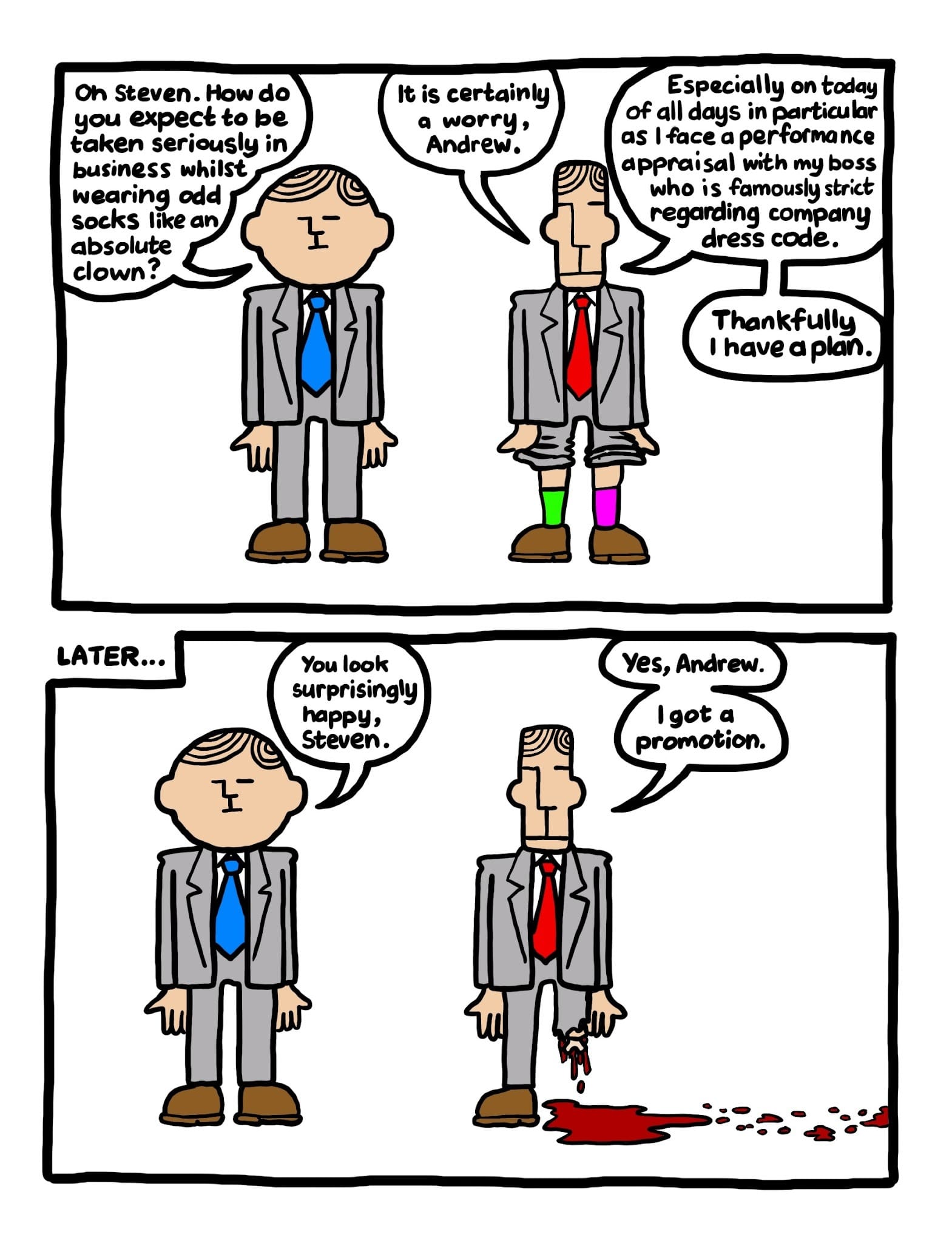
Andrew and Steven, Those Amusing Brothers
ITEM
“A career in the ha-ha-ha-ha!” - Chronic City (Jonathan Lethem, 2010)
Contemporary reviews focussed on the smokeable reading of the title. Hard to argue when that haze is both in the text and in how the text feels, in its drawn out explorations of what’s really going on – SPOILERS: it’s gnuppets all the way down! – that wind deeper and deeper into the ambiguous fog.
There are other meanings though, equally obvious but with more bite.
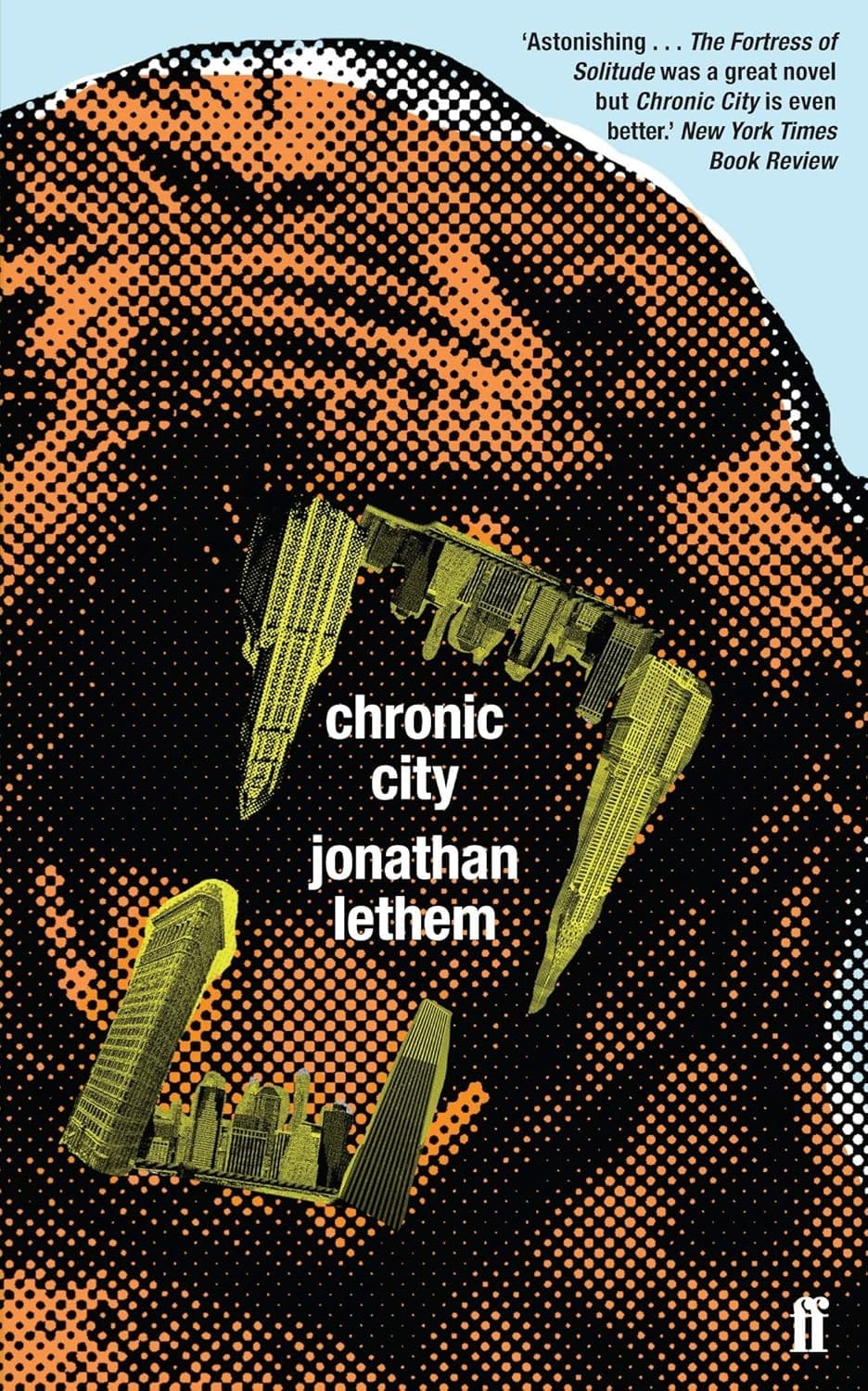
The instigator of the novel’s action and its smoking sessions is Perkus Tooth – “really quite an amazing critic”, though hungry enough for self-respect to deny the calling. When we first meet him he’s still seeking illumination in the surplus of consumer culture: movies, records, you know the drill. Tooth’s attention shifts to concerns that are both more and less material as we progress, but it’s the degraded cityscape that’s most haunting. This sense of life just going on emerges both from the pop culture inquisitions – “Whenever Herzog corners him Brando just parrots whatever Herzog’s said” – and from the dramatis personae. Ghost writers, agitators-turned-operators, childhood tv stars who’re still somehow a part of public life… these are the phantoms of Lethem’s NYC, which may be another simulation. Attempts to break the veil take the form of communal eBay sessions; stoned, of course.
There are issues. Question of who benefits from the world’s pervasive unreality are left underexposed, and the same eternal (i.e. “chronic”) boyishness that animates the novel’s digressions means its women are either bound to become mothers or tethered to the noir girl/dedicated lover paradigm.
Still, Chronic City's figure of terrifying sublimity, the giant tiger – dismissed as a distraction, a tool of the administration – burns brightly at the end. Either one more phantom or a hint that the sparkling fuzz of the times has not yet totally short-circuited our capacity to hold truth.
ITEM
RASSE RASSE RASSE RASSE RASSE RASSE RASSERA
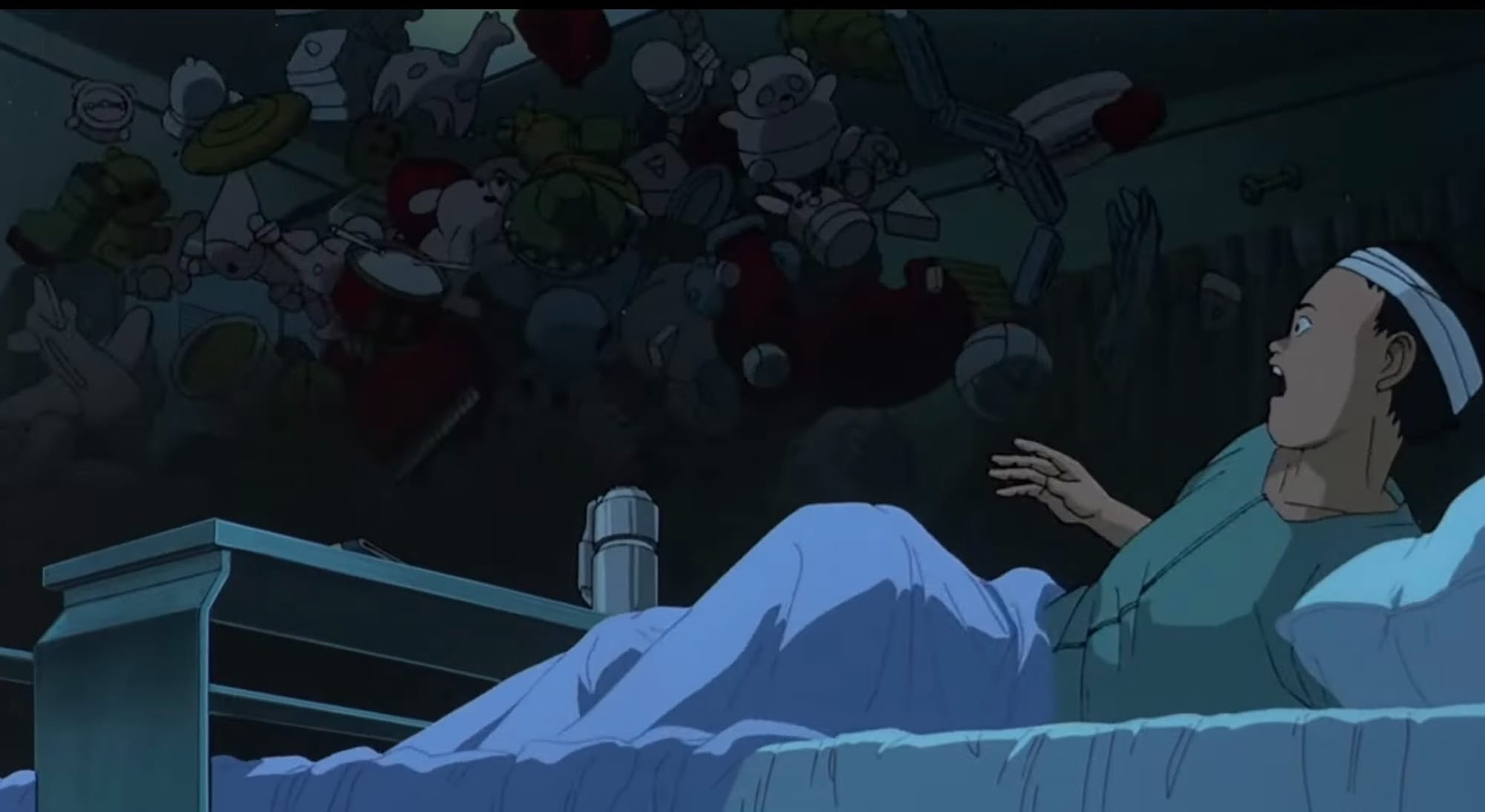
January, 1994. A freezing cold Christmas break. I am sideways at the foot of my bed, watching AKIRA on BBC 2. I am fourteen, there is no double glazing, no central heating in our flat. My mum goes mental over me not opening my room window over the break. Too fucking cold. My parents fixed me up with a heater, and I cannot see the sense in running it, then opening the window to let the heat out. This climaxes in a moment of hideous coincidence, although the memory is confused in decades of retelling.
Either…
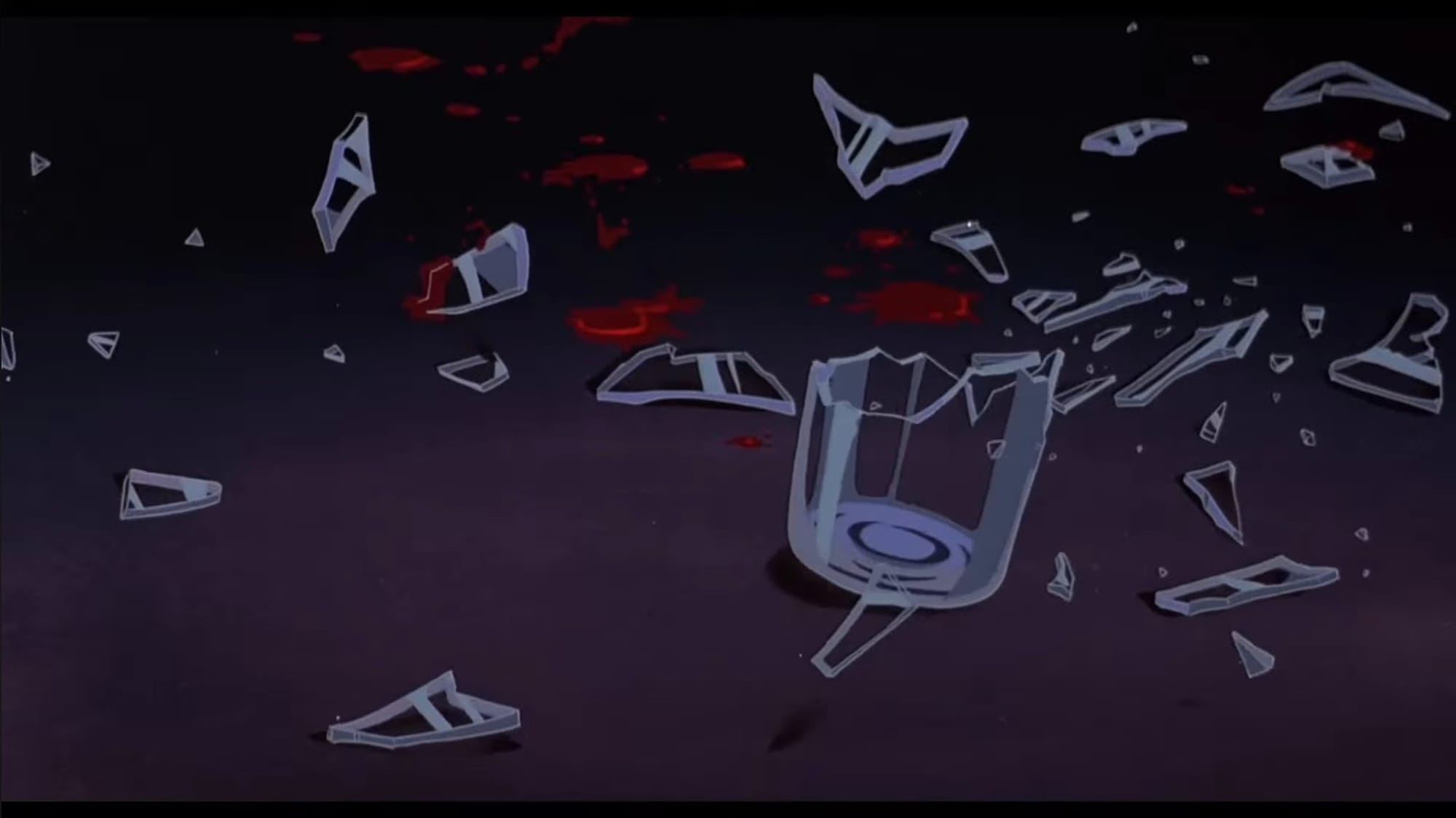
Tetsuo steps on a broken glass, shattering it, startling the psychic children who are tormenting him. Their horrific toy forms crack under the sight of BLOOD, real blood, real peril.
Or…
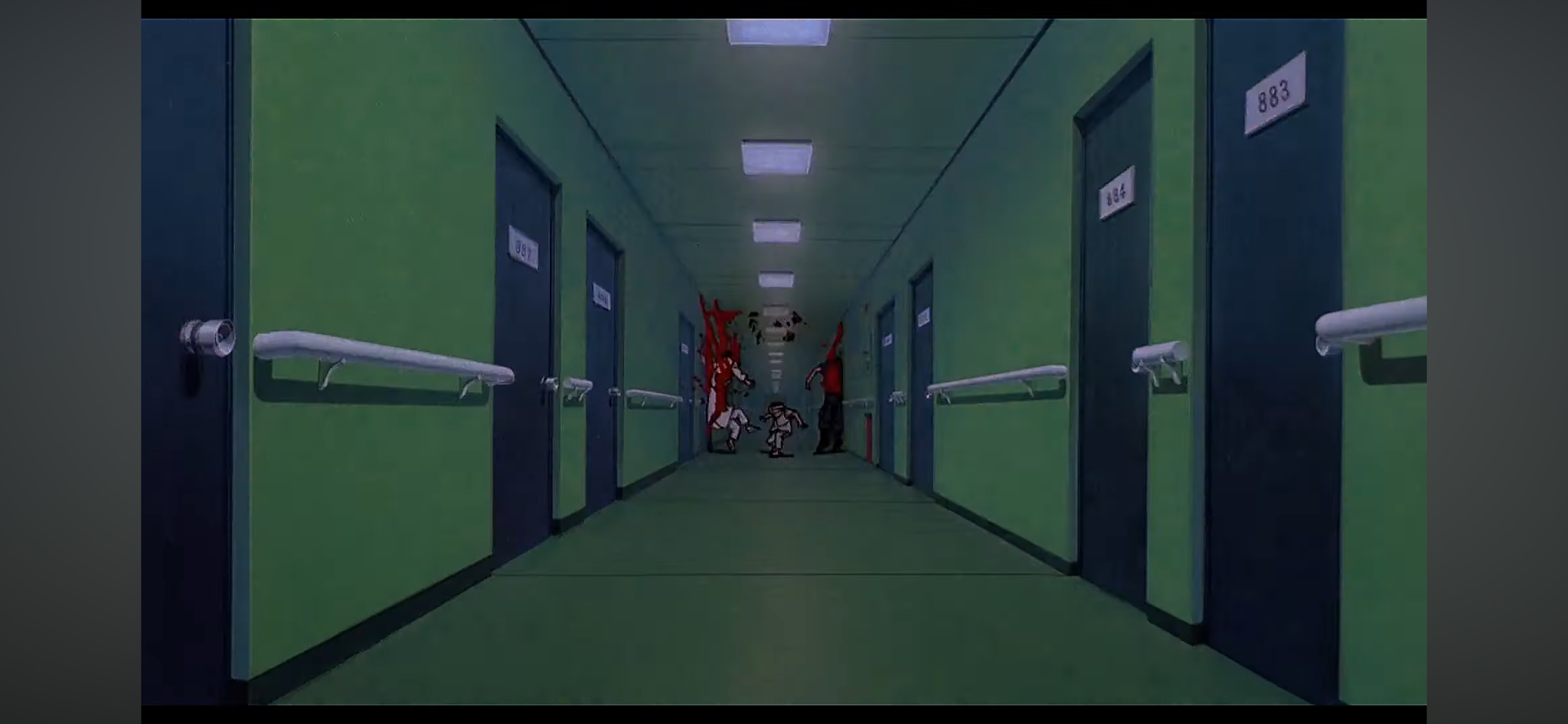
Tetsuo, furious from the children’s psychic torment, having broken out from his room, breathes heavily as a doctor and two guards confront him. The room dims and flickers as he telekinetically erupts them.
...some moment of blood on-screen, the river of condensation formed on the windowsill over days of teenage obstinance pours fourth. A confused terror briefly flares, as I panic that the on screen blood has manifested in reality.
The real manifestation was happening on the telly.
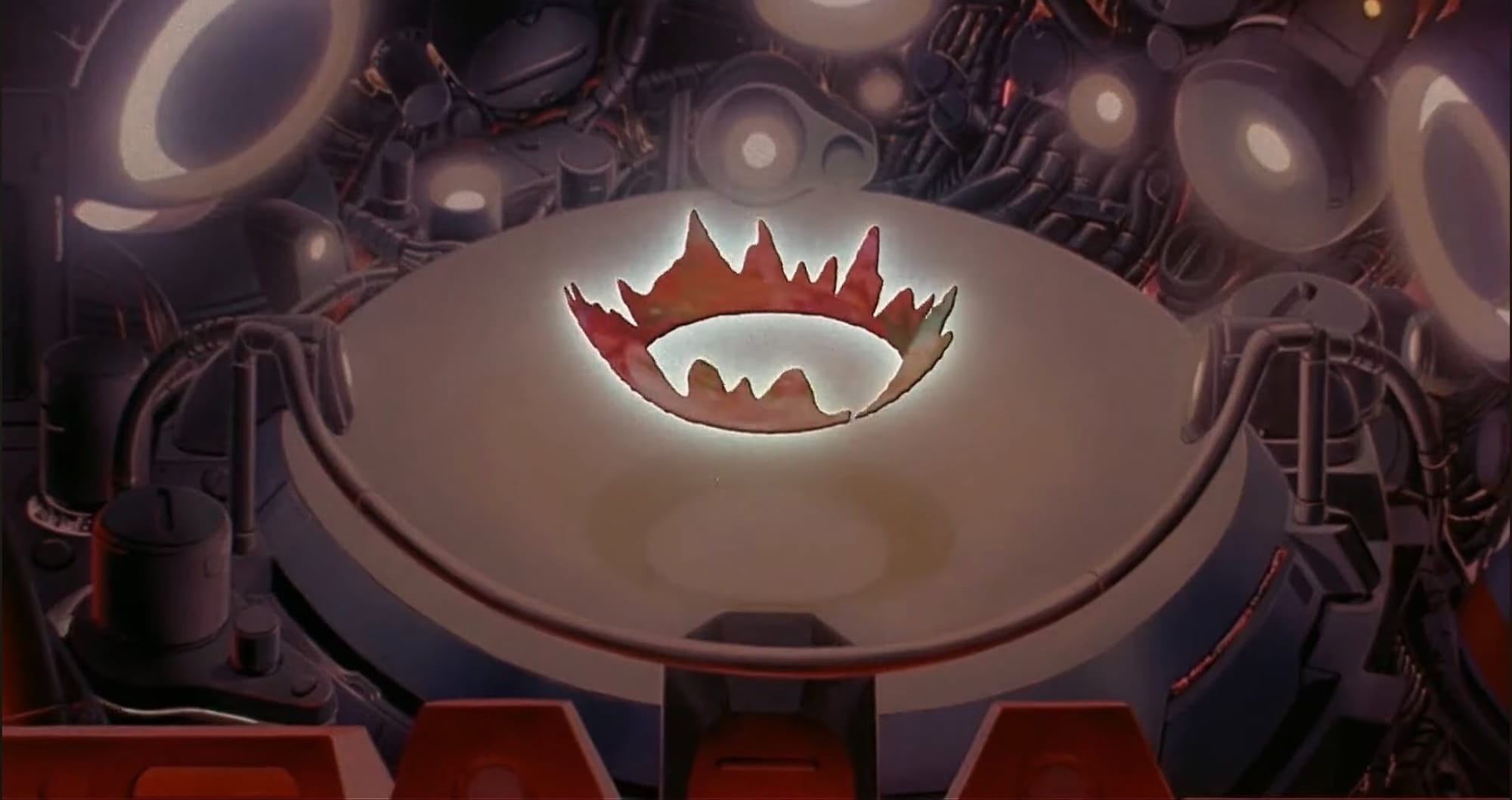
We struggle to convey to the younger ones how access to culture was tempered by both money and curation. So much of what would form or damage us came from the programming of four channels of television, and whatever we could afford to investigate. Suddenly, the masses had the AKIRA experience.
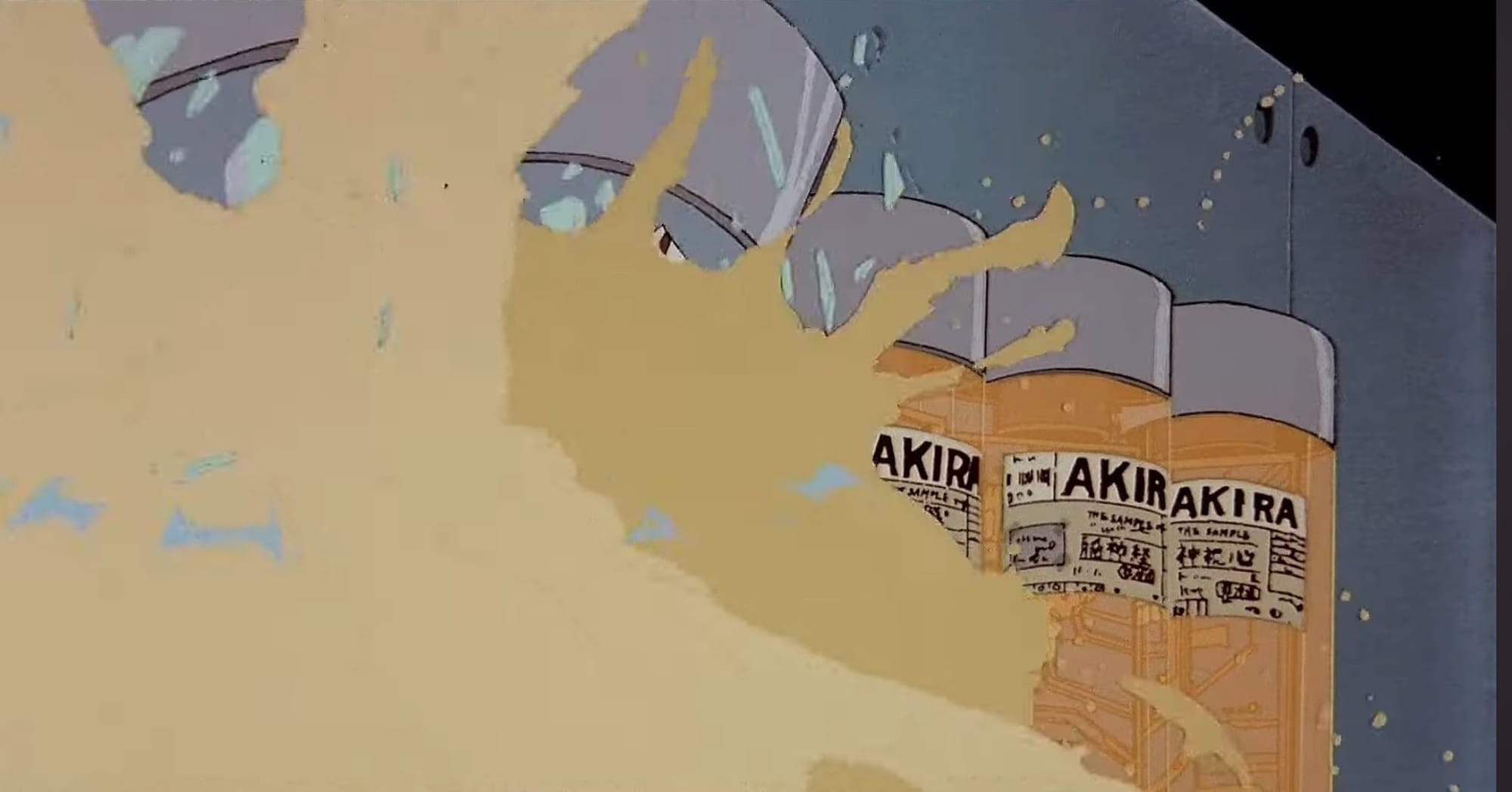
Before that, playground whispers, breakroom conversations, magazines. My follow on was an article in MEGA magazine called See An Anime (A Pathetic Rock Pool Related Pun).
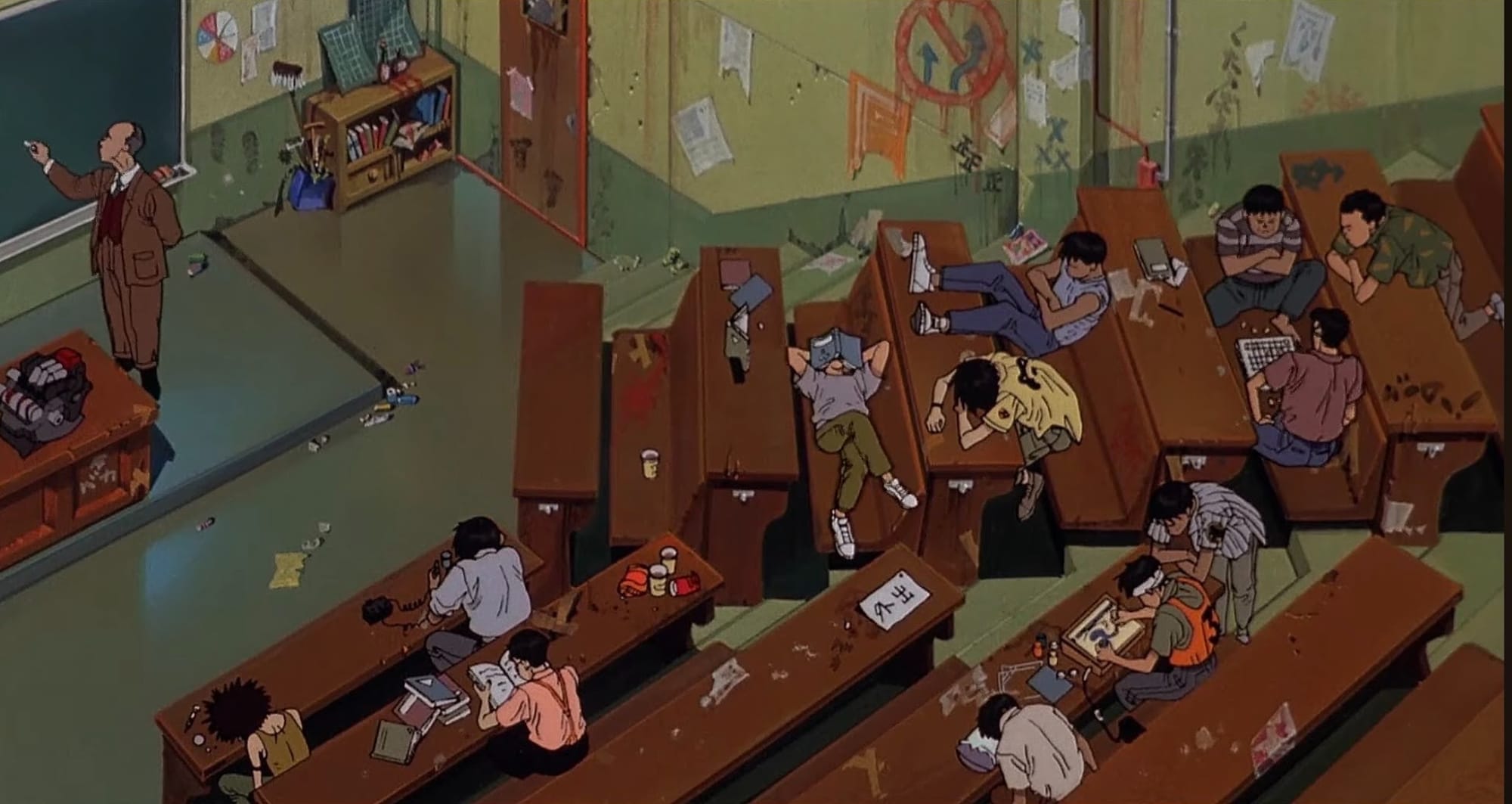
Tapes would be traded, rented, copied. Money would be pooled. Manga Video knew we craved sex and violence. Give us the capsules, old man.
ITEM
Fast Five (Justin Lin, 2011)
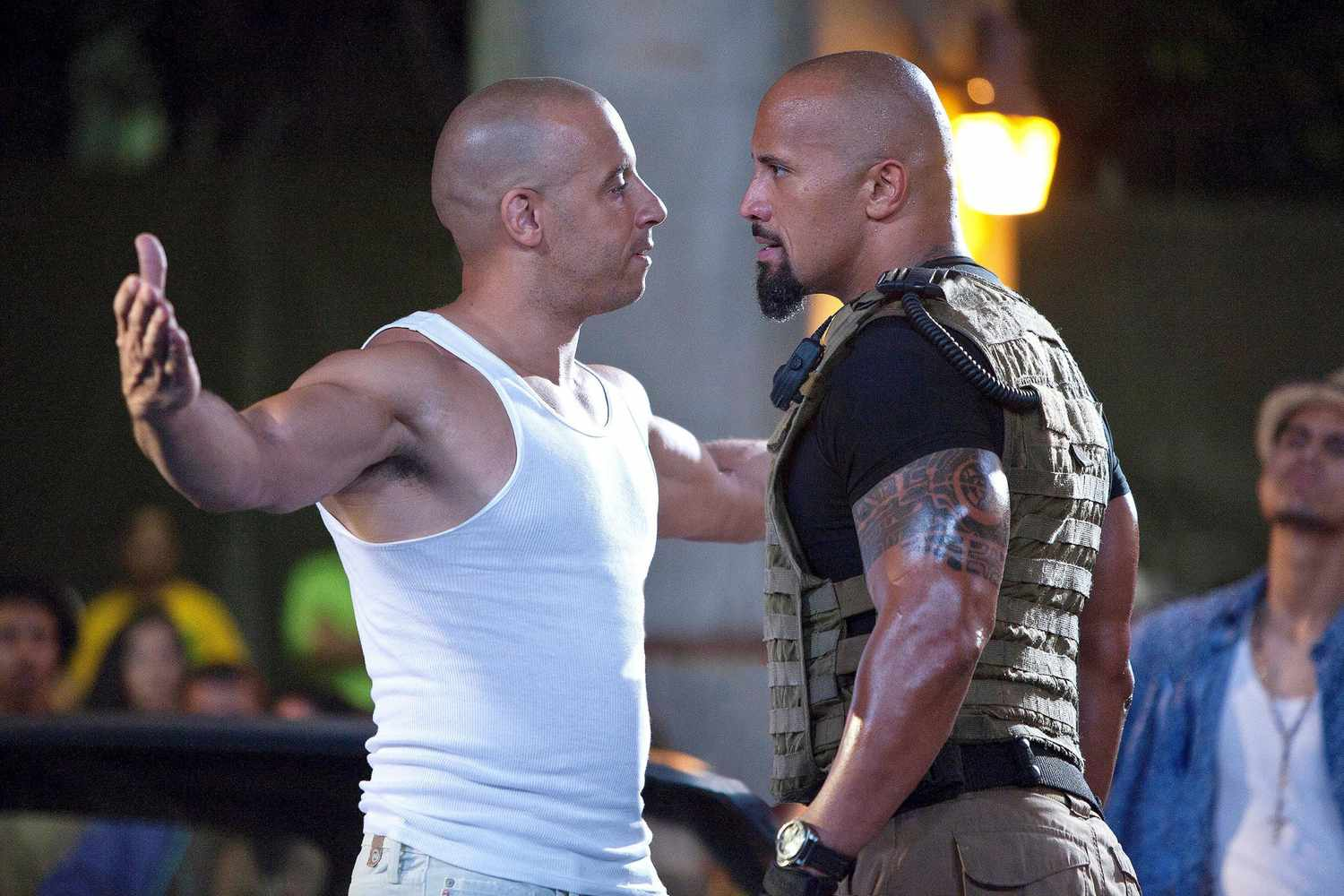
Yankee flicks, not cowboy movies. The open plain holds no lustre, and the freeway only exists a quarter mile at a time. Frontier treasure and novelty are only valued insofar as they can be cycled back to support The Family, re-establishing its shifting pattern of alliances, opportunities and obligations. Meals at a table with a head.
The first truly global, south-facing Fast film develops the Toretto organisation from the border concerns and petroleum requisitions of the previous chapter into a fully international and autonomous breakaway network. Bolting on new capabilities - Korean spooks and Mossad traffickers, Floridian hackers and demolition drivers - to raise its first round of off-book seed capital in the vaults of Rio de Janeiro’s ruling narcosovereign.
To fuse a criminal street gang with law enforcement - handsomely represented by problematic angel Paul Walker’s absorption from the FBI into Ma Famiglia - is unremarkable, a basic condition for the existence of both. But to accelerate outwards and into the world, Dom, Mia and Brian must first receive permission from its rulers, embodied here by Luke Hobbs of the Diplomatic Security Service, the rock on which America builds its cross-border reach and muscles the natives.
Its relevance comes in seeing how the US was unable after the global financial crisis to afford to enforce the reality it had previously demanded. Hobbs’ dominionist bloodlust underestimates subaltern tenacity and his team of tactical operators are devoured by the favela.
The mistake was too much sugar, and the bacteria it feeds. Once projected out of the homeland, America’s key contributions to human culture - factory cocaine, televised combat sports, cars - proved too sweet and sticky. Guns and combustion have no owners, and the universal right to draw gratification from violence became the animal principles of the 21st century, loosed, embedding themselves everywhere, symbiotic monstrosity twisting in the shadow space between the human brain and gut.