
A great mass meeting of the tortured souls
Santaisms: The Plot to Overthrow Christmas. David Barry. SFMR: Join us. Another Promise Fallen Through. Park Life: The Epcot Guardian. Planks Constant. Cyberzone: Criminal Organisation. Empire of the Wheel III: The Nameless Ones.
ITEM
Santaisms:
The Plot to Overthrow Christmas (Norman Corwin, 1938)
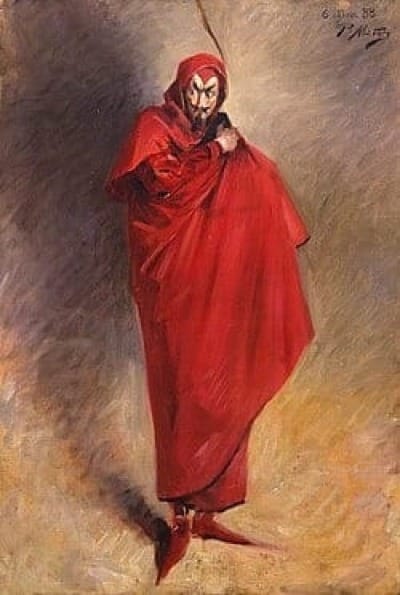
1938, the last days of the Great Depression, the Second World War becoming inevitable. The Emperor Nero, emissary of hades, revolver in hand, trudges through the icy wastes of Greenland. The devil has sent him on a sacred mission, to kill Santa Claus.
Things are going well for Mephistopheles, his dominion over humanity is nearly complete, the one sticking point is the goodwill to all men that Christmas brings. He gathers the damned for suggestions. They consider debasing sacred music by jazzing it up, like contemporary Lovecraft the devil sees Jazz as his music.
It is Lucretia Borgia who comes up with the obvious plan, if in doubt kill. They draw lots for the honour. It is Nero who walks the earth.

The Plot to Overthrow Christmas was written by Norman Corwin, the man Orson Welles calls ‘the best’ (Welles stars as Nero in the 1944 war Christmas revival). Corwin is one of the first to understand radio as mass communication and popular entertainment the way to discuss serious issues. His children are Gene Roddenberry, Rod Serling, Ray Bradbury. The radio poet of FDR, he is set to record his play on 150 years of the constitution when Pearl Harbour is attacked. The president demands it go ahead ‘now more than ever’ and provides the epilogue.
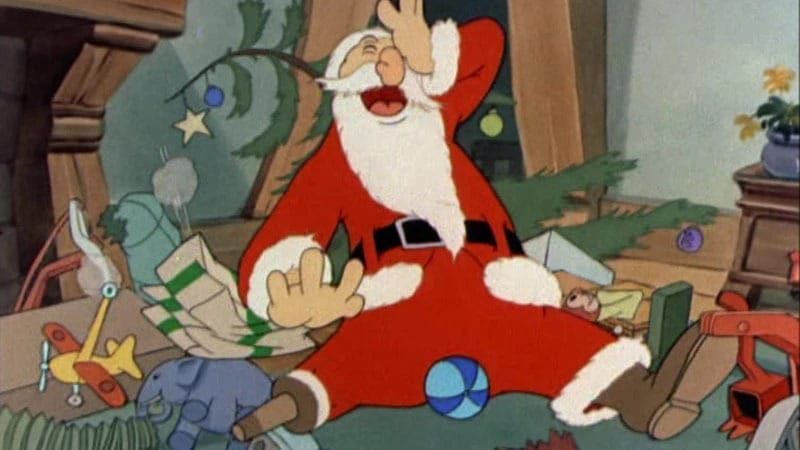
Santa faces death with calm, he extends the joy of Christmas to Nero, gifts him a Stradivarius. Nero points out that he is wicked, a tyrant, a murderer. ‘Ah yes but that was centuries ago’ Santa and time forgive. Besides he needs the help, this Santa is a solo concern, no elves, and the demand for toys is outstripping his ability to make them.
In the future world of Plot the toys will be made by the Emperor Nero, freed from Hell, unburdened of his crimes, redeemed by Santa. We should all be so lucky.
ITEM
David Barry

Well done, everyone!
ITEM
Suggested For Mature Readers
8: Join us
Sometimes the wrong lessons can be so right.
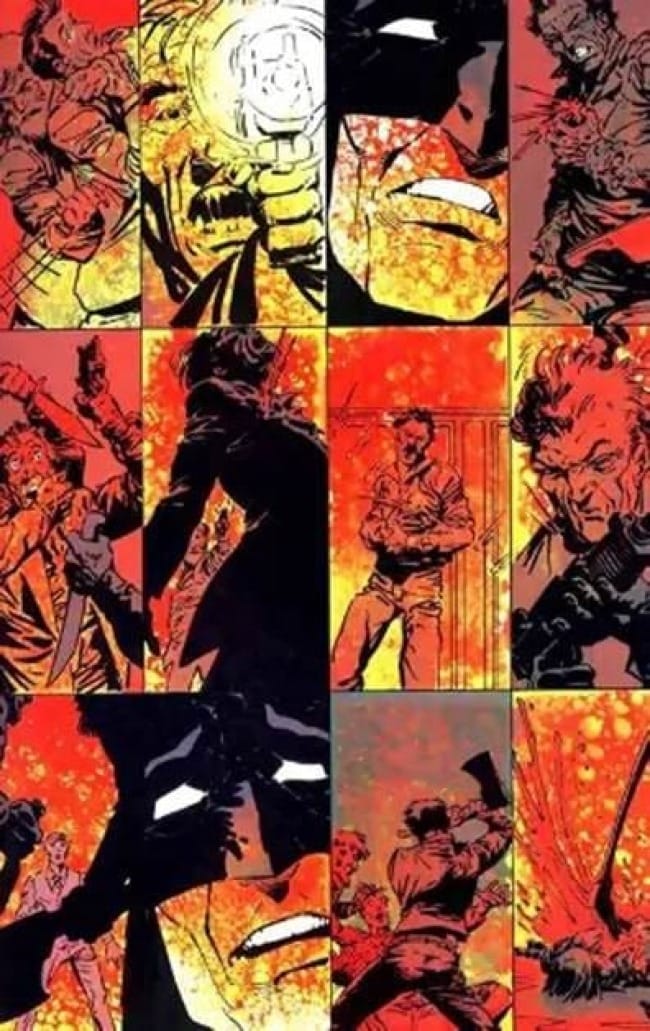
When Frank Miller unleashed ‘The Dark Knight Returns’ in 1986, it was every bit the comics’ shot that was heard around the world. In 4 tightly constructed 48-page issues he, Klaus Janson and Lynn Varley, upended the apple cart to gloriously powerful effect.
Batman would never be the same again. Nor would comics.
The tendrils spread further still; into films, books, TV. Miller’s artful, yet brutally confident recontextualising of Batman from primitive golden-age clay into an iconic 1980s cultural phenomenon was always going to bring a swathe of imitators in its wake.
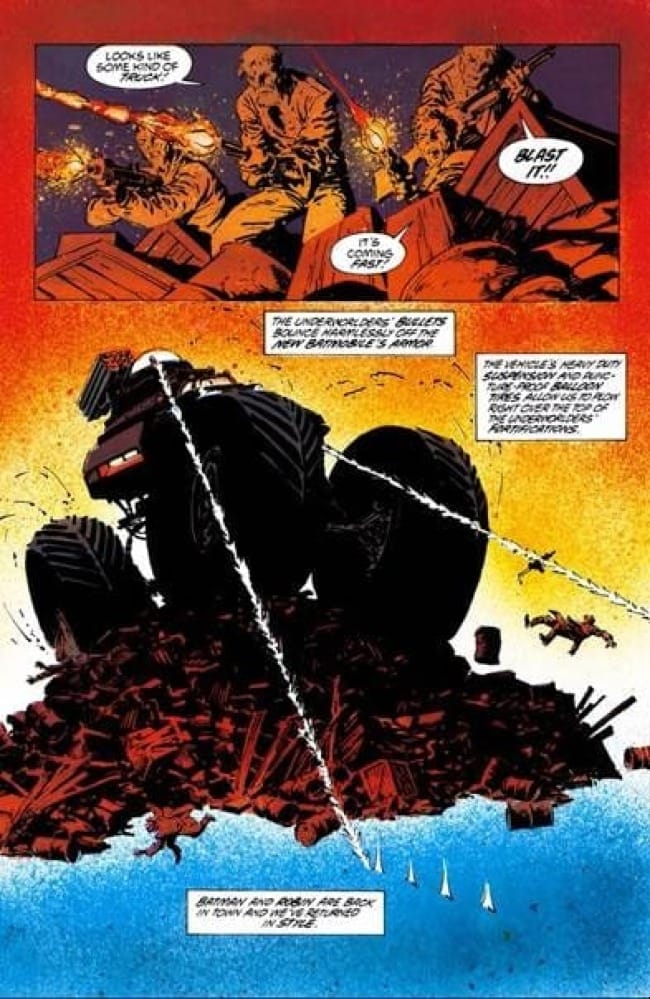
‘Batman: The Cult’ by Jim Starlin and Bernie Wrightson is a true child of the ‘Dark Knight’, despite being produced by two industry veterans, each predating Miller by a good 10 years.
But, with the corporate sanctioned freedom to cut loose on Warner’s flagship comic character, they embraced the opportunity to produce something truly deranged.
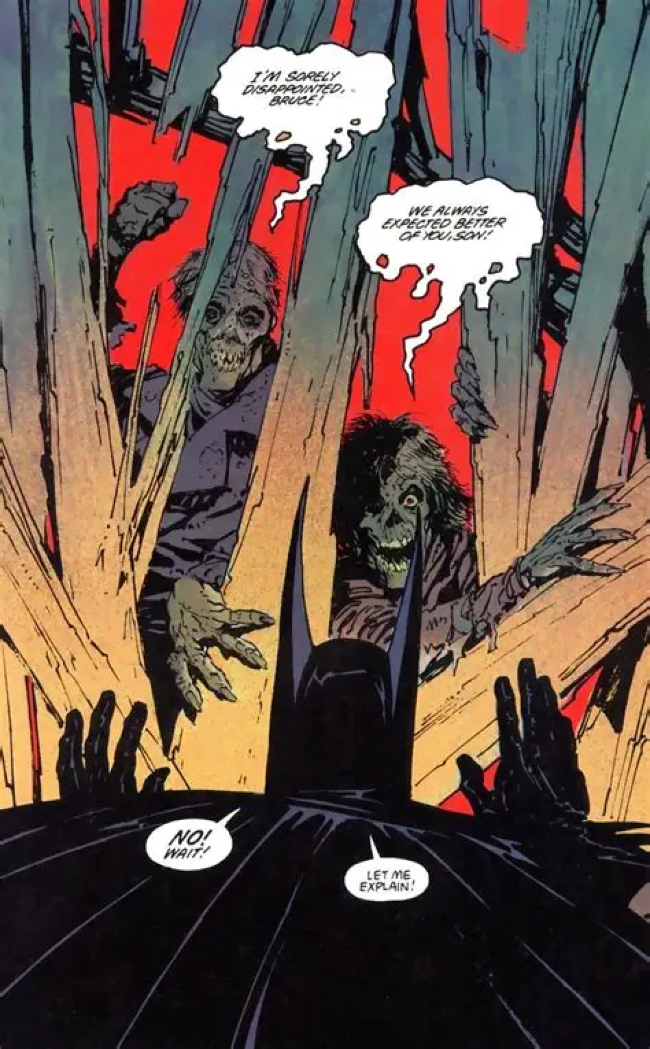
As a newly emboldened comic reader in the revisionist era, I was the eager audience for something this unhinged. I tore through the collected version of ‘The Cult’ simultaneously repelled and fascinated by its lurid contents.
This was Batman filtered through the lens of Umberto Lenzi. A frenzied, blood-splattered tale of a drug-addled hero sucked into a post-Manson death cult, packed with evil hippies, Uzi 9mm’s, hallucinogens and executions.
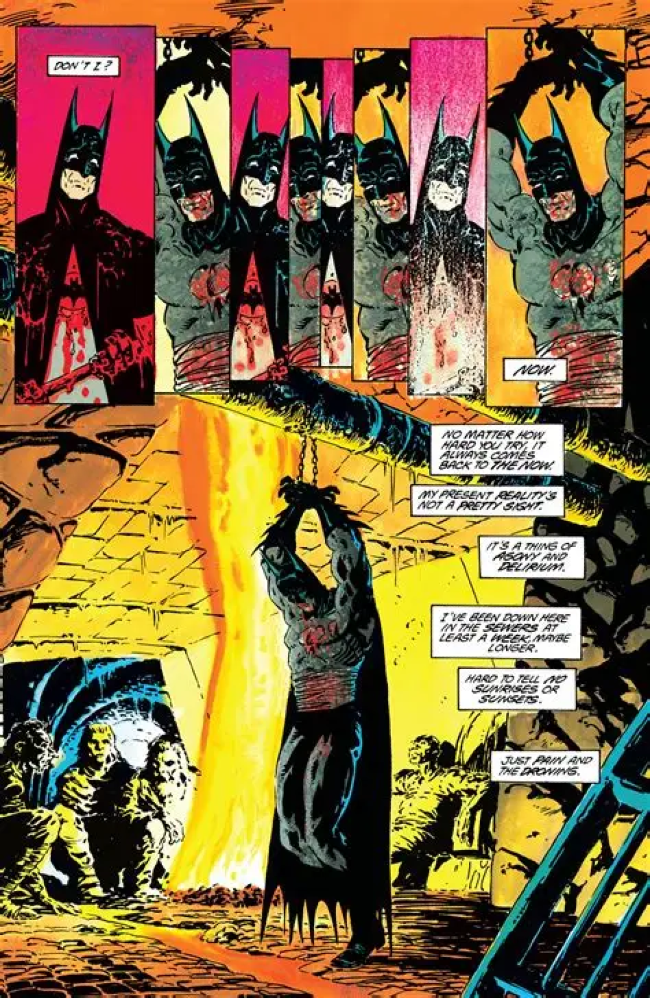
Starlin, ex-Vietnam vet and 70s head, revels in the political and cultural miasma, while Wrightson draws up a lunatic splatter-punk storm. Bill Wray drenches pages with lysergic vibrancy.
Gotham City is ripped apart in a frenzy of gory anarchy. A tripping Batman axes a phantasmagorical Joker to death. Order restored beneath the crushing wheel of a monster-Bat-truck. Batman and Robin gunning down the homeless.
This was disreputable, indefensible exploitation comics masquerading as serious literature.
I loved every second.
ITEM
This feels great
Tell just one person that you liked this newsletter. Word of mouth, more than any other form of promotion, is how creative works get noticed and sustain themselves. Thank you very much for reading.
ITEM
“Another promise fallen through” — The Traitors
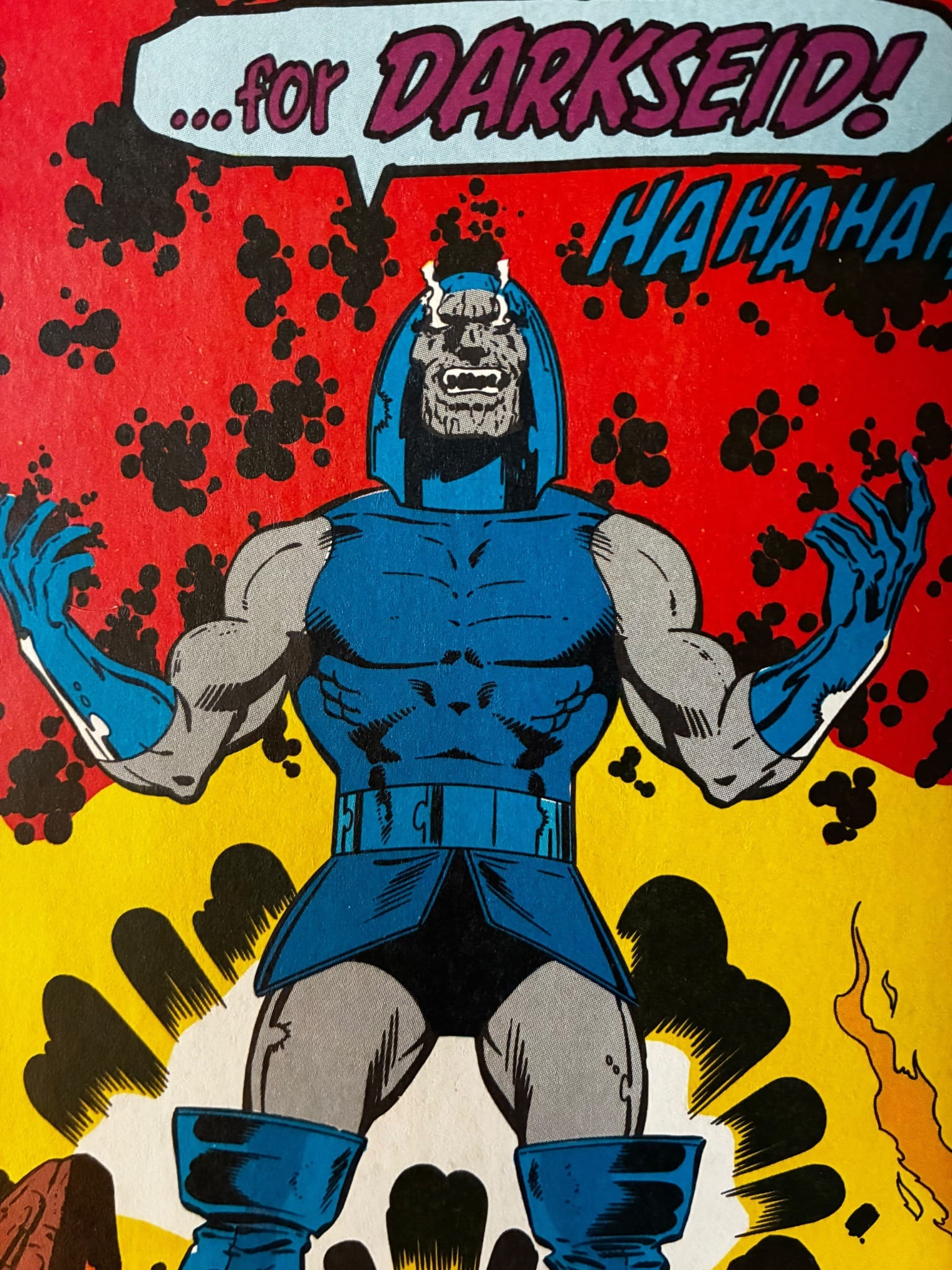
“Darkseid looks pretty trim here. Has he been working out?”
“Mounjaro Darkseid. Rumour is he’s going to be on The Traitors.”
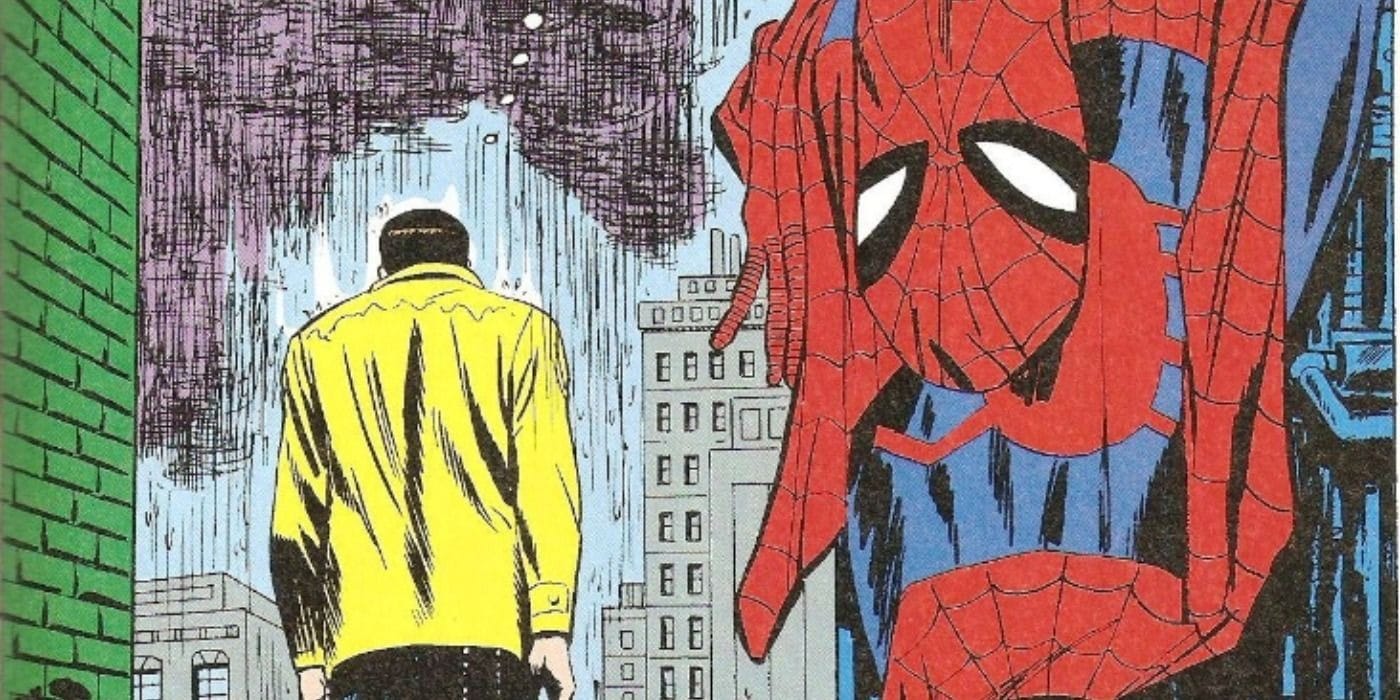
“Captain America is selected as a Traitor. How does he react?”
“I reckon he'd leave the game like Peter Parker walking away from a binned Spidey suit.”
“Superman, meanwhile, would cause total chaos in the castle because no one would think him capable of such duplicity.”
“Batman calling the Traitor right every time. It gets boring so he’s voted off but that turns out to be part of his plan to investigate a production-side conspiracy.”
“The Beyonder as Claudia.”

“Hopey and Maggie put in there to try and appeal to a cooler audience, but they just take the piss. Sitting about whilst the heroes do their best to get a token from a raft or some shit.”
“Cyclops panicking about one jokey flirt Maggie threw his way, oblivious to the fact she and Hopey have been doing impersonations of his response ever since.”
“Great at the challenges though.”
“Flash good at the tasks too. Unless it’s a singing one.”
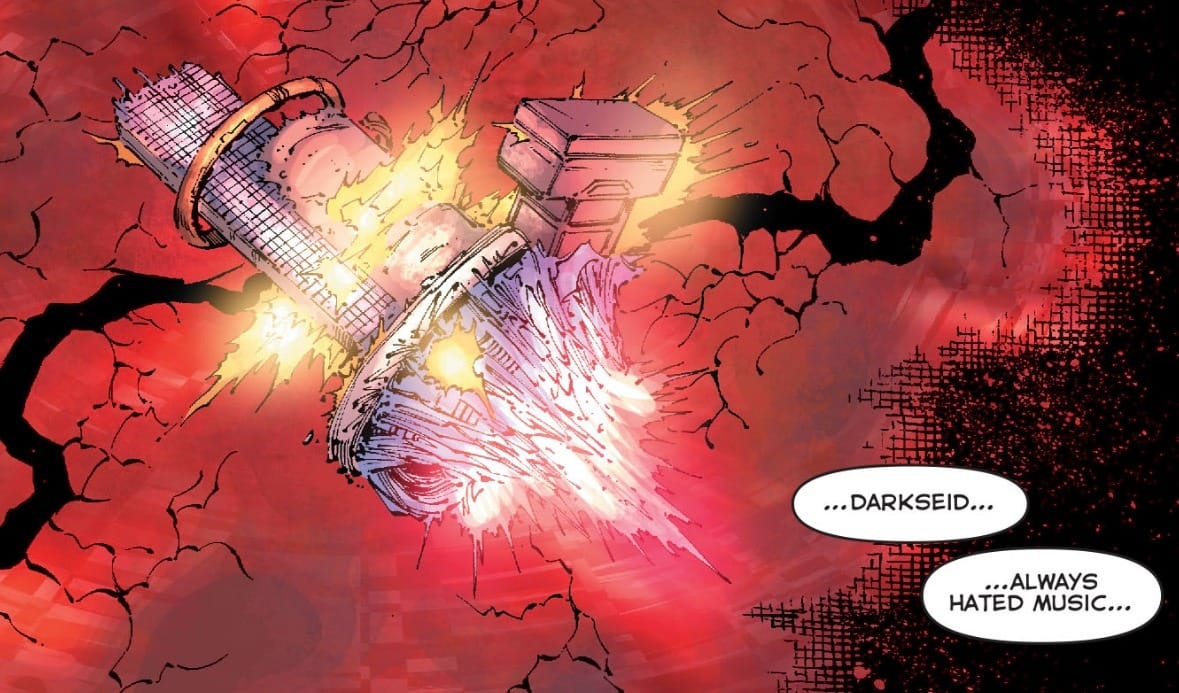
“Wonder Woman’s lasso of truth breaks the game. Weird jumps in the edit, behaviour at the round table makes no sense to viewers.”
“Green Lantern assumes he’s the leader of the Faithful. Voted off week one.”

“Doctor Doom furious not be picked as a Traitor when he’s brought his own cloak.”
“Slamming his fist down on the table – ‘Much as I dislike this situation, I AM FAITHFUL! HUNDY P!”

“Reed does the murder in plain sight from another room. Perfect execution but his smug demeanor at the round table ruins it.”
“Martian Manhunter going on about how he's "a clairvoyant". It's well cringe.”
“Hawkman misunderstands the game and votes himself out.”
“No one wants to chat strategy with Nightcrawler, not because they think he’s a Traitor but because the eggy bamf smell sticks to his fur and it’s giving everyone the boak.”
“Bruce Banner is a Traitor, Hulk is a Faithful.”
“Dr Fate-ful.”
“The shields are all mini Cap shields. Made by S.H.I.E.L.D.”
“Flaming Carrot wins. Gives his winnings to a donut shop.”
“Eventually Galactus just eats the castle.”
ITEM
Park Life #4: The Epcot Guardian
An unattractive confession: I had one of my favourite meals in a Disney park. Swordfish in the Japanese section of Epcot, half a lifetime ago. Fuck knows if that Disney fish would hit right again but in the moment it didn’t taste like product, it tasted like the world. Or close enough to stop me questioning Epcot’s World Showcase – ““Outpost” is it aye?” – and give in to the illusion.
(Hate that a couple of key collabs mean this
fucking guy’s art is still in my system!)

Anyway, belter of a holiday in actual Japan, as you’ll be tired of hearing from everyone else already. I can bend your ear about Kinosaki or Shimokitazawa but I’m also haunted by the park map. The chorus of dos and don'ts from my phone. The obvious absurdity of applying it to my own back garden: “I’ll tell you the good churches but first: are you a Catholic tourist or a Protestant tourist?”
Always been a bit of this when you put on the mask, the reduction of life to a checklist, each item carefully budgeted for. Perhaps it’s just harder to maintain the illusion that you’re fucking about now.
There are still moments, of course. This fountain in Kyoto and the faux-Vienesse cafe beside it were almost empty, while one street over was rendered impassable by people following the same instructions we did.

But there it is: a new timing pops up, changing the flow of park traffic. I can’t even tell you where I had my favourite tsukemen in Tokyo because I’ve somehow appointed myself its guardian.
like theme parks, obviously, or I wouldn’t be writing this series. But part of the appeal was that the seams on the costumes were obvious, the exits clearly marked.
How to maintain that sense of lightness when even your pithiest confessions and sharpest disavowals become promotional material for the latest adventure zone?
ITEM
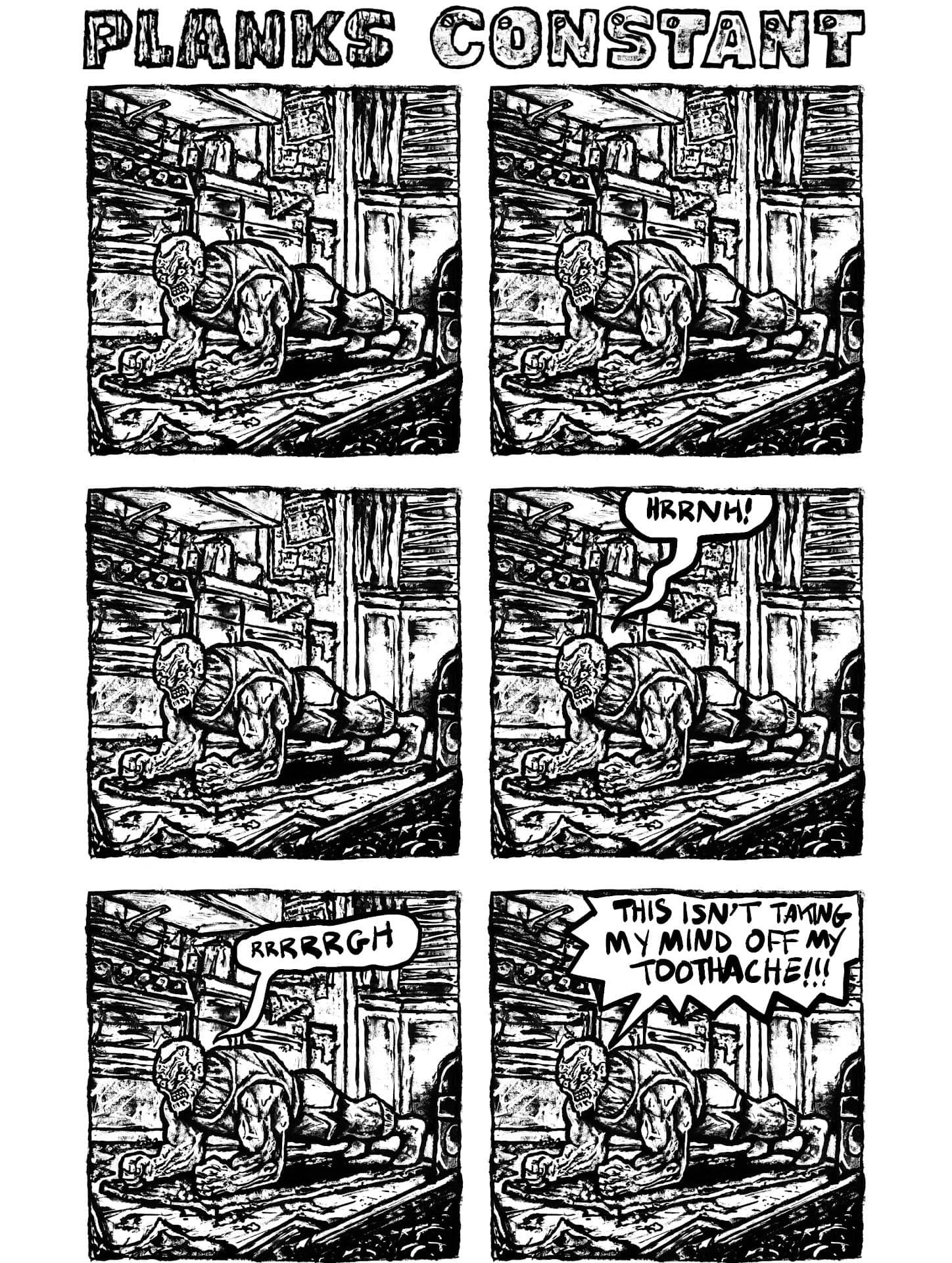
Planks Constant
ITEM
CYBERZONE 4: Criminal Organisation
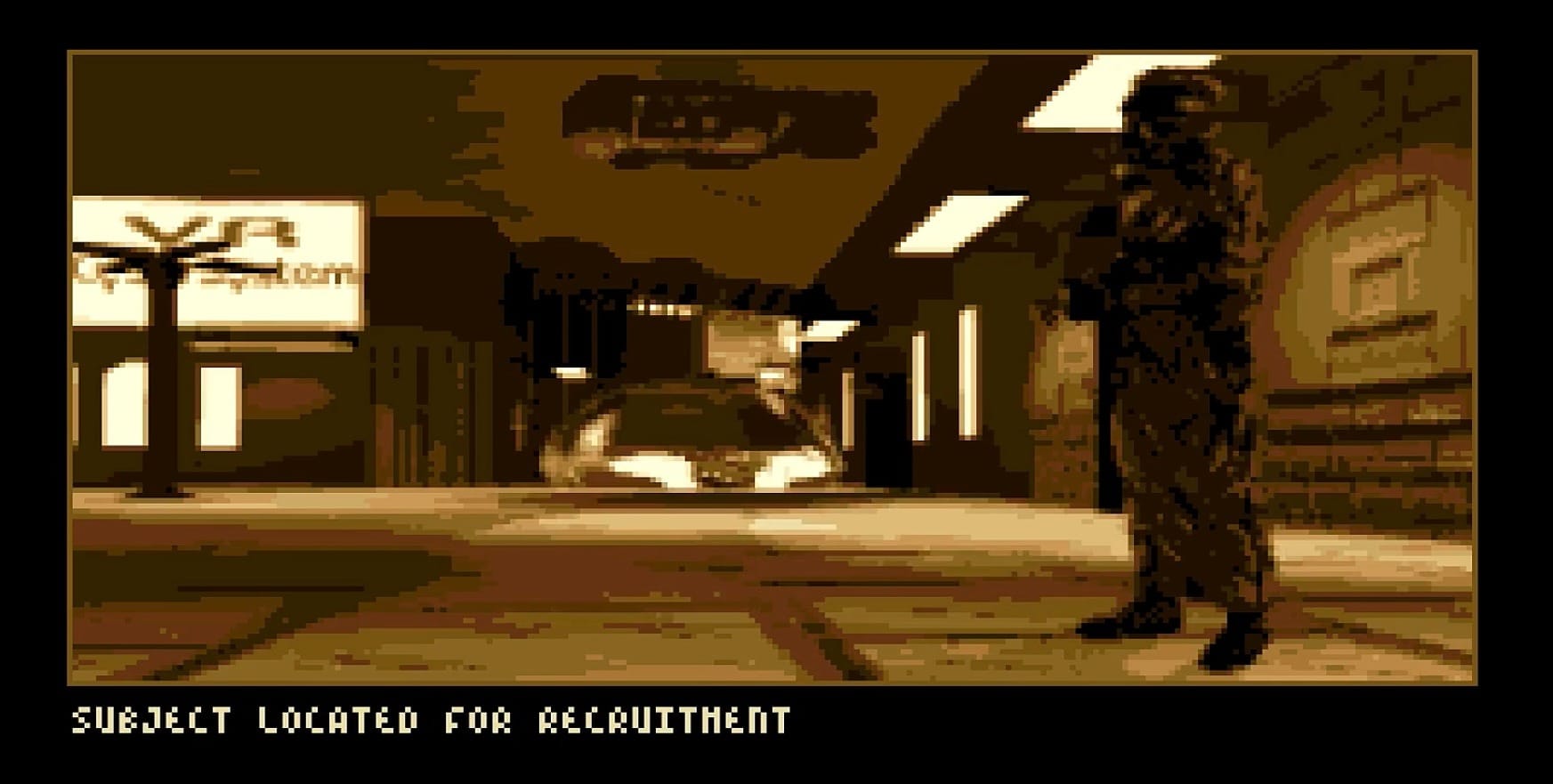
1993’s Syndicate’s intro felt next level. Hard enough to explain to younger generations the disparity between presentation and actuality of old games. Aye, aye, grandad; The box art and manual gave the story to the flat maze and stickmen therein. That was slipping away by the nineties, but it had another dimension in the cutscene. Sometimes your reward for starting the game, maybe beating a level, but definitely for finishing a game was animation. Not always. Hell, Doom had a story in the manual and a screen of text. This was also the era of Full Motion Video. A pixelated treat.
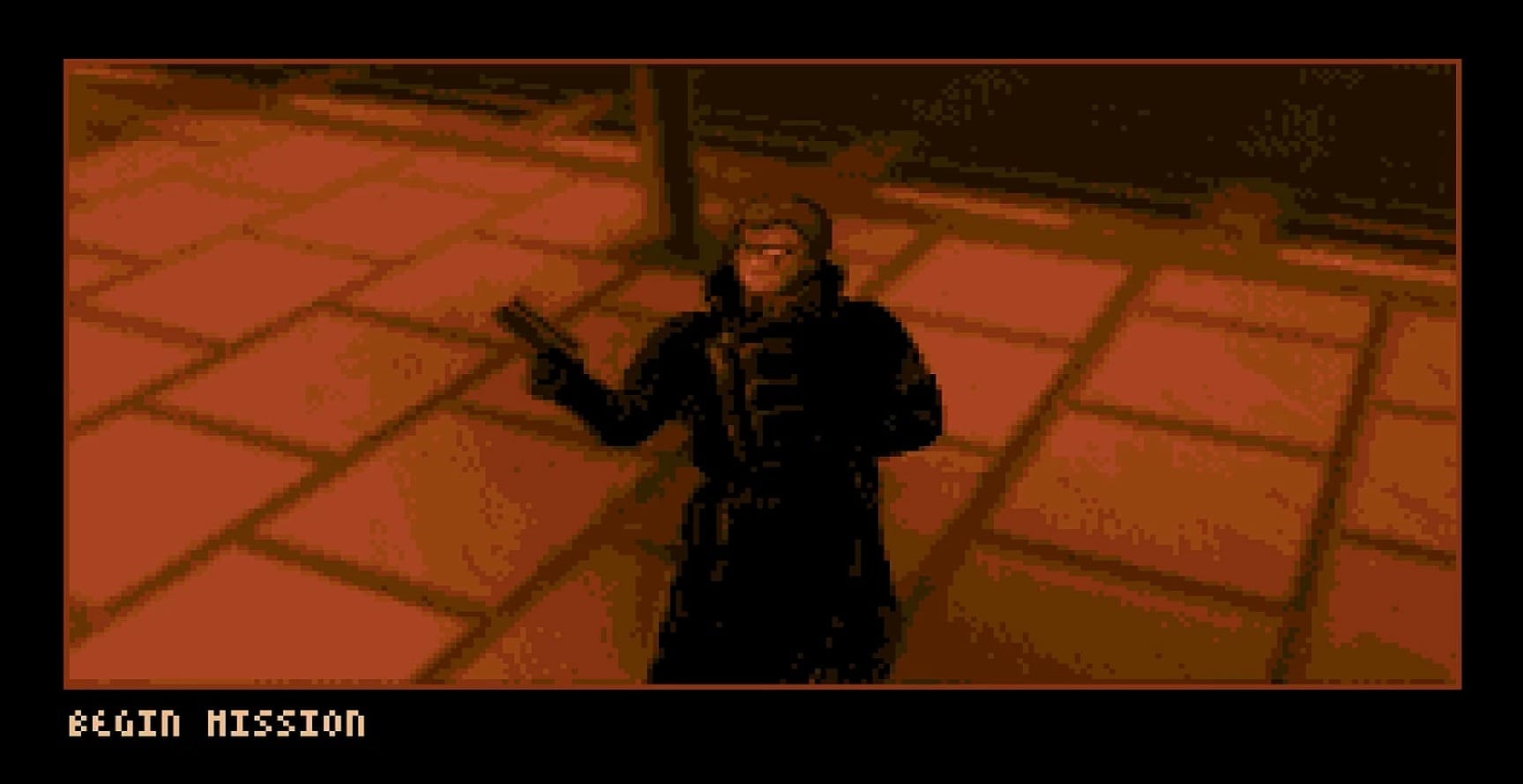
Syndicate stormed in with vehicular maiming. A street tough hauled in to be reborn as a cybernetic killing machine. A cyberpunk future populated with black trenchcoats, uzis and miniguns. You were the boss, these were your drones. You ruled this city. And the next. And the next.
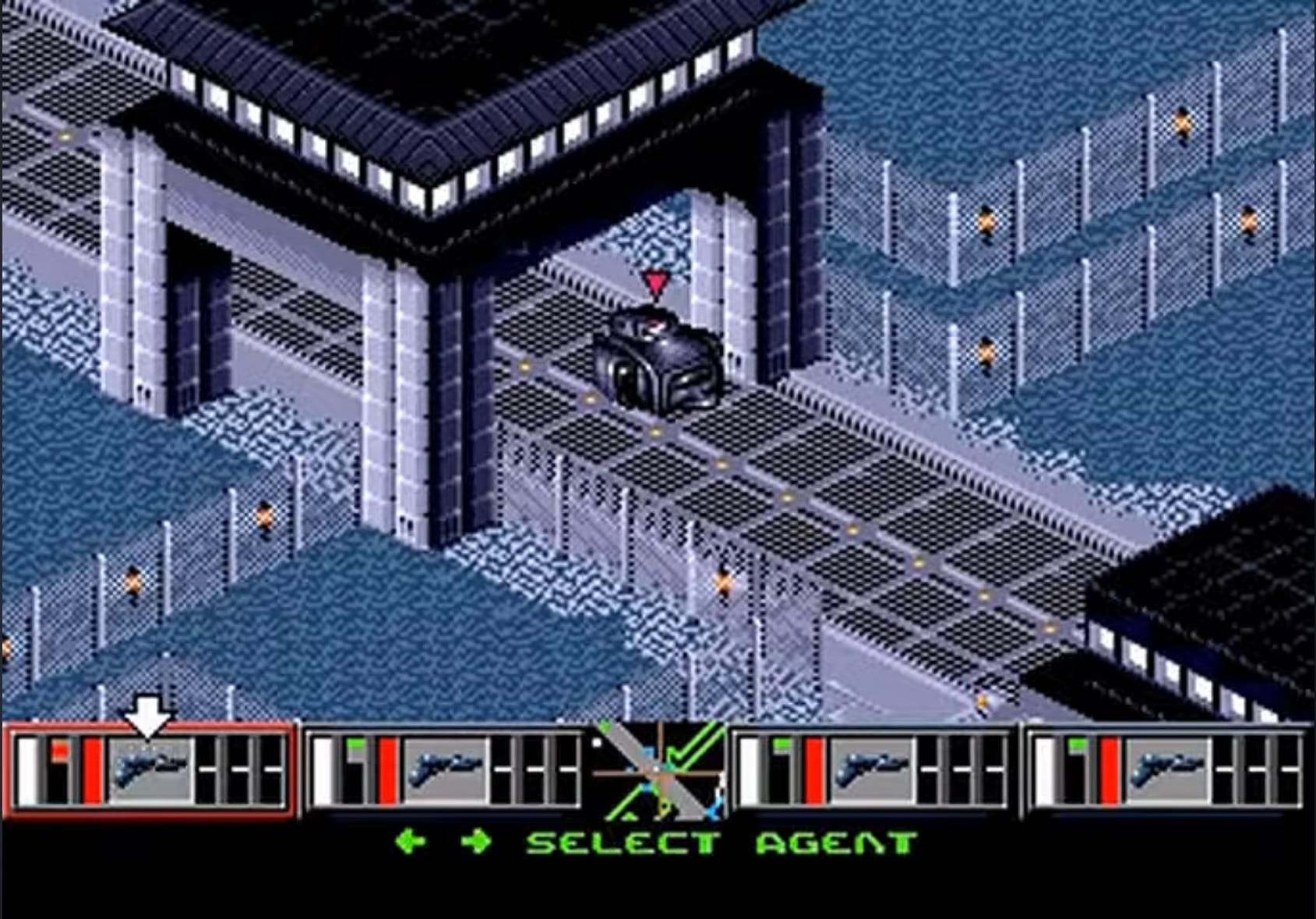
It soon drifted from the hallowed ground of the Commodore Amiga to console territory. Simplified graphics both, but us Mega Drive players got to laugh at the SNES version replacing the flamethrower with a freeze ray. One graphical oddity in the console version was that they seemed to have a selection of futuristic cars, where the original had only one. A pertinent point because the console also allowed multiplayer.
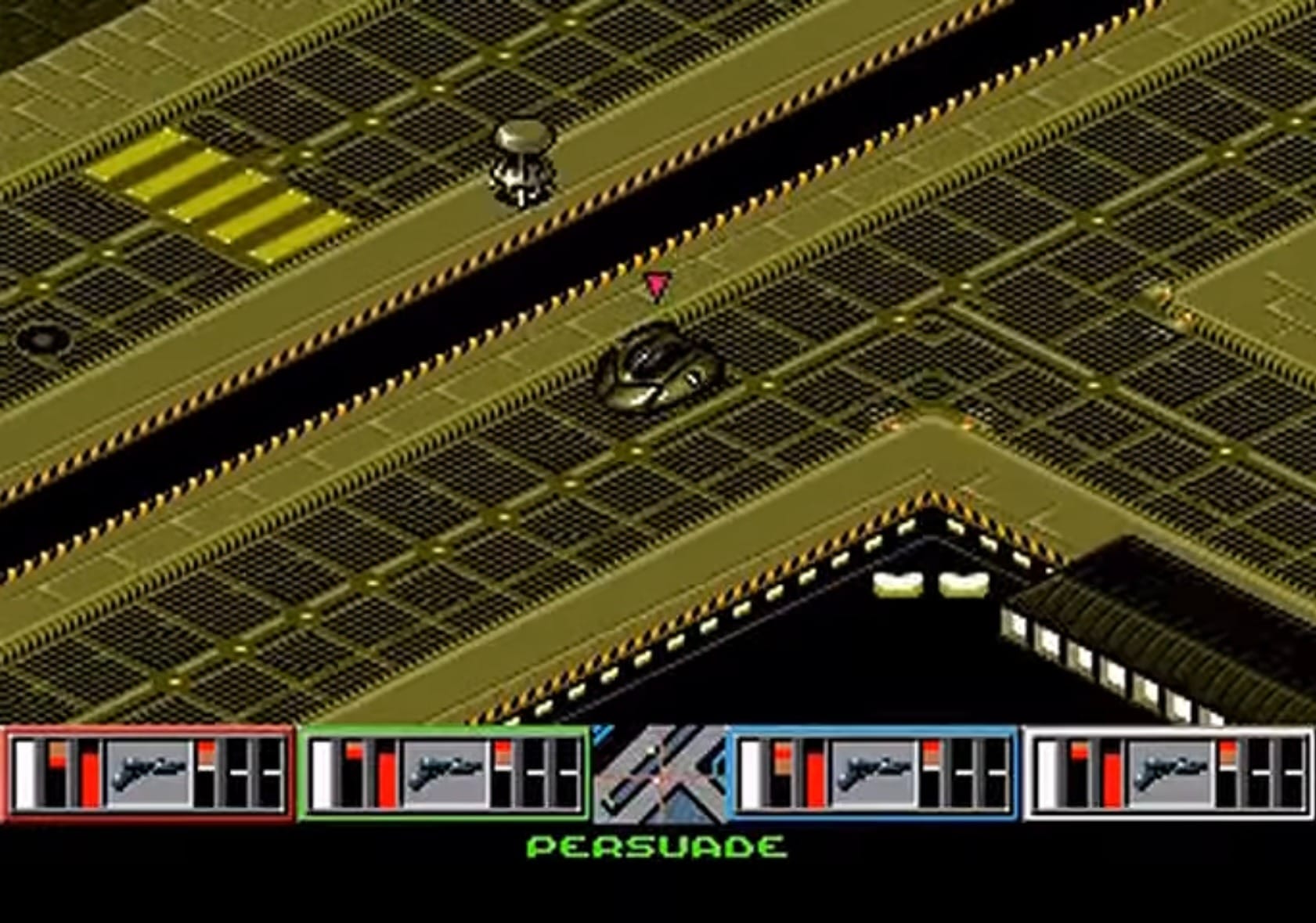
Suddenly the dynamic changed. You weren’t the big boss, you were one of the boys. You and your mate, on the ground. Two wee guys apiece. There was only one problem. You couldn’t car share. If you needed to travel, you had to find two cars, becoming a convoy. Further muddled by not being able to travel off-screen. No splitting up. Watch your man.
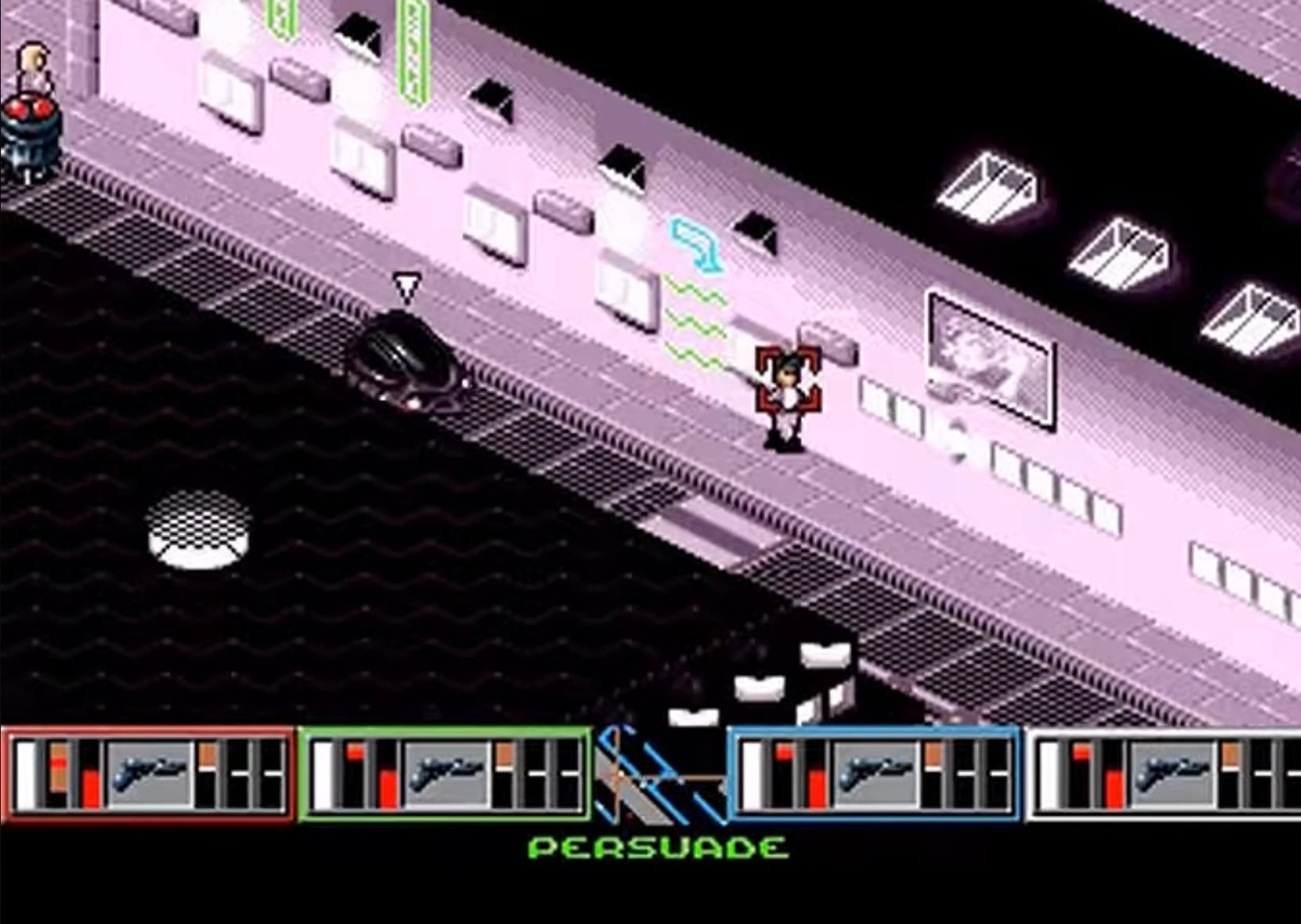
The initial buzz of the team up was slightly spoiled by the car problem. The game immediately ending like the intro began. A hard man meeting pavement.
ITEM
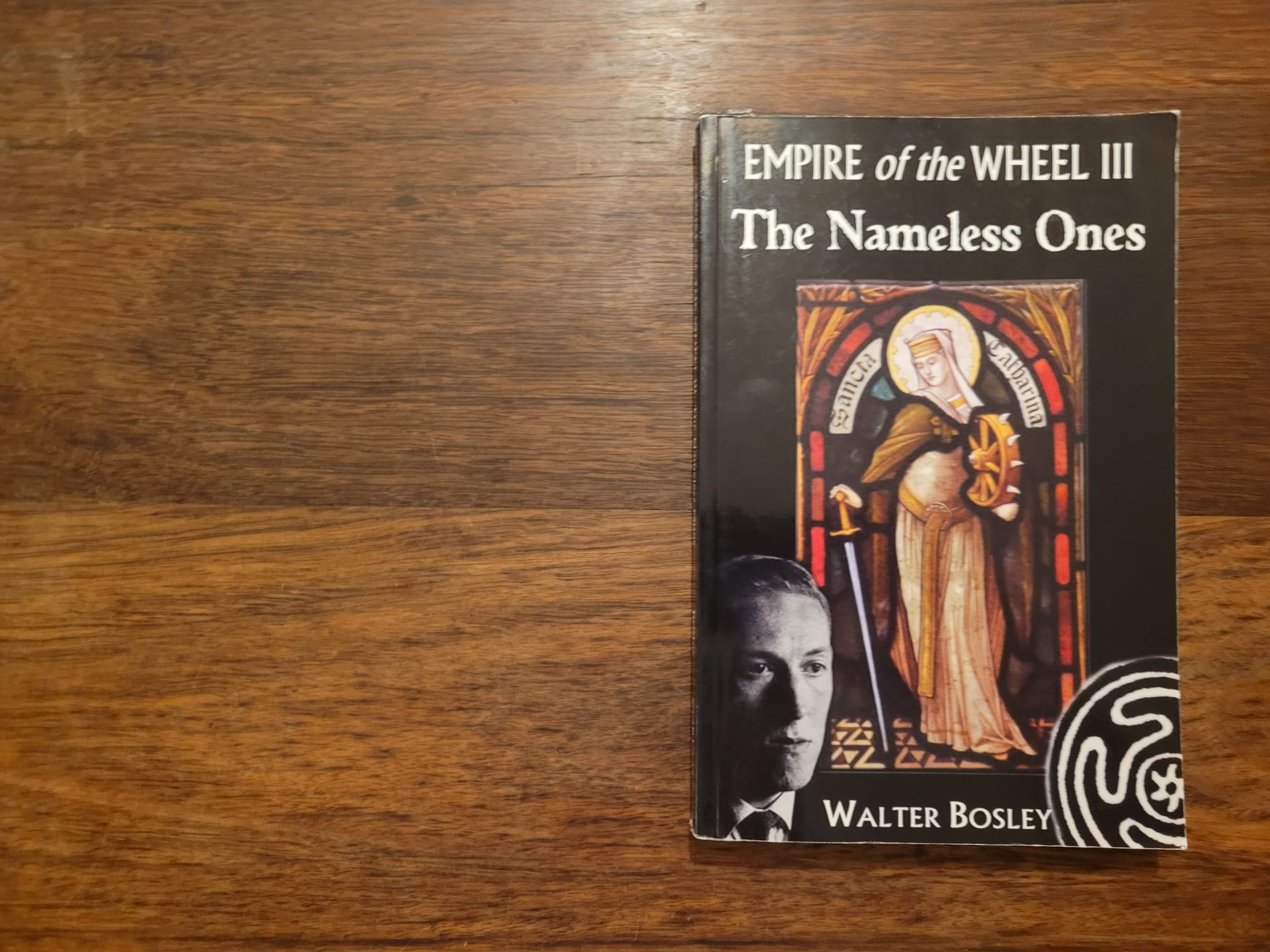
Empire of the Wheel III: The Nameless Ones by Walter Bosley (Corvos Books, 2014)
Delicious, high-octane conspiraslop, pre-Trump. Doug Hofstader’s insistence on the Conspiratorial Style is visible way back into the 1830s, with a post-presidential JQ Adams’ agitating against the influence of freemasonry on the United States’ embryonic institutions. Visiting from Paris, Alex De Cocqueville contrastingly notes that the lodges’ freedom to act so openly in the new world meant that, in effect, there could be no conspiracy in America. An old skill, dusty and cruel, antithetical and unnecessary for a nation starting from scratch.
Because of the grinding, attritional nature of the revolutionary war, a vestigial vigilance committee has always insisted on the British origin of clandestine influence in America. The aftermath of WWII proved them right, as the OSS matured, under the bacillary oversight of the British secret services, into CIA - imperial indexing and vetting protocols fused with homegrown protestant casuistry. The LaRouche Network’s popularity from the 1970s embedded the narrative of monarchist intent behind every American calamity into the mass conspiracy age, then added the devil to the mix. LaRouche’s instinctual assessment of the Room 40 men - Crowley, Fleming, Dennis Wheatley - and their ghoulish influence over the new culture feels less irrational from this distance, but the paranoid tradition he laid down loves to dwell in the delirium.
Conspiracism is always as much about programming the present as it is about diagnosing history’s blind spots. In Bosley’s case, provocative tendrils like the NYMZA breakaway mystery, Lovecraft’s True Religion and Crowley’s disruptive but obscure operations on the frontier wrap themselves around his core observations, which feel authentic, cogent and grounded. Based on close observation of a bounded space, its symbols and wonders, and how they inexorably connect to Hekate worship and human sacrifice: a death cult who’s lost the power to scare its enemies into silence - or feels secure enough not to need to hide anymore.