When the wind is southerly, I know a hawk from a handsaw
APB: All you have to do is win. Honey-glazed Ham. Mise-en-abyme - Revisiting Twin Peaks. Little and Cannon. Hawkins, Indiana. ABHOBC: Dragon's Claws. All I want for Valentines is a woman with the qualities of Optimus Prime and/or Superman. In the Bank of England's annuities room.
ITEM
Adventures in Pyramid Building: All you have to do is win.
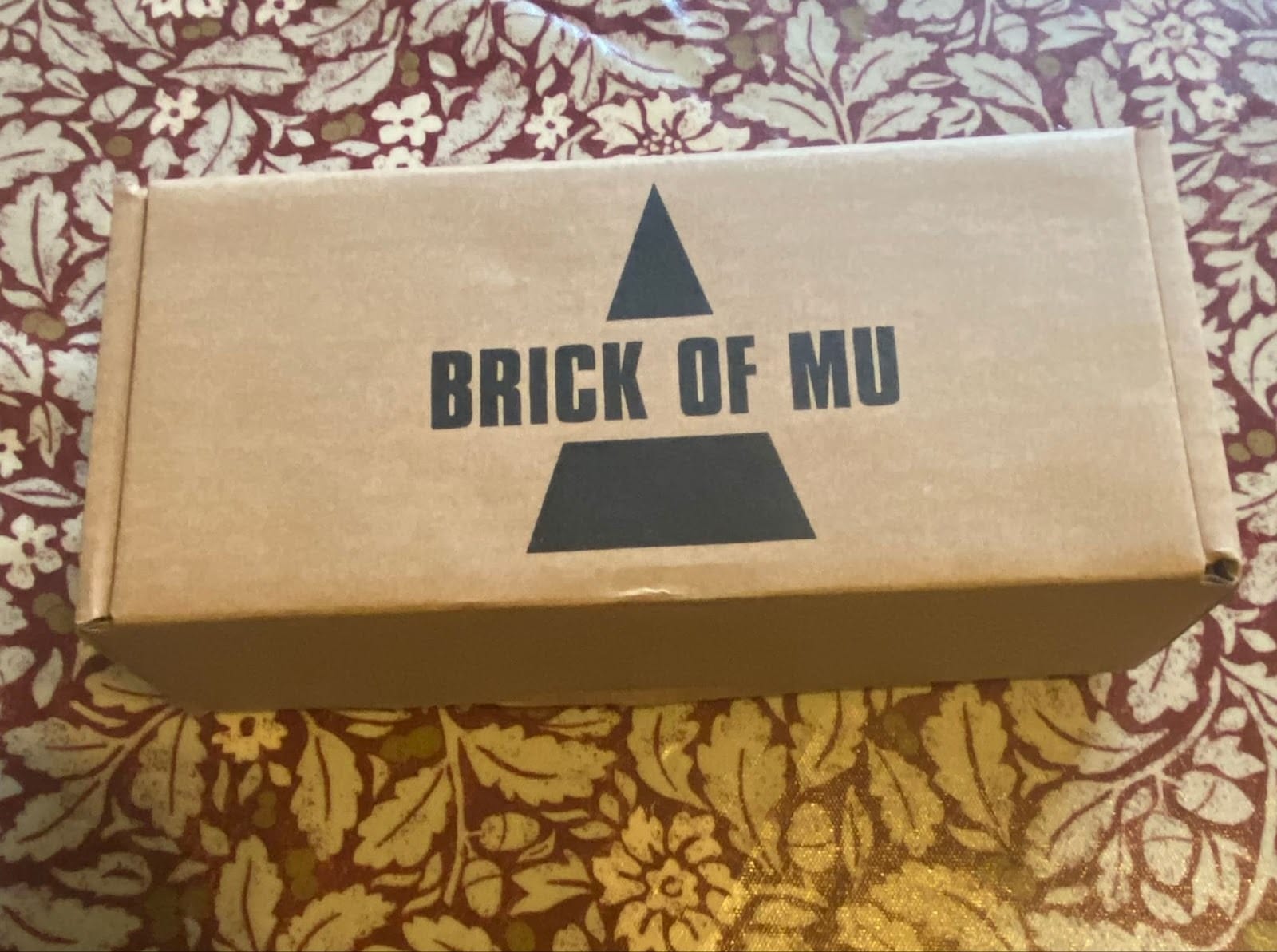
One day I’m going to die. And I really don’t want to. My past suicidal ideations are a side-effect of neurodivergence and unprocessed trauma, I don’t actually want to stop experiencing things.
I’m most scared of dying because I’m really going to miss my son. I’m pre-grieving the life we’re not going to share. And no one knows how long they’ve got so I need to get right with death now to stop it spoiling my life.
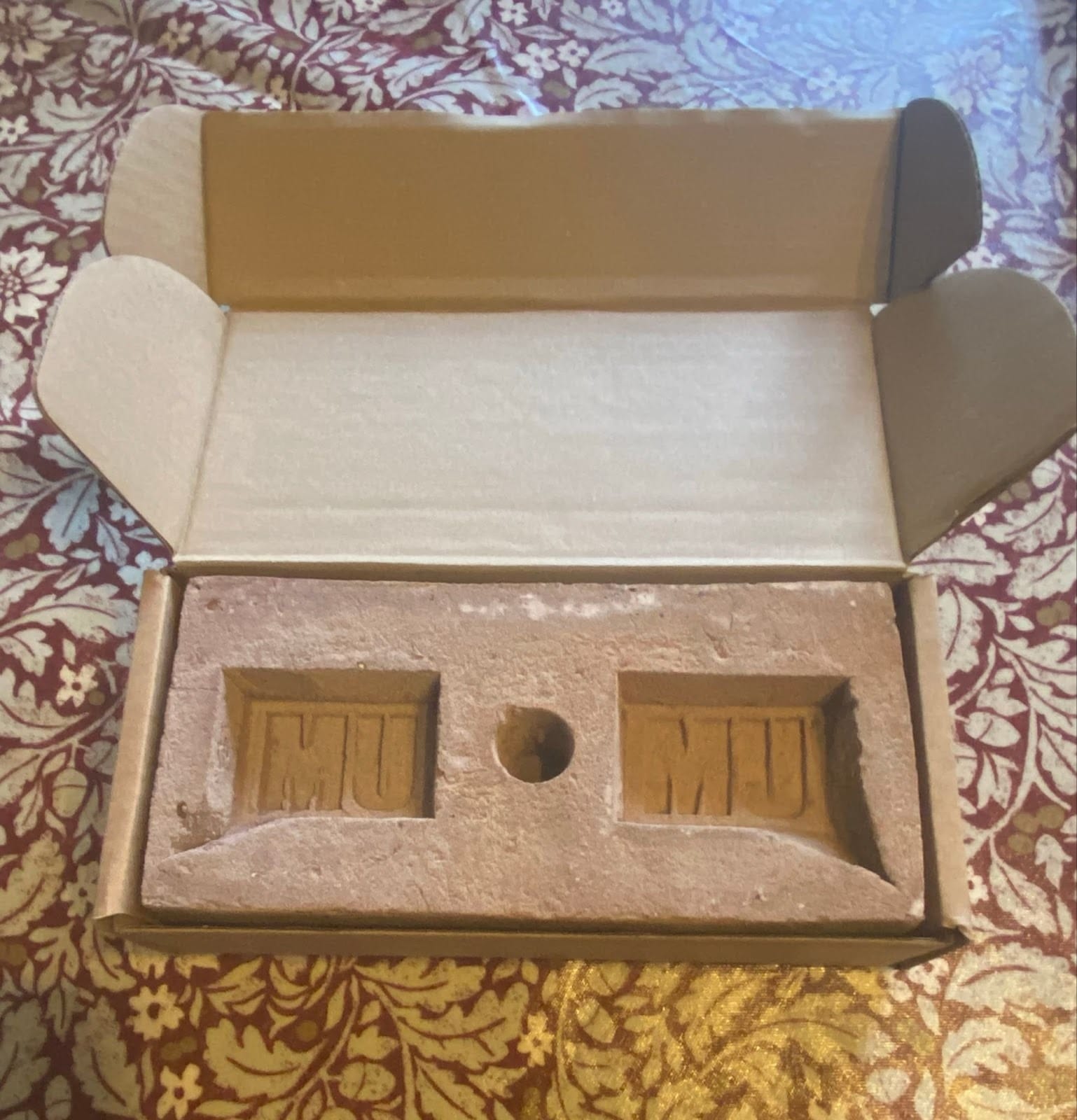
If everything goes well the Pyramid will be complete in 999 years. They’ve set something in motion that those involved now will ever see the end of, will never know if it succeeds. It’s an incredible act of faith. The idea that we have a future, that there will be a functioning human society in 999 years is kinda radical at the moment. To assume that we will stop destroying the planet to make eight men richer than god. To engage with hope at scale.
Failure is still the most likely future. The pyramid remains a pile of bricks and I die of hypothermia in Birkenhead Park aged 82, my ravaged lungs trying to get one more note out of my foghorn.
But what if it works? As the pyramid grows it should start to affect the wider culture, to drive the conversation around death and memorial and grief. To change how we do things.
And as the misogynist, racist, homophobic, transphobic currents are in ascendance, is there something in this celebration of all the bits of our lives that could be one of the ways we resist those bastards?
The pyramid wouldn’t mean as much if it was achievable. That would just make it a long project. It has to be heroic. I think about my son. There are some things you set in motion that you shouldn’t ever see the final shape of. This is the best outcome.
ITEM
Honey-glazed Ham
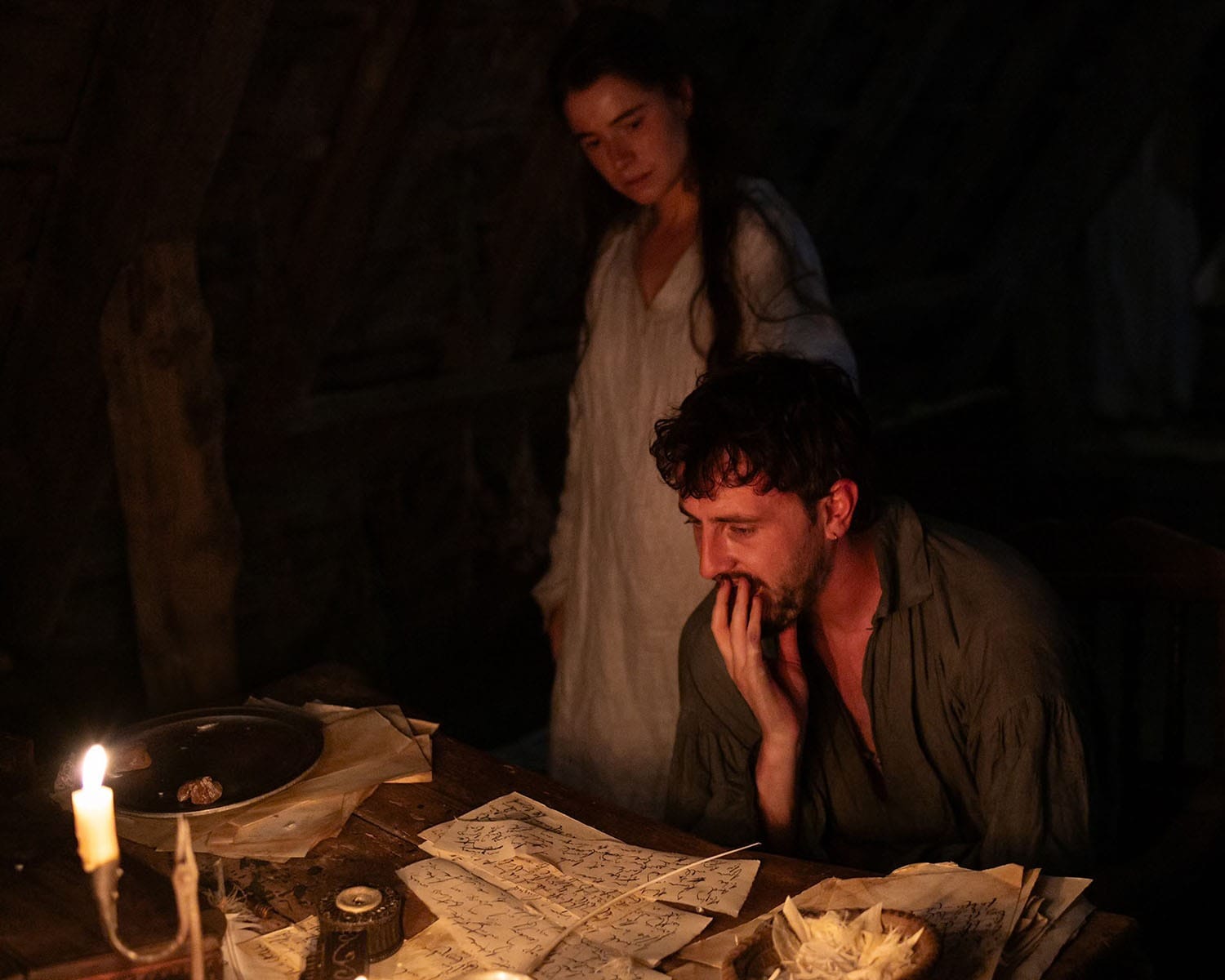
‘Is this really the script?’
I read Hamnet the week before I saw it, and in retrospect, that is probably a dumb move that makes it very hard to appreciate a movie on its own merits. The film obviously has to condense its source and to adapt interior into exterior monologues. But… Hamnet the movie condenses the intense and sometimes austere emotional landscape of the book into a sickly syrup, flattening its awkward peaks and troughs into a compressed performance of clichés and truisms.
I was genuinely surprised to see Maggie O’Farrell listed as co-screenwriter at the end of a film whose attitude to her novel seems to be ‘can we take that nuanced and ambiguous emotional description and make it MUCH MORE OBVIOUS?’, a process which reaches its dubious nadir in the sight of Shakespeare literally standing on a jetty, contemplating suicide, reciting ‘To be or not to be…’
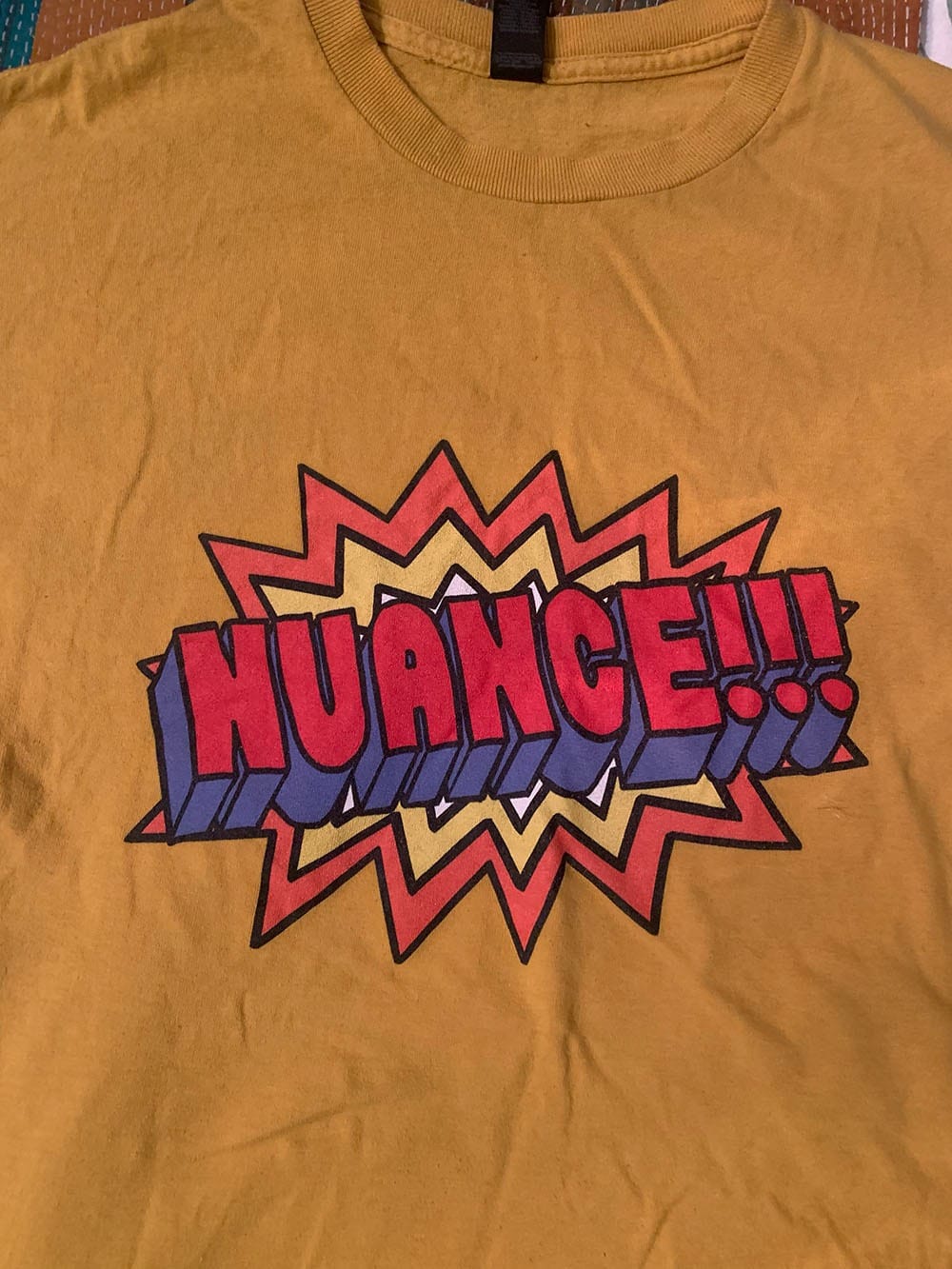
Yes, as it happens I did wear this t-shirt to the cinema
I don’t mean to make light of anyone’s relationship to death but I’m often surprised by people’s shocked reaction to tragedy in stories, as if we don’t know that people are constantly and senselessly killed by disease, natural disasters, malevolent governments etc. Hamnet depicts tragedy and grief in an era when kids died ALL THE FUCKING TIME. Part of the book’s power is in examining the paradox of how one family’s grief (and presumably every family’s grief) can be seemingly bottomless and profoundly unique despite the everyday nature of its cause.
The caramelised version on screen risks idolising Hamnet as a special little dead boy. Whereas the novel powerfully suggests that art cannot solve tragedy or grief but may synthesise a meaningful commemoration, the movie’s mawkish conclusion appears to suggest that art can redeem or make sense of the ultimately senseless tragedy of a child’s death, bringing tears of joy to his mother’s face as Hamnet walks, smiling, into the gloom.
ITEM
Mise-en-abyme - Revisiting Twin Peaks

Twin Peaks always over or under signifies. Even the most thorough readings, like John Thorne's staggering book-length analyses, cannot satisfy. This isn't simply because pieces refuse to fit or because complex readings seem irrelevant to most viewers' experiences. Rather, Twin Peaks privileges excess meaning and mystery in ways that create an insatiable desire to keep looking.
Fan and critic communities accentuate this through theory crafting and endless commentary. Dialogue between Lynch and Frost's bodies of work creates further interpretive possibilities, a pathway underlined by Season 3's gestures toward Lynch's wider oeuvre and artistic history. The ways Twin Peaks' various texts contradict, complement, and expand each other keeps the question of meaning energized. All this turbulence creates an abiding impression that Twin Peaks doesn't want to be settled.
This failure of the power of analysis means that the standard interpretive moves start to seem like a matter of aesthetics — efforts to describe rather than explain. And so we have the familiar discursive camps: Lacanians, occultists, biographical readers. These theoretical frameworks are oddly post-theory, quietly surrendering analytic ground to re-narrativise the experience rather than decode it.
Lynch himself was against the foreclosing power of interpretation, refusing explanation or insisting the work is its own explanation. He sometimes invoked death of the author in ways suggesting either familiarity with the concept or intuitive alignment with it. Now, numerous biographies later, even biographical framing feels exhausted. David Lynch has died. Theory has died too. We inhabit a post-theory space.
Yet we remain haunted. As Lynch told Russ Tamblyn on set, "when in doubt, think about ghosts"—a neat summation of his intuitive, somewhat spooky relationship with his own work, but also its insistent recursivity. My deceased twin brother and Diane co-host claimed that all David Lynch stories were hauntings. And so yes, I think about ghosts a lot when I think about Twin Peaks.
ITEM
Little and Cannon
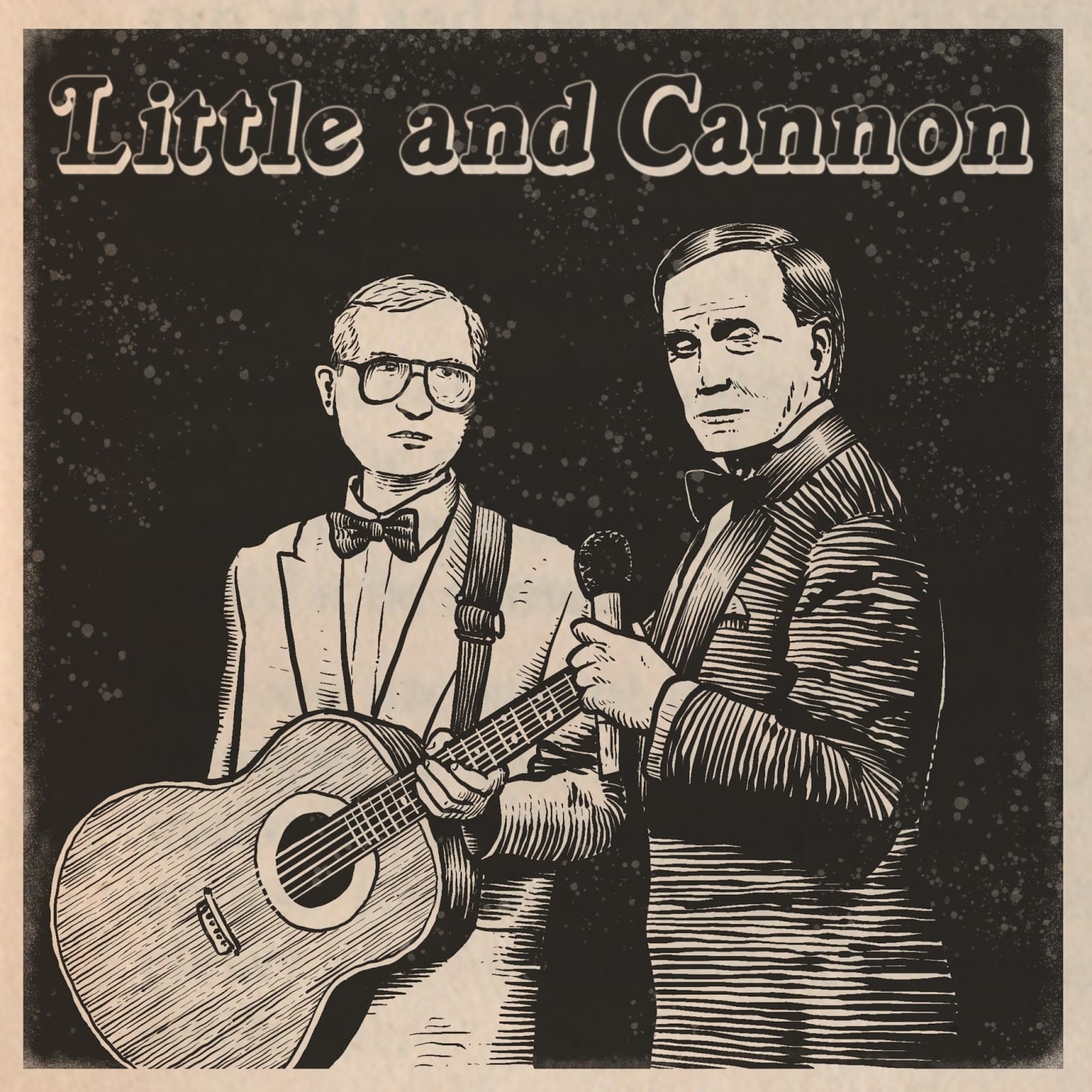
I still get a chill when I remember Syd Little and Tommy Cannon's appearance at the Royal Variety Performance. I watched it again on YouTube recently and it retains its potency. Once the showbiz music stops and the clapping dies down, this is what happens.
Tommy
"Hello hello ladies and gentlemen and your Royal Highness. What a pleasure it is to be here at the Royal Variety Performance, isn't it, Syd"
Syd
"That’s right, Tommy. It's really lovely. And it's lovely to be here without our respective antagonists."
Tommy
"Very true, Syd."
Syd
"Yes. Lovely."
Long silence with a couple of coughs from the audience.
Syd
"I… I've got my guitar here. Maybe I could finally sing a song without Eddie mucking about"
Cannon
"That sounds like a great idea! I could sing with you. Bobby always stopped me with his antics. I'd love to sing a song"
Syd
"Oh right. Shall we sing together?"
Cannon
"Yes please."
Little starts slowly strumming and they sing Without You as a duet, Cannon starting with
"No I can’t forget this evening, Or your face as you were leaving…"
Then Little takes the second verse,
"No, I can't forget tomorrow, When I think of all my sorrow.."
They harmonise on the Chorus,
"I can't live if living is without you"
Looking into each others eyes,
"I can't live, I can't give anymore"
They die harder than Tommy Cooper on that stage. They finish and bow with big smiles. You get a glimpse of their smiles dropping as their heads slump and they walk off to silence. Culture has forgotten this incident, buried it like a trauma. I beg you not to watch.
ITEM
Mindless Exploration - Hawkins, Indiana (Stranger Things season 5, 2025 - 2026)
As the final 45 minutes play out you’d be forgiven for wondering what happened to the soldiers. Having drafted Linda Hamilton as a villain with the drive of a Terminator - if not the cop-machine’s sense of where to apply pressure - the series appears to suggest she went into sleep mode with the apparent destruction of her primary target.
No vengeance for her well-quipped specialists, locked into a battle against an insurgency all season long. Instead, they simply chalked up their fallen comrades to bad luck and got on with it.
Or maybe not. Look again at Hawkins, once your eyes have adjusted to the move from the rotten, cum-slick subterranea of the Upside Down. Observe the performative nature of the scenes we’re given, and ask yourself - has everyone done this before?
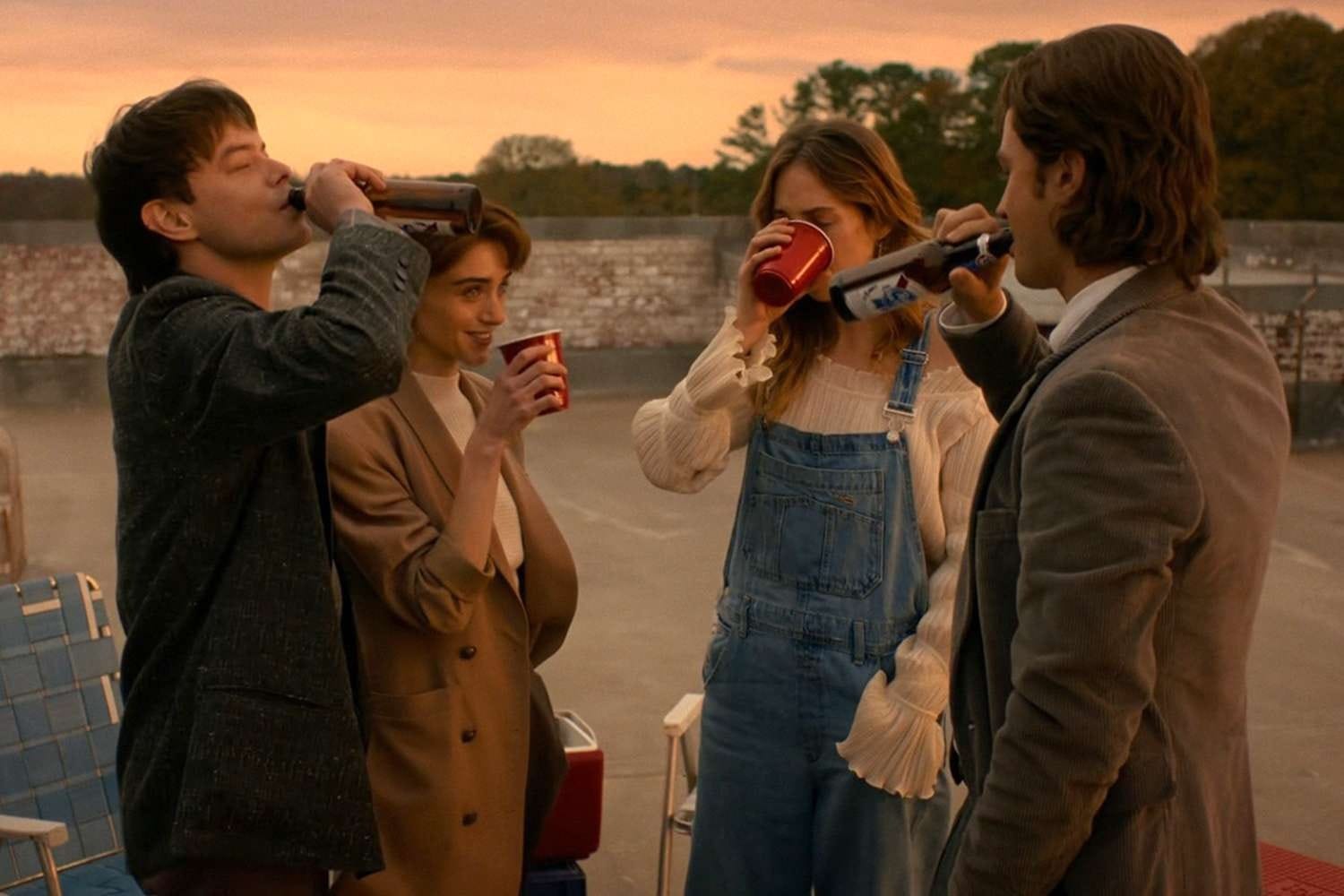
A graduation that unites different social groups in a polite rebellion. A modest piss-up where everyone talks about what they’re up to somewhere else right now. A choreographed handover of once-meaningful entertainments to the next generation. The details may shift - a different job opening, a different theory of survival - but you get the sense that this is all a show put on by people still living in an open air lab slash prison.
The soldiers wouldn’t want people with experience of evading an armed occupation running free and wild now would they? Especially not if they’d breathed in great lungfulls of who knows what, their bodies ripe for strange eruptions at some future date.
If there’s any hope here it’s in those resourceful buffoons and unmourned lovers whose futures are not even discussed obliquely. You could say they were annihilated, or made fall guys for the gang’s worst misadventures, but it’s possible that they’re elsewhere, transformed, ready to live their lives free from the demands of dead-end fiction.
ITEM
A Brief History of British Comics
15: Dragons Claws
- Publisher – Marvel UK
- June 1988 - April 1989
- 10 issues
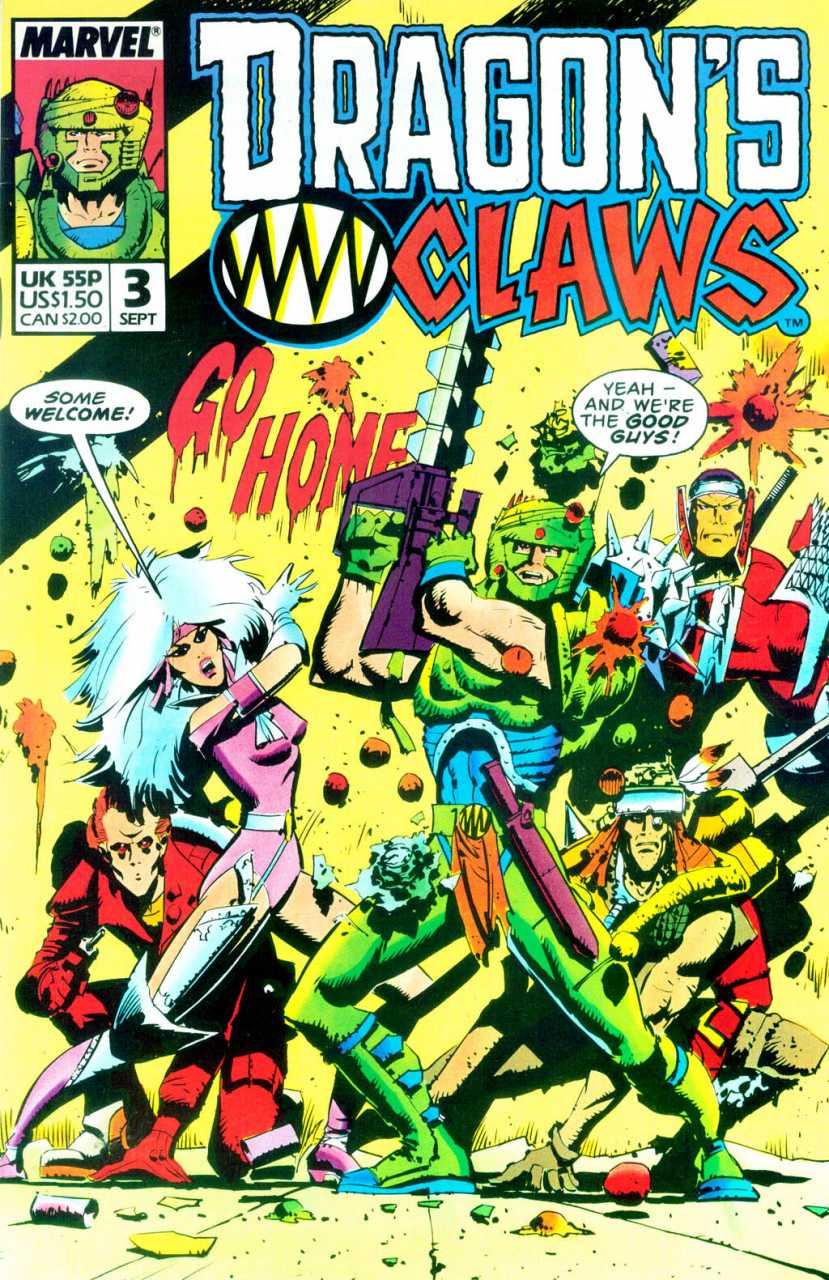
Geoff Senior should be mentioned in the same breath as John Woo, Sam Peckinpah and Gareth Evans, as a grandmaster of action set-pieces. The dynamism, pacing and kinetic crunch of his action-storytelling is nearly unsurpassed in comics.
Like a lot of truly great artists, Senior sits in the fringes. A certain generation of comic readers will whisper his name with appropriate reverence, but he never broke wide. Years of under-the-radar groundbreaking work in Transformers never led him to 2000AD or into the superhero salt-mines. There was, however, Dragon’s Claws.
10 sweet, short issues were all that was gifted to Marvel UK’s attempt to do a non-IP sci-fi comic that skewed slightly older. Simon Furman was temporarily given keys to the country club and launched this and Death’s Head. Dragon’s Claws indulged his love of gonzo, exploitation sci-fi films, with its mish-mash of edgy characters and dystopian pic-n-mix aimed squarely at a 12 year old’s brain. There were nods to the Evil Dead films, Rollerball and Death Race 2000. A true head.
It was Senior’s show though. Action set-pieces from those 10 issues are burned, beat-for-beat into my synapses.
Deller’s blazing shootout with The Shrine at Dragon’s farmhouse.
The running gun battle with the Jesters.
The Claws and The Evil Dead 2 facing off in N.U.R.S.E.’s HQ.
Slaughterhouse and Dragon vs Matron.
The three-way firefight with Incinerator Jones and the Jones Boys, and Death’s Head.
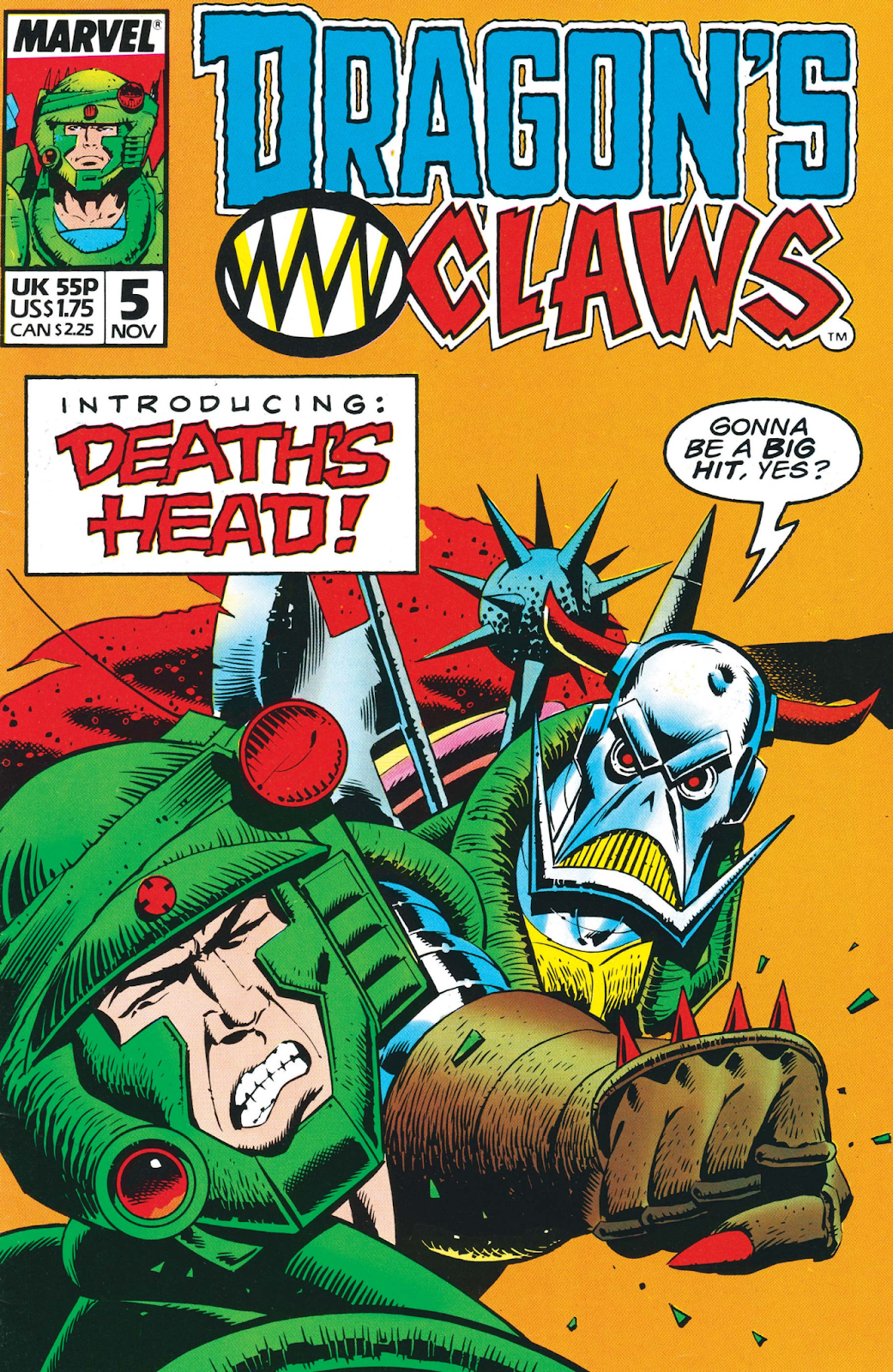
This last issue belongs in comics Valhalla; a perfectly executed action comic, with everyone’s favourite freelance peacekeeping agent rendered never more lethal. It’s a masterclass of propulsive thrilling carnage that I first read breathlessly in the back of our car, lit by the streetlight through rain-smeared windows, waiting for my Dad to get off the train.
I hope Geoff understands what he did to us.
ITEM
The 'Pool
Tell just one person that you liked this newsletter. Word of mouth, more than any other form of promotion, is how creative works get noticed and sustain themselves. Thank you very much for reading.
ITEM
ALL I WANT FOR VALENTINES IS A WOMAN WITH THE QUALITIES OF OPTIMUS PRIME AND/OR SUPERMAN
Just read my daughter a pretty unstinting account of Maid Marian’s would-be rapine husband Roger de Longchamps getting an arrow through both eyes for his trouble, thoroughly instructive stuff… I read a load of leather-bound Robin Hood adventures and watercolour Arthuriana when I was probably a bit too young, like 9; I mind Robin dying quite clearly but fortunately a trip to the Arbroath cineplex to watch Prime die a couple years prior had hardened me, it’s a bloody romantic funeral though.
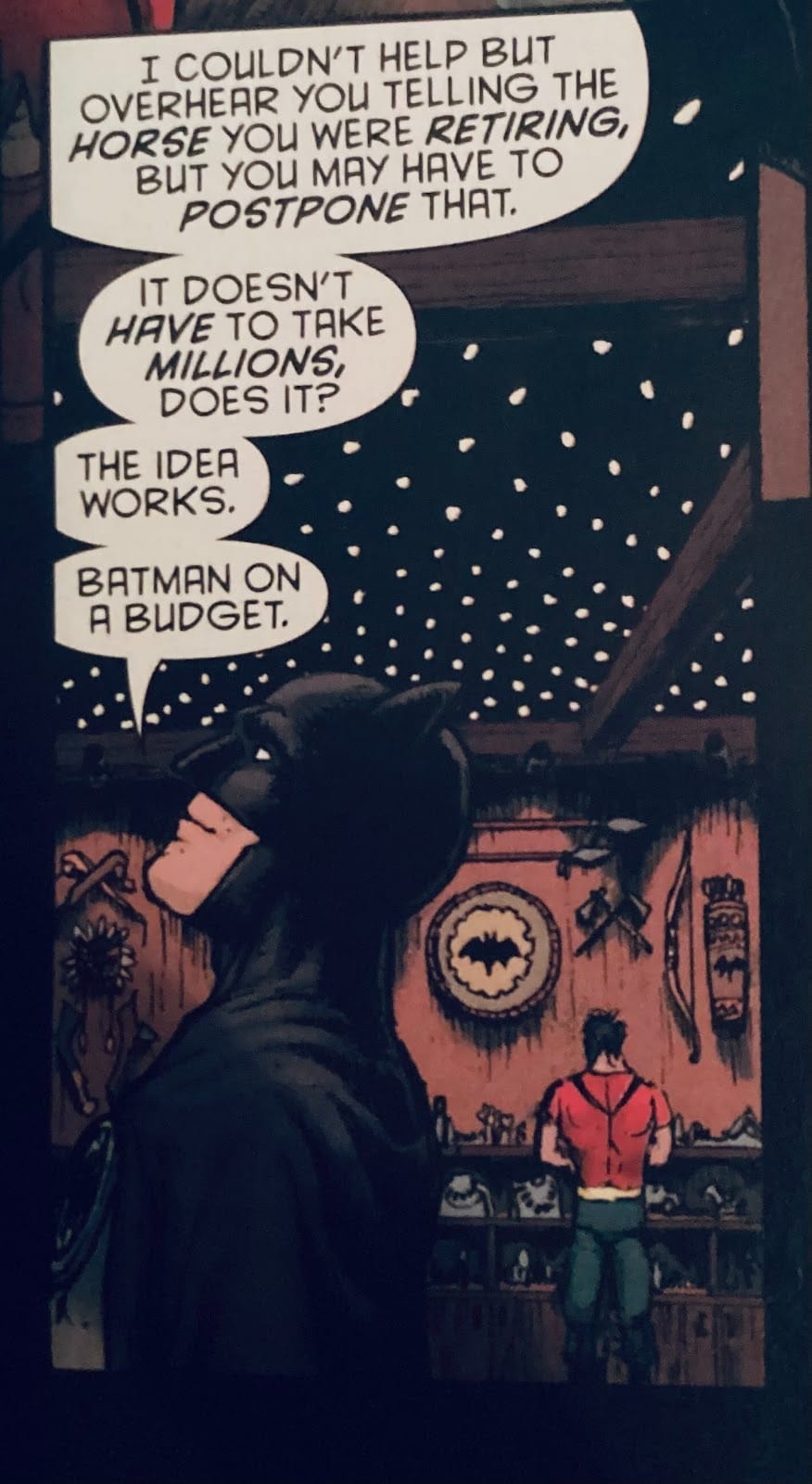
Anyway, it got me thinking: am I a hero, and having starred in two viral harassment videos filmed by a person clearly off their medication at my work from Monday this week and which try very hard indeed to make me a baddie, I think I can say: probably. On a municipalities level; some of us are boys who - to quote the other - “read The Filth and decided we wanted to work for the council.” A hard lesson in life is often the distressed person throwing the pity party is also a creep; the only reason to ever try and induce pity is to leverage it. Bit weird seeing yourself cast as every city employee, a rat and subject to some various illogical imprecations ending with being eaten by a lion, but I am feeling like Daniel about it and entitled to my reframing.
Music this week is the title track from the last CD I ever bought, The Roots Rising Down; couple notes here - Styles P nailing me to the wall for abandoning physical media here and being as insightful as that 1989 Future Shock about art bots:
Look at technology: they call it downloading (Pshh)
I call it downsizing – somebody follow me (Follow me)
Does a computer chip have an astrology? (Does it?)
And when it fuck up, could it give you an apology? (Could it?)
He also outraps Mos Def and Black Thought for my money there, which should be impossible - I have thoroughly enjoyed The Lox’ second life as my favourite podcasters (by which I mean: I will watch a video up to 8 mins long) that I don’t personally know. It’s fun to investigate your teenage favourites’ peers and listening to old Jadakiss and AZ creates a sort of parallel self, dependent which CDs Our Price had that week, I think I will maybe try and get into Voivod and Clutch after that album with Rats next week.
OH YEH, ONE MORE THING, THERE WAS AN UTTERLY UNEXPECTED APPEARANCE FROM GOLDIE ON THE idk ALBUM, STILL TOO TAKEN ABACK ABOUT IT TO DO ANYTHING OTHER THAN SAY ~ IN A NEARLY 50 Y.O. VOICE ~ JUNGLE IST KOMMEN
ITEM
In the Bank of England's annuities room

Kenneth can hear singing, or he thinks he can. Not the usual whispers following along corridors, but voices, singing, choral scales running up and down, women’s voices here of all places. January’s chill has blown indoors and old chair creaks as he rises, over to the brazier. The rustle in his jacket pocket too, raising eyebrows in the hushed office. Which direction can they possibly be coming from?
He subtly, he thinks, dips the brown paper bag under cover of his footsteps and pops in a sherbert lemon. Uses the clattering scuttle, scoop, door, poker, door to cover the crunch as it bursts between back molars, electricity on his tongue almost as exquisite as the tiny lacerations the sugar shards make on his palate. The sensation scores a clarity into the air and he can hear the chorus again.
Sedge warbler. Cetti’s. Water Pipit.
Reed Bunting. Redshank.
Linnet. Lapwing. Wagtail.
Women’s voices. Singing.
He looks past the vaulting arches and the lions looking down to the domed ceiling. Under the rose, trusts and confidences, spent and maturing, plaster petals grey with coal dust, chirruping, babble, the sound water makes when it breathes. Far away on the riverbank, head full of familiars.
Humbugs. Bullseyes. Barley sugars.
Pear drops. Bonbons.
Withys. Rats.
Cunliffe. Back from the board room, gloating, having bought short. Wine on his gums. ‘Still easterly, clippers won’t make Tilbury tonight. Losing their minds across the road. England without tea, can you imagine. Buy Fairfield next if you want my advice.'
‘I do not,’ he doesn’t say, he hopes. He can barely hear himself now, the girlsong is waterfalling from the centre of the rose, plucking his spine like a harpstring. Dips again and a cough candy twist comes up from the rustle, two, stuck together like raspberry jam. He thinks of Elsie and doesn't bother hiding his delight as the eucalyptus finds his sinuses and the singing soars again.
Cunliffe glares with a disgust he stopped hiding years ago, and Kenneth scampers back to old chair. Fountain pen, paper. Time to write that letter. He can only hear singing, he's sure he can.