Forever altering one's aspect to the sun
The Years. ABHOBC: OINK! Scare City Special Report Part 2. Real Portal Energy. Remains of a Future CIty.
ITEM
Mindless Exploration - the death bed, The Years (Virginia Woolf, 1937)
I am trying not to be annoyed by those who can’t look at the sick and dying this year. Reading helps. Reading doesn’t help.
Pushing down the feeling that people don’t want to acknowledge those sharp edges that might crack the brittle neon future selves they’ve installed in the new garage-bar conversion – bit live love laugh for my taste but I’m not judging, whenever I buy a cookbook or RPG I’m trading on the idea that this year will be different – I find myself wondering what sort of place the space around the death bed is. Woolf gets at it one way in The Years, right up front, 1880.
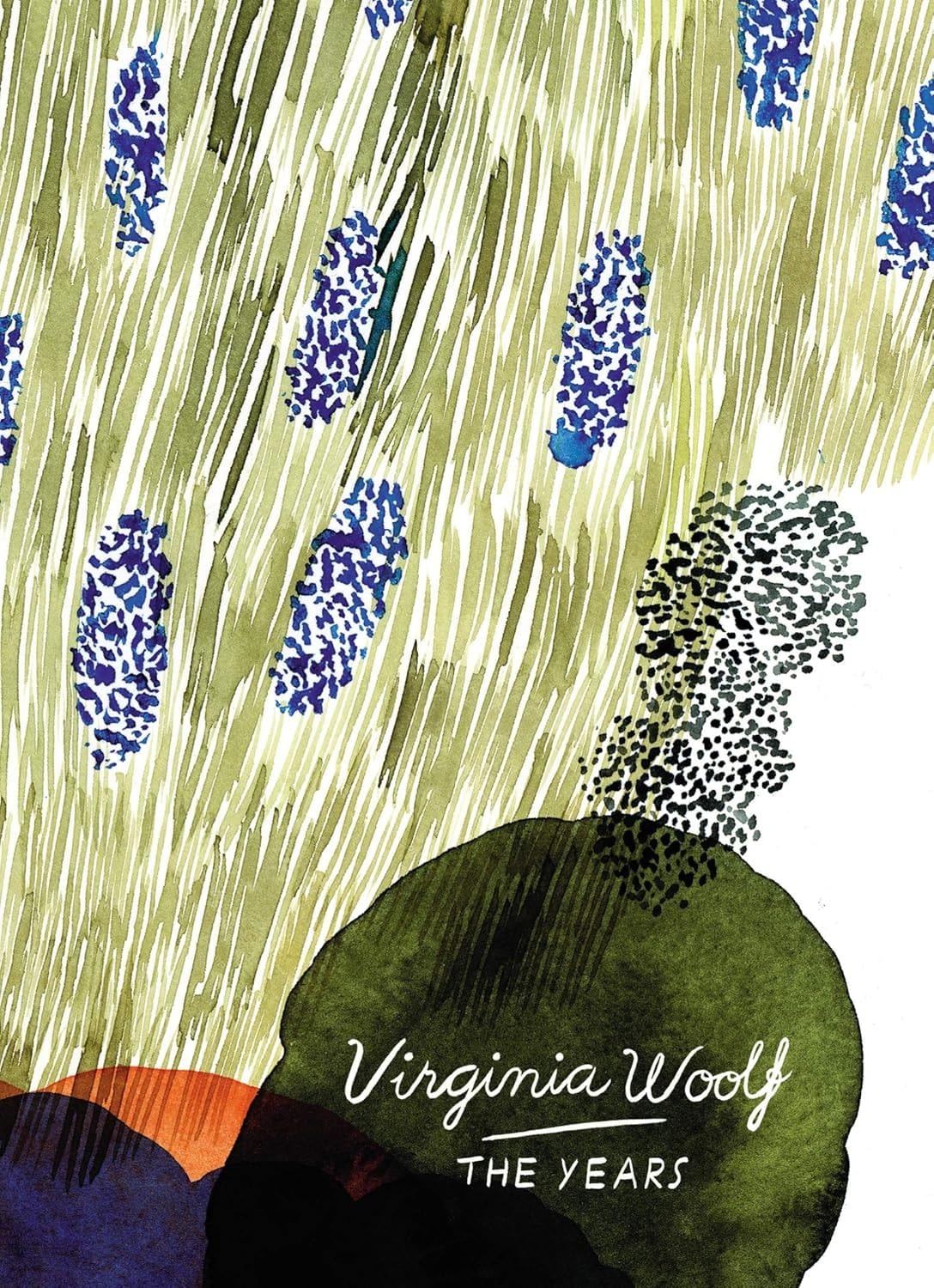
A wait that develops its own routines of frustration, punctuating the false alarms – 'Morris had a book in his hand but he was not reading', 'Morris looked up from the book he was trying to read'. A temporal paradox, inaction, past and future rendered both impossible and inescapable at the same time. 'She told him; there was no change'.
The world is a scene of continual interaction and change; the past and future guarantee only one thing, and that’s hard to avoid contemplating when you’re sitting in the room with it. At the same time, to sit in the room with someone whose only needs are immediate is to hold that state in suspension and attune yourself to the present moment, in all its truth and fidelity to the flesh.
And then, the tragic possibility of a break, a space between past and future opening up. 'A wall of water seemed to gape apart; the two walls held themselves apart.' The sense of death becoming life thwarted by those thankful the deceased has escaped the teeming world.
The rain continues to fall. It falls elsewhere too, if you can believe it!
ITEM
A Brief History of British Comics17: OINK!
- Publisher – Fleetway Publications
- May 1986 – October 1988
- 68 issues
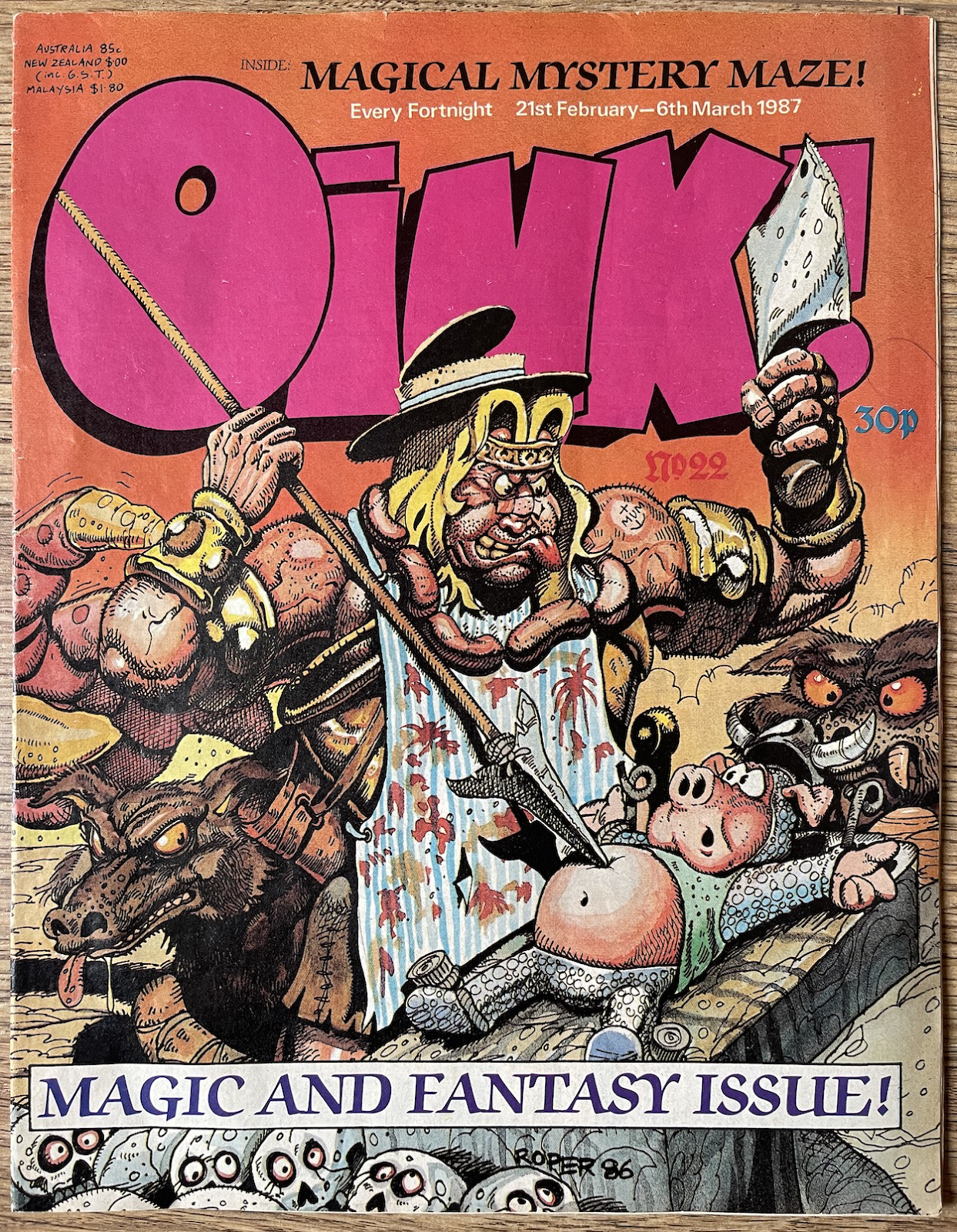
Sometimes the swirling eddies of pop culture coalesce into something special; something that feels inevitable yet surprising. The right object at the right time.
OINK! Was a truly wonderful collision of elements and voices, that burned brightly and irreverently for a couple of years, before becoming a fondly remembered cult object.
It was a comic that had the righteous rudeness and anarchic disrespect of all the best British popular art. OINK! was firmly on the kids’ side in a way that other humour titles only paid lip-service to. It joyously lampooned popular figures, genres, other comics, even itself.
OINK! was a prescient piece of pop-magic that foresaw the channel skipping, media-scrolling future with its grab-bag of styles and influences.
Inspired by the ten-pints-in maverick energy of VIZ, it was proudly crass, but never lazy. Every issue felt stuffed to the gills, bursting with creativity. It fused aspects of Private Eye, The Beano, and underground head comix into a title that invited its readers into a private club with a strict ‘no squares’ door policy.
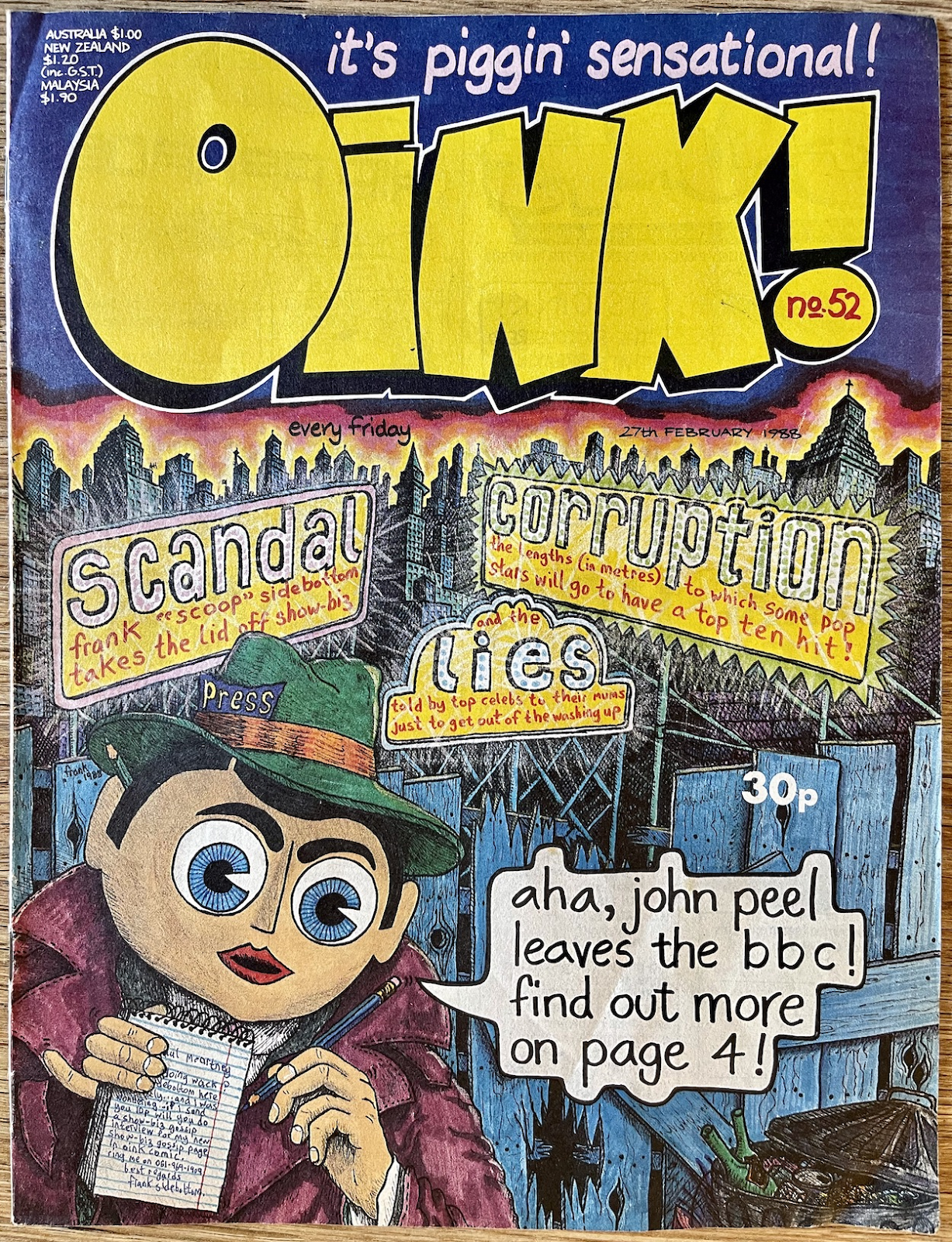
It irked all the right people. Had a Mary Whitehouse analogue as its main antagonist. Had questions asked about it in Parliament. There was a political edge to it that no other kids’ comic had.
It looked like the kind of thing your parents should hate.
Spearheaded by political cartoonist legend Tony Husband, OINK! found space for Jeremy Banks, Lew Stringer, Frank Sidebottom, Marc Riley and Charlie Brooker.
Piggy spoofs of popular films, and miserabilist pop stars rubbed up against gross-out slapstick, insane photo strips and psychedelic centrespreads. Beautiful cartooning sat alongside punk-zine scribblings. It was playfully post-modern before that became the dominant mode.
After it folded, its creators moved onto fabled kids TV show ‘Round The Bend’. Quality never dies, it just evolves. Thank fuck.
ITEM
Hoggery
Tell just one person that you liked this newsletter. Word of mouth, more than any other form of promotion, is how creative works get noticed and sustain themselves. Thank you very much for reading.
ITEM
Scare City Special Report Part 2
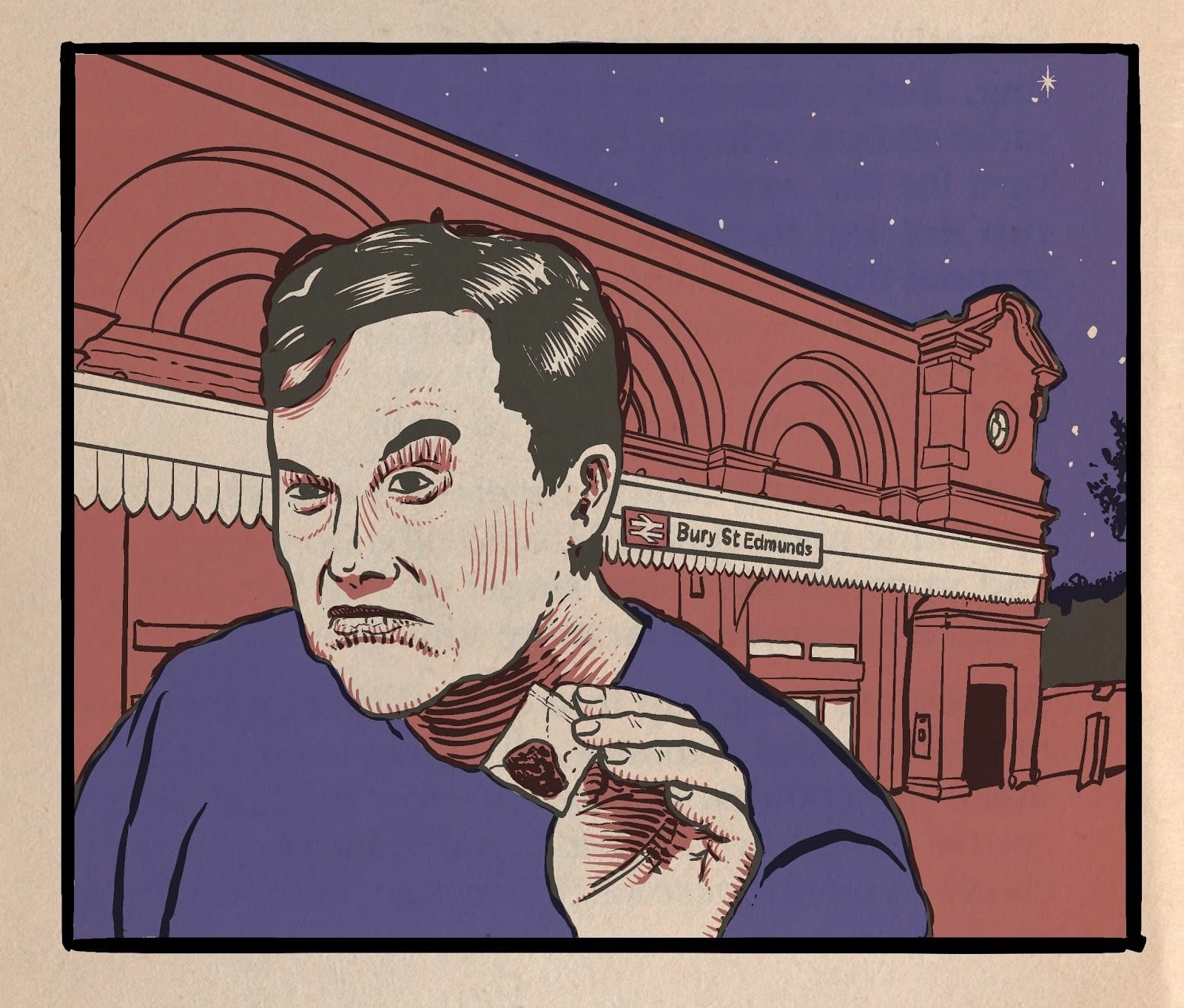
Riot Girl ploughs into bouncers as a bug-eyed Elon Musk is dragged past me.
"I'll make it worth your while!" he croaks through a stranglehold.
"We don't take bribes!" Comes the stern reply from the female security as she pockets the fistful of notes.
Riot Girl inspires other clubbers into battle. Bouncers eventually restrain and remove about a dozen. It's scary being around this violence but I have to admit it's thrilling. With adrenaline-sharpened senses, everything feels so vivid. Scare City is an immersive fear experience and I feel high with the confidence of getting further than cultural luminaries such as XCX, Musk and Gove.
In the quiet after the skirmish I realise there’s no kick drum, rumbling bass or anything echoing from below. I laugh loudly and get thrown out for only having one sock.
Culture has never been more abundantly available. Nothing is special anymore so here in Bury St. Edmunds, desirability through cultural scarcity has been taken to the Nth degree by making a culture that’s impossible to obtain - and it’s a smash hit! Thing is, if it’s impossible to obtain, you might as well not make the culture. Shh! Don’t tell anyone!
I walk to the train station with Tilda (Riot Girl) and Kieron (Lion-Stag), giddily discussing the night. We pass Elon and his security who asks if we got in. We pretend we did. I go for a piss in an alley whilst Tilda and Harry spin him a yarn. I nearly step in dogshit and this gives me an idea.
“You must’ve taken Shunt before, Mr. Musk?”
“Shunt? No.”
“Shunt’s amazing. It’s the drug everyone’s on in Scare City. Totally organic. Let’s you see pure truth.”
Elon pays me a huge amount of money for some dogshit which he eats as we leg it.
ITEM
REAL PORTAL ENERGY
I read Absolute Batman vol 2 this week, ugh it’s so fucking good, I think easily the best work I have read of Scott Snyder’s and an incredibly vital reinvention of (the?) premier character in pop culture.
Is it pretty Nietzschean pal? Yeah it’s extremely Nietzschean mate lot of triumph of the will… what it’s like right, is if the owners of every innovation and weapon are not the Batman, but some set of billionaire financier cunts who direct the world from Paedophile Island and all the protagonist has are his mates and complete lack of acceptance of “the way things are”. I keep hitting this note but you know, the news has just been catching up for the last week or so. How do you meet such casual yet deliberate cruelty - what Bane does to poor Oswald Cobblepot here is going to be very hard to forget; equally what Joker does to Bane latterly - how do you stop these people to whom your and everyone you know’s life (not just brown people buddy; you are a chav, a mink, a poor, a N word to George Gideon Osborne too) is a game? How do you make so sure they do not get what they want?
“No.” is a complete sentence.
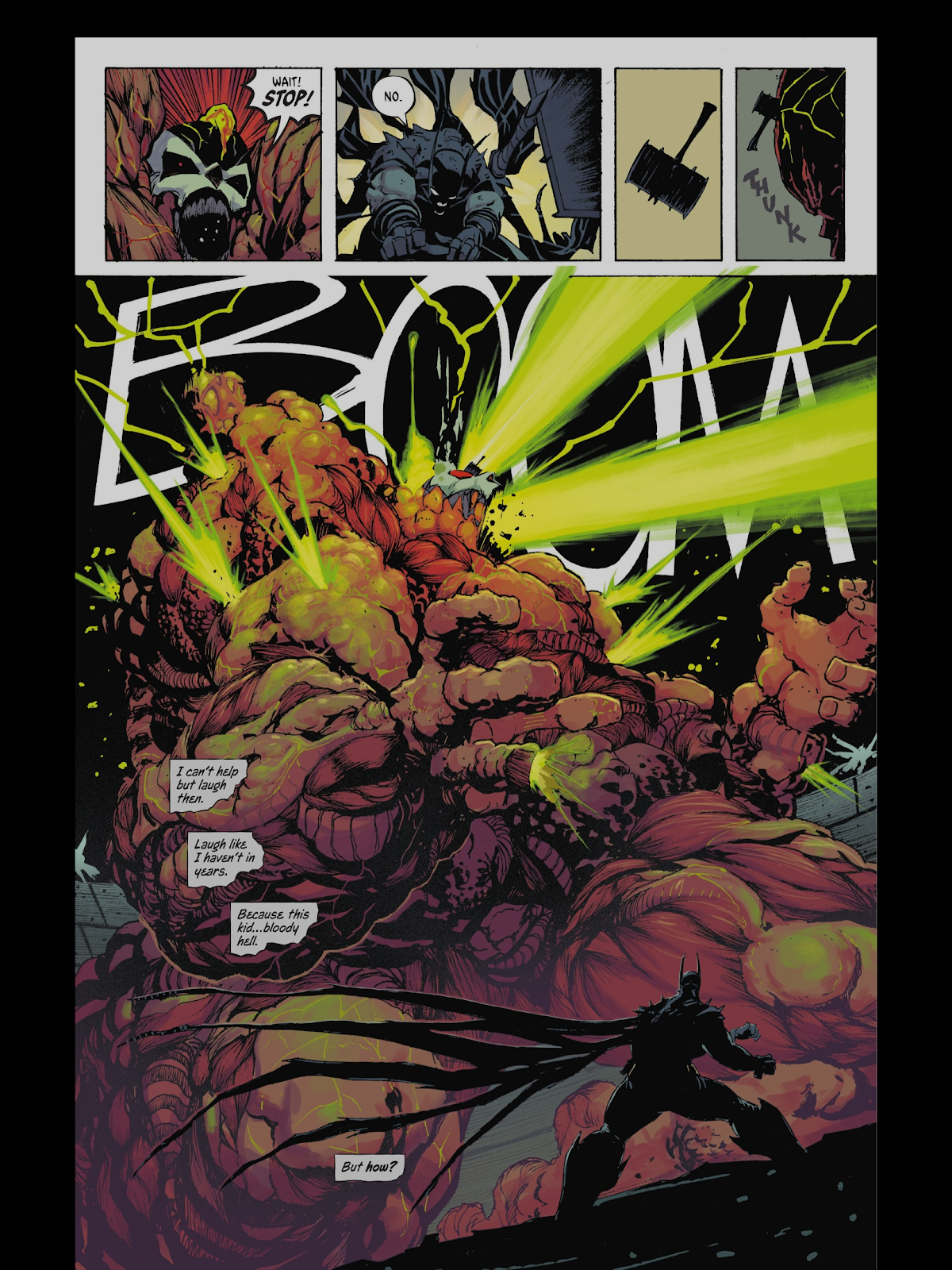
Said I was going to talk about interiority, last week, didn’t I? Well as DeMar Davies and his fellow superhero Cloak (of & Dagger fame) demonstrate by being portals to the Dark[force] Dimension it is this contained time, this chilly, reflective realm that is the 4th Dimension
Kids See Ghosts (Kanye West & Kid Cudi) - 4th Dimension (Music Video)
Great apology from Kanye the other week which I gratefully accept on behalf of everyone I am not allowed to because I am so desperate to have him back. I do think he has head trauma and BPD, sliding into paranoid schizophrenia - as mentioned I have had close encounters with such recently, and unlike Batman, did not beat them up; I am better than Batman, QED - and has been venting Darkforce for some time, glad that’s finished.
BLACK & GOLD, LIKE THE KEATON SUIT
ITEM
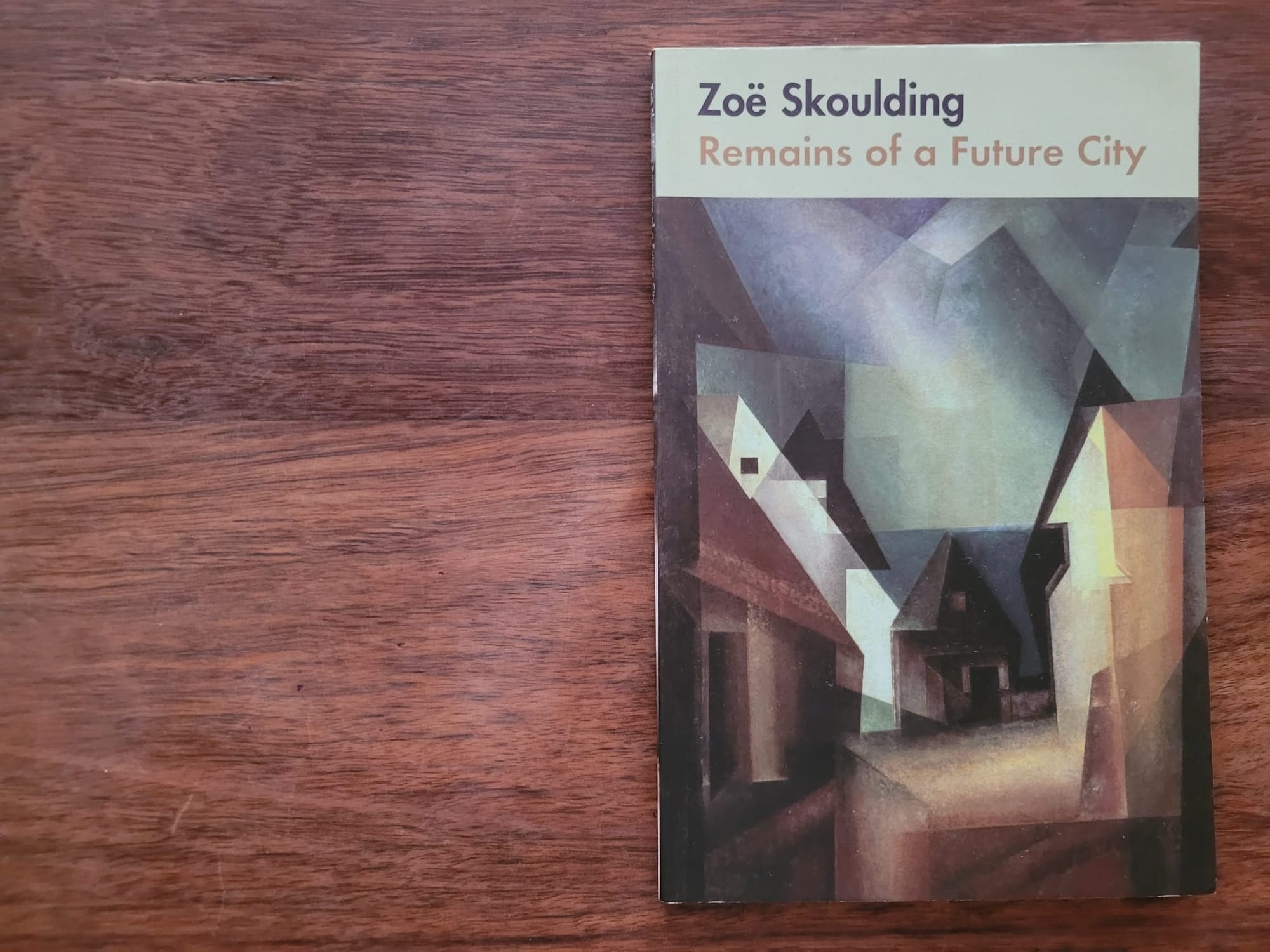
Remains of a Future City by Zoë Skoulding (Seren Books, 2008)
Allowing for translation the quarters extracted from the formulary are Sinister, Happy, Bizarre, Historical, Noble & Tragic, Useful. (Then, albeit hesitantly, Death.) These are not intended as hypotheticals, but templates or imprints: points of certain sensory pertinence generated by the interactions of time, built conditions (brick, glass, metals) and human populations. They can be experienced or revealed in any urban environment of sufficient thickness.
The Noble & Tragic quarter of your town, for instance, lies wherever the furniture turns most kitsch. Memorials to soldiers, plaques dedicated to historians, banks, anywhere flags are hanged. The act of categorisation reminds us that it’s there when you choose to know it's there, experienced according to your intent and awareness. This deliberate ‘quartering’ is a way of seeing and evading uninvited psychic influences.
Or said another way. The foundational method by which these zones are captured and described - psychogeography, say it, say it with your feet - was developed in the middle of the last century by Щегло́в and his circle, iterating on a tradition of vision which was made immediately obsolete by the procedure’s completion.
The means to discover the city only became apparent once the city had ended.
With so much of its physical fabric in a mode of perpetual erasure by capital disaster (warlike pressure of accumulation-annihilation) it sought its ever-greater complexity not in solid, tactile densities but more abstract and pervasive pseudomaterials.
The Hollowed Quarter. Heady, invisible smogs of whirring electron shells instead of coal dust and concrete. The Magnetic Quarter. Territory sublimed into its next form, secure geometries of roads and walls obsolesced by digital infrastructures.
Poetry has remained an effective means of decoding the new, virtualising cityspace only through its insistence on inverting the popular, misleading error which states that the map is not the territory.
The map precedes the territory, and calls it into existence.