A slug in the head and a hole in the ground
The Black Dog. Non-Space. Involuntary Conversion. Andrew & Steven. The Battle of Algiers. Red Dwarf. The Culture. Batman Underwear. Casablanca/Sirocco.
ITEM
The Black Dog – My Brutal Life (2023)

The Black Dog make music for concrete.
Concrete is hard, impervious, unforgiving. The material of cities, of council tower blocks and factories. There’s warmth in concrete too. It contains lives. Difficult, joyous, miserable lives.
The Black Dog were sons of Sheffield. Pioneers of the early Warp Records sound, they splintered off, with two members forming Plaid, and Ken Downie taking the Black Dog moniker forward. Downie-led releases were tougher, terser things that reflect the hardened new century and its nu-industrial birth-pains.
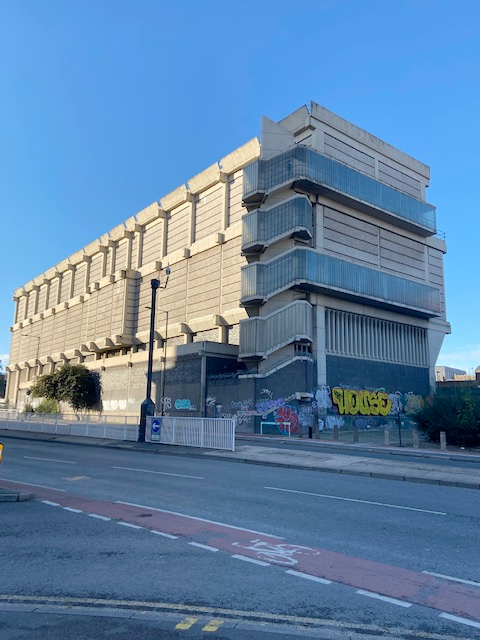
Sheffield is a city of industry. Core of steel, once powering Britain’s Empirical drive. In the 70s and 80s it became an epicentre for electronic music pioneers, in conversation with Detroit, another fading industrial powerhouse. The music of Sheffield is futuristic but wreathed in history. Soundtracks to concrete landscapes and the rough beauty of the Pennines.
I am listening to The Black Dog’s My Brutal Life on headphones, walking the same route to work from King’s Cross as last week. A completely different day. Cold and bleak, sky the colour of a crashed laptop. On the cusp of Spring, we have defaulted back to winter.
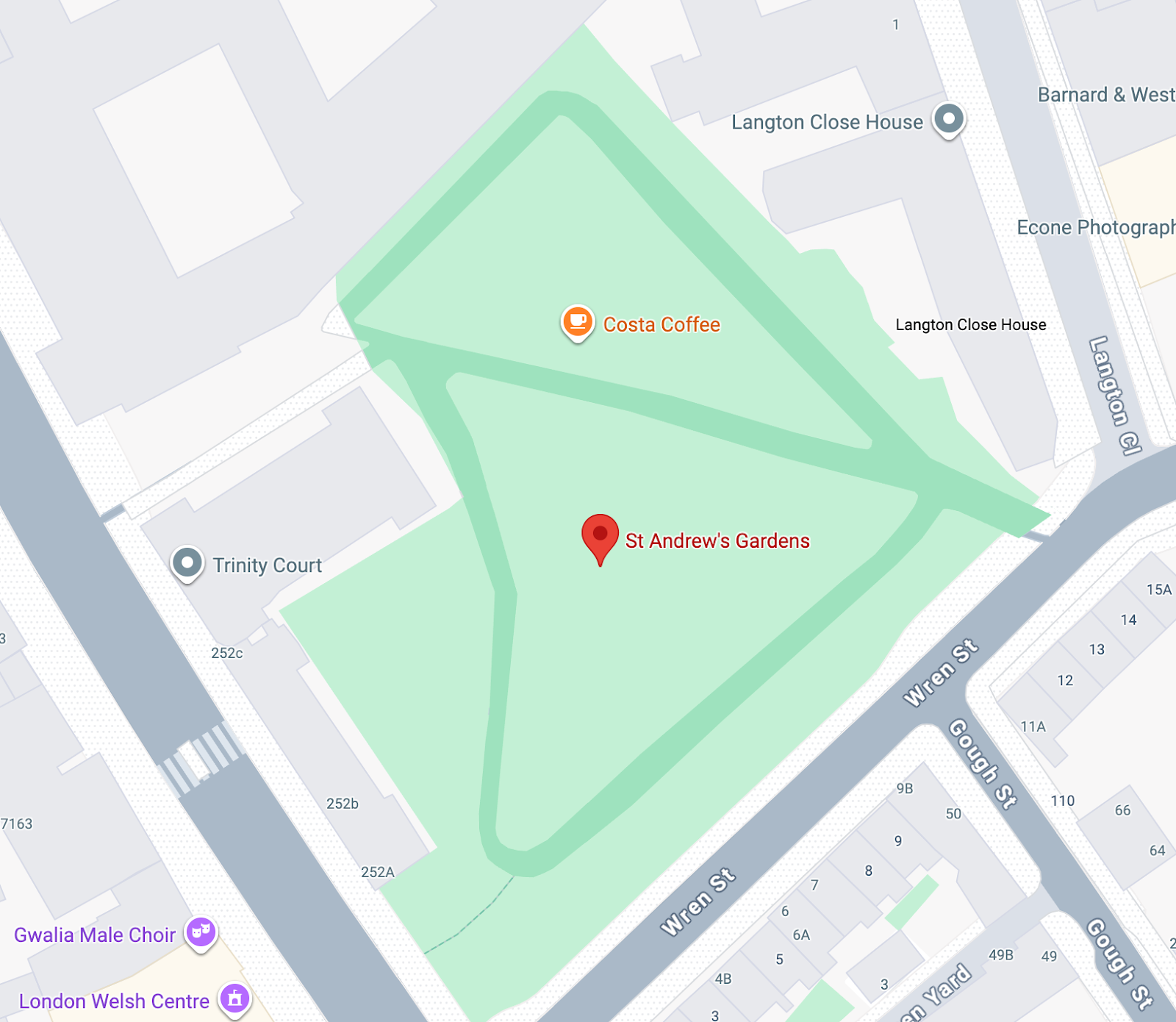
I sit in St Andrew’s Gardens again, noting the imposing housing blocks and cranes that surround it. Victorian housing on the south side being driven into retreat by brutalist overtures. There have been no burials since 1850 and the scattered graves are bleached and anonymous from years of acid rain and the traffic of Gray’s Inn Road.
The album drones, pulses and hums, reaching an icy crescendo as a pigeon arcs slowly to the floor. Concrete windows stare down at me impassively.
As I crest the hill at Mount Pleasant and down Farringdon Road, the ludicrous priapic obelisk of the Shard looms up, dwarfing St Paul's Cathedral. Industry grinds on, ever on.
Ken Downie RIP
ITEM
Non-Space
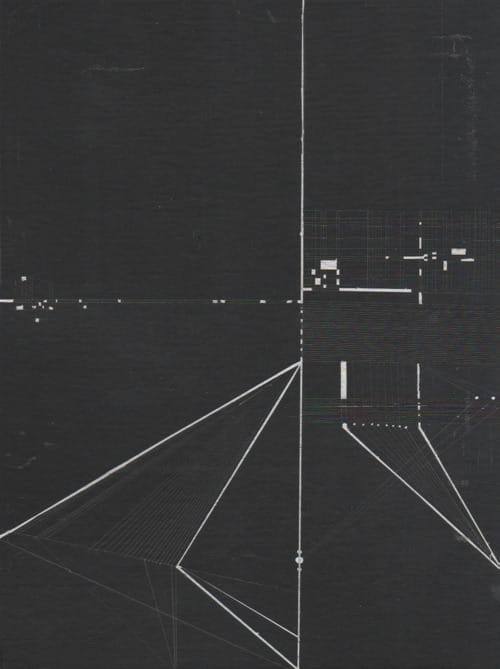
The surface level negation in cyberpunk is the failure of technology to live up to its liberatory promise: more money, more time, better health, a better environment, extended life, more autonomy. This doesn’t mean the future hasn’t happened in some sense. In cyber punk, the future is present in speed, intensity and the new, it’s just that it exists in an involute, within technology itself: cyberspace or the android. In this schema, the cybernetic integration isn’t a Harawayan expansion of potential, it is the overwriting of the human.
Conjoined with this failure is the absence of apotheosis. The divine is gestured towards: Orbital stations, the olympian ayries of the world’s technologist masters, hidden dimensions in cyberspace home to AI or alien minds, post-human lifeforms, the mantraic holography of adverts, infernal stacks of super industry. A key trope of cyberpunk, the penetrative/penetrated “jacking-in” act/event implies the dissolution of self implicit in the sexual or divine experience, and underscores those experiences with virtual encounters of such power and immensity that humans who interact with them risk obliteration. The future is and always was alien to man. A source of yearning and desire, around which we revolve and burn up.
The involuted world of the cyberpunk future expresses power in the form of techno-capital - banking entities, corporations, vast extractive machinery - but that power only articulates the imperatives of the code. It doesn’t manifest politically, in fact it is antithetical to the polis, who are after all simply further articulations of the code’s hyperreal. There are and could not be any mechanisms for people to access or take part in. There is no ingress for human concerns, because there are no people in cyberpunk’s world of total mediation. Like the Gulf War, events do not take place.
This is the deepest negation. The erasure of the Real.
ITEM
Involuntary Conversion
I learned yesterday that I am a Muslim.
This came as something of a shock to me, what with me being an atheist, but according to both Keir Starmer and Nigel Farage, both of whom are, after all, eminently trustworthy, the only reason anyone voted for the Green candidate in the Gorton and Denton byelection is because they're radical Islamists who have been brainwashed by the cunning trick of a single leaflet written in Urdu. And if they say so it must be true. After all, the Greens supposedly don't know what a woman is. And women and girls need protecting.
Which is odd, because the Green candidate won with forty-one percent of the vote in a constituency where Muslims make up about twenty-five percent of the population. I thought my reasons for voting for the Greens were to keep a fascist fuckwit from being my MP, and because I couldn't bring myself to vote for a Labour party that is chasing the fascists' base at the expense of their own, by attacking immigrants and trans people. I thought I was voting tactically but also enthusiastically for a decent human being who thought that rather than killing brown and queer people, the government might instead choose to concentrate on trying to ameliorate some of the threats to human existence like anthropogenic climate change, and maybe help the poorest in society.
But I must be wrong. Keir Starmer tells me so, and so does Nigel Farage. I'm a brainwashed Muslim.
At least the government have learned the correct lessons from this result. Right now the bombs are raining down on Iran, at the orders of a fascist. What the Great British public clearly want is the bombing of girls' schools, right in the middle of Ramadan. To protect women and girls.
ITEM
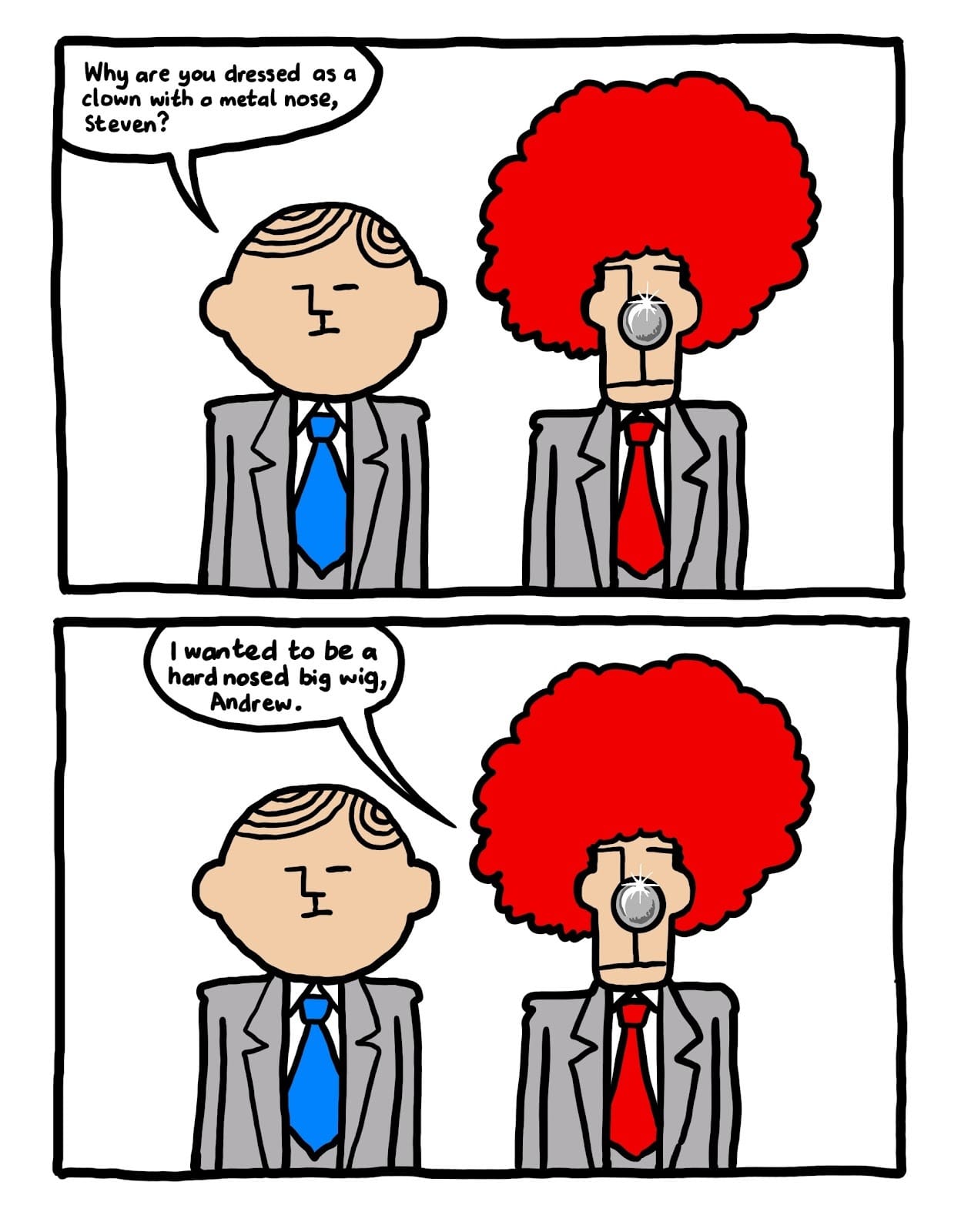
Andrew and Steven, Those Amusing Brothers
ITEM
“First, the Adversary” - The Battle of Algiers (Gilberto Pontecorvo, Brahim Hadjadj, Jean Martin, 1966)
At home and abroad, the ruling mind dreams ghosts into the world. As with most ghost stories, these seem to violate time as we know it, enacting a confusion so sharp it’s almost deliberate. In order to justify the actions that have carved out the homeland, unholy subject-victims are required – a vividly imagined underclass that represents both a threat and opportunity for the empire and an enemy to focus the will of the body politic.
This dreaming can take many forms, but in this film we start with as pure an example as you could ask for. Having identified the villain on the street, the body politic displays its learned contempt by tripping him up as he attempts to run back to safety.
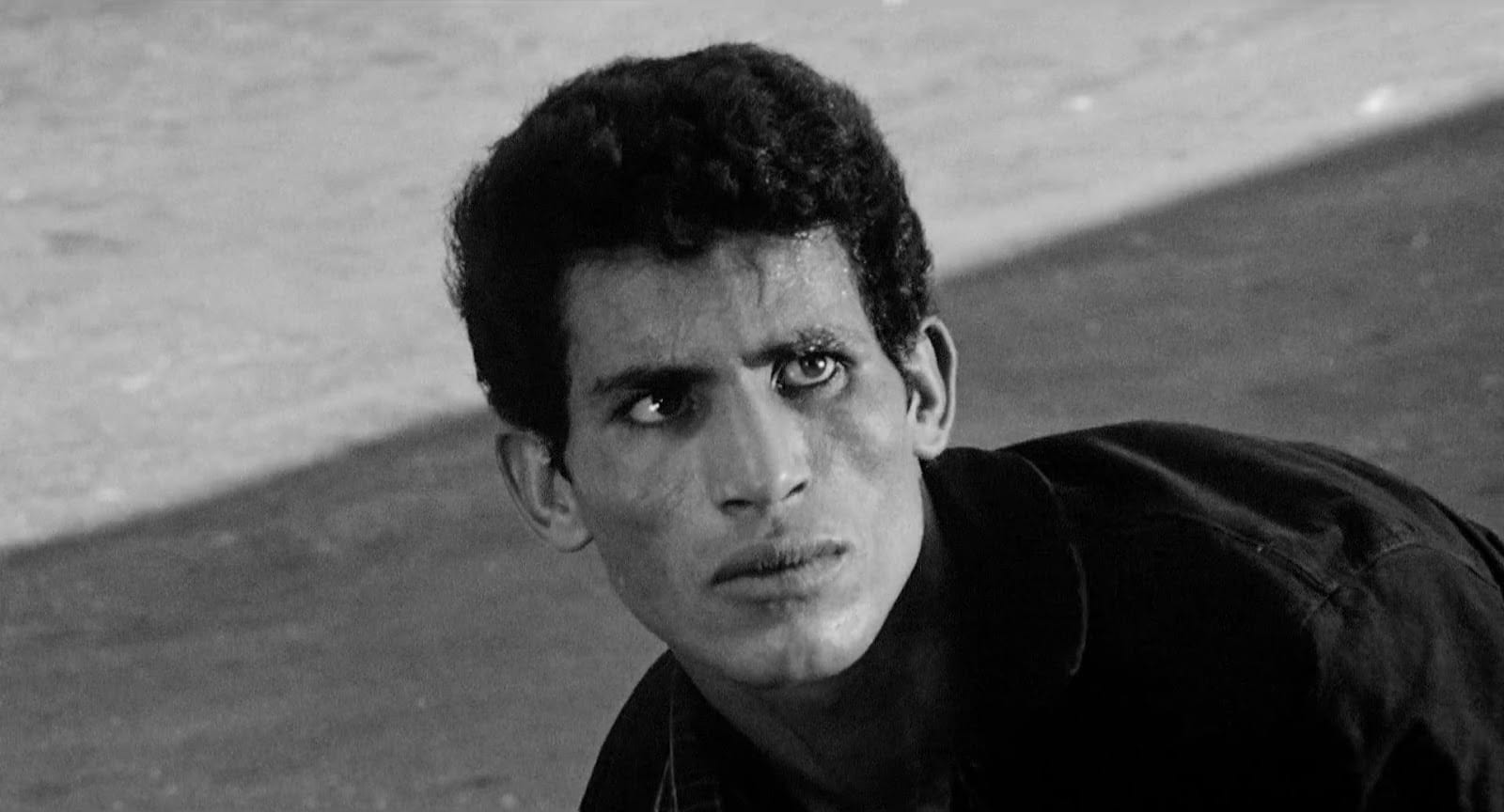
Everything that follows is action and reaction. A cinematic language that has been widely used since – just last year, Andor and One Battle After Another both borrowed and broadcast bits of Pontecorvo’s film – but like whenever you go back to the source with Kurasawa, there’s a freshness here, a relationship to the world beyond the portal that transcends aspirations to narrative mastery.
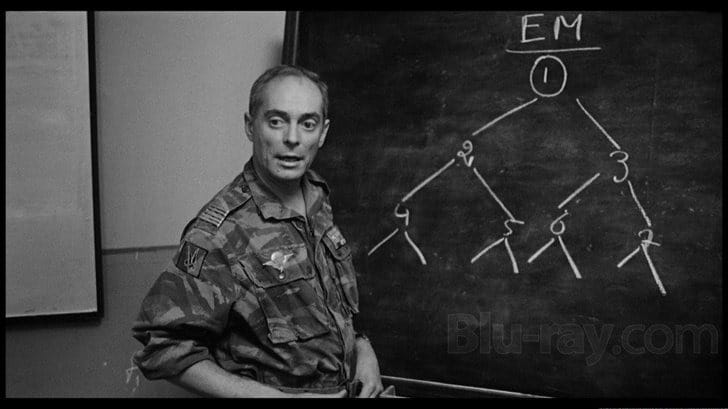
Auditioning for the role of most French man ever with his perfectly bent cigarette and matching attitude towards Sartre, Martin’s Colonel Mathieu gets to narrate the premise: “Should we remain in Algeria? If you answer 'yes,' then you must accept all the necessary consequences.” Meaning torture, gunfights, demolitions. This rhetoric is matched with a certainty about how the story will end: kill their royalty and the ghosts will learn to accept their place again.
But what if the ghosts were real, and these stories were unsuccessful attempts to bind and define them? What if the militant certainty of empire cannot begin to understand its own limitations, or what forces might eventually supersede it? What then?
ITEM
Atmosphere
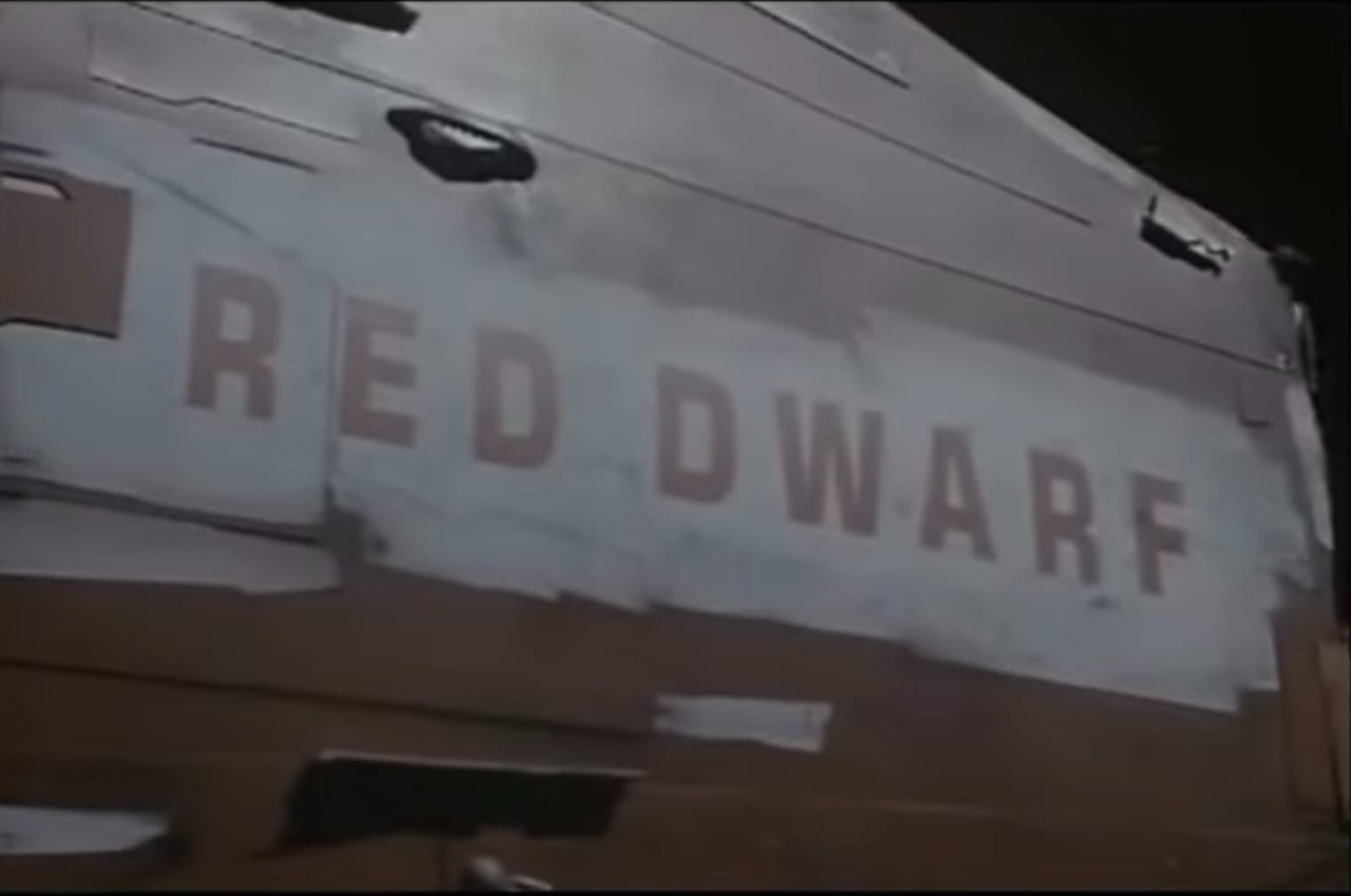
The embarrassing foundational text. I was about eight when the neighbour’s daughter, pulling babysitting duties, said there was a new sci fi comedy we could watch before our mums got in from the bingo. The previous offering had been a repeat of The Hitch-Hikers Guide to the Galaxy. I was hooked.
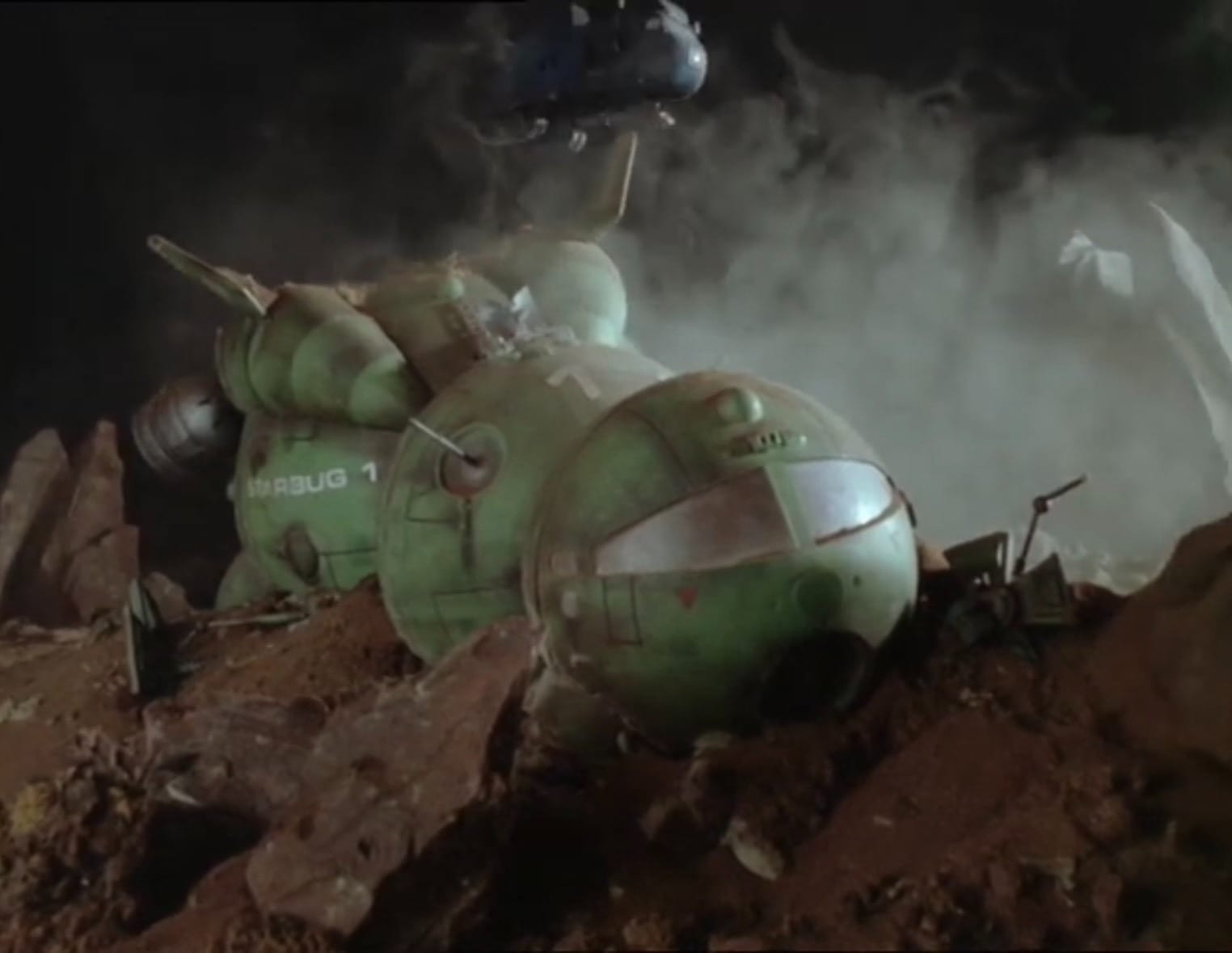
1993 was when it ended, really. Series 7 feeling like that bit in Wayne’s World where they go corporate. Series 8’s Dibbley family joke confirmed it was gone, like watching a family pet get executed.
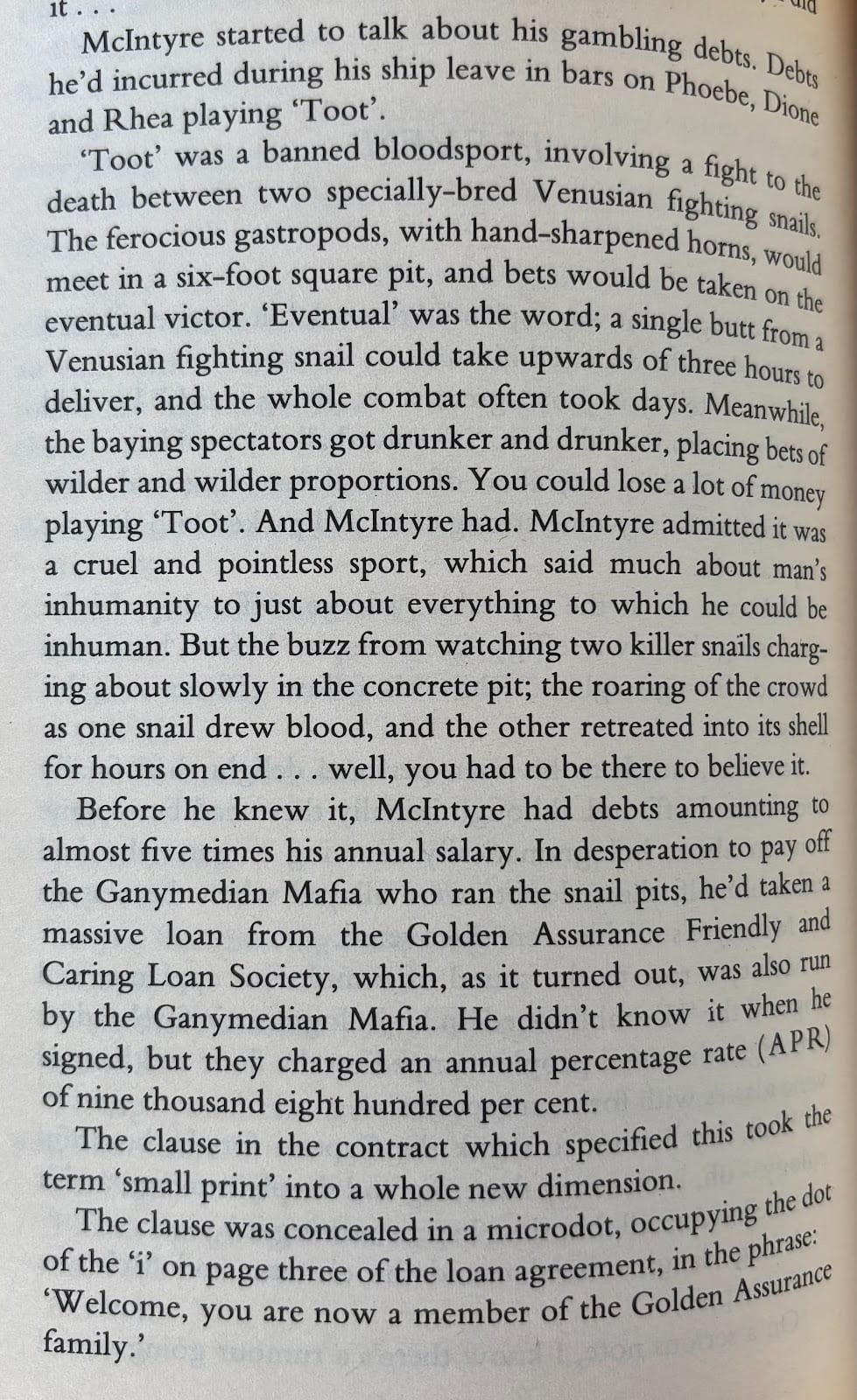
1993 was also the year my older brother picked up the first series on VHS. The creators hate it for its flaws, but there’s something there they never quite captured again. Howard Goodall’s mournful slower theme versus the crowd pleaser that replaced it. Holly cast into irrelevance by Kryten joining the main cast. Lister develops a leather jacketed swagger. None of it bad, per se, but something didn’t tingle.
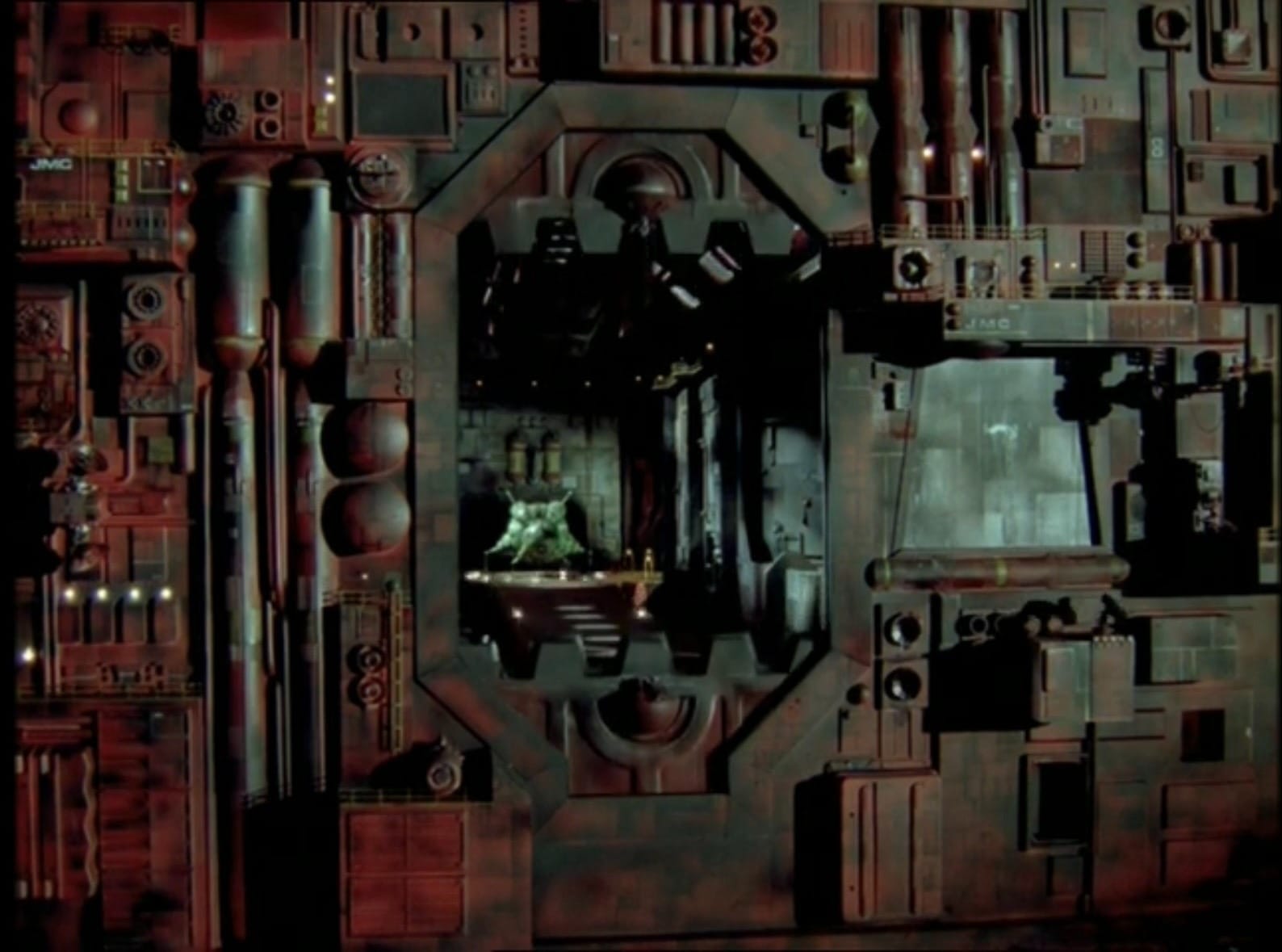
Again, my older brother would unintentionally sharpen my preference. An audiobook version of the novel read by Chris Barrie, exercising his impressionist skills. The damage was cemented.
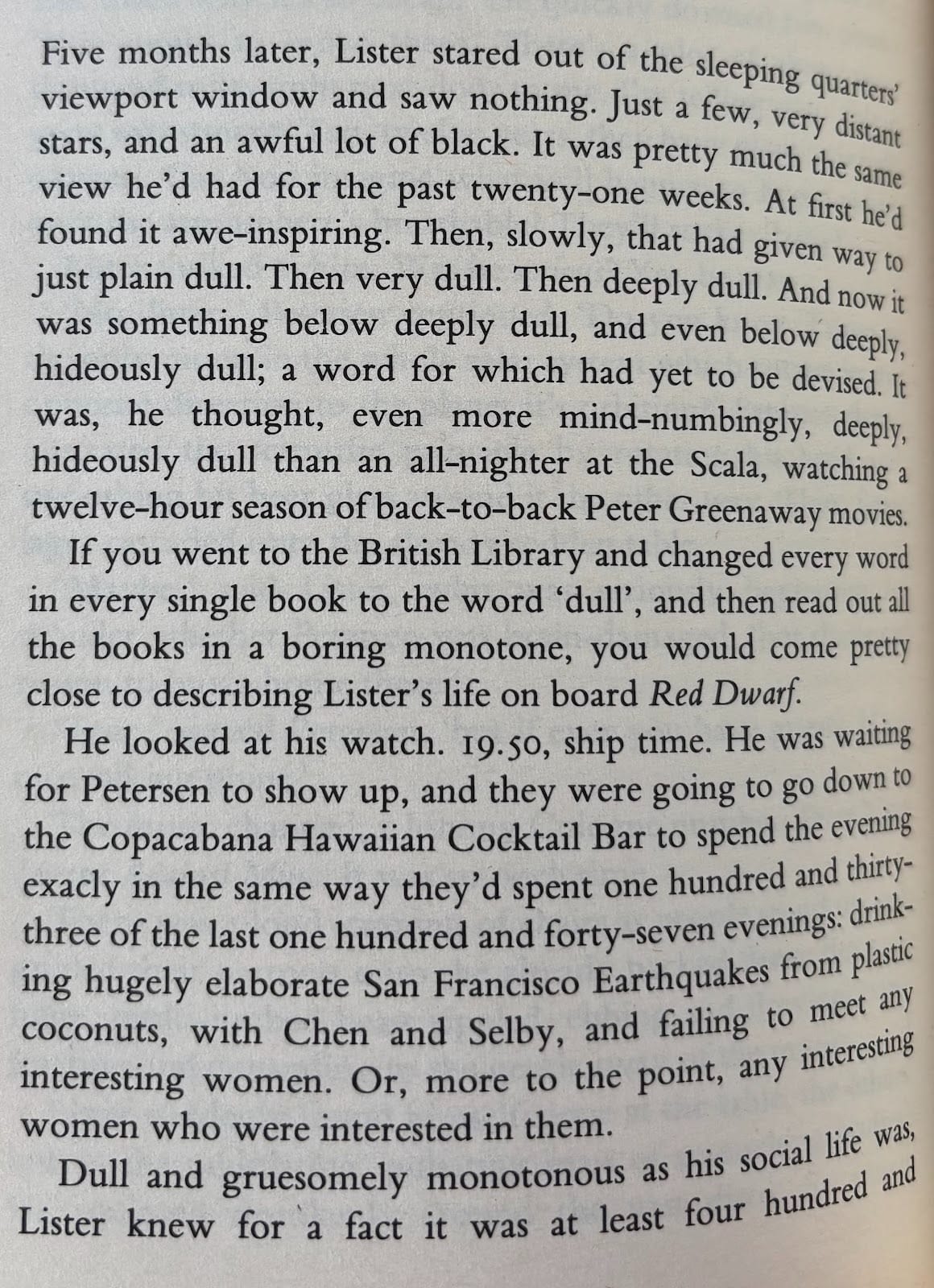
Sometimes it’s hard to parse the timeline of events from before you were born. In between 2001 and Star Wars lay both Silent Running and Dark Star, and Red Dwarf primed me for both. I would rediscover Alien a few years later. Never mind the awful hotel-like fixtures of The Next Generation; it’s not really space without boiler suits and dull corridors. Maybe it’s a wonder, but maybe it’s also a fuckin’ job.
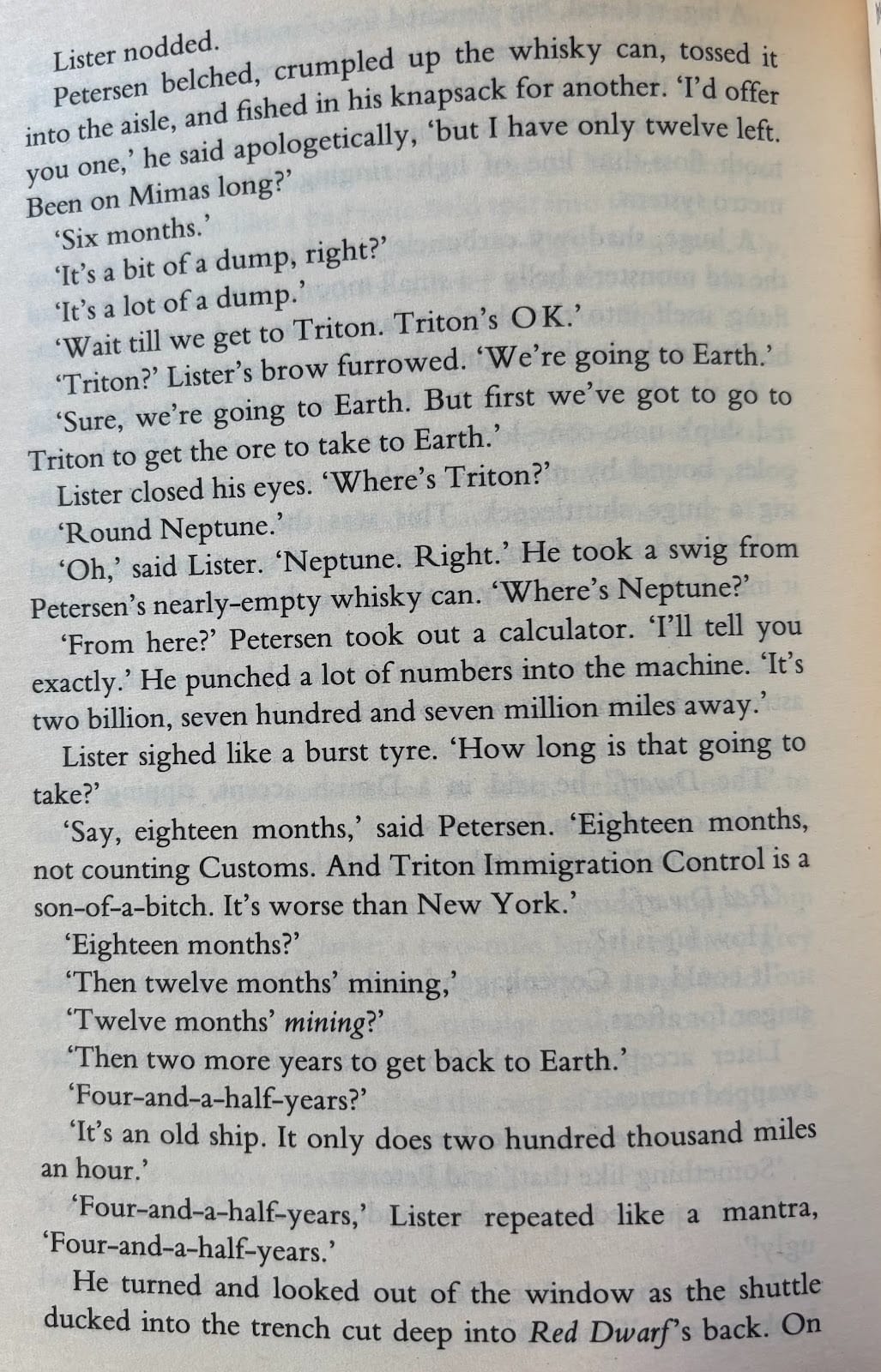
I spent hours on furlough during lockdown playing Elite: Dangerous. A fake job hauling cargo across light years. No boiler suit, though. Don’t think I would have convinced my future wife to marry me after that.
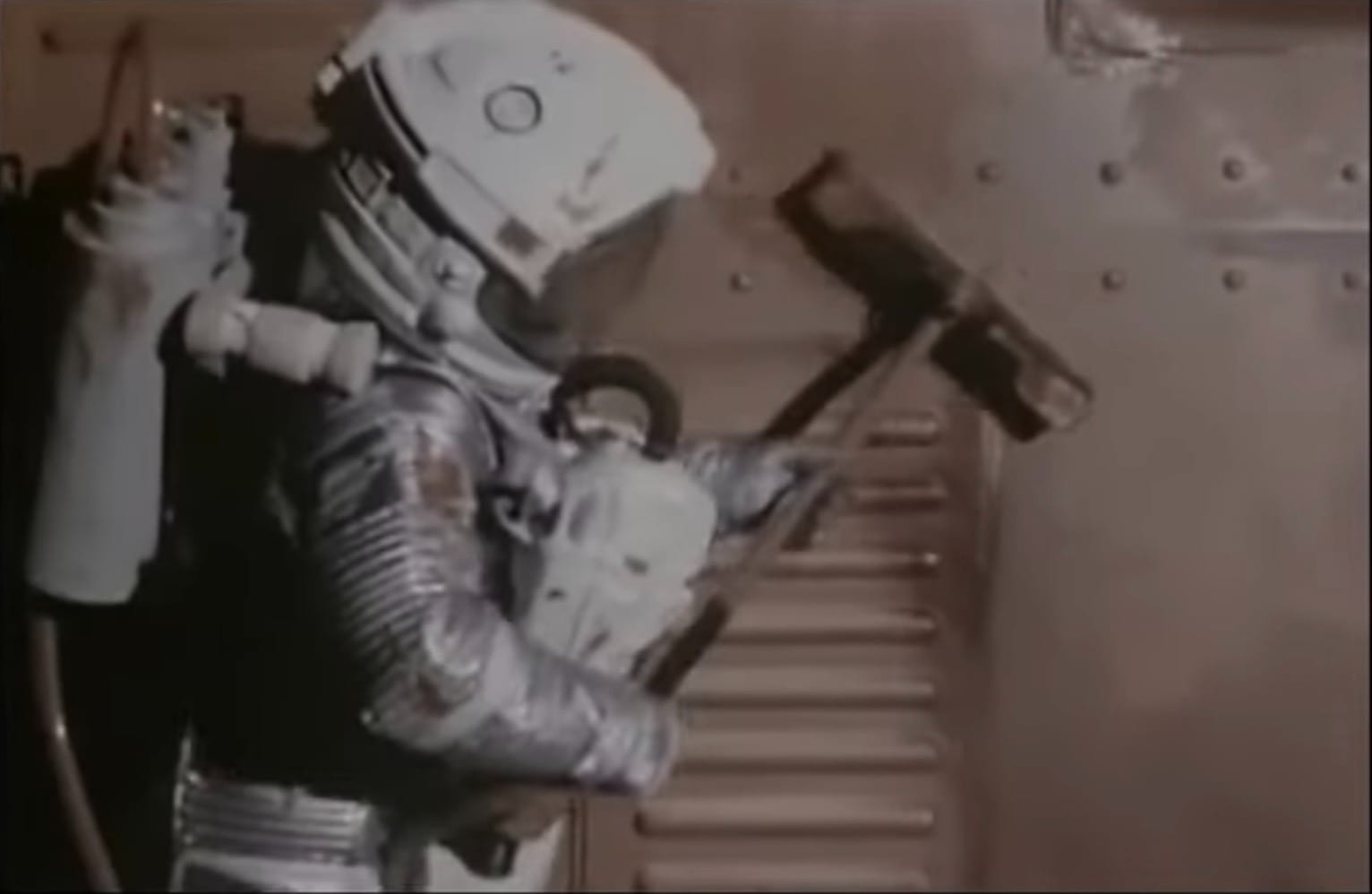
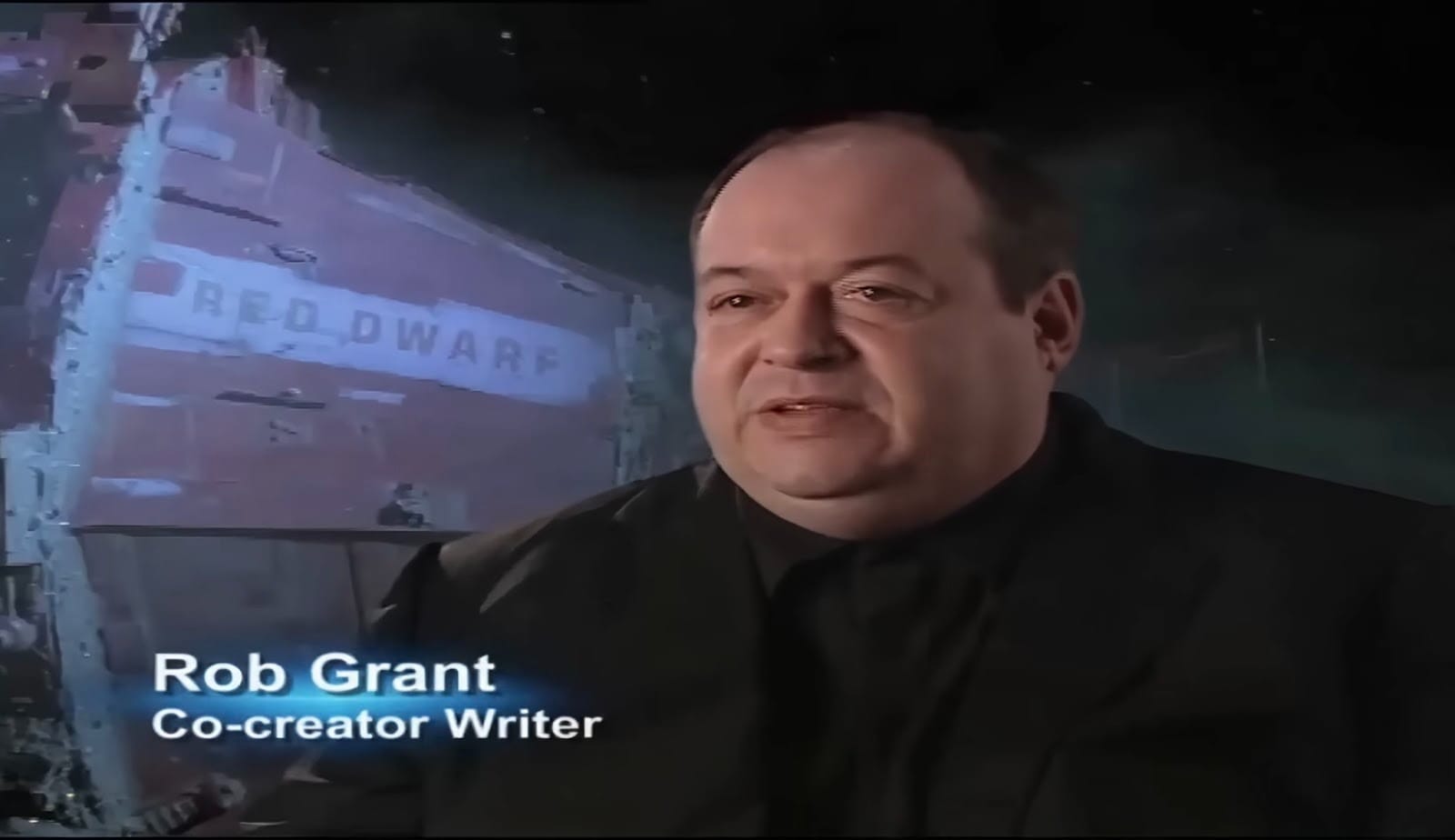
Rest in Peace, Rob Grant. You and Doug Naylor fucked up my brain in some very daft ways.
ITEM
Cultural ignorance

Why doesn’t Scotland – its civic, intellectual and political society – lean harder into Iain M Banks’ Culture books? Like now, when the world is grappling with the immensity of the potential, the bullshit, the economic disaster, of a future shaped by industrial AI. The book series by the late Scottish author focuses on a fictional, post-scarcity, anarcho-socialist spacefaring society all made possible by omnipotent, benign AI.
Banks' work feels like a contemporary expression of deep intellectual heritage: the Scottish Enlightenment's emphasis on reason, progress, and moral philosophy, from Hume and Smith to the proto-accelerationist drive toward mastery over nature through science and invention exemplified by Watt's steam engine, shipbuilding on the Clyde and the chemical, locomotive and banking barons of the Central Belt. Banks himself was matured orbiting the Belt’s great cities, in South Queensferry, in the shadow of the Forth Rail Bridge, near Edinburgh and in Gourock on the Firth of Clyde, near Glasgow, with Polaris subs and decaying WW2 warships in view.
Silicon Valley on the other hand has been smitten for years. Musk has called himself a ‘utopian anarchist of the kind described by Iain Banks,’ and named SpaceX barges after sentient Culture ships called Just Read the Instructions and Of Course I Still Love You. Jeff Bezos has made repeated attempts to adapt the series for Amazon TV, and Mark Zuckerberg's has endorsed Player of Games in his book club. Yet Banks was an outspoken socialist who railed against markets and greed.
Still, maybe Scotland is right to stay away. And maybe the tech lords’ Culture boner is apt: in its mission to shelter the entire universe under its utopian umbrella, The Culture uses espionage, psychological manipulation and tactical violence to ‘improve’ other cultures. The novels need friction I suppose. I’ve not read them myself.
ITEM
Alive in a new way
Tell just one person that you liked this newsletter. Word of mouth, more than any other form of promotion, is how creative works get noticed and sustain themselves. Thank you very much for reading.
ITEM
CAME OUTSIDE WITH THE BATMAN UNDERWEAR ON
Got a death threat this week which, that’s a weird experience. Then remedially I went to the gym and discussed online weirdos (people deeply unlike me) and got a special workout from my favourite Gladiator, and woman.
Normal Tuesday!!
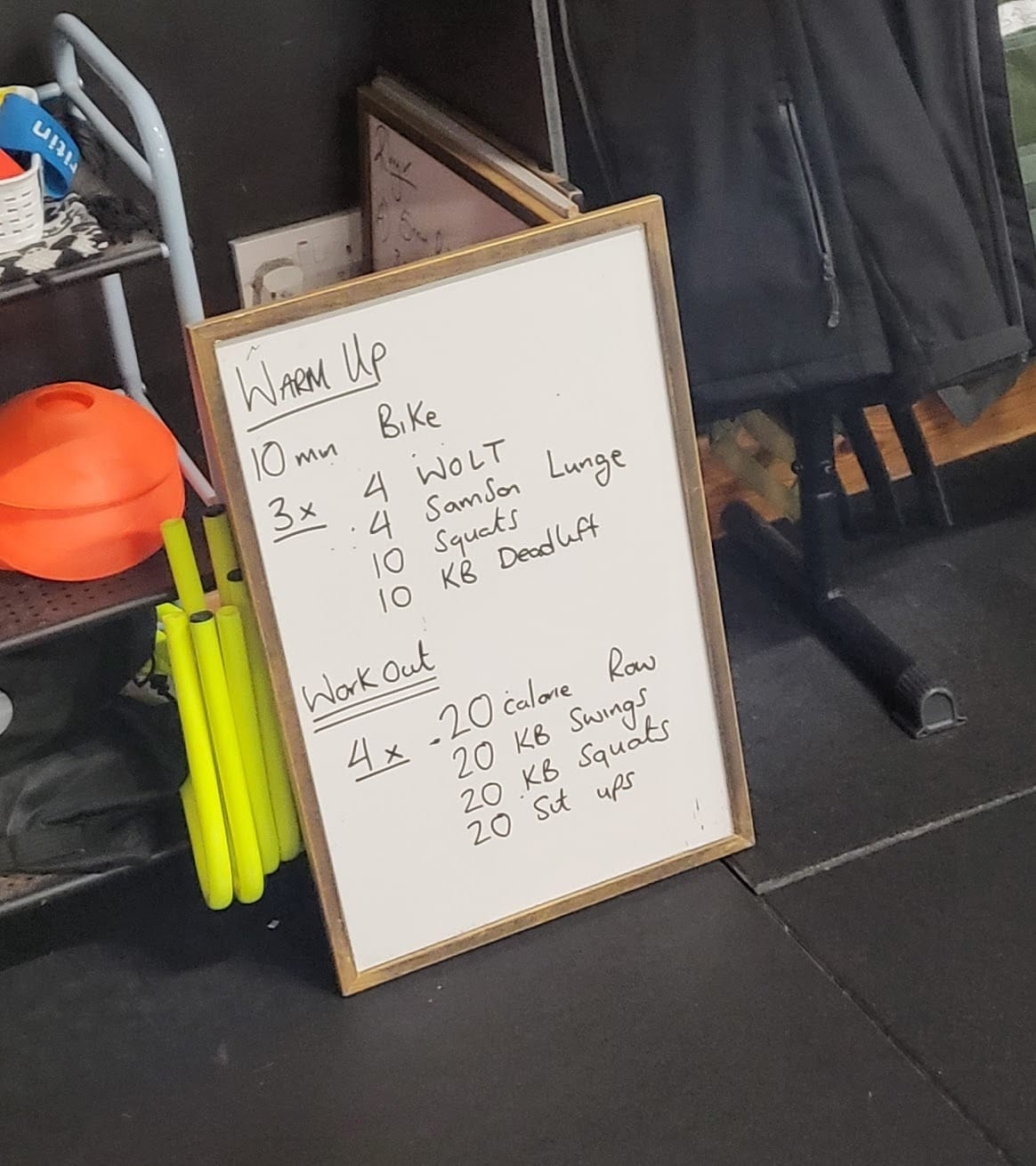
(This was pretty assistive in taking my mind off it for a bit.)
Hello I am here to talk about causality and how the more you chronicle your existence and charge your notion of self the less believable it seems, I literally would have believed neither sentence about my Tuesday whatsoever a year ago or any other year prior - both still seem vaguely like bullshit looking at them - but here we are, at the last chapter of Voice of the Fire.
It is spectacularly unpleasant to be the focus of an (imho) paranoid schizophrenic with a side of narcissistic rage, but I am hoping I can sue the irresponsible YouTube for B¥g Buck$ for my justice and name – much as I would like to don a ceremonial Batman garb for the beating of (you would too if you heard what this cunt called me leading into their culminatory Chopper Harris fantasy, so dinna start).
How the crowds would whoop, and cheer.
Fixating on the Venom symbiote this week, I have a silver spider decal on my black car and have put the Vess & Byrne black suit Spideys as my wallpapers on my phone.
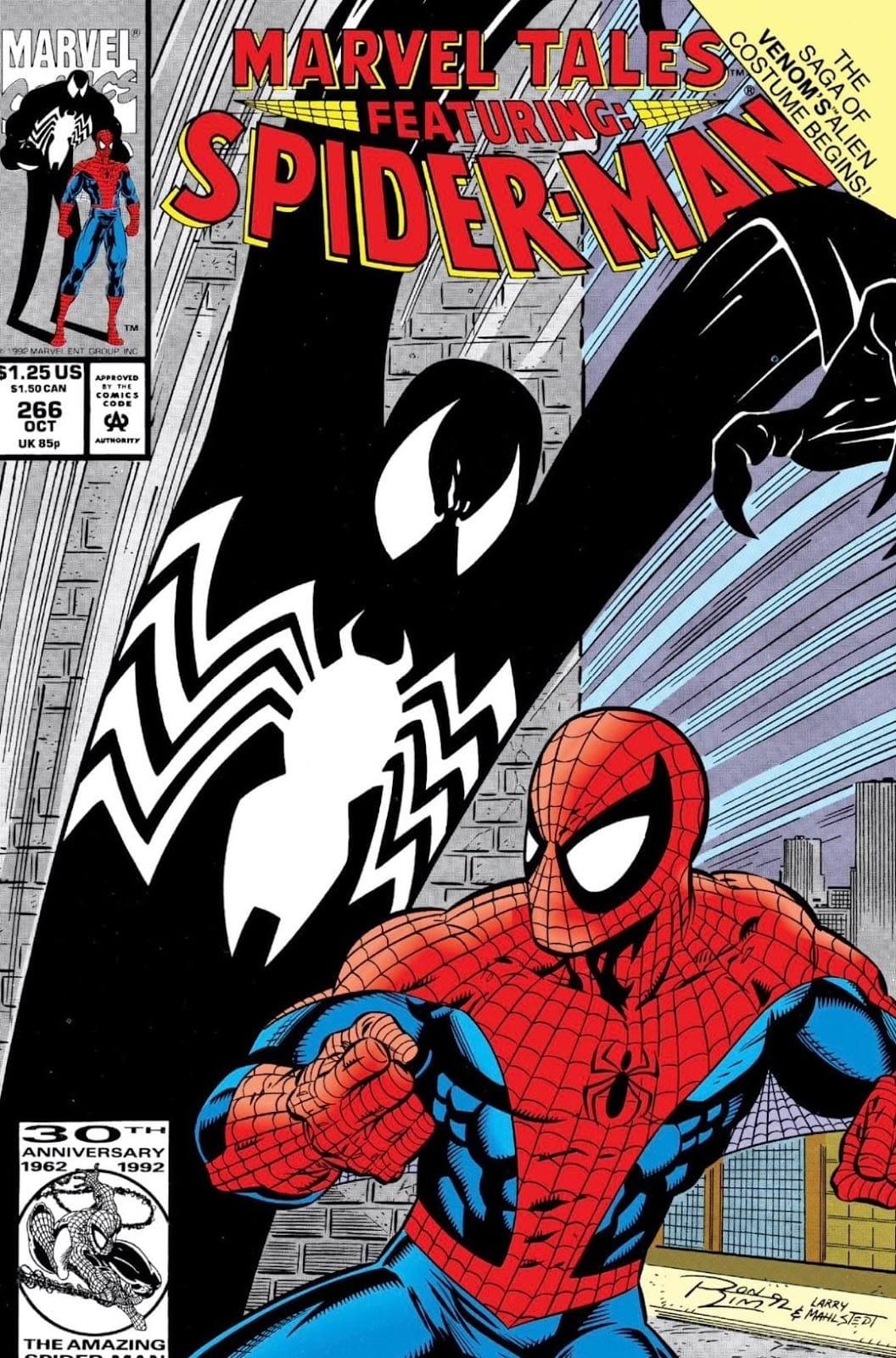
Ron Lim? Not bad guys, gotta say – I really will always hugely prefer it without the mouth tbh – same with Transformer faces actually
ALRIGHT YOU DESCRIBE THE TOPOGRAPHY OF A FINGERLESS GLOVE, IT’S IMPOSSIBLE
Anyone who has watched these Spider-Verse or indeed (chortle!) Madame Web films is familiar with the notion of causal webs, the most powerful depiction I have come across being The Weaver in China Miéville’s Perdido Street Station - also The Norns of course. And all this is what happens when you tug – wink, wink – at it. Heightened emotional states can access Paul Atreides/Navigator vision; look for a spice blue lodestone.
Now to play us out, Ray Vaughan: _____ said he gon’ kill me, then that’s a knee slapper/What, tuh go crazy - All that crashin’ out for nothin, road ragin’
ITEM
Casablanca (Michael Curtiz, 1942)
Sirocco (Curtis Bernhardt, 1951)
We play in the road, kicking balls at walls and riding bikes up and down. Sometimes we play inside. One house is a hippy house, known by the old army lorry sitting outside, painted bright in blue and red and green, a wooden veranda nailed to its rear. For parking in the corner of fields during festival season.
Its owner has a similar backstory. Officer class on the outs, through the windowpane once too many at the tail end of the long sixties. His psychedelic smile’s gone wolfish, wolfsteeth in his teeth and in his eyes. The mum is in the kitchen, through a tic-a-tac bead curtain, standing at the stove making fragrant vegetarian food. The real deal in a town of fake witches, she is hookshaped, birdlike and sad. When they come to take her away his wifelet moves in within the week.
The boy – who shared my love of climbing apple trees – is ex-army again and a schoolteacher now. Anglofascist. Failed Reform candidate.
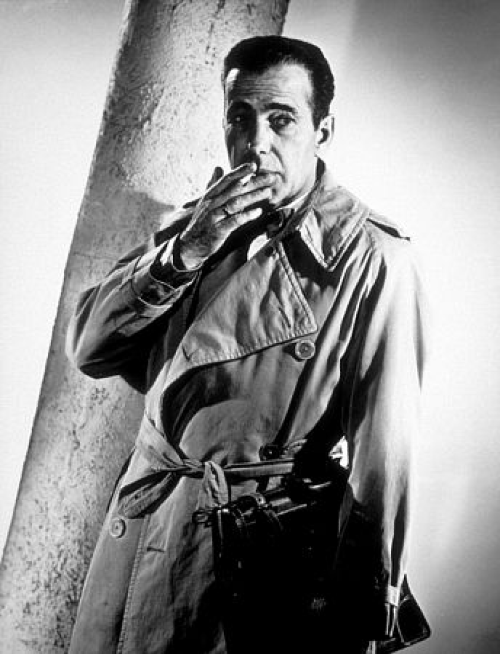
On the way to the kitchen, beside the beads, hangs this Bogart print from the promo shoot for Sirocco.
In its weary effort to recapture Casablanca’s lingering scent it displays peak Hollywood skill, working up a compelling Damascene intrigue against the odds. Druze assassins in ancient catacombs, tommy guns smuggled under dried apricots. The French have gone from amoral wits to doomed imperials, slowly undone by desert overreach and heat, while the rhythms of war boom in the background.
Bogart’s star is defined by the way his body swings inside the screen, tendons loosened by drink and held up by wire. Jaw set half-open for asking questions, the giving and receiving of smoke. An exhausted puppet of his own making, he’s seen all this before, resistant but suspended as the scenery takes motion. A diminishing cigarette, holding onto its bitter certainties with what strength is left in his lungs.